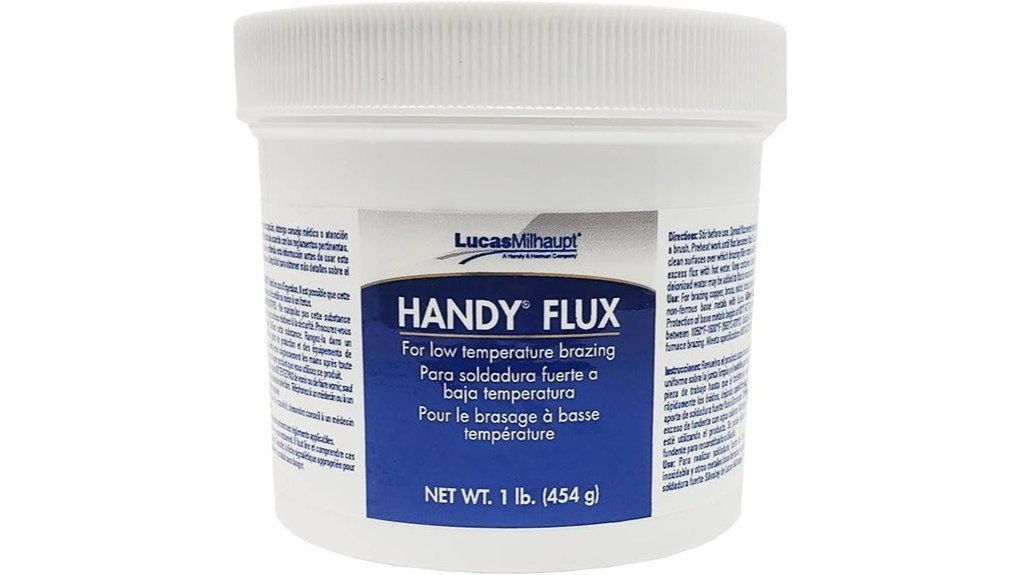
Handy Flux paste from Rosenthal is a paste-type flux for hard (silver) soldering and brazing on jewelry and small metalwork. Per the listing it helps clean oxides off silver, gold, copper and brass so solder flows into the joint. It is worth considering for bench jewelry and small brazing, but it is not an electronics flux and the fumes need ventilation. Rosenthal Handy Flux paste is a flux for silver soldering and brazing.
Quick specs at a glance
| Item | Detail |
|---|---|
| Product | Rosenthal Collection Handy Flux paste |
| Type | Paste flux for hard soldering and brazing |
| Working range | Starts working around 600 F (320 C) and protects to about 1,600 F (870 C), per the maker and listing |
| Metals | Silver, gold, copper, brass and similar, per the listing |
| Cleanup | Residue is typically removed with hot water or a pickle, check the instructions |
| Not for | Electronics or low-temperature soft soldering |
Temperature figures are the manufacturer’s published range and are common for silver-soldering fluxes. Check the label on your jar.
Check the current price on Amazon →
What it is and who it suits
Flux does two jobs: it dissolves surface oxides so the filler can wet the metal, and it shields the joint from re-oxidizing while you heat it. A paste is easy to brush on and tends to hold small solder chips in place, which is why jewelers like it.
It suits silver, gold and copper repair, small brazed joints and craft metalwork done with a torch. If you mostly solder wires and circuit boards with a soldering iron, you need a rosin or no-clean electronics flux instead.
How to check it fits your project
- Process: this is for torch-heated hard soldering and brazing (above 450 C / 840 F by definition), not for iron-heated soft solder.
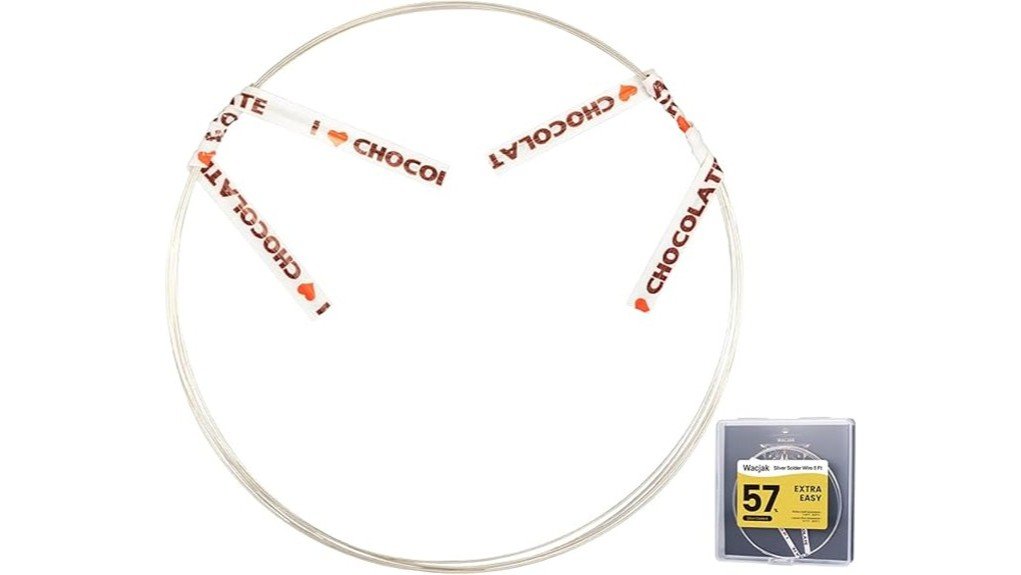
- Solder type: match to silver solder or brazing alloys. Check the filler’s melting range sits inside the flux range.
- Metals: it is described for precious metals and copper alloys. For stainless, aluminum or titanium, use a flux made for them.
- Cadmium-bearing filler: avoid it. Cadmium fumes are highly toxic, so choose cadmium-free solder.
- Jar size: check the size on the listing; a little goes a long way.
Check the current price on Amazon →
Pros and limitations
Pros
- Paste form is easy to control with a brush.
- Wide working range suited to silver soldering and brazing.
- Cleans up with hot water in most cases.
- Works across several non-ferrous metals.
Limitations
- Not an electronics flux and not for soft soldering.
- Overheated flux turns dark and stops protecting the joint.
- Brazing fluxes can release irritating fumes, so work with ventilation.
- The paste can thicken over time if the lid is left off.
How to use it and stay safe
- Degrease and clean the joint to bright metal.
- Brush a thin, even layer on both surfaces and on the filler if you are using chips or wire.
- Heat the whole assembly evenly, not just the filler. The flux should turn clear and glassy before the solder flows.
- Quench or pickle carefully, then rinse with hot water. Do not wire-brush hot flux glass.
- Keep the lid on, store the jar cool and dry, and stir in a few drops of distilled water if it stiffens.
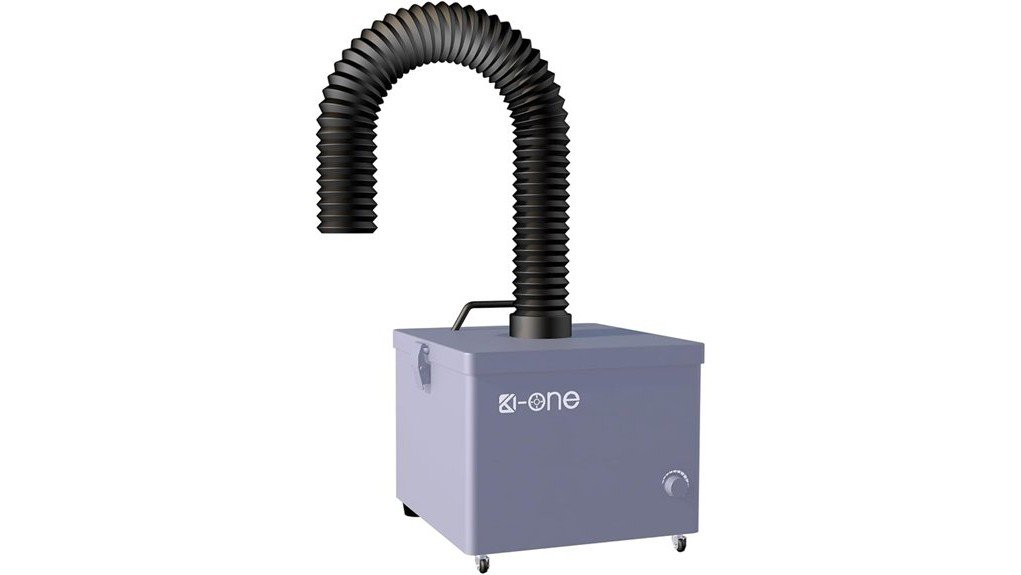
Wear safety glasses, keep fumes out of your face, and use a fume extractor or open ventilation. Do not heat flux near food or on surfaces used for food.
Alternatives and related guides
- AIEX silver solder wire: a filler wire that pairs with a paste flux
- Kodilin brazing torch kit: a torch to heat the joint
- brass brazing rods: a filler option for steel and copper brazing
- Peterson #1 Blue Flux: a powder flux for braze welding cast iron and steel
Frequently Asked Questions
Can I use Handy Flux for electronics soldering?
No. It is formulated for hard soldering and brazing at high temperatures. Electronics need a rosin or no-clean flux made for iron soldering, because brazing flux residue is corrosive if left on circuit boards and may leave deposits.
How do I remove the residue after soldering?
Let the piece cool slightly, then soak it in hot water or a jeweler’s pickle solution until the glassy flux dissolves. Scrub gently with a soft brush. Do not use abrasive pads on delicate finishes.
Is it safe to use indoors?
Brazing and silver-soldering flux can produce irritating fumes as it heats. Use it with strong ventilation or a fume extractor, wear eye protection, and avoid cadmium-bearing solder. Follow the jar’s safety information and the Safety Data Sheet.
Can I use it on steel or stainless?
The listing describes it for precious metals and copper alloys. Some paste fluxes also work on ferrous metals, but stainless and other difficult alloys usually need a flux made for them. Test on scrap or check the manufacturer’s guidance.
Final verdict
Handy Flux paste is a practical flux for silver soldering and small brazing jobs, where its brush-on paste and hot-water cleanup are convenient. Skip it for electronics. Check the current listing for jar size and details.
Check the current price on Amazon →