Disclosure: As an Amazon Associate, we earn from qualifying purchases. If you click a link on this page and make a purchase, we may receive a small commission at no extra cost to you.
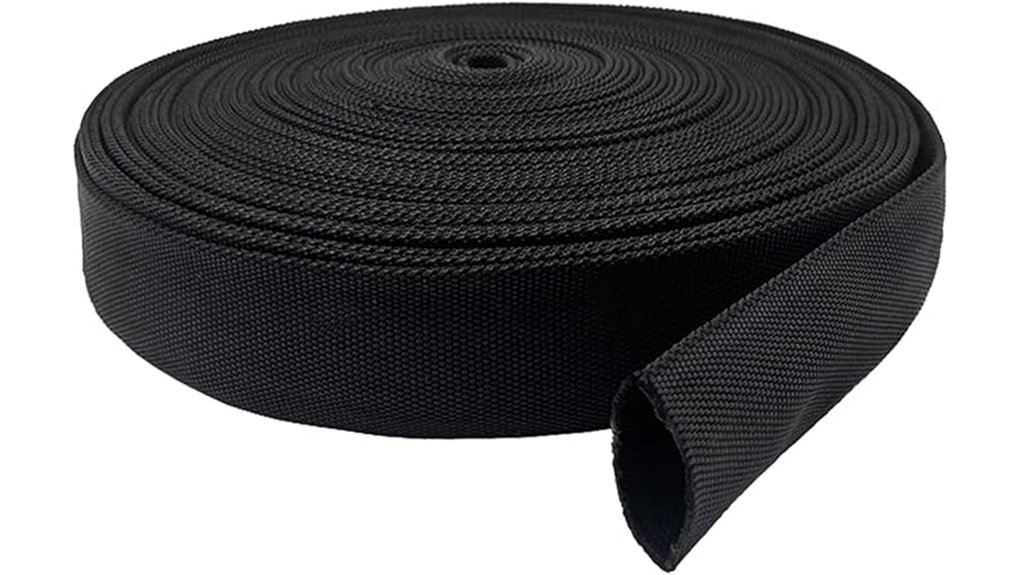
Exposed hoses and cables take a beating in a busy garage, welding area, or workshop. The GUXVFQ Nylon Protective Hose Sleeve is made to add a protective layer around plasma torch hose, stick welding cables, hydraulic hoses, wiring harnesses, and similar lines. It gives you a 1-inch inside diameter and 25 feet of black nylon sleeve that you can cut to fit your setup. This review helps you decide whether it is the right hose protection sleeve for your work area, especially if you need abrasion resistance but do not want a bulky hard cover.
Quick Verdict
Rating: 8.2/10, Recommended with caveats
Best For: Welders, mechanics, DIY users, and shop owners who need a cut-to-length sleeve for hoses, cables, and wiring.
Bottom Line: The GUXVFQ Nylon Protective Hose Sleeve is a practical choice if you want a flexible nylon barrier against rubbing, scuffs, and daily shop wear. The main limitation is that the listing does not publish a specific maximum temperature rating, so you should not treat it as a rated heat shield.
| Specification | Detail |
|---|---|
| Brand | GUXVFQ |
| Product Name | Nylon Protective Hose Sleeve Sheath Cable Cover Welding Tig Torch Hydraulic Hose |
| ASIN | B0B1PVPXX3 |
| Product Type | Protective hose and cable sleeve |
| Material | Nylon |
| Color | Black |
| Round Diameter | 25.4 mm / 1 inch ID |
| Length | 7.62 m / 25 ft |
| Flat Width | 4.29 cm / 1.69 inches |
| Listed Product Dimensions | 300"L x 1.69"W |
| Package Contents | 1-inch nylon protective hose sleeve, 25 ft length |
| Best Uses | Plasma torch hose, stick welding cables, hydraulic hoses, wiring harnesses, macerator tubing, and general cable protection |
| Warranty Listed | 24 months warranty |
| Safety Note | Listed as flame-retardant, but no specific maximum temperature rating is published on the accessible listing. |
What Is the GUXVFQ Nylon Protective Hose Sleeve?
The GUXVFQ Nylon Protective Hose Sleeve is a flexible nylon sheath designed to protect hoses, cables, and tubing from abrasion. Instead of replacing a hose or cable, you use this sleeve as an outer layer to reduce wear from dragging, rubbing, and contact with shop surfaces.
The verified listing identifies this version as the black 1-inch ID, 25-foot sleeve. It is made for users who need a customizable length rather than a short pre-cut cover. You can cut the sleeve to fit a plasma torch hose, hydraulic hose, wiring harness, macerator tubing, or a bundle of compatible cables.
Its main selling point is simple: it adds a durable nylon barrier without making the line feel as rigid as a hard plastic guard. That makes it useful for work areas where hoses need to bend, move, and route around equipment.
Before You Buy: Measure your hose or cable bundle before ordering. This version has a 1-inch inside diameter, so it may not slide easily over larger fittings, thick couplers, oversized cable bundles, or hoses with bulky ends.
Who Should Buy It?
Best For
- Welders who want extra protection around plasma torch hose or stick welding cables.
- Mechanics and DIY users who need abrasion protection for hydraulic hoses or wiring harnesses.
- Shop owners who prefer a 25-foot cut-to-length sleeve for multiple small protection jobs.
Skip If
- You need a sleeve with a published maximum temperature rating for direct heat exposure.
- Your hose or cable bundle is larger than 1 inch in diameter.
- You need a split-wrap design that can be installed without disconnecting either end of the line.
Material Quality and Build
The sleeve uses nylon material with a tightly woven design. That woven structure matters because it helps spread contact across the sleeve instead of exposing one small point of the hose to constant rubbing. For hoses that move across concrete floors, metal edges, tool carts, or equipment frames, that extra outer layer can reduce surface wear.
The listing describes the material as wear-resistant and flame-retardant. That is useful for welding and shop environments, but you should keep the claim in context. Flame-retardant does not mean fireproof, and it does not make the sleeve a substitute for proper heat shielding, safe cable routing, or replacing damaged hose.
The black finish also gives the sleeve a clean, low-profile look. It will not stand out like a bright spiral wrap, which may be a plus if you want a neater cable path around a machine or bench.
Protection Features and Benefits
The strongest reason to consider this hose sleeve is abrasion protection. Hydraulic hoses, torch hoses, and welding cables can rub against floors, machine corners, and metal brackets during normal use. A nylon sleeve gives that outer surface something else to wear against before the hose jacket or cable insulation takes the damage.
The 25-foot length gives you room to cover one long line or several shorter sections. You can trim it to the length you need, which helps if only part of the hose is exposed to wear. For example, you may only need protection near the floor, near a bend, or where the hose passes through a bracket.
The sleeve also helps with basic cable management. When you wrap or sleeve a group of compatible wires, you can reduce tangles and keep the run cleaner. That can make a work area easier to inspect and safer to move around, especially when multiple hoses and cables cross the same space.
Fit and Installation
This sleeve works best when you plan the fit before you cut. Start by measuring the outside diameter of the hose, cable, or bundle you want to protect. The sleeve is listed as 1 inch ID, so you want enough clearance to slide it into place without forcing it over fittings.
For a cleaner install, cut the sleeve slightly longer than the high-wear area you want to protect. That gives you a small overlap on both sides of the contact point. You can then secure the ends with a suitable tie, band, or fastening method that matches your application and does not damage the hose underneath.
Clean the hose surface before installation. Dirt, metal dust, grit, and oil can get trapped under any sleeve and continue rubbing against the hose jacket. A quick wipe-down helps the sleeve sit more evenly and reduces hidden abrasive contact.
Pro Tip: Before cutting the full sleeve, test a short piece over the hose end or fitting. If the fitting is too large, you may need to install the sleeve before reconnecting the hose or choose a larger ID size.
Compatibility and Safety
The product listing supports use with plasma torch hose, stick welding cables, hydraulic hoses, wiring harnesses, and macerator tubing. That makes it a versatile shop accessory, but compatibility still depends on size, routing, and the condition of the line you plan to cover.
Do not use a protective sleeve to hide a hose that is already cracked, leaking, badly kinked, or unsafe. A sleeve can help reduce future abrasion, but it does not repair pressure damage, electrical insulation failure, or heat damage. Replace compromised hoses and cables before adding any protective cover.
You should also avoid placing the sleeve where it will sit in direct flame, hot slag, sharp spatter, or moving machine parts. The listing states flame-retardant nylon, but it does not provide a specific temperature rating in the accessible product information. For high-heat or code-sensitive work, follow your equipment manual and use properly rated protection.
How It Performs in Real Use
For Plasma Torch Hoses
Plasma torch hoses often move across floors and around benches. This sleeve can help reduce outer jacket scuffing where the hose drags or bends around hard surfaces. It is most useful on sections that see repeated contact rather than parts that stay suspended or protected.
For Stick Welding Cables
Stick welding cables can take abuse in a garage or field setup. Adding the sleeve to high-wear sections may help protect the cable jacket from rough surfaces and light abrasion. It will not replace proper cable inspection, but it can reduce everyday wear in known trouble spots.
For Hydraulic Hoses
Hydraulic hoses often rub against frames, brackets, and moving equipment. The nylon sleeve works as a sacrificial outer layer in those contact zones. You still need to check the hose underneath during maintenance, especially if the hose carries pressure or works near moving parts.
For Wiring Harnesses and Tubing
For wiring harnesses or macerator tubing, the sleeve can help bundle and protect runs that pass through tight spaces. The 25-foot length gives you flexibility for longer cable paths or multiple small jobs. Just make sure the sleeve does not trap moisture, grit, or heat in a way that creates a new problem.
Common Mistakes to Avoid
One common mistake is choosing the sleeve by length only. The inside diameter matters just as much. If the sleeve is too tight, it may bunch, restrict movement, or become hard to position over fittings.
Another mistake is covering damage instead of fixing it. If a hose is already unsafe, the sleeve should not be used as a patch. Replace damaged lines, route them properly, and then use the sleeve to protect against future abrasion.
You should also avoid leaving rough cut ends loose in places where they can snag. After trimming, inspect the cut edge and secure the sleeve ends in a way that fits your equipment and does not pinch or damage the protected hose.
Pros and Cons
Pros
- 25-foot length lets you cut custom sections for different hoses or cables.
- 1-inch ID works well for compatible torch hoses, welding cables, tubing, and wire bundles.
- Nylon construction adds a flexible abrasion barrier without a hard plastic feel.
- Black woven design looks clean and helps with basic cable organization.
- Listed for several useful applications, including plasma torch hose, hydraulic hoses, and wiring harnesses.
Cons
- No specific maximum temperature rating is published on the accessible listing.
- May not fit over large couplers, fittings, or hose ends without disconnecting the line.
- Not a repair solution for cracked, leaking, burned, or electrically unsafe hoses and cables.
Is It Worth the Price?
The GUXVFQ Nylon Protective Hose Sleeve offers strong value if you need a simple, cut-to-length sleeve for shop use. It makes the most sense when you already know where your hoses or cables are rubbing and want to protect those areas before the outer jacket wears down.
It is also worth considering if you need one long sleeve that can cover several smaller jobs. The 25-foot length gives you more flexibility than a short pre-cut protector, especially if you work with a mix of cables, hoses, and tubing.
The main value limitation is the lack of a published maximum temperature rating. If your priority is certified heat protection, direct flame resistance, or high-temperature shielding, compare this with a rated welding cable cover, leather torch cover, or industrial hose sleeve that lists the exact standard you need.
How It Compares to Alternatives
Compared with spiral hose wrap, this nylon sleeve gives a cleaner full-cover look and can feel less bulky on straight runs. Spiral wrap may be easier to add to some already-installed hoses, especially when you cannot slide a sleeve over the end.
Compared with split braided cable sleeving, this hose sleeve is better suited to rough shop protection and larger hose-style applications. Compared with leather welding torch cable covers, it is usually more flexible and easier to cut, but leather-style covers may be better when heat and spatter exposure are the main concern.
Frequently Asked Questions
What size is the GUXVFQ Nylon Protective Hose Sleeve?
This version is listed as a 1-inch inside diameter sleeve with a 25-foot length. The product description also lists a flat width of 1.69 inches and a total length of 300 inches.
Can you cut the sleeve to a shorter length?
Yes. The listing describes it as easy to cut so you can trim it to match your hose, cable, or tubing section. Measure first, then leave a small overlap beyond the high-wear area when practical.
What can you use this nylon sleeve on?
The listing supports use on plasma torch hose, stick welding cables, hydraulic hoses, wiring harnesses, macerator tubing, and similar applications. Always confirm the diameter and routing before installation.
Is it flame-resistant?
The accessible listing describes the nylon material as flame-retardant. It does not publish a specific maximum temperature rating, so you should not use it as a rated heat shield or direct flame barrier.
Will it fit over hose fittings?
It may not fit over large couplers, thick fittings, or oversized hose ends. Test the fit before cutting your final length, and consider installing it before reconnecting the hose if your setup allows it.
How do you clean the nylon hose sleeve?
For light dirt, wipe it down with a damp cloth and mild soap, then let it dry fully. Avoid harsh solvents unless the product label or your equipment manufacturer says they are safe for the hose and sleeve materials.
Who should skip this hose sleeve?
Skip it if you need a certified high-temperature sleeve, a split-wrap protector, or a cover for hoses larger than 1 inch in diameter. You should also skip it as a repair method for damaged, leaking, or unsafe hoses.
The Bottom Line
The GUXVFQ Nylon Protective Hose Sleeve is a solid pick if you need a 1-inch ID, 25-foot nylon sleeve for abrasion protection around compatible hoses, welding cables, tubing, or wiring. It is best for users who want flexible cut-to-length coverage and should be skipped if you need a published temperature rating or a split-wrap design. Its biggest strength is practical abrasion protection, while its biggest limitation is that it should not be treated as a rated heat shield or repair sleeve.