Disclosure: As an Amazon Associate, we earn from qualifying purchases. If you click a link on this page and make a purchase, we may receive a small commission at no extra cost to you.
Dragging a hydraulic hose, TIG torch line, plasma torch hose, or welding cable across rough floors can wear through the outer surface faster than you expect. The uuvzvcek Nylon Protective Hose Sleeve gives you a simple way to add abrasion protection without switching to a rigid guard. This review helps you decide whether the 1.25-inch ID, 25-foot black sleeve is the right size and style for your workshop setup. It offers strong value for general hose and cable protection, but it is not a sealed chemical barrier or a substitute for dedicated high-temperature shielding.
Quick Verdict
Rating: 8/10
Best For: Welding cables, plasma torch hoses, TIG torch lines, hydraulic hoses, and workshop cable runs that need flexible abrasion protection
Bottom Line: This nylon sleeve is a practical add-on if you need a cut-to-fit protective cover that stays flexible around hoses and cables. It works best against scuffing, dust, and moderate shop wear, but it should not be treated as a chemical shield, rigid impact guard, or extreme heat barrier.
Key Specifications
| Specification | Detail |
|---|---|
| Brand | uuvzvcek |
| ASIN | B0BJKDVT1T |
| Product Type | Protective hose and cable sleeve |
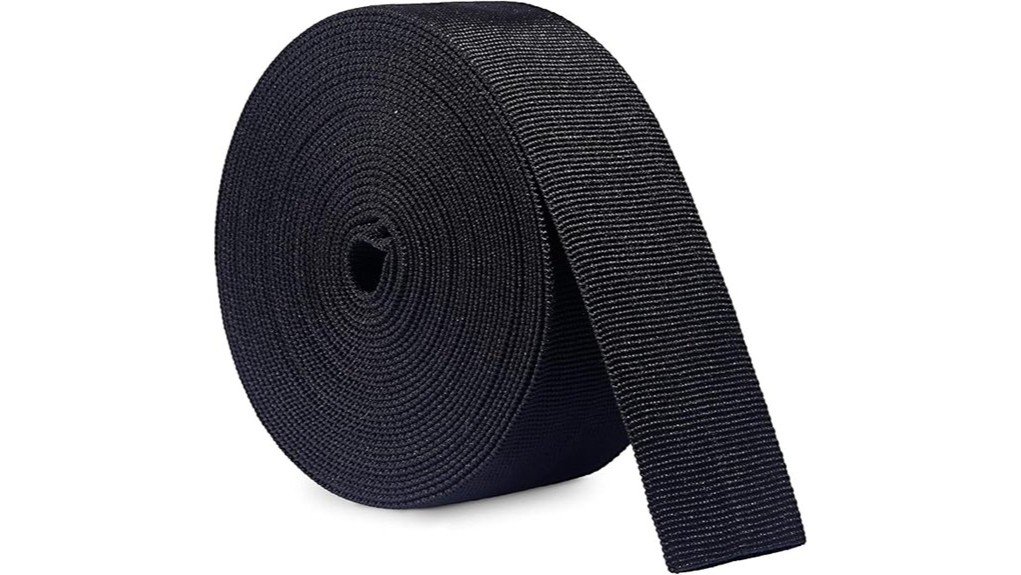
| Design | Cut-to-fit woven sleeve/sheath roll |
| Material | Nylon abrasive protective material |
| Color | Black |
| Nominal Inside Diameter | 1.25 inches, 31.75 mm |
| Flat Width | 2 inches, 50.8 mm |
| Length | 25 feet, 7.62 m |
| Unit Count | 25 feet |
| Package Includes | 1 nylon protective hose sleeve |
| Key Features | Abrasion resistance, flame-retardant nylon, dust protection, flexible hose coverage |
| Compatibility | Plasma torch hose, stick welding cables, hydraulic hoses, wiring harnesses, macerator tubing, and similar cable or hose runs |
| Available Size Variants | Multiple ID and length options may be listed, including 0.5 inch, 0.75 inch, 1 inch, 1.25 inch, 1.5 inch, 2 inch, 2.25 inch, and 2.5 inch variants |
| Warranty Note | 24 months listed in product details, with seller defect-refund language on the listing; confirm current terms before buying |
| Best Use | Reducing external wear on hoses and cables in workshops, welding areas, fabrication spaces, and equipment maintenance setups |
| Safety Note | Not a rigid impact guard, pressure-rated hose repair, chemical barrier, or dedicated high-temperature heat shield |
What Is the uuvzvcek Nylon Protective Hose Sleeve?
The uuvzvcek Nylon Protective Hose Sleeve is a black woven nylon sheath that slides over hoses, cables, and similar lines. The reviewed size has a 1.25-inch nominal inside diameter, a 2-inch flat width, and a 25-foot length, so you can trim it for several shorter runs or one longer protected section.
It is made for external protection, not internal hose repair. You use it when the outside of a hose or cable rubs against floors, metal edges, shop tables, equipment frames, or other lines during normal use.
The sleeve is most relevant for welding and maintenance environments because the listing highlights plasma torch hose, stick welding cables, hydraulic hoses, wiring harnesses, and macerator tubing. That makes it a broad utility product rather than a purpose-built sleeve for one single machine.
Fit and Compatibility
The 1.25-inch ID size works best when your hose or cable bundle is close to, but not larger than, that nominal diameter. You should measure the outside diameter of the hose, cable, or bundle before ordering because fittings, couplers, clamps, and bends can be wider than the line itself.
If your line is slightly smaller, the sleeve may feel loose unless you secure the ends with tape, heat-resistant ties, clamps, or another suitable fastener for your application. If your line is too large, installation can become difficult and the sleeve may bunch, stretch, or fail to cover the surface evenly.
Before You Buy: Measure the widest point of the hose or cable run, including fittings and bends. A 1.25-inch sleeve may not slide over bulky connectors unless you install it before final assembly or choose a larger size variant.
Build Quality and Material Protection
The main benefit is abrasion control. The woven nylon material adds a sacrificial outer layer, so friction damages the sleeve before it reaches the hose jacket or cable insulation.
This matters most when lines drag across concrete, rub against metal brackets, or sit near moving equipment. It can also help organize a messy cable run because the sleeve gathers loose lines into a cleaner, more protected bundle.
The listing describes the material as wear-resistant, flame retardant, soft, strong, and dustproof. Those claims make sense for light to moderate shop exposure, but they do not mean the sleeve can handle direct flame, welding arc contact, molten spatter, or extreme radiant heat.
Heat, Sparks, and Safety Limits
The flame-retardant nylon design gives you a useful safety margin in hot work areas, especially compared with an uncovered cable or hose jacket. It may help reduce surface damage from incidental spark exposure, dust, and everyday contact.
Still, you should treat it as protective sleeving, not as certified fireproof insulation. Keep hoses and cables away from direct flame, sharp slag, grinding spray, hot workpieces, and exhaust components whenever possible.
For hydraulic systems, do not use this sleeve to hide a damaged line. A worn, cracked, bulging, or leaking hydraulic hose needs proper inspection and replacement by a qualified person.
Ease of Installation and Daily Use
Installation is simple if the hose or cable has an open end. Cut the sleeve to your needed length, slide it over the line, position it over the high-wear area, and secure the ends so the sleeve does not walk during use.
The flexible woven design bends with the hose better than a rigid guard. That helps when you route torch leads, welding cables, or equipment lines around corners and under tables.
Cut edges can fray if you leave them unfinished. For cleaner results, use sharp shears and secure the ends after cutting, especially in high-movement areas.
Pro Tip: Cut the sleeve slightly longer than the wear zone, then secure both ends after installation. A small overlap near fittings helps protect the transition point where hoses and cables often rub first.
How to Use It Correctly
Measure Before Cutting
Measure the actual outside diameter of the hose or cable bundle, not only the tool or machine model. Add extra length for bends, movement, and any area that rubs against equipment.
Protect the Wear Zone First
Place the sleeve where abrasion happens most often, such as floor contact points, table edges, machine frames, and bundled cable sections. Covering the whole line looks cleaner, but protecting high-friction areas gives you the biggest practical benefit.
Secure the Ends
The sleeve performs better when it stays in place. Use a fastening method that matches your environment, and avoid anything that can melt, cut into the hose, or restrict normal movement.
Inspect It Regularly
The sleeve is meant to take wear, so visible scuffing is not automatically a problem. Replace it when the weave thins, tears, burns, or no longer covers the hose or cable evenly.
How It Performs in Real Use
For Welding and Fabrication Shops
In welding and fabrication areas, the sleeve helps protect torch hoses and welding cables from rough floors, table edges, and frequent dragging. It is especially useful when a cable path stays mostly the same each day.
For Hydraulic Equipment
On hydraulic hoses, it can reduce exterior scuffing where lines rub against frames, arms, brackets, or other hoses. It does not fix internal hose damage, pressure problems, or leaks.
For Cable Management
For wiring harnesses and cable bundles, the sleeve adds a cleaner outer cover and helps reduce dust buildup. It also keeps several smaller lines grouped together, which can make inspection and routing easier.
For Long-Term Shop Use
Over time, high-friction contact points may wear through the nylon. That is expected with a sacrificial sleeve, and it is better than wearing through the hose jacket or cable insulation first.
Who Should Buy It?
Best For
- Welders who want added protection for torch hoses and stick welding cables
- Maintenance teams protecting hydraulic hoses from exterior scuffing
- Workshop users who need flexible cable bundling and dust protection
Skip If
- You need a sealed chemical-resistant cover for solvents or corrosive fluids
- You need rigid impact protection against crushing, cutting, or sharp blows
- Your hose fittings are too large for a 1.25-inch sleeve to slide over cleanly
Pros and Cons
Pros
- 1.25-inch ID and 25-foot length suit many custom hose and cable protection jobs
- Woven nylon material adds a sacrificial layer against abrasion and scuffing
- Flexible sleeve design bends more naturally than rigid guards
- Cut-to-fit format helps you cover only the areas that need protection
- Useful for plasma torch hoses, stick welding cables, hydraulic hoses, wiring harnesses, and similar lines
Cons
- Not a chemical barrier, pressure-rated hose repair, or dedicated heat shield
- May fray at cut ends if you do not secure or finish the edges
- Large fittings may require installation before final hose or cable assembly
Care and Maintenance
Check the sleeve during normal hose or cable inspections. Look for thinning, holes, hard burns, loose ends, or spots where the sleeve has shifted away from the wear point.
For dusty shop use, wipe or shake off loose debris before it builds up around connectors. If the sleeve gets soaked with oil, solvent, or chemicals, remove it and inspect the hose underneath instead of assuming the cover protected everything.
Is It Worth the Price?
This sleeve sits in the budget-to-midrange category for protective workshop accessories. It is worth considering if your main goal is to reduce abrasion damage without buying a rigid cable ramp, molded guard, or custom hose protection system.
You get the most value when you have repeated wear in predictable spots, such as torch leads dragged across the same table edge or hydraulic hoses rubbing against a frame. It is less compelling if your real problem is chemical exposure, sharp impact, or heat beyond what nylon sleeving can handle.
How It Compares to Alternatives
Compared with rubber wraps, this nylon sleeve is usually more flexible and easier to route around bends. Rubber can offer better sealing in some setups, but it may trap heat and feel bulkier around moving lines.
Compared with spiral wrap, this woven sleeve gives fuller surface coverage once installed. Spiral wrap can be easier to add to a line without disconnecting anything, but it leaves more exposed gaps and may not look as clean on long straight runs.
Compared with rigid hose guards or cable ramps, this sleeve is lighter and easier to cut. Rigid guards make more sense when you need crush resistance, vehicle traffic protection, or hard impact protection.
Frequently Asked Questions
What size hose does the 1.25-inch sleeve fit?
It is listed with a 1.25-inch nominal inside diameter. Measure the outside diameter of your hose or cable bundle, including any thicker areas, before you buy.
Can I cut the sleeve to a shorter length?
Yes, the 25-foot sleeve can be cut to fit your project. Use a clean cutting tool and secure the ends to reduce fraying and movement.
Is it safe for welding cables and torch hoses?
The listing includes stick welding cables, plasma torch hose, and similar applications. Use it as abrasion protection only, and keep it away from direct flame, molten metal, and severe heat exposure.
Does it protect hydraulic hoses from leaks?
No. It helps protect the outside of a hydraulic hose from abrasion, but it does not repair leaks, cracks, bulges, or pressure damage.
Will it protect against chemicals or solvents?
It should not be used as a chemical barrier. If your hose or cable will face solvents, corrosive fluids, or chemical splash, choose protection rated for that exposure.
Can I reuse it after removing it?
You may be able to reuse it if the sleeve is still clean, intact, and not badly frayed. Replace it if the weave is worn, burned, torn, or contaminated.
What comes in the package?
The listing describes the package as one nylon protective hose sleeve. For this reviewed variant, the listed size is 1.25-inch ID by 25 feet long in black.
Who should skip this sleeve?
Skip it if you need crush resistance, sealed chemical protection, certified fireproof insulation, or a repair for a damaged pressure hose. It is best used as external abrasion protection on otherwise serviceable hoses and cables.
The Bottom Line
The uuvzvcek Nylon Protective Hose Sleeve is a smart buy if you want flexible, cut-to-fit abrasion protection for welding cables, plasma torch hoses, hydraulic hoses, or workshop wiring runs. Its strongest points are the 25-foot length, 1.25-inch ID size, woven nylon construction, and broad shop compatibility.
Skip it if you need chemical sealing, rigid impact protection, or certified high-heat shielding. For everyday hose and cable wear, it earns its 8/10 rating as a practical protective accessory with clear limits.
Ready to Buy?
Check the latest price, size options, and product details before you decide.