Disclosure: As an Amazon Associate, we earn from qualifying purchases. If you click a link on this page and make a purchase, we may receive a small commission at no extra cost to you.
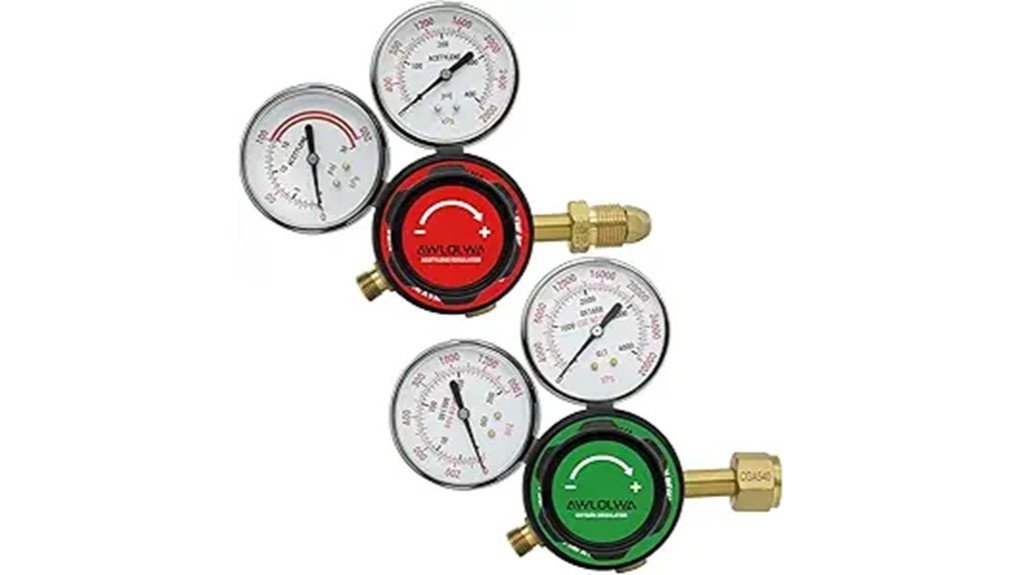
Gas control can make or break an oxy-acetylene setup. A regulator that drifts, leaks, or does not match your cylinder connections can lead to poor flame control and unsafe work conditions. This Oxygen & Acetylene Regulators set is built around CGA540 oxygen and CGA510 acetylene connections for medium-duty cutting, brazing, and repair work.
This review helps you decide if the set makes sense for your workshop, training setup, or DIY fabrication bench. Its main strengths are standard compatibility, adjustable pressure control, and simple twin-hose integration. The main tradeoff is that the article does not verify a premium brand, exact model number, or heavy industrial rating, so it is better suited to general use than precision production work.
Quick Verdict
Rating: 8/10
Best For: Hobby welders, repair shops, and medium-duty cutting or brazing setups that use CGA540 and CGA510 cylinders
Bottom Line: This regulator set is a practical choice when you need stable gas control with common oxy-acetylene connections. It is not the best fit if you need a verified premium brand, exact industrial calibration specs, or continuous production-duty durability.
| Specification | Detail |
|---|---|
| Product Type | Oxygen and acetylene gas regulator set |
| Brand | Not stated in the source article |
| Model | Not stated in the source article |
| Oxygen Connection | CGA540 |
| Acetylene Connection | CGA510 |
| Outlet Connection | Common 1/4 inch B fittings mentioned in the article |
| Setup Style | Standard twin-hose oxy-acetylene welding setup |
| Pressure Control | Adjustable pressure control for flame tuning |
| Safety Design | Backflow-prevention design described in the article |
| Best Use | Medium-duty cutting, brazing, learning, and workshop repair tasks |
| Not Designed For | Heavy industrial precision welding systems or propane use |
| Safety Note | Confirm cylinder connection standards before installation and follow the regulator, torch, and gas supplier instructions. |
What Is This Oxygen & Acetylene Regulator Set?
This oxygen and acetylene regulator set controls gas flow from welding cylinders into an oxy-acetylene torch system. It is described as compatible with CGA540 oxygen cylinders and CGA510 acetylene cylinders, which are common connection standards in many welding setups.
The set is made for users who need controlled flame output for cutting, brazing, and general repair work. You can adjust the pressure to match the task, which helps you move from lighter brazing work to more demanding cutting jobs without relying on one fixed flame setting.
The article does not verify a named brand, model number, material, gauge range, warranty, or certification. That does not automatically make the product a poor choice, but it does mean you should confirm those details on the Amazon page before buying.
Who Should Buy It?
Best For
- Hobby welders using standard CGA540 oxygen and CGA510 acetylene cylinders
- DIY repair users who need adjustable pressure for cutting and brazing work
- Training, shop, or garage setups where basic, predictable gas control matters most
Skip If
- You need a verified premium regulator brand with published industrial calibration specs
- Your cylinders do not use CGA540 oxygen and CGA510 acetylene connections
- You need a regulator for propane, natural gas, or another fuel gas setup
Key Features and Performance
Stable Gas Flow Control
The main job of this regulator set is to keep oxygen and acetylene flow steady enough for controlled flame work. Stable output matters because flame changes can leave rough cuts, weak brazed joints, or inconsistent heat on the workpiece.
For general workshop tasks, stable gas control helps you repeat the same flame setup across multiple cuts or joints. That makes the set more useful for repair work than a setup that forces constant pressure correction.
Adjustable Pressure Settings
The adjustable pressure design lets you control flame intensity based on the job. Lower pressure settings can help with lighter brazing tasks, while higher settings can support cutting thicker metal when your torch, tips, gas supply, and material are matched correctly.
This adjustability also helps beginners learn how pressure changes affect flame behavior. You still need to follow the torch tip chart and product instructions, because the regulator alone does not decide the correct pressure for every job.
Backflow Prevention Design
The article describes a safety-focused backflow-prevention design. That feature is important because reverse gas movement can damage equipment and create unsafe conditions in a torch system.
Do not treat this feature as a substitute for proper setup, inspection, or compatible safety devices required by your torch system. Check your hoses, torch, fittings, and regulator instructions before each use.
Standard Twin-Hose Compatibility
The set is described for standard twin-hose welding systems with common 1/4 inch B fittings mentioned in the source article. That can make installation easier if your current hoses and torch already use the same fitting style.
Compatibility still needs a physical check. Thread type, fitting condition, hose rating, and gas type all matter, so confirm your full setup before connecting the regulators to active cylinders.
Compatibility and Safety Notes
This regulator set makes the most sense when your oxygen cylinder uses CGA540 and your acetylene cylinder uses CGA510. Those two connection details are the most important fit checks in this review because the wrong connection can prevent proper sealing or create a serious safety risk.
Before You Buy: Confirm your cylinder valve connections before ordering. This set is described for CGA540 oxygen and CGA510 acetylene, and it should not be used as a propane regulator.
Also check your hose type, torch connection, and required safety accessories. A regulator is only one part of the oxy-acetylene system, so the rest of the setup must match the gas, pressure range, and fittings you plan to use.
Setup Tips Before First Use
Inspect the regulator body, gauges, threads, and fittings before you connect it. Do not use a regulator that shows damaged threads, cracked gauges, missing parts, or signs of previous impact.
Open cylinder valves slowly and make pressure changes in small steps. Sudden pressure changes can make flame control harder and may stress fittings or gauges.
After connecting the regulator, test for leaks using the method recommended by your gas supplier or equipment instructions. Never guess with fuel gas connections, and stop using the setup if you smell gas, hear leaking, or see pressure drop without a clear reason.
Pro Tip: Match your pressure setting to the torch tip chart, not just the material thickness. Tip size, hose length, gas supply, and the job type all affect safe flame setup.
How It Performs in Real Use
For Cutting Work
The regulator supports stable oxygen flow, which helps you maintain a more consistent cutting flame. That matters most when cutting thicker metal, where pressure swings can create jagged edges or slow the cut.
For Brazing Tasks
Lower pressure control helps you tune a softer flame for brazing joints. This can reduce overheating on thinner materials and give you more control around small joints or repair areas.
For Workshop Repairs
In a repair shop or garage, the set is most useful for repeat tasks that need predictable gas control rather than advanced calibration. It fits users who need a practical regulator set for occasional cutting, heating, and brazing work.
For Learning and Training
Beginners can use the adjustable controls to see how pressure affects flame behavior. Training still needs supervision, correct PPE, leak checks, and careful instruction because oxy-acetylene equipment can be hazardous when used incorrectly.
Pros and Cons
Pros
- Compatible with CGA540 oxygen and CGA510 acetylene cylinders as described in the article
- Adjustable pressure control helps you tune the flame for cutting and brazing tasks
- Stable gas flow can improve consistency during repeated workshop repairs
- Works with standard twin-hose setups using common 1/4 inch B fittings mentioned in the article
- Backflow-prevention design adds a useful safety-focused feature
Cons
- Brand, model number, gauge range, warranty, and certifications were not verified from the source article
- Not intended for heavy industrial precision welding systems
- Requires correct cylinder, hose, fitting, and torch compatibility to use safely