Disclosure: As an Amazon Associate, we earn from qualifying purchases. If you click a link on this page and make a purchase, we may receive a small commission at no extra cost to you.
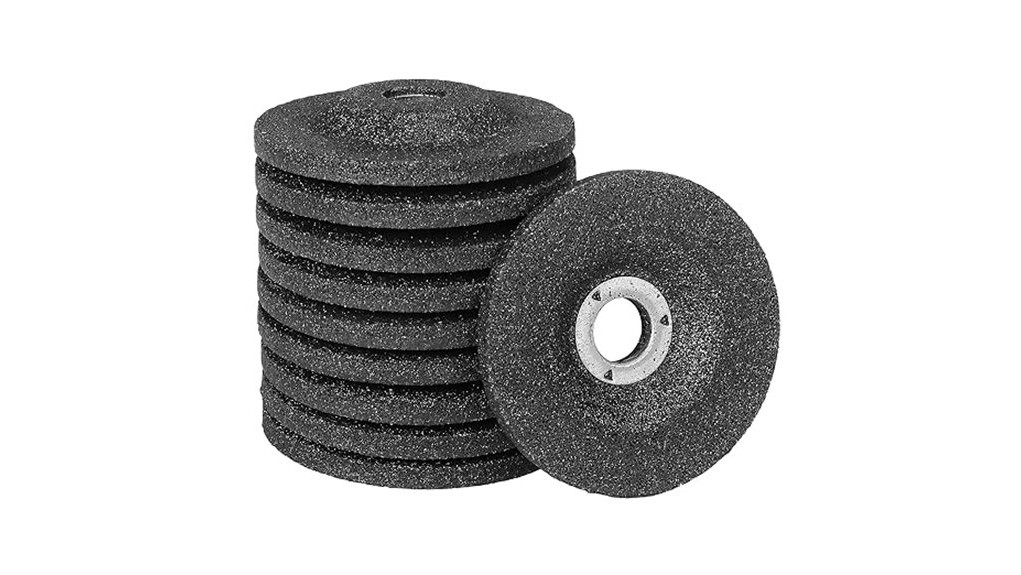
Small grinding jobs can be frustrating when a full-size wheel cannot reach the work area or gives you too much contact surface. The 10Pack 2 Inch Grinding Wheel is made for compact grinding, rust removal, deburring, welding cleanup, and detail polishing when you use a compatible 3/8-inch mini angle grinder or die grinder. This review helps you decide if its 2-inch size, 3/8-inch arbor, and 20,000 RPM maximum speed fit your work style. It is a practical choice for detail work, but it is not the right wheel for large surface removal or tools that do not match the arbor and speed rating.
Quick Verdict
Rating: 7.6/10, Recommended with caveats
Best For: Detail grinding, rust removal, welding blend work, and small metal finishing tasks.
Bottom Line: The compact 2-inch design helps you work in tight areas where larger wheels feel clumsy. The tradeoff is limited coverage per pass, so it makes more sense for detail work than heavy material removal.
| Specification | Detail |
|---|---|
| Product name | 10Pack 2 Inch Grinding Wheel |
| Product type | Small grinding wheel set |
| Count or quantity | 10-pack |
| Outside diameter | 2 inches, or about 51 mm |
| Arbor size | 3/8 inch, or about 9.5 mm |
| Working thickness | 1/6 inch |
| Maximum speed | 20,000 RPM |
| Tool compatibility | 3/8 mini angle grinders and die grinders |
| Supported uses | Rust removal, welding blending, metal polishing, deburring, sanding, tile grinding, marble work, and wood touch-ups as listed in the source article |
| Safety note | Use only with a compatible tool, stay within the wheel speed rating, and follow your grinder manual and wheel label. |
What Is the 10Pack 2 Inch Grinding Wheel?
The 10Pack 2 Inch Grinding Wheel is a compact wheel set for small grinding and surface-prep jobs. Its 2-inch diameter gives you better access around corners, weld edges, brackets, and small metal parts where a larger wheel may remove too much material or hit nearby surfaces.
The article-supported specs point to a 3/8-inch arbor, 1/6-inch working thickness, and a 20,000 RPM maximum speed. Those details make compatibility the most important buying check. You need a grinder or die grinder that accepts the 3/8-inch arbor and operates within the wheel rating.
Key Takeaways
- The 10-pack format gives you replacement wheels for repeated rust removal, polishing, and deburring tasks.
- The 2-inch size is best for precision work in tight spaces rather than broad surface grinding.
- The 3/8-inch arbor is a key compatibility detail, so confirm your grinder or die grinder before buying.
- The 20,000 RPM maximum speed supports fast work, but your tool must not exceed the wheel rating.
- The wheel is most useful for metal touch-ups, welding blend work, tile grinding, and small finishing jobs.
Who Should Buy It?
Best For
- You use a 3/8-inch mini angle grinder or die grinder for small repair work.
- You need a compact wheel for rust spots, weld cleanup, deburring, and detail polishing.
- You want a 10-pack so you can replace worn wheels during repeated shop tasks.
Skip If
- Your grinder does not accept a 3/8-inch arbor.
- You need a large wheel for fast surface removal across wide panels.
- Your tool speed exceeds the wheel’s 20,000 RPM maximum rating.
Before You Buy: Check both arbor size and RPM rating before mounting these wheels. A small wheel can still be unsafe if it is used on the wrong tool, mounted poorly, or pushed beyond its stated speed limit.
Performance and Specifications
The strongest performance point is the combination of small diameter and high speed rating. A 2-inch wheel gives you more control near weld beads, corners, and narrow metal edges, while the 20,000 RPM maximum speed supports quick surface work when paired with a suitable grinder.
The 1/6-inch working thickness makes the wheel useful for light grinding, blending, and finishing. It is not the best choice for aggressive stock removal because the small face covers less area. You will get better results when you use it for controlled passes instead of forcing it through heavy material.
The article lists uses across metal, stainless steel, tile, marble, and wood. That range can be useful, but material choice still matters. Match the wheel to the workpiece, use light pressure, and stop if the wheel chatters, overheats, loads up, or leaves an uneven finish.
Design Features and Compatibility
The compact 2-inch size is the main design advantage. It helps you reach small brackets, tight seams, bolt areas, and curved surfaces where larger wheels can feel awkward. This makes the set better for repair work, fabrication cleanup, and detail finishing than for broad grinding.
The 3/8-inch arbor is the detail you should verify first. A wheel that does not match your tool’s arbor can wobble, mount incorrectly, or fail during use. Do not modify the wheel or tool to force a fit.
The wheel is described for 3/8 mini angle grinders and die grinders. That gives it a narrower compatibility range than general grinding discs. If your setup uses a different arbor size, spindle type, guard setup, or attachment method, choose a wheel made for that tool.
Materials and Build Quality
The source article describes the wheel set as durable and suited for industrial-grade applications. In practical terms, the build needs to handle edge contact, surface abrasion, and repeated start-stop use without breaking down too quickly.
Because the article does not verify the exact abrasive material, bond type, or reinforcement details, you should treat those as unknown before buying. That does not make the product unusable, but it does mean you should review the product label and listing photos closely if you need a specific abrasive grade for stainless steel, tile, or specialty metal work.
Applications and Usage Instructions
The best use cases are small-area rust removal, welding blend work, deburring, sanding, and metal polishing. The wheel’s size gives you control when you need to clean an edge or smooth a tight spot without touching nearby surfaces.
For best results, mount the wheel on a compatible 3/8-inch mini angle grinder or die grinder. Let the tool reach speed before touching the surface, then use steady, light pressure. Heavy pressure can shorten wheel life, heat the workpiece, and make the finish harder to control.
Keep the workpiece stable, hold the grinder with both hands when the tool design allows it, and use the guard and safety equipment recommended by your tool manual. Grinding can create sparks, dust, and loose debris, so eye protection, hand protection, and a suitable mask or respirator matter.
Pro Tip: Start with a light touch and make several short passes. This gives you better control, helps the wheel last longer, and reduces the chance of gouging small metal parts.
How It Performs in Real Use
For Rust Removal
The 2-inch face works well for spot rust on brackets, small panels, edges, and hardware. You can focus on the damaged area without grinding far beyond the rust. For heavy rust across a large surface, a larger wheel or different abrasive may finish the job faster.
For Welding Blend Work
The wheel can help smooth weld edges and blend small weld areas after the main bead cleanup. Its compact size gives you control near corners and narrow joints. It is better for touch-up blending than for removing large weld build-up.
For Tile, Marble, or Detail Surface Work
The article lists tile and marble among possible uses, which makes the wheel worth considering for small grinding or shaping tasks. Use extra caution on brittle materials because small wheels can still chip edges if you apply uneven pressure. Test on scrap material when possible.
For Tight-Space Repair Jobs
This is where the product makes the most sense. A small wheel can reach around frames, brackets, tabs, and confined shop projects that a full-size wheel may not handle cleanly. The tradeoff is slower coverage, so plan on more passes for larger areas.
Common Mistakes to Avoid
- Ignoring arbor size: Confirm the 3/8-inch arbor matches your tool before mounting.
- Exceeding the speed rating: Do not use the wheel on a grinder that runs above 20,000 RPM.
- Using too much pressure: Let the abrasive do the work. Heavy force can damage the wheel and surface.
- Skipping protective gear: Grinding debris, sparks, and dust can cause injuries.
- Expecting large-wheel coverage: This is a detail wheel, not a fast solution for wide panels.
Compatibility and Safety
Compatibility is not optional with grinding wheels. The wheel must match the tool’s arbor, guard setup, mounting method, and speed range. If any of those details do not match, choose a different wheel instead of improvising.
Before each use, inspect the wheel for cracks, chips, warping, or unusual wear. Do not use a damaged wheel. Secure the workpiece, keep bystanders away from the spark path, and follow the safety instructions from the grinder manufacturer and wheel packaging.
Because this wheel may be used on metal, tile, marble, and wood surfaces, dust control also matters. Some materials can create fine dust during grinding. Work in a ventilated area and use protection suited to the material you are grinding.
Pros and Cons
Pros
- Compact 2-inch size helps with tight-space grinding and small repair work.
- 20,000 RPM maximum speed supports fast surface prep with a compatible tool.
- 3/8-inch arbor detail makes it easy to check fit before buying.
- 10-pack format gives you backup wheels for repeated tasks.
- Useful for rust removal, deburring, welding blending, and polishing small metal areas.
Cons
- Limited compatibility if your grinder does not use a 3/8-inch arbor.
- Small wheel face is slower for large flat surfaces.
- Exact abrasive material and reinforcement details are not confirmed in the source article.
Is It Worth the Price?
This grinding wheel set offers strong value for the price if you need small wheels for detail work and already own a compatible grinder. The 10-pack format is useful because abrasive wheels wear down, especially when you use them on rust, welds, and hard edges.
The most value goes to buyers who do small repairs, fabrication cleanup, and repeated surface-prep tasks. It is not the best fit if you need fast material removal across large metal sheets, thick welds, or broad tile surfaces.
How It Compares to Alternatives
Compared with larger angle-grinder wheels, this 2-inch set gives you better access and control in confined areas, but it covers less surface per pass. Compared with flap discs, it may feel more direct for grinding and deburring, while flap discs often feel smoother for finishing broad surfaces.
Rotary tool sanding drums can be easier for very delicate work, but they usually remove material more slowly. The 10Pack 2 Inch Grinding Wheel makes the most sense when you want a small wheel that still feels more capable than light-duty rotary accessories.
Frequently Asked Questions
What tools are these 2-inch grinding wheels compatible with?
The article states that they are designed for 3/8 mini angle grinders and die grinders. Check your tool’s arbor size, mounting method, guard setup, and maximum RPM before using them.
Can I use them for cutting metal?
The article focuses on grinding, rust removal, deburring, sanding, welding blending, and polishing. Do not use them as cutting wheels unless the product label or manufacturer instructions specifically allow cutting.
How long does each grinding wheel last?
Wheel life depends on material hardness, pressure, tool speed, and how often you use it. Light rust removal and touch-up work usually wear a wheel more slowly than heavy grinding on hard edges.
Is the 20,000 RPM rating safe for any grinder?
No. Your grinder must be compatible with the wheel and should not exceed the wheel’s maximum speed rating. You should also follow the tool manual, use the correct guard, and inspect the wheel before each use.
Are these wheels good for large grinding jobs?
They are better for detail work than large surface coverage. If you need to remove material from a wide panel or long weld, a larger wheel or another abrasive may save time.
Can I use these wheels without a grinder?
No. These wheels need a compatible powered tool that can mount them correctly and control the wheel safely. Handheld use without the proper grinder setup is not recommended.
What safety gear should I use while grinding?
Use eye protection, gloves, and dust protection suitable for the material you are grinding. Keep sparks away from flammable materials and follow your grinder’s manual for guard and handling instructions.
Who should skip this 10-pack?
Skip it if your grinder does not fit a 3/8-inch arbor or if you need a wheel for wide, aggressive grinding. You should also choose another option if you need a verified abrasive material or a specific wheel certification not shown in the article.
The Bottom Line
The 10Pack 2 Inch Grinding Wheel is worth considering if you need compact wheels for rust removal, small metal polishing, welding blend work, and tight-space grinding with a compatible 3/8-inch tool. Its main strength is precision access, while its main limitation is slower coverage on large surfaces. Skip it if your tool does not match the arbor and speed rating, or if you need confirmed abrasive material details before buying.