Disclosure: As an Amazon Associate, we earn from qualifying purchases. If you click a link on this page and make a purchase, we may receive a small commission at no extra cost to you.
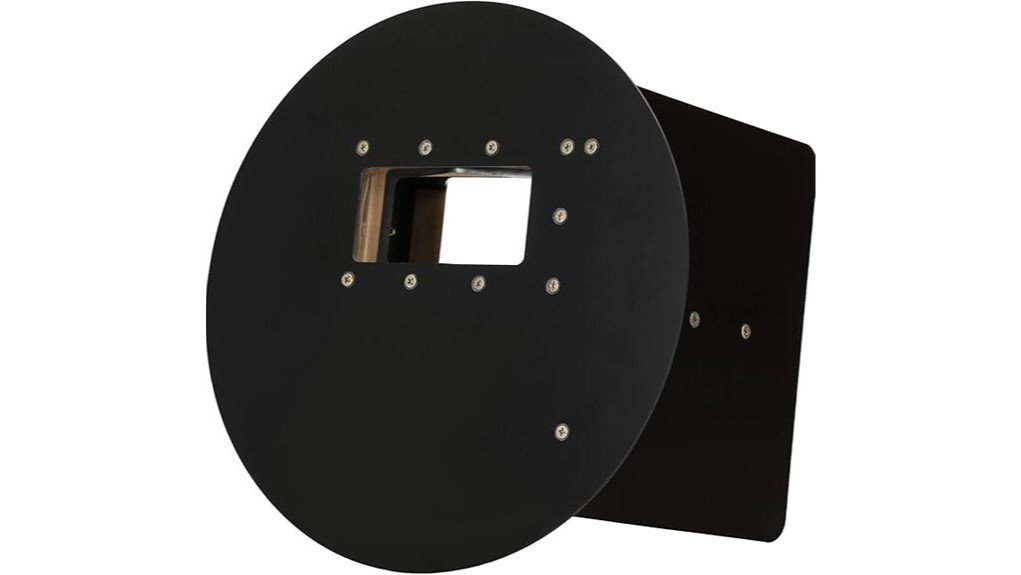
Welding helmets can feel heavy fast, especially when you spend long sessions around pipe joints, overhead welds, or tight shop positions. The Pancake Welding Hood Helmet is built for welders who want a lighter, simpler hood without switching to a bulky digital helmet. It uses fire-resistant PA material, foam padding, a 2 x 4.25 plug-in lens slot, and adjustable wooden brackets to support a close, low-profile fit. This review helps you decide whether its comfort-first design fits your work style, or whether you need a more advanced auto-darkening helmet.
Quick Verdict
Rating: 7.8/10, Recommended with caveats
Best For: Pipe welders, light to medium fabrication work, and users who prefer a low-weight manual hood
Bottom Line: The helmet makes sense if you want a compact pancake-style hood that reduces neck strain and keeps the fit simple. The tradeoff is that performance depends heavily on the lens you install, and it does not replace a full-featured electronic welding helmet.
| Specification | Detail |
|---|---|
| Product Name | Pancake Welding Hood Helmet |
| Product Type | Pancake-style welding hood helmet |
| Design | Low-profile manual hood for close-position welding work |
| Material | PA material with fire-resistant insulated panels |
| Weight | Approximately 1.5 lbs |
| Lens Slot | Standard 2 x 4.25 plug-in lens slot |
| Lens Type | Manual lens use, with compatibility depending on the installed 2 x 4.25 lens |
| Padding | High-density foam padding |
| Fit System | Adjustable wooden brackets |
| Best Use | Pipe welding, overhead work, tight positions, and light to medium fabrication |
| Safety Note | Use a proper welding lens for your process and follow workplace safety requirements |
What Is the Pancake Welding Hood Helmet?
The Pancake Welding Hood Helmet is a compact welding shield made for welders who prefer a simple, close-fitting hood. Its pancake-style shape helps keep the profile smaller than many full-shell welding helmets, which can help when you work around pipes, corners, or tight weld positions.
The article-supported details point to a lightweight build of about 1.5 lbs, fire-resistant PA material, high-density foam padding, and adjustable wooden brackets. Those features focus on comfort and fit rather than electronics, so this hood is best for users who already understand manual lens selection.
The 2 x 4.25 plug-in lens slot gives you flexibility, but it also places more responsibility on your lens choice. A good lens can improve usability, while a poor or wrong-shade lens can make the hood unsafe or frustrating.
Before You Buy: This helmet is designed around manual lens use. Do not buy it expecting built-in auto-darkening electronics, digital controls, or the adjustment range of a full industrial welding helmet.
Key Design and Build Features
Lightweight Construction
At roughly 1.5 lbs, the helmet is built to reduce neck strain during long sessions. That lower weight can matter during pipe welding, overhead work, or repeated tack-and-weld cycles where you hold your head in one position for long periods.
The lighter build is also the main reason to consider this hood over a bulkier electronic model. The tradeoff is that you give up built-in controls and rely more on the lens and your setup.
Fire-Resistant PA Material
The helmet uses PA material with fire-resistant insulated panels. This gives the hood a practical protective shell for sparks and heat exposure during normal welding tasks.
It still should not be treated as a substitute for a complete welding safety setup. You should pair it with the right lens, gloves, sleeves, respirator or ventilation setup where needed, and any protection required by your shop or jobsite.
Adjustable Wooden Brackets
The adjustable wooden bracket system lets you fine-tune how the hood sits against your face. This matters because pancake hoods work best when they sit stable, close, and balanced.
Wooden brackets can feel simple compared with ratcheting headgear, but that simplicity is part of the appeal. Once adjusted well, the hood can stay steady without adding bulky hardware around your head.
High-Density Foam Padding
The high-density foam padding helps reduce pressure points where the hood contacts your face. This can make the helmet easier to wear during longer work sessions, especially if you dislike hard contact points from standard helmet shells.
Foam fit can vary by face shape, so expect some trial and error. If the seal feels uneven, adjust the brackets before judging the comfort.
Pro Tip: Set the wooden brackets in small steps before your first full welding session. A minor fit change can reduce face pressure and help keep the lens angle more consistent.
Compatibility and Lens Options
The standard 2 x 4.25 plug-in lens slot is one of the most useful details on this helmet. It lets you use a compatible passive lens or a compatible 2 x 4.25 auto-darkening insert, depending on your preferred setup.
This flexibility helps if you already own lenses in that size. It also means the hood itself is only part of the safety and visibility equation. Lens shade, lens quality, cover lens condition, and proper installation all affect how well the helmet performs.
Before welding, confirm that the lens is seated properly and matches your welding process. A loose, damaged, scratched, or wrong-shade lens can reduce visibility and protection.
Material Safety and Comfort
This helmet touches your face through its foam padding and bracket-supported fit, so comfort depends on more than weight alone. The foam needs to sit evenly, and the hood should not press hard against one side of your face.
The PA shell and insulated panels are useful for basic heat and spark protection, but the product details provided do not confirm any specific safety certification. If your workplace requires a listed standard, confirm that requirement before you use this hood on the job.
You should also inspect the hood before use. Do not weld with cracked material, loose brackets, damaged padding, or a lens that does not stay secure in the slot.
Setup Tips Before First Use
Start by checking the lens slot and installing the correct 2 x 4.25 lens for your welding process. Make sure the lens and any cover lens sit flat, with no movement when you tilt or move the hood.
Next, adjust the wooden brackets while wearing the same cap, beanie, or head covering you normally use. This gives you a more realistic fit than adjusting it bareheaded and then changing your setup later.
Finally, test the hood position before striking an arc. The lens should align naturally with your eye line, and the foam should not create a painful pressure point on your cheek, nose, or temple.
How It Performs in Real Use
Pipe Welding Work
The low-profile shape is the biggest advantage for pipe welding. When you need to work near tight joints or awkward angles, a smaller hood can give you better clearance than a large full-shell helmet.
The manual setup also suits welders who prefer fewer moving parts. You get a simple hood, but you must choose and manage the right lens yourself.
Overhead and Position Welding
The 1.5 lb weight helps during overhead welding because your neck and shoulders do less work holding the helmet in place. This does not make overhead welding easy, but it can reduce fatigue compared with heavier helmets.
The foam padding also helps during position work because the hood stays in contact with your face. If the brackets are poorly adjusted, though, pressure can build quickly.
Shop Fabrication
In a controlled shop, this helmet works best for welders who repeat similar tasks and already know their preferred shade level. The simple design keeps the focus on fit, weight, and lens placement.
It may feel limited if your work changes often between processes, amperage ranges, or lighting conditions. In that case, a quality auto-darkening helmet may save time.
Long Welding Sessions
Long sessions benefit most from the lower weight and foam padding. The helmet can be easier to tolerate when you spend hours moving between weld positions.
The main comfort risk is uneven adjustment. Take time to set the wooden brackets correctly, because small fit issues become more noticeable as the session continues.
Who Should Buy It?
Best For
- Pipe welders who need a low-profile hood for tight work areas
- Fabricators who want lighter head protection for overhead or position welding
- Users who prefer a simple manual lens setup over electronic controls
Skip If
- You need built-in auto-darkening controls and sensitivity settings
- You need verified certification details for a strict jobsite requirement
- You prefer ratcheting headgear over a bracket-based pancake hood fit
Pros and Cons
Pros
- Approximately 1.5 lb weight helps reduce neck fatigue during long sessions
- Low-profile pancake shape suits pipe welding and tight positions
- 2 x 4.25 lens slot supports common plug-in lens setups
- Fire-resistant PA material provides practical spark and heat shielding
- Foam padding and wooden brackets allow a more customized face fit
Cons
- No built-in auto-darkening electronics or digital shade controls
- Performance depends on the quality and shade of the lens you install
- Wooden bracket fit may require trial and error before it feels right
Want to compare current product details?
Is It Worth the Price?
This helmet fits a practical mid-range buying mindset because it focuses on comfort, weight, and simple lens compatibility instead of premium electronics. It is worth considering if you want a compact hood for pipe welding or repeated position work.
You get the most value from it if you already understand manual lens selection and want a lighter setup. It is not the best fit if you need advanced shade controls, verified jobsite certification details, or a helmet that works well across many welding processes without manual lens changes.
How It Compares to Alternatives
Compared with larger auto-darkening helmets from brands like Lincoln Electric or Miller, this pancake-style helmet is lighter and more compact. Those electronic helmets may be better if you need adjustable shade, sensitivity, delay settings, or a wider viewing area.
Compared with basic passive welding helmets, this model stands out most for its pancake shape, foam padding, wooden bracket fit, and 2 x 4.25 lens slot. It makes the most sense when low weight and tight-position access matter more than built-in controls.
Frequently Asked Questions
Is this helmet suitable for beginners?
It can work for beginners who are learning with proper instruction, but it is not the easiest option for every new welder. You need to understand lens shade selection because the hood does not include built-in auto-darkening controls.
How heavy is the Pancake Welding Hood Helmet?
The article-supported weight is approximately 1.5 lbs. That lower weight is one of its main advantages for overhead work, pipe welding, and long sessions.
What lens size does it use?
It uses a standard 2 x 4.25 plug-in lens slot. Confirm your lens size before ordering replacement lenses or cover lenses.
Can I use an auto-darkening lens with it?
You may be able to use a compatible 2 x 4.25 auto-darkening insert, depending on the lens design. The helmet itself does not include built-in auto-darkening electronics, so check lens fit and safety requirements before welding.
Is it comfortable for long welding sessions?
The 1.5 lb weight and foam padding support long-session comfort better than many heavier helmet designs. Comfort still depends on bracket adjustment and how evenly the foam sits against your face.
Who should skip this welding hood?
Skip it if you need built-in digital controls, a wide viewing area, or verified certification details for a specific workplace rule. It is also not ideal if you dislike bracket-based fit systems.
What common mistake should you avoid?
The biggest mistake is treating the hood and lens as one complete safety system without checking the lens. Always install the correct shade and inspect the lens, padding, brackets, and shell before welding.
The Bottom Line
The Pancake Welding Hood Helmet is a solid choice for welders who want a lightweight, low-profile hood for pipe work, tight positions, and light to medium fabrication. Its main strengths are the 1.5 lb build, foam padding, wooden bracket fit, and 2 x 4.25 lens compatibility.
You should skip it if you need built-in auto-darkening electronics, verified certification details, or a more adjustable industrial helmet system. For the right user, the 7.8/10 verdict fits because the hood offers practical comfort with clear limitations.