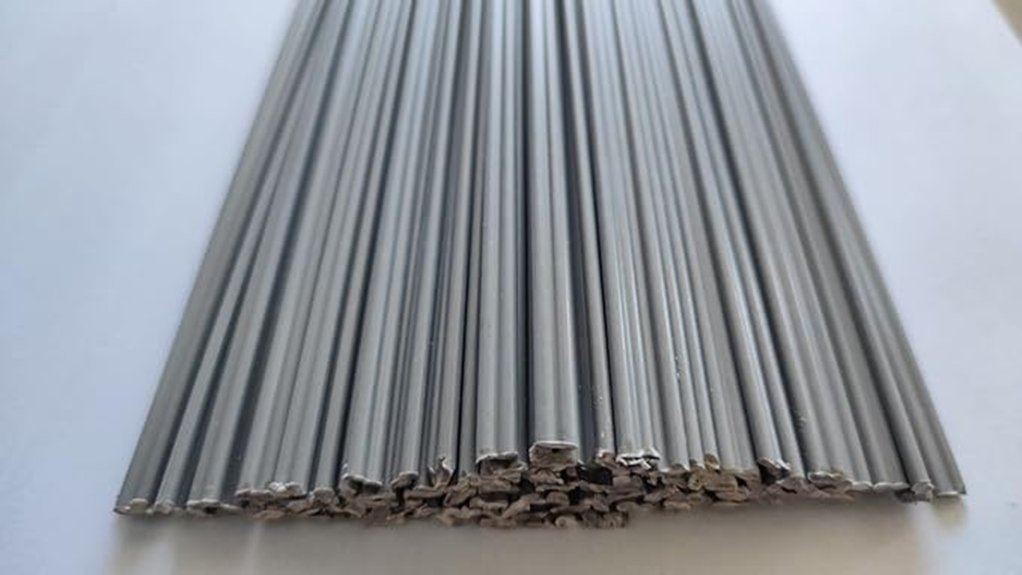
The SUYWT 50pcs plastic welding rods are a bundle of PVC filler rods for hot air plastic welding. They suit repairs and fabrication in PVC sheet, fittings and similar PVC parts, provided you already own a hot air welder or plastic welding gun. They will not bond well to bumpers made of PP or ABS, so match the rod to the plastic first. This review is based on the Amazon listing, not hands-on testing.
50pcs plastic welding rods: quick verdict
Buy them if you weld PVC and want a large supply of filler rod. Skip them if your part is PP, PE, ABS or an unknown plastic, because a PVC rod will not fuse to those. The listing is also inconsistent about size, so check the dimensions before you order.
Specs from the listing
| Item | Detail |
|---|---|
| Brand | SUYWT |
| Quantity | 50 rods |
| Material | PVC, per the listing |
| Rod size | Description mentions about 3.2 mm diameter and 1 m length; the listed package size is 6.93 x 6.46 inches, so confirm the real rod length |
| Weight | 5.6 oz, per the listing |
| Claims | Resistant to wear, acids and corrosion; non-toxic |
| Not included | Hot air welder or plastic welding gun |
Treat the chemical-resistance and non-toxic claims as seller statements. Welding PVC releases fumes, so ventilation still matters.
What PVC welding rods are used for
- Welding PVC sheet and fabricating tanks or ducting
- Repairing PVC pipe fittings and trim, where the part is not pressure-rated
- Making plastic strip products and containers from PVC
For pressurized lines, chemical tanks or anything safety critical, follow the part maker or a qualified fabricator instead of a DIY repair.
How to weld PVC with hot air
- Confirm the part is PVC. Look for a recycling mark or check the maker.
- Clean and dry the surface, then bevel the joint into a V.
- Set the hot air welder to the temperature the tool maker gives for PVC and test on scrap.
- Feed the rod at a steady angle with light pressure so it softens along with the base plastic.
- Let the joint cool fully before you move or load it.
Practice on offcuts first. Burnt or brown plastic means the heat was too high.
Safety
- Work outdoors or with strong ventilation. Heated PVC gives off harmful fumes.
- Wear eye protection and heat-resistant gloves.
- Keep flammables away and let the tool cool before storing it.
Pros and limitations
Pros
- Fifty rods give plenty of filler for practice and repairs
- PVC rod matches PVC sheet and fittings
Limitations
- PVC only, not for most car bumpers
- Listed dimensions need checking
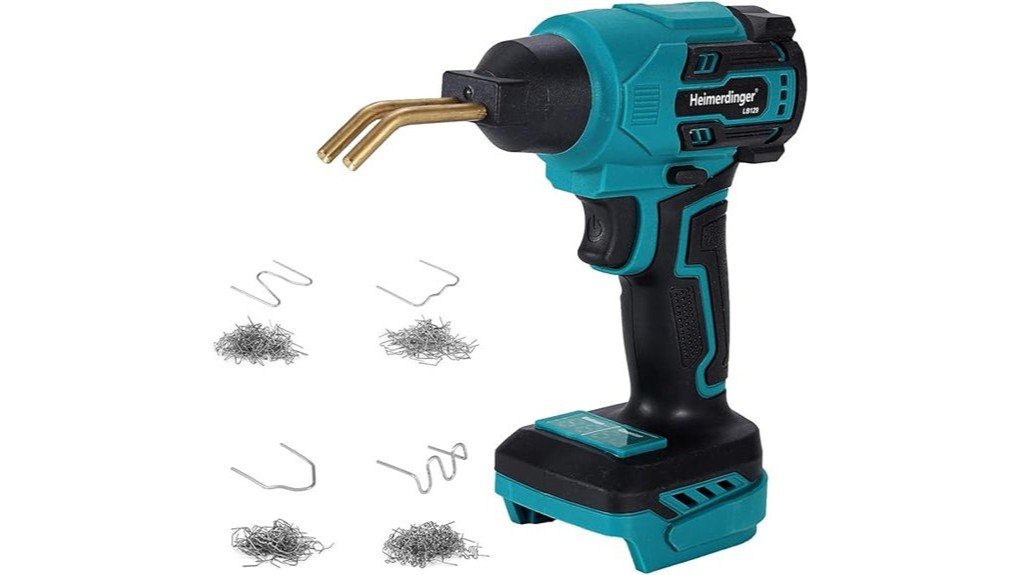
- Needs a separate hot air welder
Other plastic welding options
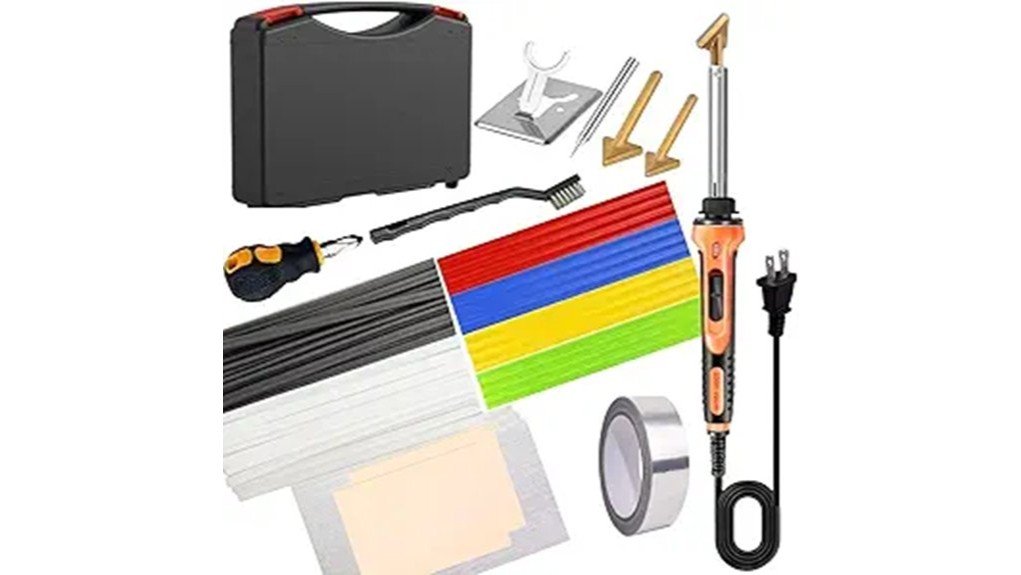
Not sure what plastic you have? A kit that includes several rod types may suit you better. Compare our plastic welding rods review and the HDPE plastic welding rod review.
Frequently Asked Questions
Are these rods compatible with all plastic welding guns?
They are filler rod, not a tool. Use them with a hot air welder or plastic welding gun that can hold a steady, controllable temperature, and check the rod size against the nozzle.
Can I use PVC rods on a car bumper?
Usually not. Most bumpers are PP or ABS, which need a matching rod. Check the stamp on the back of the part.
Can I use them outdoors?
The listing claims weather resistance but gives no rating. Plain PVC can degrade in strong sunlight over time, so treat outdoor use with caution.
How should I store the rods?
Keep them dry, clean and out of heat and direct sun so they stay straight and uncontaminated.
Can I repair plastic furniture with them?
Only if the furniture is PVC. Identify the plastic first, since the wrong rod will not fuse.
Bottom line
The SUYWT 50pcs plastic welding rods are a low-cost supply of PVC filler for hot air welding. They are a good match for PVC work and a poor match for most other plastics. Check the rod length on the listing before buying.