Disclosure: As an Amazon Associate, we earn from qualifying purchases. If you click a link on this page and make a purchase, we may receive a small commission at no extra cost to you.
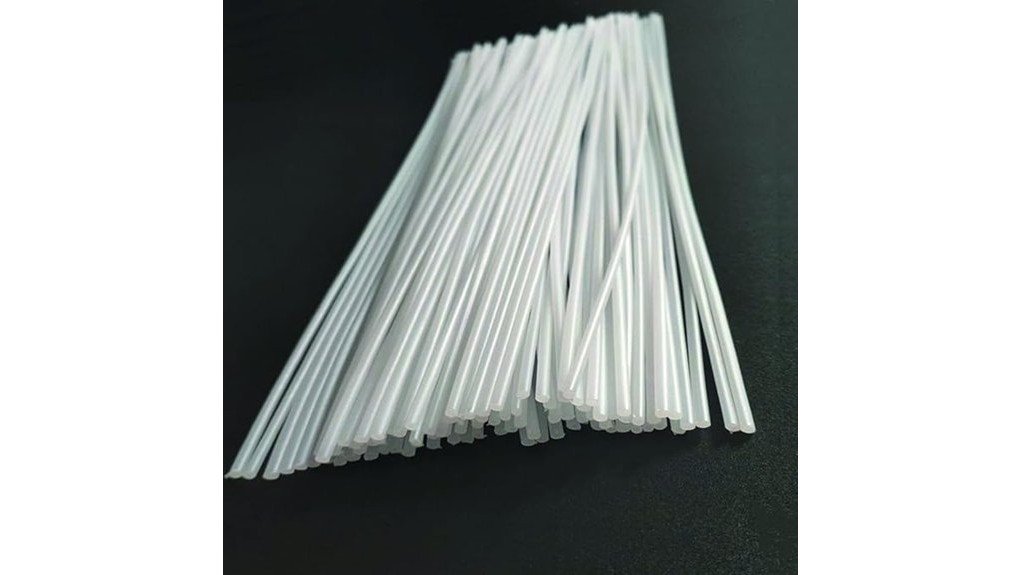
Plastic repairs can fail quickly when the rod material does not match the surface you are fixing. The HDPE Plastic Welding Rod is made for polyethylene repairs where durability, heat control, and material compatibility matter. It measures 16 inches long and 1/8 inch in diameter, with article-supported use cases that include car bumpers, kayaks, and water tanks. This review helps you decide whether these HDPE rods make sense for your repair job, and where you should be careful before buying.
Quick Verdict
Rating: Recommended with caveats
Best For: DIY users, mechanics, and repair-focused buyers working on compatible polyethylene items.
Bottom Line: These rods offer a practical size, HDPE construction, and useful compatibility for common plastic repairs. The main tradeoff is that you still need the right welding tool, correct heat control, and a compatible base material.
| Specification | Detail |
|---|---|
| Product type | HDPE plastic welding rod |
| Material | High-density polyethylene |
| Length | 16 inches |
| Diameter | 1/8 inch |
| Weight | 5.6 ounces |
| Article-supported temperature range | 500°F to 600°F |
| Compatibility | Polyethylene repair work and the Jounjip Plastic Welder Kit, based on the article details |
| Best use | Repairs on compatible plastic items such as kayaks, water tanks, and car bumper plastic |
| Safety note | Use proper ventilation, heat control, and material matching before welding. |
Key Takeaways
- The HDPE Plastic Welding Rod is made from high-density polyethylene for compatible plastic repair work.
- Each rod measures 16 inches long and 1/8 inch in diameter, which makes it manageable for hand repair tasks.
- The article-supported temperature range is 500°F to 600°F, so heat control matters during use.
- It is best suited for compatible polyethylene repairs, including kayaks, water tanks, and some bumper plastics.
- It is not a universal plastic repair solution. You should confirm the base material before welding.
What Is the HDPE Plastic Welding Rod?
The HDPE Plastic Welding Rod is a repair rod made from high-density polyethylene. You use it with a suitable plastic welding tool to bond compatible plastic surfaces through heat and pressure.
The article describes the rods as compatible with the Jounjip Plastic Welder Kit, which makes them a practical option if you already own that setup. The 16-inch length gives you enough working material for small to medium repairs, while the 1/8-inch diameter helps with controlled placement along cracks, seams, and patch areas.
These rods make the most sense when the damaged item is also polyethylene or otherwise compatible with HDPE welding. If the base plastic is ABS, PVC, polypropylene, or an unknown plastic, you should identify the material first instead of assuming these rods will bond correctly.
Before You Buy: These rods are not a universal fix for every plastic. Check the plastic type on the damaged item before welding, because HDPE rod works best when the repair surface is compatible with HDPE.
Who Should Buy It?
Best For
- DIY users repairing compatible polyethylene items at home.
- Kayak, tank, or bumper repair projects where HDPE rod is the right material match.
- Buyers who already use a compatible plastic welder, including the Jounjip Plastic Welder Kit.
Skip If
- You do not know what type of plastic you need to repair.
- You need a certified food-contact repair material.
- You do not have the right plastic welding tool or safe ventilation setup.
Product Features and Specifications
The strongest feature here is the HDPE construction. High-density polyethylene is valued in repair work because it can handle demanding environments when used on compatible plastic surfaces. The article also notes resistance to acid, alkali, and corrosion, which can matter for outdoor gear, tanks, and utility items.
The rods measure 16 inches long and 1/8 inch in diameter. That size is useful for hand-guided repair work because it gives you a manageable rod profile without feeling oversized for narrow cracks or small seams.
The listed weight is 5.6 ounces. That makes the rod set easy to store with your welding kit, repair tools, or garage supplies without taking much space.
Materials and Build Quality
These rods are made from high-density polyethylene, not a mixed universal filler. That matters because plastic welding depends heavily on material compatibility. A good weld starts when the rod and base plastic soften and bond together under controlled heat.
The article describes the rods as flexible and durable. That combination can help when repairing curved plastic surfaces, such as kayak bodies or molded bumper sections. Still, the final repair strength depends on surface prep, heat control, and whether the damaged item is compatible with HDPE.
Fit and Compatibility
The article specifically mentions compatibility with the Jounjip Plastic Welder Kit. If you already use that kit, these rods are a logical match for HDPE repair projects.
For other plastic welders, the key question is not only whether the rod fits your tool. You also need to confirm that your welder can handle the working temperature range and that the rod diameter suits the tip or welding method you plan to use.
Pro Tip: Before starting the visible repair, test the rod on a small hidden area or scrap piece of the same plastic. This helps you check heat, flow, and adhesion before working on the main crack.
Applications and Compatibility
The HDPE Plastic Welding Rod is best suited for repair jobs where the base material is compatible with HDPE. The article lists common use cases such as car bumpers, water tanks, and kayaks.
For kayaks and water tanks, the appeal is practical. A rod that can fill cracks or reinforce damaged seams may help extend the life of a compatible plastic item. For automotive plastic, you should be more cautious because bumper materials can vary by vehicle and part.
The rods can support both hot air welding and extrusion-style repair methods when used with the right equipment. You should follow the welder instructions, keep the work area ventilated, and avoid overheating the plastic.
How It Performs in Real Use
For Kayak and Outdoor Gear Repairs
For compatible polyethylene kayaks, these rods can help fill cracks, gouges, or worn areas. The 1/8-inch diameter gives you enough control for narrow repair lines, but deeper damage may need cleaning, prep work, and more than one pass.
For Water Tank Repairs
The article lists water tanks as a suitable use case. That said, you should treat tank repairs carefully. If the tank holds drinking water, chemicals, or pressurized contents, check product suitability and consider professional guidance before relying on a DIY weld.
For Automotive Plastic Repairs
The rods may work for compatible bumper plastic, but not every bumper uses the same material. Check the plastic stamp or repair manual first. If the bumper is not HDPE or a compatible polyethylene material, a different rod type may be needed.
For General DIY Repairs
For workshop and home repair tasks, the rods are easy to store and handle. They work best when you clean the surface, remove weak plastic, and build the repair slowly instead of trying to melt too much material at once.
How to Use It Correctly
Start by cleaning the damaged area so dirt, grease, and loose plastic do not weaken the weld. Trim away broken edges when needed, then match the rod to the base material before heating.
Use the temperature range as a guide, but do not rely on heat alone. Watch how the plastic softens, flows, and bonds. Too little heat can create a weak surface bond, while too much heat can burn the material and reduce repair quality.
After welding, let the repaired area cool naturally before sanding, shaping, or testing it. Rushing this step can stress the joint before it has settled.
Compatibility and Safety
Plastic welding involves heat, fumes, and melted material, so you should use basic safety habits. Work in a ventilated area, wear suitable eye and hand protection, and keep heat away from flammable surfaces.
The original article notes that the rods are not specifically certified for food-contact applications. That is an important limitation. Do not use them for food or drinking-water contact repairs unless the product label or manufacturer confirms that use.
You should also avoid welding unknown plastics without identifying them first. Different plastics can need different rods, heat settings, and repair methods.
Customer Feedback and Performance Analysis
Customer feedback in the original article centers on three practical points: ease of use, durability, and compatibility with the Jounjip Plastic Welder Kit. Those are useful signals, but they should not replace material matching or proper technique.
Users commonly value rods that melt predictably and stay manageable during repair work. The 16-inch length and 1/8-inch diameter support that kind of controlled use, especially on small cracks and seams.
The most important performance factor is still preparation. Clean plastic, correct heat, and a compatible rod will matter more than the rod alone.
Pros and Cons
Pros
- Made from HDPE for compatible polyethylene repair work.
- 16-inch length gives you workable material for small and medium repairs.
- 1/8-inch diameter helps with controlled placement on cracks and seams.
- Article-supported compatibility with the Jounjip Plastic Welder Kit.
- Useful for kayaks, water tanks, bumpers, and general plastic repair when the material matches.
Cons
- Not suitable for every type of plastic.
- Requires correct heat control and a compatible plastic welding tool.
- Not specifically certified for food-contact applications based on the article details.
Is It Worth the Price?
The HDPE Plastic Welding Rod is worth considering if you need a simple repair material for compatible polyethylene projects. It offers strong value for the price when you already have the right welder and know that the damaged surface matches HDPE.
You get the most value from it when you use it for repeat DIY repairs, kayak touch-ups, tank patches, or workshop plastic fixes. It is less useful if you only have one unknown plastic part and no way to confirm the material.
The main limitation is compatibility. A lower-cost repair rod is not a smart buy if it does not bond to your item correctly.
How It Compares to Alternatives
Compared with mixed plastic rod assortments, this HDPE rod is more focused. That is helpful when you know you need high-density polyethylene, but less flexible if you repair many plastic types.
Compared with PP, ABS, or PVC welding rods, this product makes sense only when HDPE is the right match. If your project uses a different plastic, choose the rod material that matches the part instead of forcing an HDPE repair.
Frequently Asked Questions
What plastics can you repair with HDPE plastic welding rods?
These rods are best for compatible polyethylene repairs. They are not a universal solution for ABS, PVC, polypropylene, or unknown plastic parts.
Can you use these rods with the Jounjip Plastic Welder Kit?
The article describes these rods as compatible with the Jounjip Plastic Welder Kit. You should still check your welder tip, heat setting, and rod diameter before starting the repair.
Are these rods good for kayak repairs?
They can be useful for compatible polyethylene kayak repairs. Clean the damaged area, confirm the kayak material, and test your heat control before working on a visible section.
Can these rods be painted after welding?
Painting may be possible after proper surface preparation, but adhesion can vary on polyethylene. For the best result, clean, sand, and use paint products made for plastic surfaces.
Are these rods safe for food-contact repairs?
The article states that these rods are not specifically certified for food safety. Do not use them for food-contact or drinking-water repairs unless the product label or manufacturer confirms that application.
How should you store HDPE plastic welding rods?
Store the rods in a cool, dry place away from dirt, oil, and direct heat. Clean storage helps keep the rod surface ready for better welding results.
Do HDPE rods emit fumes when heated?
The original article describes fume output as minimal, but you should still use ventilation when heating plastic. Avoid breathing fumes and follow the instructions for your welding tool.
The Bottom Line
The HDPE Plastic Welding Rod is a practical buy if you need 16-inch, 1/8-inch HDPE rod for compatible plastic repairs. It is best for users who can confirm the base material and use proper heat control, but it is not ideal for unknown plastics, food-contact repairs, or projects that need a different rod type.