Disclosure: As an Amazon Associate, we earn from qualifying purchases. If you click a link on this page and make a purchase, we may receive a small commission at no extra cost to you.
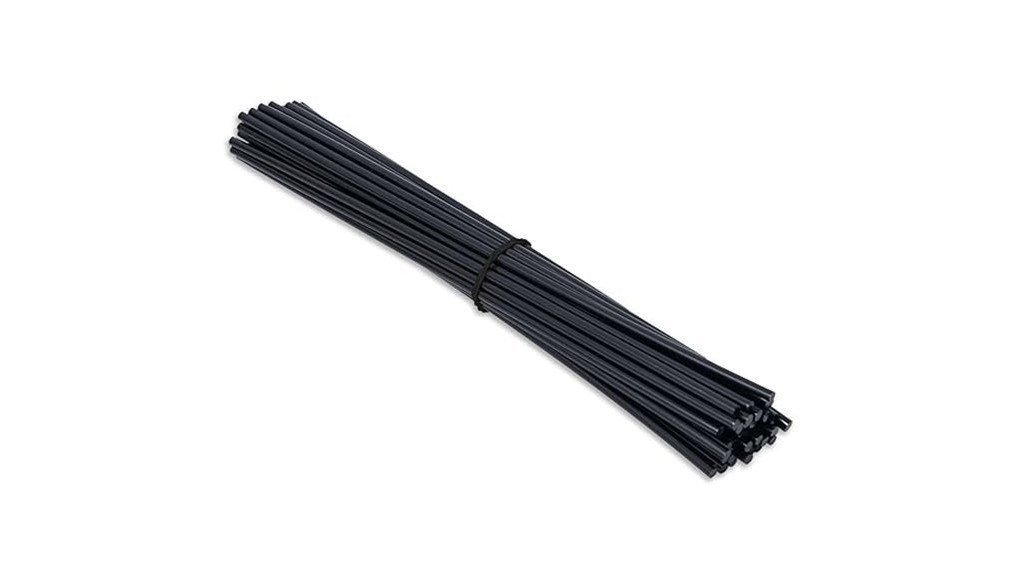
Plastic repairs can fail fast when the filler rod does not match the base material. The Mujoiny HDPE Plastic Welding Rod is a 40-piece pack of black high-density polyethylene rods for small repairs and fabrication work on compatible HDPE parts. This review helps you decide whether the rod size, material, and project coverage fit your repair job. Its biggest strength is the 40-foot total supply, while its main limitation is simple: it only makes sense when you are working with HDPE or a very similar compatible plastic.
Quick Verdict
Rating: 8/10, recommended with caveats
Best For: DIY users and repair shops working on compatible HDPE items such as kayaks, canoes, tanks, tubing, and outdoor plastic parts.
Bottom Line: These rods offer a useful amount of HDPE repair material in a simple 12-inch stick format. You should skip them if you cannot confirm the base plastic is HDPE or if the repair involves food-contact, fuel, pressure, or safety-critical parts.
Key Takeaways
- The Mujoiny HDPE Plastic Welding Rod pack includes 40 black high-density polyethylene rods.
- Each rod measures 12 inches long and 3/16 inch, or about 5 mm, in diameter.
- The full pack provides 40 feet of welding rod material for multiple small repairs or fabrication tasks.
- The article-supported weldable temperature is 572°F (300°C), but you should always match tool settings to the plastic and welder instructions.
- These rods are best for compatible HDPE repairs, not unknown plastics, food-safe surfaces, or safety-critical tank repairs.
Key Specifications
| Specification | Detail |
|---|---|
| Brand | Mujoiny |
| Product type | HDPE plastic welding rod |
| Material | High-density polyethylene (HDPE) |
| Color | Black |
| Rod length | 12 inches each |
| Rod diameter | 3/16 inch, about 5 mm |
| Quantity | 40 pieces |
| Total length | 40 feet total |
| Listed weldable temperature | 572°F (300°C) |
| Best use | Compatible HDPE repairs and fabrication work |
| Safety note | Confirm the base plastic before welding and avoid food-contact, fuel, pressure, or structural safety repairs unless approved by the manufacturer or a qualified professional. |
What Is the Mujoiny HDPE Plastic Welding Rod?
The Mujoiny HDPE Plastic Welding Rod is a black filler rod set made from high-density polyethylene. You use this type of rod with a compatible plastic welding tool to melt filler material into a crack, seam, gap, or repair area on HDPE parts.
The 12-inch rod length gives you manageable pieces for hand-fed repairs, while the 3/16-inch diameter gives enough material for small to medium repair beads. The 40-piece count also helps if you have several repairs, want practice material, or need extra rod length for a larger project.
This is not a universal plastic repair stick. It works best when the item you are repairing is HDPE, because plastic welding depends heavily on matching or closely compatible materials.
Before You Buy: Check the plastic marking on your item before ordering. If the part is ABS, PVC, polypropylene, acrylic, fiberglass, or an unknown blend, HDPE rod may not bond correctly.
Who Should Buy It?
Best For
- DIY users repairing confirmed HDPE items such as kayaks, canoes, and outdoor plastic parts.
- Workshops that need a 40-piece supply for repeated small HDPE repairs.
- Users who already have a suitable plastic welding tool and know how to prepare plastic surfaces.
Skip If
- You need a complete repair kit with a welder, nozzles, scraper, or prep tools included.
- You cannot confirm that your item is HDPE or a compatible polyethylene material.
- You need a certified food-safe, fuel-safe, pressure-rated, or structural repair solution.
Material and Build Quality
The key material here is HDPE, a thermoplastic commonly used in durable plastic products. For buyers, that matters because HDPE welding rod is made to melt and fuse with compatible HDPE surfaces instead of sitting on top like a basic adhesive patch.
The article describes the rods as weather and impact resistant. That makes them a sensible match for many outdoor plastic repairs, especially when the original item is also HDPE and the surface is cleaned, prepared, and welded correctly.
Size, Quantity, and Project Coverage
Each rod is 12 inches long and 3/16 inch in diameter. That size is easy to handle during small repairs because you can feed the rod into the heated area without managing a long coil or spool.
The 40-piece pack gives you 40 feet of total material. That is useful if you need practice passes before working on the final repair, or if you need to build up a bead over a longer seam.
Performance and Welding Capabilities
The listed weldable temperature is 572°F (300°C). In practice, the right heat setting depends on your plastic welder, the thickness of the base material, the size of the crack, and how quickly the rod and surface soften.
Good plastic welds need more than heat. You also need clean material, proper surface prep, steady pressure, and enough cooling time before putting stress on the repair. If you rush the process, the weld can look filled but still have weak bonding below the surface.
Pro Tip: Before repairing the main item, test one short rod piece on scrap HDPE or a hidden area. This helps you dial in heat, travel speed, and pressure before the visible repair.
Applications and Usage
The Mujoiny HDPE Plastic Welding Rod can work for compatible HDPE items such as cutting boards, water tanks, pipe tubing systems, storage tanks, kayaks, canoes, and playground equipment. The best results come when the base item is clearly marked HDPE or the manufacturer confirms the material.
For household and outdoor repairs, these rods make the most sense for non-critical cracks, worn edges, small gaps, and reinforcement beads. For large cracks, structural damage, pressurized systems, or tank repairs involving chemicals or fuel, get qualified help instead of relying on a basic DIY repair.
How It Performs in Real Use
For Kayaks and Canoes
For minor HDPE kayak or canoe repairs, the 3/16-inch diameter gives you enough filler material to build a controlled bead. You still need to identify the hull material first, clean the damaged area well, and avoid using a DIY weld as a substitute for professional repair on major structural damage.
For Playground and Outdoor Plastic Parts
Outdoor plastic parts often need repair material that can handle weather exposure. These HDPE rods are a practical option for compatible playground equipment or outdoor components, as long as the repair does not affect child safety, load-bearing strength, or manufacturer-approved use.
For Tanks, Tubing, and Shop Use
The 40-foot total length helps if you work on several HDPE parts in a shop setting. Use caution with water tanks, pipe tubing, and storage tanks, because leaks, pressure, chemicals, and contamination can turn a simple repair into a safety issue.
For Practice and Small Fabrication
The 40-piece count gives you extra material for practice. That matters if you are learning plastic welding, because heat control and speed often take trial and error before the bead looks clean and bonds well.
How to Use It Correctly
- Identify the plastic first: Look for an HDPE marking or confirm the material with the product manufacturer.
- Clean the surface: Remove dirt, oil, loose plastic, and moisture before welding.
- Prepare the crack or seam: A shallow groove can help the filler rod sit in the repair area, but avoid removing too much material.
- Heat the rod and base material together: The repair works best when both surfaces soften enough to bond.
- Let it cool naturally: Do not stress the repair until the plastic has cooled and hardened.
- Follow your tool instructions: Plastic welders vary, so use the manual for heat, nozzle, and safety guidance.
Compatibility and Safety
These rods are made for HDPE, so compatibility is the first safety check. Welding the wrong plastic can lead to weak bonding, poor appearance, smoke, or damage to the part you are trying to repair.
Work in a well-ventilated area, wear heat-resistant gloves and eye protection, and keep the hot tool away from flammable materials. Do not use these rods for food-contact repairs unless the seller or manufacturer provides clear food-safe documentation for this exact product.
You should also avoid DIY welding on fuel tanks, gas tanks, pressurized tanks, and structural parts unless a qualified professional approves the repair. A weld that looks solid may still fail under pressure, vibration, impact, or chemical exposure.
Pros and Cons
Pros
- 40-piece pack provides 40 feet of total HDPE welding material.
- 12-inch rods are easy to handle for small repairs and practice welds.
- 3/16-inch diameter gives enough filler material for controlled repair beads.
- HDPE construction matches many common outdoor plastic repair projects.
- Useful for compatible kayaks, canoes, tubing, tanks, and playground equipment.
Cons
- Not a full repair kit, so you still need a compatible plastic welder and prep tools.
- Limited to HDPE or closely compatible plastics, not a universal plastic fix.
- Not verified for food-safe, fuel-safe, pressure-rated, or safety-critical repairs.
Is It Worth the Price?
The Mujoiny HDPE Plastic Welding Rod pack can be a smart buy for everyday HDPE repair work because it gives you 40 pieces in a practical 12-inch format. You get the most value if you already own a plastic welding tool and need enough rod material for more than one small repair.
It is not the best fit if you only need one tiny repair and do not already have the right equipment. It also loses value if your project material is not HDPE, because incompatible plastics can waste time and create a weak repair.
How It Compares to Alternatives
Compared with polypropylene, ABS, or PVC welding rods, this Mujoiny pack is the better match when your repair item is HDPE. Those alternatives may be better only when the base part is made from the same material as the alternative rod.
Compared with a full plastic welding kit, this pack is simpler and more focused. It makes sense if you only need HDPE filler rods, but a full kit may be better if you also need a welder, nozzles, wire brush, scraper, or multiple rod materials.
Frequently Asked Questions
What plastic does the Mujoiny HDPE Plastic Welding Rod work with?
It is intended for HDPE, or high-density polyethylene, repairs. You should confirm the base material before welding because HDPE rod may not bond well to ABS, PVC, acrylic, polypropylene, fiberglass, or unknown plastic blends.
How many rods are included?
The pack includes 40 rods. Each rod is 12 inches long, giving you 40 feet of total HDPE welding rod material.
What size are the rods?
Each rod measures 12 inches long and 3/16 inch, or about 5 mm, in diameter. That size works well for controlled hand-fed repairs with a suitable plastic welding tool.
Can you use these rods to repair a kayak or canoe?
Yes, they can be useful for minor repairs on HDPE kayaks or canoes. For major cracks, deep hull damage, or structural areas, get professional guidance before relying on a DIY weld.
Are these rods food-safe?
Do not assume they are food-safe. Use them on food-contact items only if the seller or manufacturer provides clear food-safe documentation for this exact welding rod.
What temperature do these rods need?
The article-supported weldable temperature is 572°F (300°C). Use that as a product reference point, but follow your plastic welder manual and test on scrap material before repairing the final item.
Do you need a separate welding tool?
Yes. This product is welding rod material, not a complete repair kit. You need a compatible plastic welder or heat tool, plus basic prep and safety equipment.
How should you store the rods?
Store them in a cool, dry place away from direct sunlight and moisture. Keeping the rods clean helps reduce contamination when you weld.
The Bottom Line
The Mujoiny HDPE Plastic Welding Rod is worth considering if you need a 40-piece supply of black HDPE filler rods for compatible plastic repairs. Its main strength is the generous 40-foot total length, while its main limitation is that it is not a universal repair material or a complete welding kit.
Buy it if you can confirm your project is HDPE and you already have the right welding setup. Skip it if the repair involves unknown plastic, food-contact surfaces, fuel tanks, pressure systems, or safety-critical parts.