Disclosure: As an Amazon Associate, we earn from qualifying purchases. If you buy through a link on this page, we may earn a commission at no extra cost to you.
Choosing a welding rod for automotive work starts with the material, not the brand. Carbon steel, stainless steel, aluminum, and polypropylene each require a different filler and a different heat source. Using the wrong one can leave you with poor adhesion, cracking, melted plastic, or a repair that cannot handle the load.
This guide compares six relevant options for steel stick welding, stainless TIG work, light aluminum brazing, and polypropylene bumper or tab repairs. It also explains where each product fits, what equipment it requires, and which jobs should be left to a qualified repair shop.
Top Picks by Material and Process
| Category | Product | Best For | Main Limitation |
|---|---|---|---|
| 🏆 Carbon-Steel Stick Pick | YESWELDER E7018 | Heavier carbon-steel brackets, equipment, and fabrication | Needs proper storage and is not for aluminum, plastic, or thin bodywork |
| ⭐ Stainless TIG Pick | YESWELDER ER308L | Compatible 300-series stainless exhaust, brackets, and fabrication | Requires TIG equipment and correct stainless compatibility |
| 🎯 Round PP Rod Pick | JOUNJIP PP | Confirmed PP bumper tabs and headlight tabs | Must not be used on unidentified or non-PP plastic |
| 🔧 Flat PP Strip Pick | ACQUA PP | Wider fills on confirmed black polypropylene parts | Flat profile may be less convenient in narrow grooves |
| 🔥 Lower-Temperature Aluminum Pick | OUWINWAY Aluminum Brazing Rods | Light aluminum seams and non-structural patches | Listing calls for an oxygen-propane or oxygen-acetylene flame |
| 🔰 Higher-Heat Aluminum Pick | AZB Aluminum Brazing Rods | Small aluminum repairs when sufficient preheat is available | Approximate 1022°F working temperature demands more heat |
How We Picked These Rods
We compared the listed material, filler classification, rod dimensions, stated heat requirements, intended process, and automotive relevance. We gave priority to products with a clear material match and a useful difference from the other options.
We did not treat marketplace star ratings as permanent product specifications, and we did not assume that one filler works across unrelated metals or plastics. Products with unavailable listings, vague universal claims, or no meaningful advantage over a clearer option were removed.
Before You Buy
- Identify the base material: Check the steel or stainless grade, aluminum alloy where possible, or the molded plastic identification mark.
- Match the process: Confirm that you have a stick welder, TIG welder, suitable torch, hot-air plastic welder, or plastic welding iron.
- Check the required heat: Aluminum pulls heat away quickly. A torch that works on a small tab may fail on a thick casting.
- Consider the service load: Do not treat a cosmetic patch the same as a frame, suspension, brake, pressure, cooling, or fuel-system repair.
- Plan safe storage: Keep low-hydrogen electrodes protected from moisture after opening.
- Use proper safety equipment: Wear suitable eye, face, hand, and body protection, provide ventilation, and control nearby fire hazards.
Best Welding and Repair Rods for Automotive Work
If your job involves compatible carbon-steel brackets, shop equipment, farm machinery, or heavier fabrication, E7018 is the most relevant conventional welding electrode in this roundup. Its low-hydrogen classification makes it useful where weld quality and crack control matter, but technique, joint preparation, and storage still determine the result.
Why You May Like It
- Clear E7018 classification for suitable carbon and mild-steel applications
- 1/8-inch size suits many general repair and fabrication jobs
- Designed for all-position welding with compatible equipment
- Useful for heavier work where the aluminum and plastic products do not apply
Who Should Buy It
Choose this if you already have a stick welder capable of running 1/8-inch E7018 and you work on properly identified carbon-steel parts. It is a better fit for brackets, frames built under an approved procedure, equipment, and fabrication than for thin cosmetic body panels.
Who Should Avoid It
Skip it for aluminum, stainless TIG work, plastic repairs, galvanized parts that have not been safely prepared, or thin sheet that your setup and skill level cannot control. Do not assume that having an E7018 rod makes an unapproved vehicle-frame repair safe.
- Appropriate category for carbon-steel stick welding
- Low-hydrogen electrode type
- Useful for heavier fabrication and repair work
- Moisture-controlled storage matters
- Not intended for every steel alloy or thin auto panel
- Requires suitable amperage and technique
Storage Note
Keep unopened rods sealed. Once opened, protect them from moisture in accordance with the electrode manufacturer’s instructions. An ordinary open cardboard box or damp garage shelf can undermine the reason for choosing a low-hydrogen electrode.
Buyer Feedback Snapshot
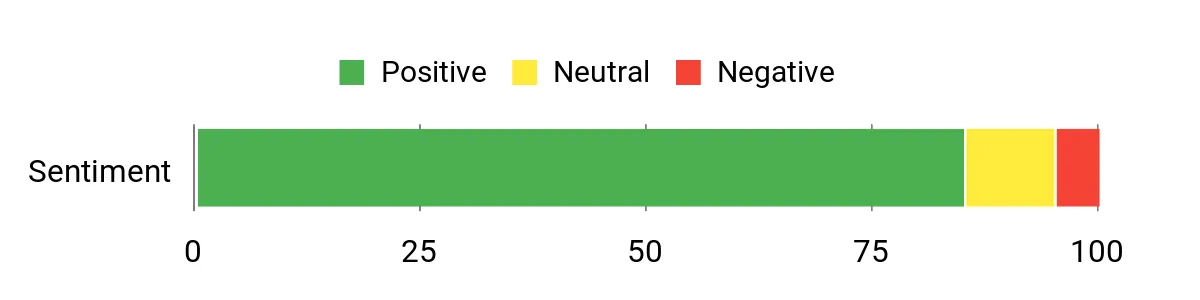
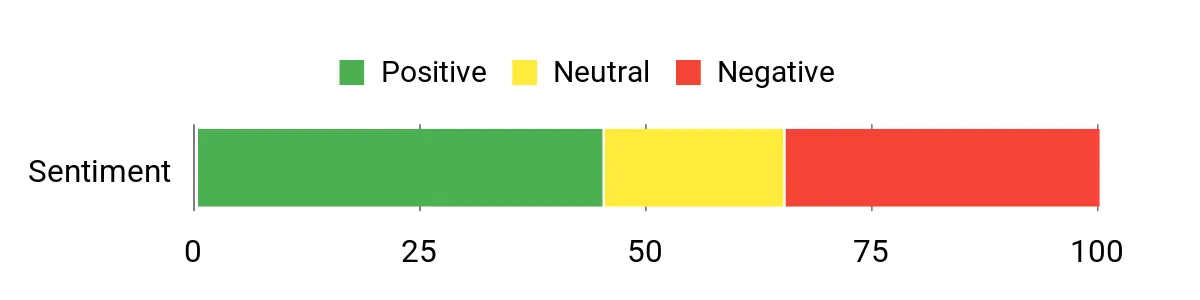
The chart below is retained from the source article as a historical sentiment snapshot. Review totals and buyer opinions can change, so check the current listing for recent comments about arc starts, packaging, and storage condition.
This is the clearest choice in the list for TIG welding compatible stainless exhaust sections, brackets, trim, and small fabricated parts. The 16-inch length is easier to manage in a confined workspace than a long industrial filler rod, although it also means more frequent rod changes on long seams.
Why You May Like It
- Identified ER308L stainless TIG filler
- Shorter rods are manageable around benches and confined assemblies
- Large package suits repeated shop use
- Clearer alloy guidance than a generic “stainless rod” listing
Who Should Buy It
Choose it when your base metal and welding procedure call for ER308L and you have a properly configured TIG welder with suitable shielding gas. It may fit common stainless exhaust and fabrication work after the alloy is identified.
Who Should Avoid It
Do not use it merely because a part looks like stainless steel. Different stainless grades may require another filler. It is also not an aluminum TIG rod, mild-steel filler, stick electrode, or gasless repair solution.
- Specific ER308L classification
- Suitable size for controlled TIG feeding
- Useful for compatible 300-series stainless repairs
- Not universal across all stainless grades
- Requires TIG equipment and shielding gas
- Short rods are consumed faster on long seams
Buyer Feedback Snapshot
The existing chart is a historical snapshot from the source article. Check the current listing for recent feedback about rod condition, packaging, consistency, and whether the 16-inch length suits your workflow.
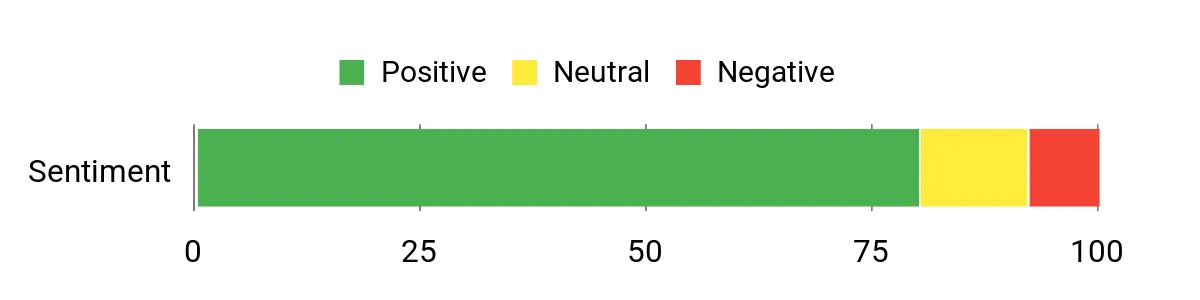
JOUNJIP is the most clearly automotive-focused plastic option in the list. The long round rods can be fed into narrow repair grooves around confirmed polypropylene bumper tabs, headlight tabs, motorcycle panels, and similar PP parts.
Why You May Like It
- Round profile feeds easily into narrow prepared grooves
- Black filler can blend better on black polypropylene parts
- Long rods reduce interruptions during a repair
- Listing gives a clear PP identification reminder
Who Should Buy It
Choose it when the molded part is marked PP or recycling code 5 and your plastic welder can control heat without scorching the surrounding material. It is particularly relevant for broken tabs, narrow cracks, and small missing sections.
Who Should Avoid It
Do not use it on a bumper or trim panel simply because the part is black. Automotive plastics may be TPO, ABS, PE, PA, PC, or a blend. Filler and base plastic need to be compatible.
- Clear polypropylene material identification
- Long round profile works well in narrow channels
- Black filler suits many dark PP parts
- PP only
- Surface finish may require sanding and refinishing
- Large cracks may need reinforcement and backside access
Buyer Feedback Snapshot
This retained chart reflects the source article’s earlier sentiment analysis. Check current buyer comments for heat-control advice, tool compatibility, packaging, and repair examples involving confirmed PP parts.
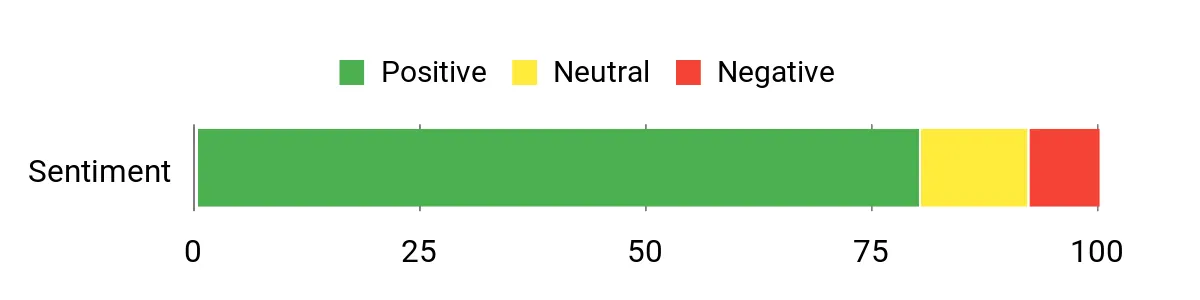
The ACQUA strips fill a different role from the round JOUNJIP rods. Their wider profile may be useful when rebuilding an edge, covering a broader prepared channel, or feeding extra material into a larger PP repair.
Why You May Like It
- Flat profile lays material across a wider area
- Black polypropylene suits many dark automotive parts
- Forty strips provide material for multiple small repairs
- Can be paired with suitable backing or reinforcement where appropriate
Who Should Buy It
Choose it for confirmed polypropylene when a flat filler strip better matches your groove or missing section. It may be easier than round filler when you need to build width rather than feed a narrow crack.
Who Should Avoid It
Skip it if the part is not confirmed PP, the repair channel is too narrow for the strip, or you cannot control the plastic welder’s heat. Do not use product-page claims about tanks as permission to repair fuel-containing or safety-critical vessels.
- Wider strip profile
- Confirmed polypropylene filler
- Useful for building up larger grooves and edges
- Not compatible with every automotive plastic
- Shorter than the JOUNJIP rods
- Flat profile may be awkward in tight cracks
Buyer Feedback Snapshot
The retained image shows the source article’s earlier feedback snapshot. Review current comments for tool settings, strip dimensions, packaging, and examples using the filler on verified polypropylene.
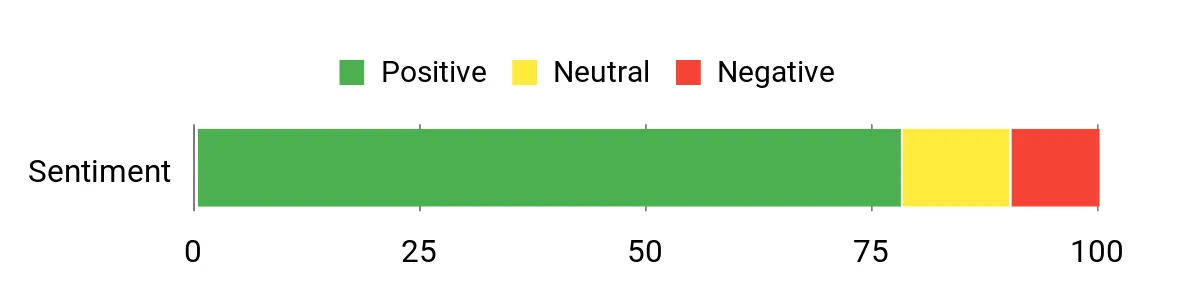
This is the lower-temperature aluminum option in the final list. It can make sense for appropriate seam filling, small brackets, hobby fabrication, and non-structural patches when the base metal is compatible and the torch can heat the work evenly.
Why You May Like It
- Lower stated brazing range than the AZB rods
- Thin 1/16-inch profile allows controlled filler addition
- Fifty rods provide material for practice and multiple small jobs
- Flux-core design is intended to avoid separate external flux
Who Should Buy It
Choose it if you specifically want an aluminum brazing filler, understand that brazing is different from fusion welding, and have the oxy-fuel torch arrangement stated by the listing. Practice on matching scrap before touching the actual part.
Who Should Avoid It
Do not buy it on the assumption that every handheld propane torch will provide enough heat. It is also not the right default for frames, suspension parts, wheels, radiators, intercoolers, pressurized systems, or any joint where failure could create a safety hazard.
- Lower stated brazing temperature range
- Thin rod supports controlled feeding
- Large pack for practice and repeated light work
- Requires the correct torch and heat distribution
- Not a substitute for structural TIG or MIG welding
- Base-alloy compatibility still needs confirmation
Buyer Feedback Snapshot
This chart is retained as a historical source snapshot. Check recent listing feedback for comments about torch choice, preheating, wetting, surface preparation, and whether the rods match the thickness you plan to repair.
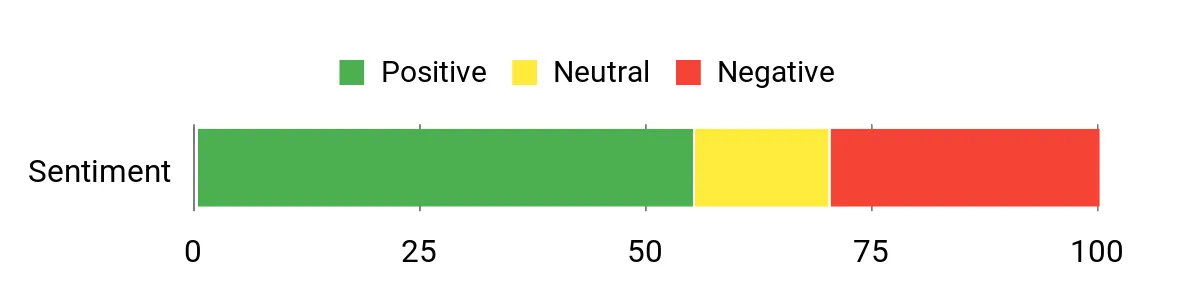
The AZB rods require more heat than the OUWINWAY option. They are most relevant for small aluminum parts that can be thoroughly cleaned and heated to the stated working range without damaging nearby components, coatings, seals, or heat-sensitive assemblies.
Why You May Like It
- Large 50-rod package
- Flux-core design is intended to simplify preparation
- Small diameter supports controlled filler addition
- Listing provides a stated working temperature and heating method
Who Should Buy It
Choose it for small, accessible, non-structural aluminum repairs when you have enough heat and can remove the part from nearby plastics, wiring, seals, fuel, paint, or other heat-sensitive materials. The listing says propane can be used on small objects, while larger objects need a stronger heating method.
Who Should Avoid It
Skip it if you have only a weak torch, cannot heat the base metal evenly, or need TIG-level control and verified structural strength. It is not suitable as a universal answer for every aluminum automotive component.
- Clear approximate working-temperature guidance
- Large pack for practice and light repairs
- Thin rods allow measured filler application
- Higher heat demand than the OUWINWAY rods
- Not intended as structural welding filler
- Thicker parts may exceed a basic torch’s practical capacity
Buyer Feedback Snapshot
The chart below is retained from the original article as a historical snapshot. Check current comments for information about working temperature, torch strength, rod condition, surface preparation, and use on parts similar to yours.
How to Match the Rod to the Repair
Carbon Steel
Use a filler and process approved for the identified steel, joint, thickness, and service load. E7018 is relevant to many carbon-steel stick-welding procedures, but it does not eliminate the need for correct preparation, amperage, storage, weld sequence, and inspection.
Stainless Steel
Identify the stainless grade before choosing filler. ER308L commonly fits compatible 300-series stainless applications, but another alloy may require ER309L, ER316L, or a different filler selected under the applicable procedure.
Aluminum
Decide whether the job calls for brazing or fusion welding. The aluminum products in this guide melt and flow as filler while the base metal remains solid. They are most appropriate for carefully selected, non-structural repairs rather than every automotive aluminum component.
Automotive Plastic
Look for a molded material mark on the rear of the part. Use the JOUNJIP or ACQUA rods only when the part is confirmed polypropylene. Clean the area, prepare a groove, control the heat, and reinforce the backside when the repair design calls for it.
FAQ
What Is the Best Welding Rod for Automotive Steel?
There is no single rod for every automotive steel part. The YESWELDER E7018 is the most relevant option in this guide for compatible carbon-steel stick welding. Thin body panels, galvanized sheet, high-strength vehicle steels, cast iron, and unknown alloys may require another process or a manufacturer-approved repair method.
Can ER308L Be Used on Any Stainless Exhaust?
No. ER308L is intended for compatible stainless grades, including several common 300-series alloys. Identify the base metal and follow the appropriate procedure before choosing it. Dissimilar-metal joints or other stainless grades may require a different filler.
How Do I Know Whether a Bumper Is Polypropylene?
Inspect the rear of the bumper or tab for a molded material code. PP or recycling code 5 indicates polypropylene. Codes such as ABS, TPO, PE, PA, PC, or mixed-material markings require matching filler rather than a PP rod.
Are Aluminum Brazing Rods the Same as Aluminum TIG Rods?
No. Brazing heats the base metal enough to melt and flow the filler without melting the base material itself. TIG welding creates a fusion weld and normally uses a filler selected for the aluminum alloy and service requirements. Do not substitute one process for the other without confirming that the repair permits it.
Will a Normal Propane Torch Melt Aluminum Brazing Rods?
That depends on the rod, torch, part size, and heat loss. The AZB listing says propane may be used on small objects but recommends stronger heating for larger work. The OUWINWAY listing specifies an oxygen-propane or oxygen-acetylene flame. Always follow the exact product instructions rather than assuming that every propane torch is sufficient.
Can I Use These Rods to Repair a Radiator or Intercooler?
General-purpose brazing rods may flow on some aluminum surfaces, but radiators and intercoolers involve thin material, contamination, thermal cycling, and pressure. A poor repair can leak or damage the core. Use the filler and process specified for the component or have a specialist handle the repair.
Can I Weld or Braze an Automotive Fuel Tank?
Do not treat a fuel tank as an ordinary metal patch. Residual fuel or vapor can create a severe fire and explosion hazard. Tanks and parts that contained flammable material require professional cleaning, testing, and hot-work procedures.
How Should I Store E7018 Rods?
Keep unopened rods sealed and protect opened rods from moisture according to the electrode manufacturer’s storage instructions. Low-hydrogen performance should not be assumed after rods have been left exposed in a damp environment.
What Buyers Usually Need to Decide
The most important buying decision is not which package has the largest rod count. It is whether the filler matches the base material and whether your equipment can deliver the correct heat.
- Choose E7018 only for an appropriate carbon-steel stick-welding procedure.
- Choose ER308L only for compatible stainless TIG work.
- Choose PP filler only after confirming that the plastic is polypropylene.
- Choose an aluminum brazing rod only when brazing is suitable for the joint and service conditions.
- Choose the OUWINWAY rods when the lower stated brazing range and specified oxy-fuel setup suit the job.
- Choose the AZB rods when the part can tolerate the higher approximate working temperature and you have sufficient heat.
Final Recommendations
For compatible carbon steel: Start with the YESWELDER E7018 when your welder, joint, and procedure call for a 1/8-inch low-hydrogen electrode.
For compatible stainless TIG work: The YESWELDER ER308L is the clearest stainless filler in the list.
For confirmed PP parts: Choose the JOUNJIP round rods for narrow grooves or the ACQUA flat strips when a wider filler profile suits the repair.
For light aluminum brazing: Compare the lower stated working range and oxy-fuel requirement of the OUWINWAY rods with the higher approximate working temperature of the AZB rods.
The right filler cannot compensate for the wrong material, inadequate heat, poor preparation, moisture-damaged electrodes, or an unsafe repair plan. Identify the part first, choose the correct process second, and use the product specifications to confirm that the rod actually fits the job.
Detailed Comparison
| Product | Image | Process | Material | Size | Best For | Amazon |
|---|---|---|---|---|---|---|
| YESWELDER E7018 Welding Rod |
 |
Stick welding | Compatible carbon steel | 1/8 inch, 5 lb | Heavier steel fabrication and repair | Check Price |
| YESWELDER ER308L TIG Filler Rod |
 |
TIG welding | Compatible stainless steel | 1/16 inch × 16 inches, 5 lb | Compatible stainless exhaust and fabrication | Check Price |
| JOUNJIP PP Plastic Welding Rods |
 |
Plastic welding | Polypropylene | 3 mm round × 13 inches, 40 pieces | PP bumper and headlight tabs | Check Price |
| ACQUA PP Plastic Welding Rods |
 |
Plastic welding | Polypropylene | 5 mm × 2.5 mm × 250 mm, 40 pieces | Wider PP grooves and edge rebuilding | Check Price |
| OUWINWAY Aluminum Brazing Rods |
 |
Torch brazing | Compatible aluminum | 1/16 inch × 13 inches, 50 pieces | Lower-temperature non-structural aluminum work | Check Price |
| AZB Flux-Core Aluminum Rods |
 |
Torch brazing | Compatible aluminum and listed alloys | 1.6 mm × 13 inches, 50 pieces | Small aluminum parts with sufficient heat | Check Price |
This roundup is reader-supported. We may earn a commission from qualifying purchases made through the Amazon links on this page.