Disclosure: As an Amazon Associate, we earn from qualifying purchases. If you click a link on this page and make a purchase, we may receive a small commission at no extra cost to you.
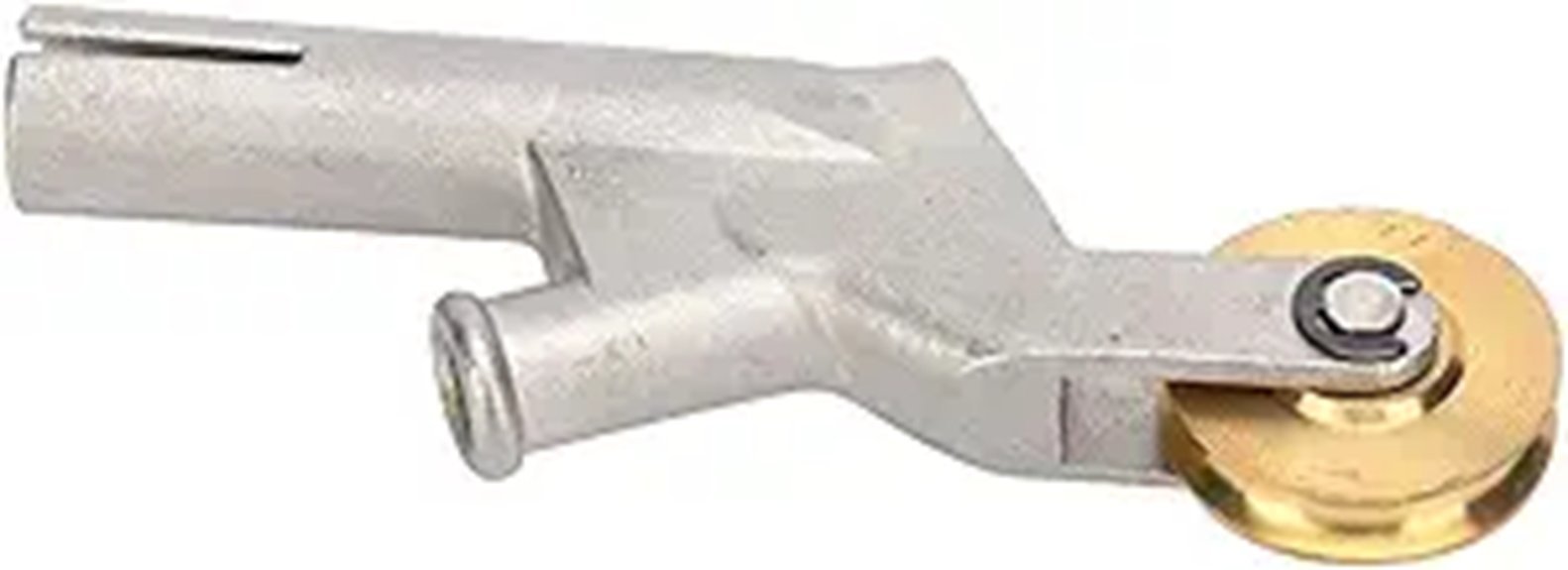
Keeping a plastic-welding seam straight can be difficult when you have to control heat, welding rod, speed, and pressure at the same time. The Thincol Hot Air Welding Gun Weld Nozzle with Rollers is designed to make that process easier by guiding the nozzle along the joint while feeding 3mm, 4mm, or 5mm welding rod. Its 304 stainless steel construction and roller-guided design are useful strengths, but the 8mm connection means you should confirm fitment before ordering. This review explains where the nozzle works best, how to set it up, and when a simpler nozzle may make more sense.
Quick Verdict
Rating: 8/10
Best For: PVC flooring work, thermoplastic repairs, and users who want roller guidance while feeding 3mm to 5mm welding rod.
Bottom Line: The Thincol nozzle combines a roller guide with broad welding-rod compatibility, which can make straight plastic-welding seams easier to control. Its main limitation is fitment, because your hot-air gun needs a compatible connection rather than simply being assumed to fit.
| Specification | Detail |
|---|---|
| Brand | Thincol |
| Product Type | Hot-air plastic welding nozzle with rollers |
| Manufacturer Part Number | Thincolzdy9mpoft0 |
| Material | 304 stainless steel alloy |
| Welding Rod Compatibility | 3mm, 4mm, and 5mm |
| Nozzle Opening | Approximately 5mm / 0.2in |
| Connection Size | Approximately 8mm / 0.31in |
| Guide Design | Integrated roller wheels |
| Listed Heat Resistance | 304 stainless steel material listed for 800-1000°C resistance |
| Package | 1 welding nozzle with wheel |
| Primary Use | Plastic welding, including PVC flooring seams and similar thermoplastic work |
Key Takeaways
- The Thincol nozzle accepts 3mm, 4mm, and 5mm welding rod, giving you more flexibility than a nozzle limited to one rod diameter.
- Integrated rollers are designed to follow the joint and help you maintain a straighter, more even welding path.
- The nozzle uses 304 stainless steel alloy, a practical material for repeated exposure to heat and workshop conditions.
- The connection is approximately 8mm, so you should measure your hot-air gun before assuming compatibility.
- Good technique still matters. Travel speed, heat setting, surface preparation, and pressure can affect the finished seam even with roller guidance.
What Is the Thincol Hot Air Welding Gun Weld Nozzle?
The Thincol nozzle is an accessory for hot-air plastic welding rather than a complete welding gun. It combines a heated nozzle path with rollers that sit against the work area as you move along a seam. The design is especially relevant to PVC flooring and other thermoplastic joints where you need to feed welding rod consistently.
The listed version supports 3mm, 4mm, and 5mm welding rod and has an approximately 8mm connection. The product package contains one roller-equipped welding nozzle, so you still need a compatible hot-air welding gun, suitable welding rod, and the normal tools required to prepare and finish your joint.
Before You Buy: Do not rely on the word “universal” alone. Check the attachment dimensions on your hot-air gun and confirm that its outlet is compatible with the nozzle’s approximately 8mm connection.
Who Should Buy It?
Best For
- Installers working with PVC flooring seams and compatible welding rod.
- Plastic fabricators who regularly use 3mm, 4mm, or 5mm welding rod.
- DIY users who already own a compatible hot-air plastic welding gun and want roller guidance.
Skip If
- Your hot-air gun does not accept the approximately 8mm connection.
- You need a complete plastic welding kit rather than a nozzle accessory.
- Your work calls for a specialized nozzle shape or a rod size outside the listed 3mm to 5mm range.
Roller-Guided Design and Seam Control
The rollers are the main feature that separates this Thincol nozzle from a basic speed-welding tip. They give you a physical guide that can follow the joint instead of requiring you to control every part of the nozzle position freehand.
That does not automatically produce a perfect weld. You still need to keep the tool aligned and maintain suitable pressure and travel speed. The advantage is that the rollers can reduce some of the hand control required when you are trying to keep the welding rod centered on a long seam.
3mm, 4mm, and 5mm Welding Rod Compatibility
Supporting three common rod diameters gives this nozzle useful flexibility. You can use 3mm, 4mm, or 5mm welding rod when the material and joint call for it instead of buying a nozzle that is limited to only one of those sizes.
You should still match the rod to the thermoplastic you are welding. The nozzle does not make incompatible plastics bond correctly, and rod diameter alone does not determine the right heat setting or welding technique.
Pro Tip: Before heating the tool, feed a short piece of your intended welding rod through the nozzle setup and check that it moves freely. Finding a rod-fit problem while everything is cool is much easier than correcting it during a weld.
304 Stainless Steel Build and Heat Resistance
The nozzle is made from 304 stainless steel alloy. This material offers useful corrosion resistance and is commonly chosen for components exposed to heat. Thincol lists the material as capable of resisting temperatures in the 800-1000°C range.
That figure describes the listed heat resistance of the nozzle material. It should not be treated as a recommended welding temperature for every plastic. Your actual hot-air setting should be based on the plastic, welding rod, equipment instructions, and the requirements of the job.
Fit and Compatibility
The approximately 8mm connection is one of the most important specifications to check before buying. A nozzle can have the right rod size and still be unusable if it cannot attach correctly to your hot-air gun.
Measure the relevant outlet or adapter on your existing tool and compare it with the nozzle dimensions. A secure fit matters because a loose attachment can make control difficult and may create an unsafe working setup.
How to Use It for Better Results
Start with clean material and a properly prepared joint. Dirt, coatings, loose debris, and incorrect groove preparation can interfere with the weld regardless of the nozzle you use.
Attach the nozzle securely to a compatible hot-air gun while the equipment is cool. Select welding rod that matches both the material and the required diameter. Allow the tool to reach the appropriate setting specified for your material and equipment.
As you weld, keep the rollers aligned with the seam and move at a steady pace. Excessively slow travel can concentrate too much heat in one area, while moving too quickly may not heat the material sufficiently for proper fusion.
Do not force the rollers hard against the work surface. Use enough pressure to maintain guidance while letting the hot-air gun and welding rod do their intended jobs.
How It Performs in Real Use
For PVC Flooring Seams
This is one of the clearest uses for the roller design. On a long flooring joint, the wheels can help you track the prepared groove while feeding the welding rod. That can be easier to manage than holding a plain nozzle at a consistent position entirely by hand.
For Long Straight Plastic Joints
The guide becomes more useful as the joint gets longer because small hand-position errors can accumulate over distance. The rollers give you another reference point for keeping the tool centered, although you still need consistent heat and travel speed.
For Repair Work
The 3mm to 5mm rod range gives you options for compatible thermoplastic repair jobs. For small or sharply curved repairs, however, the roller assembly may be less convenient than a simpler, more compact nozzle because you have less room to maneuver.
For Occasional DIY Projects
The nozzle can make sense when you already own a suitable hot-air welding gun and want more guidance than a plain tip provides. If you only need one very small repair, buying a specialized roller nozzle may offer less value than using the correctly sized nozzle you already have.
Compatibility and Safety
Hot-air plastic welding involves high temperatures, so fitment and handling deserve attention. Make sure the nozzle is firmly installed before switching on the tool, and follow the instructions supplied with your hot-air gun.
Use appropriate eye protection and heat-resistant gloves, keep combustible materials away from the work area, and provide suitable ventilation when heating plastics. Different thermoplastics can require different working temperatures and may release unpleasant or hazardous fumes if overheated.
Allow the nozzle to cool in a safe location before removing, cleaning, or storing it. Never judge whether metal is safe to touch only by appearance because the nozzle can remain hot after the heat gun is switched off.
Pros and Cons
Pros
- Supports 3mm, 4mm, and 5mm welding rod.
- Rollers help guide the nozzle along straight seams.
- 304 stainless steel construction is suitable for a high-heat tool accessory.
- Approximately 8mm connection provides a clear fitment specification to check.
- Single-piece design is simple and purpose-built for plastic welding.
Cons
- The 8mm connection will not automatically fit every hot-air gun.
- Rollers can be less convenient on tight curves or very small repair areas.
- The package is a nozzle accessory, so a compatible heat gun and welding supplies are still required.
Cleaning and Maintenance
Residue around a speed-welding nozzle can interfere with rod feeding and heat flow. Regular cleaning is therefore more than cosmetic maintenance.
- Let the nozzle cool to a safe handling temperature before cleaning or removing it.
- Remove loose plastic residue with a suitable soft brush or non-damaging cleaning tool.
- Check the welding-rod path and nozzle opening for material that could restrict feeding.
- Inspect the rollers to make sure they rotate and remain properly positioned.
- Check the attachment area for damage or deformation before reinstalling it.
- Store the nozzle somewhere clean and dry when it is not being used.
Avoid aggressive cleaning methods that scratch or deform the nozzle. If residue is difficult to remove, follow the hot-air gun or nozzle manufacturer’s recommended maintenance procedure rather than using excessive force.
How It Compares to Alternatives
A conventional speed-welding nozzle without wheels can be easier to maneuver around curves and confined areas, but it requires more freehand control. A roller-equipped nozzle like this Thincol model is better suited to buyers who value guidance when following longer, straighter seams.
You can also find dedicated nozzles designed around a single welding-rod diameter. Those may be appropriate when you always use the same rod size. The Thincol model makes more sense when support for 3mm, 4mm, and 5mm rod is useful and your heat gun accepts the approximately 8mm connection.
Is It Worth the Price?
This nozzle is worth considering if you already have compatible hot-air welding equipment and want a roller-guided accessory for plastic welding. Its value comes from combining the wheel guide, three supported rod diameters, and stainless steel construction in one specialized attachment.
The value is lower if you need an entire hot-air welding system or if your existing gun requires a different connection. Compatibility should therefore be checked before comparing prices with other nozzle styles.
For regular PVC flooring or straight thermoplastic seam work, the added guidance can justify choosing this type of nozzle over a basic tip. For occasional small repairs or tight curves, a simpler nozzle may be more practical.
Frequently Asked Questions
What welding rod sizes can the Thincol nozzle use?
The product listing specifies compatibility with 3mm, 4mm, and 5mm welding rod. You should still make sure the rod material matches the thermoplastic you intend to weld.
Will it fit any hot-air welding gun?
You should not assume that it fits every brand or model. The connection is listed at approximately 8mm, so compare that measurement with your hot-air gun or adapter before buying.
What are the rollers for?
The rollers provide a guide as the nozzle moves along the seam. They can help you maintain alignment and feed material more evenly on straight joints, but you still control speed, heat, and pressure.
Is this nozzle intended for metal welding?
No. This is a hot-air plastic welding nozzle intended for compatible thermoplastic work such as PVC flooring seams. It is not a replacement for MIG, TIG, stick, or other metal-welding equipment.
Does the package include a hot-air gun?
No. The listed package contains one welding nozzle with wheel. You need a compatible hot-air welding gun and the appropriate welding rod separately.
How should you clean the nozzle after use?
Allow it to cool safely, then remove loose plastic residue without damaging the nozzle or rollers. Check the rod path and opening for buildup before storing the accessory in a clean, dry location.
Who should skip this roller welding nozzle?
Skip it if your hot-air gun cannot accept the approximately 8mm connection, if you need a complete welding kit, or if most of your work involves tight curves where a simpler nozzle offers easier access.
The Bottom Line
The Thincol Hot Air Welding Gun Weld Nozzle with Rollers is a practical option when you need guidance along PVC or other compatible thermoplastic seams and want support for 3mm, 4mm, and 5mm welding rod. Its roller design and 304 stainless steel construction are useful strengths, while the main limitation is the need to verify the approximately 8mm connection before purchase.
It earns an 8/10 recommendation for compatible plastic-welding setups. Skip it if your hot-air gun requires a different fitting or if a smaller rollerless nozzle better matches the type of repair work you normally perform.
Ready to Buy?
Check the latest price, seller options, and product details before you decide.