Disclosure: As an Amazon Associate, we earn from qualifying purchases. If you click a link on this page and make a purchase, we may receive a small commission at no extra cost to you.
Plastic repairs can be frustrating when the crack keeps opening, the filler does not match the base material, or the finished patch feels weak. The JOUNJIP 13-inch Plastic Welding Rods are made for shoppers who already use, or plan to use, a plastic welder and want a 52-pack of rods for common repair jobs. This review looks at the rod size, pack count, plastic compatibility, best uses, safety notes, and key limitations. The main strength is versatility across several plastic types, but you still need to identify the original plastic before you weld.
Quick Verdict
Rating: 8.2/10, Recommended with caveats
Best For: DIY and shop users repairing known-compatible plastics such as PP, ABS, and PC.
Bottom Line: The JOUNJIP 13-inch Plastic Welding Rods make sense if you want a multi-plastic rod pack with enough material for several small to medium repairs. They are not the right choice if you cannot confirm the plastic type, need food-contact material, or expect one rod type to work on every plastic item.
| Specification | Detail |
|---|---|
| Brand | JOUNJIP |
| Product type | Plastic welding rods |
| Rod length | 13 inches |
| Rod diameter | 1/8 inch |
| Count | 52 rods |
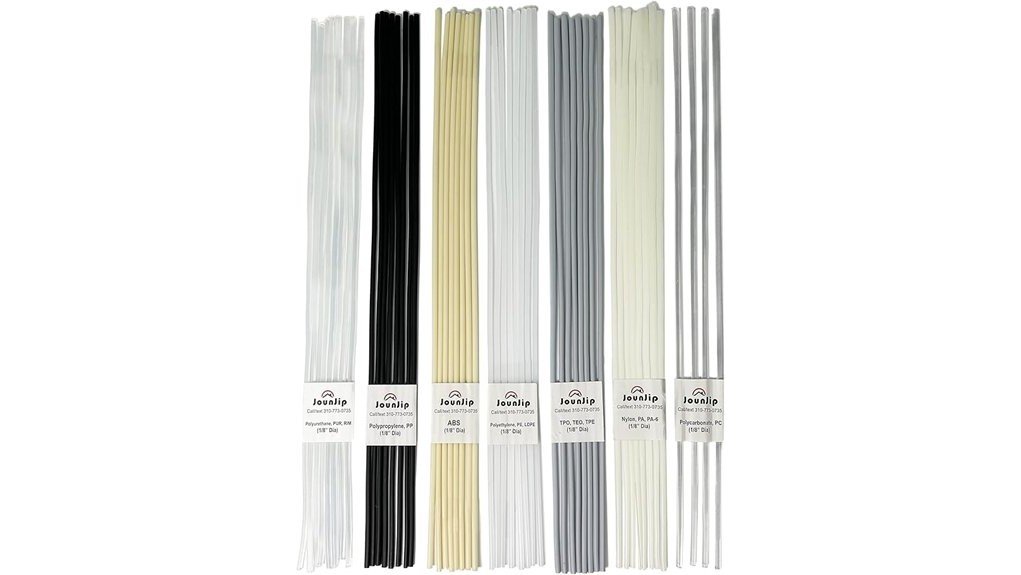
| Compatibility | Article-supported claim of compatibility with seven common plastics, including polypropylene (PP), ABS, and polycarbonate (PC) |
| Color examples listed | PP in black, ABS in beige, PC in clear |
| Best use | Plastic repairs on compatible items such as bumpers, kayaks, and household plastic parts |
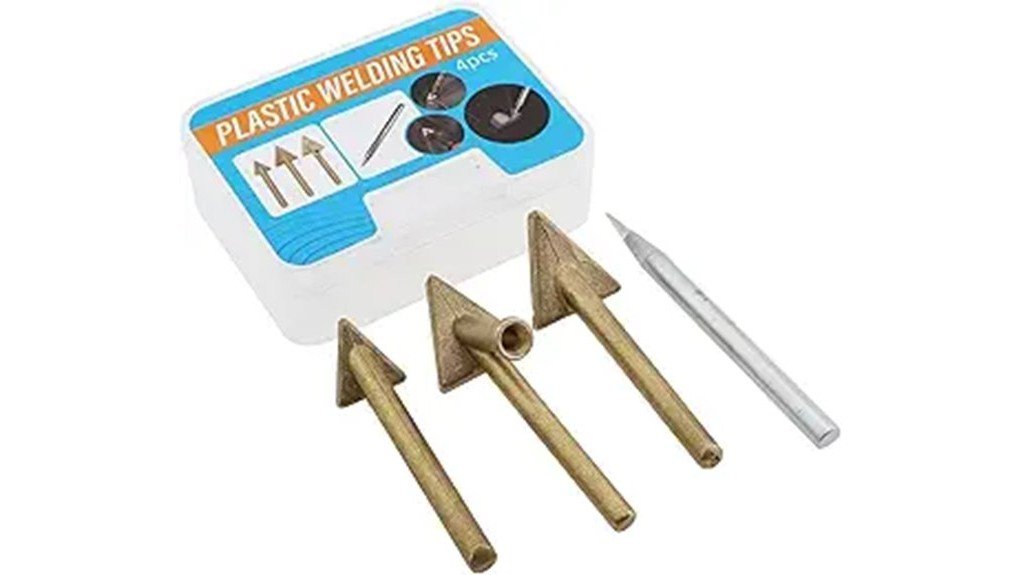
| Tool note | Designed for use with compatible plastic welding tools, including the JOUNJIP Plastic Welder Kit mentioned in the source article |
| Storage note | Store sealed in a cool, dry place away from moisture |
What Is the JOUNJIP 13-inch Plastic Welding Rods Pack?
The JOUNJIP 13-inch Plastic Welding Rods pack is a set of 1/8-inch diameter filler rods for plastic welding repairs. Instead of using glue alone, you heat the rod and the compatible base plastic so the material can bond as it cools. That makes the set most useful when you already know the type of plastic you are repairing.
The 52-pack gives you enough rod material for multiple small repair projects. The source article lists compatibility with seven common plastics and gives examples such as polypropylene (PP), acrylonitrile butadiene styrene (ABS), and polycarbonate (PC). Those examples matter because plastic welding works best when the rod material matches, or is very close to, the plastic being repaired.
Before You Buy: Do not treat this as a universal fix for every plastic. You should identify the base plastic first, then choose the matching rod type. If the plastic is unknown, food-contact, safety-critical, or part of a load-bearing repair, get professional guidance before welding.
Who Should Buy It?
Best For
- DIY users who repair known plastic types such as PP, ABS, or PC.
- Garage and shop users who want a 52-pack for repeated small plastic repairs.
- Owners of compatible plastic welders who need replacement or extra filler rods.
Skip If
- You do not know what type of plastic you are repairing.
- You need a verified food-safe or beverage-contact repair material.
- You want a no-heat adhesive repair instead of a welding rod system.
Compatibility and Plastic Matching
The biggest buying factor is compatibility. The article-supported plastic examples include PP, ABS, and PC, which are common in many automotive, outdoor, and household plastic parts. The benefit is flexibility: you can handle more than one repair type from a single pack if the included rods match the plastic you are working on.
The limitation is just as important. Plastic welding is not guesswork. If you use the wrong rod, the weld may not bond well, may separate after cooling, or may fail when the part flexes. Look for plastic markings on the part, such as molded recycling codes or material stamps, before you choose a rod.
Rod Size, Count, and Repair Coverage
Each rod measures 13 inches long and 1/8 inch in diameter. That size is practical for hand-fed plastic welding because it gives you enough length to work along cracks, seams, and small gaps without replacing the rod every few seconds. The 1/8-inch diameter is also manageable for common repair work where you need control instead of a heavy bead.
The 52-pack count is one of the stronger value points. You get enough material for practice runs, test beads, and several repair attempts. That is useful because plastic welding often takes trial and error, especially if you are learning heat control, pressure, and rod angle.
Build Quality and Bond Strength
The source article describes the rods as durable and intended to create strong, lasting bonds. In real use, the final repair depends on more than the rod alone. Surface prep, plastic match, welder temperature, bead pressure, cooling time, and the condition of the damaged part all affect the result.
These rods make the most sense for practical repairs such as cracks, small breaks, worn edges, and plastic patching where the material can be heated safely. They are not a promise that every damaged plastic part will return to original strength. For safety-related parts, structural repairs, or high-heat environments, treat the repair as temporary unless a qualified professional confirms it is safe.
Ease of Use With a Plastic Welder
The article notes that the rods pair well with the JOUNJIP Plastic Welder Kit. That is helpful if you already own the kit because the rod size and repair style are meant to work together. You can feed the rod into the heated area, press it into the prepared crack, and build a bead that bridges the damaged section.
For beginners, the learning curve is not the rod itself. The challenge is heat control. Too little heat can leave a weak surface bond. Too much heat can deform the part, burn the plastic, or create fumes. Work slowly and follow the welder instructions for the plastic type you are repairing.
Pro Tip: Before repairing the visible area, test the rod on a hidden spot or scrap piece of the same plastic. A small test bead helps you confirm material match, heat level, and finish before you commit to the main repair.
How It Performs in Real Use
For Automotive Bumper Repairs
For compatible plastic bumpers, these rods can be useful for cracks, tabs, and small split areas. PP is common in many bumper covers, so the black PP rod example may be helpful when the damaged part is clearly marked as polypropylene. Clean the surface first and avoid treating a cosmetic bumper weld as a structural safety repair.
For Kayaks and Outdoor Plastic Gear
The source article mentions kayaks as a possible repair use. This type of job depends heavily on the kayak material and where the damage is located. A compatible rod can help with small cracks or worn spots, but outdoor repairs may still need careful testing because water exposure, flexing, and impact can stress the patch.
For Household Plastic Repairs
For bins, covers, cases, panels, and other everyday plastic items, the 52-pack gives you enough material to handle multiple small fixes. The rods are most helpful when the damaged item has a visible plastic type marking. If the item is thin, brittle, or heat-sensitive, work in short passes to avoid warping.
For Shop or Backup Use
If you repair plastic items often, a multi-plastic rod pack can save time because you are less likely to stop a job for a single rod type. The pack count also gives you extra material for practice, which matters if different plastics need different heat and feed speeds.
How to Use It Correctly
Start by identifying the base plastic. Look for a stamped material code, check the product manual, or compare it with a known scrap piece. Then choose the matching rod type from the pack. Do not assume that a rod will work just because the color looks close.
Clean the repair area before welding. Dirt, oil, wax, paint residue, and moisture can weaken the bond. If the part allows it, lightly groove or roughen the crack area so the melted rod has a better place to sit.
Heat the base plastic and the rod together, then press the softened rod into the damaged area. Keep steady pressure and allow the weld to cool naturally. After cooling, you may be able to trim, sand, or finish the area depending on the plastic and the repair location.
Compatibility and Safety Notes
These rods are for plastic repair work, not for food-contact repairs unless the manufacturer specifically confirms that use. The source article also cautions that food safety or material compliance is not guaranteed. Avoid using the rods on cups, water bottles, food containers, cutting boards, or any surface that touches food or drink unless you have verified approval from the manufacturer.
Use plastic welding in a well-ventilated area and follow the welder manual. Heated plastics can create fumes, and different plastics behave differently under heat. Wear appropriate eye protection and heat-resistant gloves, and keep children, pets, and flammable items away from the work area.
Storage also matters. Keep the rods sealed in a cool, dry place, away from moisture and extreme temperatures. The original article recommends a cool, dry environment around 50 to 80°F with low humidity to help preserve rod performance.
Pros and Cons
Pros
- 52 rods give you enough material for multiple repair attempts and practice beads.
- 13-inch length is practical for hand-fed plastic welding work.
- 1/8-inch diameter gives a controlled bead for small and medium plastic repairs.
- Article-supported compatibility includes seven common plastics, with PP, ABS, and PC examples.
- Useful for compatible automotive, outdoor, and household plastic repairs.
Cons
- You must identify the base plastic before choosing the rod.
- Not verified for food-contact repairs.
- Final bond strength depends on heat control, surface prep, and plastic compatibility.
Is It Worth the Price?
The JOUNJIP 13-inch Plastic Welding Rods look like a strong value for the price if you need several rod types for repeat repairs. The 52-pack count is useful because it gives you material for practice, mistakes, and more than one project. That matters more than it may seem, since plastic welding often improves after a few test beads.
This pack is better for buyers who care about versatility and already have a compatible plastic welder. It is not the best fit if you only need one specific plastic type in bulk, or if you want a simple adhesive that does not require heat.
How It Compares to Alternatives
Compared with single-material PP rods, this JOUNJIP pack is more flexible because it is described as compatible with several common plastics. Compared with bulk ABS rod spools, it is better for mixed small repairs than for high-volume work on one plastic type. Compared with two-part plastic repair epoxy, these rods are better for heat-welded repairs but require more skill and a compatible welder.
The JOUNJIP rods make the most sense if you want a multi-use rod pack for known plastic types. If you need one material only, a dedicated rod pack for that exact plastic may be more efficient.
Frequently Asked Questions
What plastics do the JOUNJIP 13-inch Plastic Welding Rods work with?
The source article says the rods are compatible with seven common plastics. Listed examples include polypropylene (PP), acrylonitrile butadiene styrene (ABS), and polycarbonate (PC). Always match the rod to the base plastic before welding.
How many rods come in the pack?
The pack includes 52 plastic welding rods. That count gives you enough material for test welds, small repairs, and multiple projects without immediately needing another pack.
What size are the rods?
Each rod is listed as 13 inches long with a 1/8-inch diameter. That size is easy to handle for many common plastic welding repairs and small bead work.
Can you use these rods for outdoor repairs?
You can use them on outdoor plastic items when the rod matches the base plastic and the repair is appropriate for welding. Outdoor repairs may face sun, water, flexing, and impact, so test the repair before relying on it for demanding use.
Are these rods safe for food-related items?
The source article does not verify food safety or material compliance for food-contact use. Do not use these rods on items that touch food or beverages unless the manufacturer confirms that application.
Do you need a special tool to use them?
You need a compatible plastic welding tool that can heat the rod and the repair area correctly. The article mentions use with the JOUNJIP Plastic Welder Kit, and the rods are also described as compatible with standard welding tools.
How should you store the rods after opening?
Store the rods sealed in a cool, dry place away from moisture. The original article recommends low humidity and a storage temperature around 50 to 80°F to help preserve usability.
Who should skip this rod pack?
Skip it if you cannot identify the plastic type, need a verified food-safe material, or want a no-heat repair method. You should also avoid using it for safety-critical or structural repairs unless a qualified professional confirms the repair is suitable.
The Bottom Line
The JOUNJIP 13-inch Plastic Welding Rods are worth considering if you repair known plastic types and want a 52-pack with article-supported compatibility examples such as PP, ABS, and PC. The main strength is versatility for multiple repair jobs, while the main limitation is that you must match the rod to the base plastic and use proper heat control. Skip it if you need verified food-contact material, a no-heat adhesive, or a guaranteed repair for structural or safety-critical parts.