Disclosure: As an Amazon Associate, we earn from qualifying purchases. If you click a link on this page and make a purchase, we may receive a small commission at no extra cost to you.
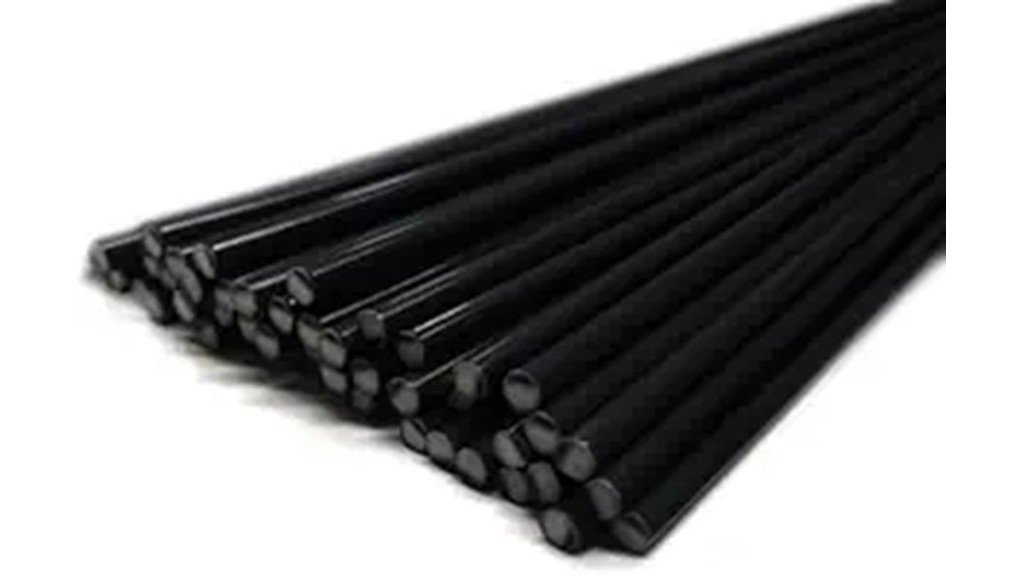
Small polypropylene repairs can be frustrating when a bumper tab, headlight mount, or plastic bracket snaps in a tight spot. The JOUNJIP Plastic Welding Rods are made for polypropylene repair work, with a 1/8-inch diameter and 13-inch length that give you enough control for smaller repair areas. This review helps you decide if these rods fit your repair job, your plastic welding setup, and your comfort level with heat-based plastic repair. They make sense for compatible PP parts, but they are not the right choice for every plastic type.
Quick Verdict
Rating: 8/10, Recommended with caveats
Best For: DIY users and repair shops working on compatible polypropylene parts, especially small tabs, mounts, and tight repair areas.
Bottom Line: JOUNJIP Plastic Welding Rods are a practical choice when you need narrow PP repair rods for controlled plastic welding. The main limitation is compatibility, because you need to confirm the base plastic is polypropylene before expecting a strong repair.
| Specification | Detail |
|---|---|
| Brand | JOUNJIP |
| Product Type | Plastic welding rods |
| Supported Plastic Type | Polypropylene, commonly marked with recycling number 5 |
| Rod Diameter | 1/8 inch |
| Rod Length | 13 inches |
| Common Use Cases | Car bumper tabs, headlight tabs, and other compatible PP plastic parts |
| Compatibility Note | Designed for use with compatible plastic welding tools, including JOUNJIP boot tips and plastic welding kit setups noted in the source article |
| Typical Welding Temperature | About 350°F to 450°F, based on the article guidance for these polypropylene rods |
| Storage Note | Store flat, dry, and separated to prevent bending, contamination, or surface damage |
What Are the JOUNJIP Plastic Welding Rods?
The JOUNJIP Plastic Welding Rods are filler rods for repairing compatible polypropylene plastic. Polypropylene is often marked with recycling number 5, so checking the plastic mark before welding is one of the most important steps. These rods are not general-purpose glue sticks. They are meant to melt into a compatible plastic surface so the rod and base material can bond as they cool.
The 1/8-inch diameter makes the rods useful for smaller repair points where a wider filler rod may feel clumsy. The 13-inch length gives you workable reach without making the rod difficult to guide. For automotive use, that size can help when you are repairing narrow bumper tabs, headlight mounting tabs, or small PP brackets.
Before You Buy: These rods are intended for polypropylene repairs. Do not assume they will bond well to ABS, PVC, polyethylene, nylon, or an unknown plastic. Check the part marking first, and replace safety-critical parts when a repair is not appropriate.
Key Takeaways
- The rods measure 1/8 inch in diameter and 13 inches long, which helps with small and controlled repair work.
- They are made for polypropylene repairs, especially plastic parts marked with recycling number 5.
- They can be useful for car bumper tabs, headlight tabs, and small PP plastic components when the base material is compatible.
- The narrow rod size is helpful in tight spaces where a large filler rod would be harder to place.
- They still require the right heat, a clean surface, and proper material matching for the best result.
Who Should Buy It?
Best For
- DIY users repairing small polypropylene tabs or brackets.
- Auto body users working on compatible bumper or headlight mounting areas.
- Anyone who needs a narrow 1/8-inch rod for controlled filler placement.
Skip If
- You cannot confirm that the damaged part is polypropylene.
- You need a repair for a structural or safety-critical vehicle part.
- You do not have a compatible plastic welding tool or proper safety setup.
Features and Specifications
The main strength of these JOUNJIP rods is their simple, repair-focused size. At 1/8 inch wide, the rods are thin enough for controlled filler work on small broken tabs and edge repairs. The 13-inch length also gives you enough rod to feed into the repair without holding your hand too close to the heated work area.
The rods are intended for polypropylene, so they are best used when the original part is also PP. Matching the rod material to the base plastic matters because plastic welding relies on compatible materials softening, blending, and cooling together. If the plastics do not match, the repair may look filled but fail under load or vibration.
Fit and Compatibility
Compatibility is the most important buying factor here. These rods are a better fit for polypropylene parts than for mixed, unknown, or painted plastics where you cannot identify the base material. Many automotive plastic parts have material codes molded into the back side, so look for a PP or recycling number 5 mark before you start.
For bumper and headlight areas, focus on tabs, mounts, and small support points rather than crash-absorbing structures. A plastic weld can help restore a broken tab, but it should not be treated as a guaranteed fix for every damaged part. If a part affects safety, alignment, lighting security, or vehicle inspection requirements, consider professional repair or replacement.
Materials and Build Quality
The article-supported material detail is polypropylene compatibility. That matters because PP is common in automotive plastics, but it can be harder to bond with ordinary adhesives. A heat-based repair with a matching PP filler rod can make more sense than glue when the damaged area needs a material-to-material bond.
The rod shape also helps with handling. A 1/8-inch rod can be fed into a heated joint with more precision than a thicker filler. That is useful when you need to rebuild a small tab edge or add material around a crack without flooding the surrounding plastic.
How It Performs in Real Use
For Car Bumper Tabs
For compatible PP bumper tabs, these rods can help rebuild missing material or reinforce a crack around a tab. The narrow diameter gives you better control when working near clips, screw holes, and small mounting points. Clean the area first, then work slowly so the rod and base plastic soften together.
For Headlight Mounting Tabs
Headlight tabs can be small and awkward to reach, which is where a 13-inch rod can help. The key is checking the plastic type before welding. If the tab is not polypropylene, these rods may not bond correctly, even if the repair looks acceptable at first.
For Tight Repair Areas
The 1/8-inch diameter is helpful in tight spaces because it gives you a smaller bead. That makes it easier to apply filler around corners, tabs, and narrow cracks. It also reduces the chance of adding too much material, which can create fitment problems during reassembly.
For Long-Term Shop Use
These rods are easy to keep as part of a small plastic repair kit. Store them flat and dry, and keep them away from dirt, oils, and moisture. Clean rods are easier to feed and less likely to introduce contamination into the weld area.
How to Use It Correctly
Start by identifying the plastic. Look for a PP mark, recycling number 5, or another material code on the back side of the part. If you cannot confirm the material, test in a hidden area or get professional guidance before using heat on the part.
Next, clean the repair area so it is free of paint flakes, oil, wax, and loose plastic. A clean surface helps the softened rod and base plastic blend more evenly. Use a compatible plastic welding tool and follow the tool instructions for temperature, tip setup, and safe handling.
Pro Tip: Keep a short scrap piece from the damaged part when possible. You can use it to confirm plastic behavior and practice heat control before welding the visible repair area.
Temperature and Heat Control
The article guidance lists an effective welding range of about 350°F to 450°F for these polypropylene rods. That range gives you a starting point, but your actual setup may vary based on the tool, tip, airflow, part thickness, and working angle. The goal is to soften the rod and the repair area enough to blend them, not burn or char the plastic.
Too little heat can leave the rod sitting on top of the surface instead of bonding into it. Too much heat can distort the part, weaken the surrounding area, or create unpleasant fumes. Work in small passes and let the area cool before trimming or sanding.
Compatibility and Safety
Use these rods only in a safe, ventilated workspace. Plastic welding uses heat, so wear eye protection, gloves that match the task, and avoid breathing fumes from heated plastic. Do not weld near flammable materials, fuel residue, solvents, or oily surfaces.
For vehicle parts, think about the role of the damaged area. A small tab repair is different from a repair that affects crash protection, lighting alignment, or a part that holds major load. When the repair affects safety or legal road use, professional help is the safer choice.
Customer Service Experience
The original article notes positive customer-service feedback, especially around knowledgeable support and guidance on product use. That can be helpful if you are unsure which tip, rod, or repair setup fits your job. For a simple consumable product like welding rods, useful support can reduce trial and error.
Still, customer service does not replace material matching. Even helpful support cannot make a PP rod suitable for every plastic part. Your best results will come from confirming the plastic type, using the right heat, and preparing the damaged area correctly.
Pros and Cons
Pros
- 1/8-inch diameter helps with precise filler placement.
- 13-inch length gives useful reach while feeding the rod.
- Good fit for compatible polypropylene repair work.
- Useful for small automotive tabs, mounts, and tight spaces.
- Easy to store as part of a plastic welding repair kit.
Cons
- Limited to compatible plastic types, mainly polypropylene.
- Requires a proper plastic welding tool and heat control.
- Not a safe substitute for replacing badly damaged or safety-critical parts.
Is It Worth the Price?
These rods can be a smart buy for everyday polypropylene repair work if you already have a compatible plastic welding setup. The best value comes from small repairs where replacing the whole part would be costly or inconvenient, such as a broken bumper tab or a plastic mount that can be safely restored.
The value is weaker if you only need one repair and do not already own a suitable tool. You should also factor in the time needed to clean, weld, cool, and finish the repair. If the damaged part is not polypropylene, these rods are not the best fit, even if the price looks attractive.
How It Compares to Alternatives
Compared with mixed plastic welding rod kits, these JOUNJIP rods make more sense when you already know the damaged part is polypropylene. A mixed kit may be better if you repair many plastic types and need ABS, PP, PE, or other rod options on hand.
Compared with adhesives or epoxy, plastic welding can be better when you need the filler to become part of the compatible plastic surface. Adhesives may still be easier for quick cosmetic fixes, but they may not handle flex, heat, and vibration the same way on PP parts.
Frequently Asked Questions
What plastic are JOUNJIP Plastic Welding Rods made for?
They are intended for polypropylene repairs. Look for PP or recycling number 5 on the damaged part before using them.
Can these rods be used on car bumpers?
Yes, they can be useful on compatible polypropylene bumper tabs and small PP repair areas. Check the material marking first because not every bumper or trim piece uses the same plastic.
What temperature should you use with these rods?
The article guidance lists about 350°F to 450°F for effective welding with these polypropylene rods. Follow your plastic welding tool instructions and avoid overheating the part.
Can they repair headlight tabs?
They may work for headlight tabs if the tab material is compatible polypropylene. If the tab holds the headlight alignment or affects road safety, consider professional repair or replacement.
Do you need a special tool to use them?
You need a compatible plastic welding tool or kit that can heat and apply the rod correctly. These rods are not meant to work by themselves like glue or tape.
How should you store the rods after opening?
Store them flat, dry, and separated from dirt, oil, and moisture. Good storage helps keep the rod surface clean for future repairs.
Who should skip these rods?
Skip them if you cannot confirm the plastic is polypropylene or if the damaged part is safety-critical. They are also not ideal if you do not have a proper plastic welding tool.
The Bottom Line
The JOUNJIP Plastic Welding Rods are worth considering if you need narrow polypropylene rods for small repairs on compatible bumper tabs, headlight tabs, or PP plastic parts. They are not the right choice for unknown plastics, major structural repairs, or jobs where replacement is the safer option. Overall, the 8/10 rating fits buyers who can confirm material compatibility and use proper heat control.