Disclosure: As an Amazon Associate, we earn from qualifying purchases. If you click a link on this page and make a purchase, we may receive a small commission at no extra cost to you.
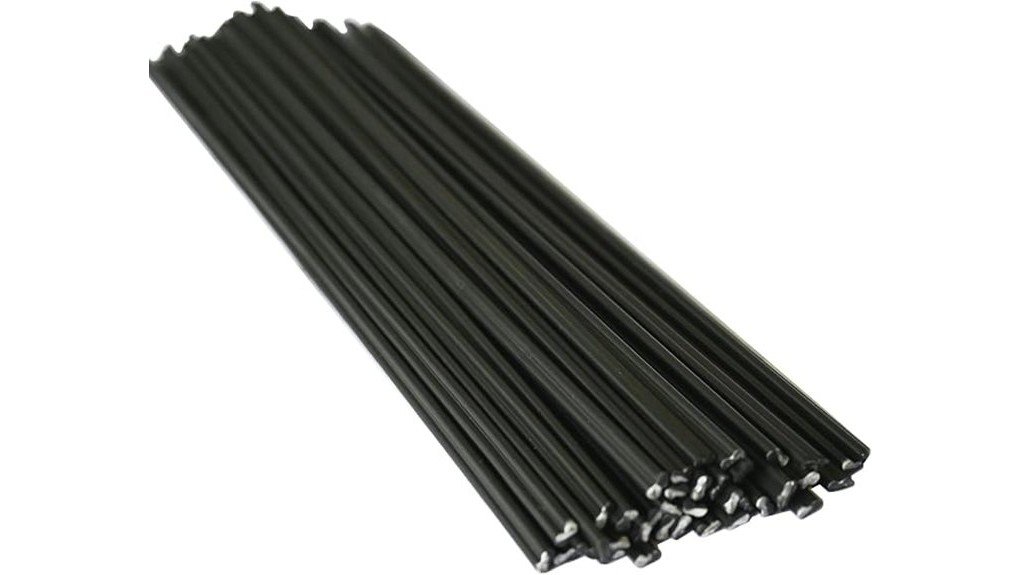
Plastic welding can save a cracked part, but only when the filler rod matches the plastic you are repairing. The GIEHOUGRIO black PP plastic welding rods give you 40 polypropylene rods, each 250 mm, or about 9.8 inches, long for repair work on compatible PP parts. The pack is useful for bumper, furniture, tank, toy, canoe, and similar projects when the base material is actually polypropylene. The main limitation is compatibility: you should identify the plastic first instead of assuming one PP rod will correctly fusion-weld every plastic item named in a product listing.
Quick Verdict
Rating: Recommended with caveats
Best For: DIYers and repair technicians working on confirmed polypropylene parts
Bottom Line: You get a practical 40-piece supply of black PP rods in a convenient 9.8-inch length. The tradeoff is that material matching matters, so these are not a universal rod for PVC, ABS, polyethylene, or every bumper or kayak plastic.
Key Takeaways
- The rods are black polypropylene and are intended primarily for welding compatible PP plastic.
- You receive 40 rods, with each rod measuring 250 mm, or about 9.8 inches, long.
- The manufacturer lists plastic bumpers, kayaks, furniture, toys, water tanks, pipes, and canoes among possible applications, but you should confirm the actual plastic type before welding.
- The listing describes the PP material as low density and resistant to acids, alkalis, and corrosion.
- The pack makes the most sense when you already have suitable plastic-welding equipment and need a repeat supply of PP filler material.
Key Specifications
| Specification | Detail |
|---|---|
| Brand / Store | GIEHOUGRIO |
| Part number | 098822 |
| Product type | Plastic welding rods |
| Material | Polypropylene (PP) |
| Color | Black |
| Rod length | 250 mm, about 9.8 inches |
| Quantity | 40 rods per package |
| Item weight | 4.2 ounces |
| Package dimensions | 12.09 x 2.36 x 0.55 inches |
| Country of origin | China |
| ASIN | B0CHQHHD12 |
| Best use | Repairing confirmed PP thermoplastic parts with appropriate plastic-welding equipment |
What Are the GIEHOUGRIO PP Plastic Welding Rods?
These are black polypropylene filler rods made for plastic-welding repairs. Instead of using glue to bridge a crack, plastic welding softens compatible thermoplastic and filler material so the repair can be fused and shaped with the correct equipment and technique.
The package contains 40 rods, which gives you enough material for repeated small repairs or several larger jobs depending on crack length and how much reinforcement is needed. The 250 mm length is easy to handle around bumpers, tanks, furniture, and other molded parts without working from an oversized coil.
The most important buying point is not the item you are fixing but the resin it is made from. A bumper, kayak, pipe, or water tank can be made from different plastics, so look for a molded material code such as PP before you choose the filler rod.
Before You Buy: These are polypropylene rods, not universal plastic filler. The Amazon listing names PVC pipe as an application, but standard plastic-welding practice is to match the welding rod to the base plastic. Use a PVC rod for PVC and a PP rod for polypropylene unless a qualified repair procedure specifically says otherwise.
Who Should Buy It?
Best For
- You repair confirmed PP automotive or household parts.
- You already own a suitable hot-air or other plastic-welding tool.
- You want a 40-piece supply instead of buying only a few short filler rods.
Skip If
- You cannot identify the plastic you need to repair.
- Your part is PVC, ABS, nylon, HDPE, or another non-PP resin or blend that requires a different filler.
- You need a complete repair kit with a welder, mesh, prep tools, and finishing supplies.
Key Features of the Plastic Welding Rods
Polypropylene Material and Compatibility
The key feature is the polypropylene composition. PP is common in automotive and household molded parts, so a dedicated PP rod can be useful when the part itself carries a PP material mark. Using a matching rod gives you a better basis for a true thermoplastic weld than choosing filler by color or by the object’s name.
This compatibility rule also explains the main drawback. You should not assume that every black bumper, kayak, tank, toy, or pipe uses polypropylene. Check the molded resin code, repair documentation, or material identification method before applying heat.
40-Piece Pack and 9.8-Inch Length
Each package contains 40 rods, and each rod is 250 mm long. That gives you many individual pieces to work with, which is useful when you want clean, manageable lengths for crack repairs instead of cutting from a long continuous spool.
The pack format is also convenient for storage. You can keep unused rods separated from contaminated bench material and pull out only what you need for the current repair.
Chemical and Corrosion Resistance
The manufacturer describes the polypropylene as resistant to acids, alkalis, corrosion, and a range of corrosive media. For you, that means the filler material is intended for the same type of chemically stable applications often associated with PP.
That does not mean every finished weld automatically has the same resistance as an undamaged molded part. Joint preparation, contamination, overheating, stress, and mismatched plastics can all affect the quality of the repair.
Low-Density Material and Workability
The listing describes the PP material as low density and easy to operate. In practical use, the short rods are light and easy to position while you feed material into a repair area.
Workability still depends on technique. The rod and base material need controlled heat and proper surface preparation, so these rods are best viewed as filler material rather than a complete repair solution.
How It Performs in Real Use
For PP Bumper Repairs
A cracked bumper cover is one of the clearest use cases, but first inspect the material marking on the back of the part. If it is confirmed PP, these rods give you a matching filler option for building material into a prepared crack. If the marking shows a different resin or blend, confirm the repair method and filler recommended for that exact material.
For Plastic Furniture and Household Parts
Chairs, bins, toys, and molded household parts can crack around edges, mounting points, or impact areas. The 9.8-inch rods are easy to handle for localized repairs, but only after you confirm that the base part is polypropylene. A strong-looking bead on an incompatible plastic is not the same as a proper fusion weld.
For Tanks, Canoes, and Kayaks
The product listing mentions water tanks, canoes, and kayaks. These items can be made from PP, polyethylene, or other plastics, so material identification is especially important. If the object is not PP, choose a filler and procedure intended for its actual resin rather than relying on the application list alone.
For Repeated Workshop Repairs
The 40-piece count is helpful when you handle several PP repairs over time. You can dedicate clean rods to different jobs and avoid repeatedly cutting small lengths from one long coil. For frequent repair work, the simple pack also makes it easy to see when your PP filler supply is getting low.
How to Use PP Welding Rods Correctly
- Identify the plastic first. Look for a PP resin mark or use a reliable identification method before welding.
- Clean and prepare the damaged area. Remove dirt, paint, oil, oxidation, and loose material as required by your repair method.
- Use the correct plastic-welding equipment. Follow the welder manufacturer’s settings and instructions for polypropylene rather than relying on a generic temperature number.
- Work in controlled passes. Heat the base plastic and filler as required by your welding process, then form the joint without scorching the material.
- Let the repair cool before loading it. Do not bend, sand, or stress the repaired area until the plastic has cooled and stabilized.
Pro Tip: Keep a small set of clearly labeled filler rods for PP, ABS, PVC, and other plastics you commonly repair. Matching the rod to the molded resin code is more reliable than choosing a rod by the part’s color or appearance.
Compatibility and Safety
Plastic welding involves hot tools and molten polymer. Follow the instructions supplied with your welder, use appropriate eye and hand protection, and provide suitable ventilation for heated-plastic work. Do not touch softened filler or the welding tip until it has cooled.
For structural, pressurized, safety-critical, or load-bearing parts, a simple cosmetic weld may not be enough. If failure could cause injury, leakage, loss of vehicle control, or property damage, follow an approved repair procedure or use a qualified professional.
Storage is simple: keep unused rods clean, dry, and away from excessive heat or contamination. Clean filler is easier to work with than material that has picked up oil, dust, or workshop debris.
Pros and Cons
Pros
- Dedicated polypropylene filler for confirmed PP repairs.
- 40 rods provide a useful supply for multiple projects.
- Each 250 mm rod is a manageable length for hand-fed repair work.
- Black color suits many dark automotive and household PP parts.
- Manufacturer lists resistance to acids, alkalis, and corrosion.
Cons
- Not a universal rod for every plastic named in broad application lists.
- You need separate plastic-welding equipment and proper surface preparation.
- The listing does not provide a verified rod diameter or a product-specific welding-temperature setting.
Is It Worth the Price?
These rods can offer strong value if you specifically need polypropylene filler and already have the rest of your repair setup. The 40-piece package gives you more working stock than a tiny sample pack, and the short individual rods are convenient for occasional bumper, furniture, tank, or workshop repairs.
The value drops if you are buying them as a one-size-fits-all plastic solution. You may need different filler rods for PVC, ABS, polyethylene, TPO, nylon, or other plastics, so the best buyer is someone who knows PP is the material being repaired.
How It Compares to Alternatives
A dedicated product such as Polyvance R02 is another option when you want polypropylene filler with extensive repair documentation and multiple rod profiles. For PVC work, a dedicated PVC welding rod is the more appropriate comparison because PVC and PP are different materials and normally require matching filler.
You can also find broader plastic-welding assortments that include several resin types. Those kits may be better if you regularly repair unknown or mixed plastics, while this 40-piece GIEHOUGRIO pack makes more sense when you mainly need black PP filler.
Customer Experience and Support
The Amazon listing states that the seller offers customer support for issues during use. That is useful if you receive a damaged package or have a product-specific question, but support should not replace proper plastic identification or an approved repair method.
Because the pack is simple filler material, your overall result will depend more on correct resin matching, surface preparation, tool control, and repair technique than on the rods alone.
Frequently Asked Questions
What plastic are these welding rods made from?
They are black polypropylene, commonly marked PP. Use them primarily when the part you are repairing is also identified as compatible polypropylene.
How many rods come in the package?
The package contains 40 welding rods. Each rod is listed at 250 mm, or about 9.8 inches, long.
Can you use these PP rods on PVC pipe?
Do not assume so just because PVC pipe appears in the seller’s application list. Standard plastic-welding practice is to match the filler rod to the base resin, so PVC generally calls for PVC filler rather than PP filler.
Are these rods suitable for car bumper repair?
They can be a good match for a bumper part that is confirmed polypropylene. Check the molded resin code first because bumper components can use PP and related blends as well as other plastics.
What temperature should you use to weld these rods?
The product listing does not provide a verified product-specific welding-temperature range. Follow the settings and procedure supplied with your plastic welder for polypropylene, since required heat depends on the tool and welding method.
Can you use a regular heat gun?
A controlled plastic-welding tool is the safer choice because you need enough control to heat the filler and base material correctly. If your equipment manufacturer supports PP welding, follow its instructions, tips, airflow, and heat settings.
How should you store unused welding rods?
Keep them clean, dry, and away from excessive heat, flame, oil, and workshop contamination. Clean filler reduces the chance of introducing dirt into the weld area.
Who should skip this 40-piece PP rod pack?
Skip it if you do not know the plastic type, need filler for another resin, or want a complete welding kit. It is best for buyers who already have suitable equipment and a confirmed PP repair.
The Bottom Line
The GIEHOUGRIO 40-piece PP welding rod pack is worth considering when you repair confirmed polypropylene parts and want a practical supply of 9.8-inch black filler rods. Its main strength is straightforward PP-specific material in a useful quantity, while its main limitation is that it should not be treated as universal filler for every plastic application listed online. Skip it if you cannot identify the base resin or need a complete plastic-welding kit.