Disclosure: As an Amazon Associate, we earn from qualifying purchases. If you click a link on this page and make a purchase, we may receive a small commission at no extra cost to you.
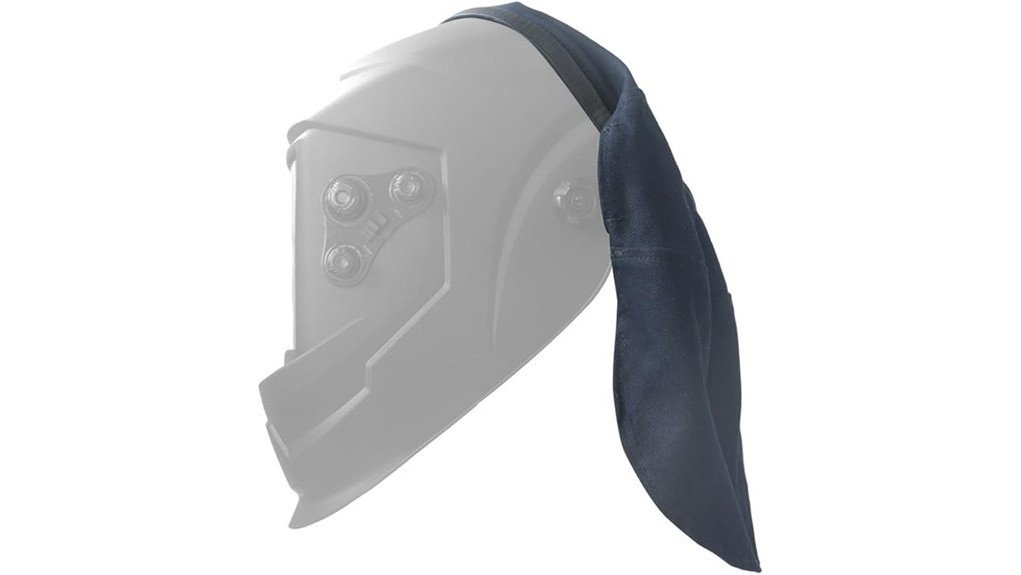
Welding sparks often find the small gaps your helmet does not cover, especially around your neck, ears, hairline, and collar. The Practical Welding Cap is made for that problem, giving you an extra layer of wrap-around coverage under or alongside a standard welding helmet.
This review helps you decide whether the cap is useful protection for your shop, garage, or field repairs. It has a leather and durable fabric build that improves spark coverage, but it is still supplemental gear, not a replacement for certified welding protection.
Quick Verdict
Rating: 7.5/10, recommended with caveats
Best For: Welders who want extra neck and helmet-edge protection
Bottom Line: The Practical Welding Cap adds useful spark and UV coverage around exposed areas. It works best as a comfortable add-on, but fit, heat buildup, and helmet clearance can vary.
Key Specifications
| Specification | Detail |
|---|---|
| Product Type | Welding cap / helmet liner cap |
| Design | Wrap-around protective cap |
| Fit | Universal fit for most standard welding helmets |
| Material | Leather and durable fabric blend |
| Coverage Areas | Neck, hairline, and lower helmet-edge zones |
| Protection Role | Supplemental coverage against sparks, moderate heat contact, and UV exposure |
| Best Use | Shop welding, repair work, outdoor welding, and tasks with frequent helmet movement |
| Care | Wipe clean and store dry |
| Safety Note | Not a replacement for a certified welding helmet, face shield, respirator, or full protective hood |
What Is the Practical Welding Cap?
The Practical Welding Cap is a protective welding accessory designed to sit under or near your helmet. Its main job is to cover areas that standard helmets can leave exposed, especially around the neck, hairline, and lower helmet edges.
The cap uses leather with durable fabric sections, so it aims to balance spark resistance with flexibility. That matters when you need extra coverage but do not want the bulk of a full welding hood during shorter jobs.
It is best viewed as a secondary layer. You still need your proper helmet, eye protection, gloves, clothing, and any respiratory protection required for the material and process you are using.
Who Should Buy It?
Best For
- Welders who get sparks near the neck, collar, or helmet edge
- DIY and shop users who already wear a standard welding helmet
- Workers who want more coverage without moving to a full hood
Skip If
- You need certified full-face, eye, or respiratory protection
- Your helmet already fits very tight around your head and neck
- You only want an ultra-light cotton cap for cool comfort
Design and Helmet Compatibility
The wrap-around design is the most useful part of this cap. It extends protection beyond the lower helmet edge, which helps when you are working in positions where sparks can bounce upward or land behind the helmet line.
The universal fit design should work with most standard welding helmets, but it is not guaranteed to feel the same with every helmet shape. A tighter helmet shell may press the cap against your head or create more warmth around your neck.
The split-style construction also helps when you need to put it on or remove it during short breaks. That makes it more practical for repair work, tack welding, or jobs where you remove your helmet often.
Pro Tip: Test the cap with your helmet before welding. Check that the cap overlaps the neck area without blocking your helmet seal, lens position, or headgear adjustment.
Materials and Build Quality
The leather outer layer gives the cap better resistance to sparks than a basic fabric-only welding cap. That can help reduce small burns and wear in areas that often catch spatter or grinder dust.
The fabric sections add flexibility, which helps the cap move with your helmet instead of feeling stiff. This balance matters during overhead work, crouched positions, and quick repair tasks where you turn your head often.
You should still inspect the cap regularly. Any welding accessory that sees sparks, heat, sweat, and shop debris can wear over time, especially near seams and edges.
Safety and Protection
This cap is designed to reduce exposure around secondary protection zones. Those zones include the neck, hairline, and lower helmet edges where sparks, heat, and UV exposure can still reach your skin.
It should not be treated as standalone protective equipment. It does not replace a welding helmet, safety glasses, face shield, respirator, fire-resistant clothing, gloves, or other gear required for your welding process.
Before You Buy: This cap is supplemental protection only. Do not use it as your main head, face, eye, or respiratory protection, and always match your safety gear to the welding process and work environment.
Comfort and Heat Management
Comfort depends heavily on your helmet fit, room temperature, and session length. The leather layer improves coverage, but it can also feel warmer than a thin cotton cap during long continuous work.
For short shop tasks, the extra warmth may not bother you. For long beads, overhead welding, or outdoor summer work, you may need more breaks to manage sweat and heat around your head and neck.
If you already wear a tight helmet liner, balaclava, or hood, adding this cap may create too much bulk. In that case, check clearance before starting a real job.
Fit Tips Before You Buy
Fit matters more than the product description suggests. A cap that sits too high can leave your neck exposed, while one that sits too low may interfere with your helmet headgear or lens position.
- Wear the cap with the same helmet you use most often.
- Check that it does not push your helmet forward or upward.
- Make sure the neck coverage stays in place when you tilt your head down.
- Confirm it does not block your view, helmet seal, or headgear adjustment.
- Stop using it if it creates unsafe pressure, blocked vision, or poor helmet alignment.
How to Use It Correctly
Place the cap so the wrap-around section covers the exposed neck and helmet-edge areas. Then lower your helmet and check whether the cap stays flat without bunching.
Before welding, move your head through the same positions you expect to use on the job. Look down, turn side to side, and bend forward to confirm the cap stays in position.
After use, wipe away dust and debris with a damp cloth, then let it dry before storage. Avoid soaking it or machine washing it, since excess water and agitation can reduce leather durability.
How It Performs in Real Use
For Daily Shop Work
In a shop setting, the cap helps reduce irritation from sparks and helmet friction during repeated welding tasks. The leather layer is useful when you move between short welds, grinding, fitting, and checking your work.
For Long Welding Sessions
During longer sessions, the main tradeoff is heat. The cap adds protection, but it can also trap warmth around your head and neck, especially with tight helmets or poor airflow.
For Outdoor Welding
Outdoor welding often exposes your neck to both sunlight and welding arc exposure. This cap adds coverage around the back and sides of the neck, but you should still use proper protective clothing and avoid exposed skin.
For Maintenance and Repairs
The quick wear-and-remove design fits short repair jobs well. It is practical when you need added coverage but do not want to put on a full hood for every small tack or bracket repair.
Pros and Cons
Pros
- Leather construction improves spark resistance over fabric-only caps
- Wrap-around design adds useful neck and helmet-edge coverage
- Universal fit design works with most standard welding helmets
- More flexible and less bulky than many full welding hoods
- Easy wipe-clean care supports regular shop use
Cons
- Fit may vary depending on helmet shape and headgear clearance
- Can feel warm during long continuous welding sessions
- Not suitable as standalone head, face, or respiratory protection
Need extra neck coverage for welding work?
Is It Worth the Price?
The Practical Welding Cap fits best in the budget-to-mid-range accessory category. It offers strong value for the price if your main concern is extra coverage around your neck and helmet edge.
You get the most value if you already own a proper welding helmet and want a simple add-on for shop work, repairs, or outdoor jobs. It is not the best fit if you need certified full-coverage protection or a very breathable cap for hot conditions.
Its value comes from solving a specific problem, not from replacing your main safety gear. If sparks regularly land near your collar or hairline, it is worth considering as part of a wider protective setup.
How It Compares to Alternatives
Compared to basic cotton welding caps, this leather-enhanced cap gives you better spark coverage and more protection around the neck. Cotton caps can feel cooler, but they do not offer the same level of coverage around exposed lower helmet areas.
Compared to full leather welding hoods, this cap is lighter and easier to use for short jobs. A full hood makes more sense for maximum coverage, while the Practical Welding Cap is better when you want a simpler add-on for everyday welding tasks.
Frequently Asked Questions
Is the Practical Welding Cap heat resistant?
It is designed with leather and durable fabric to resist sparks and moderate heat exposure. It should still be used with a proper welding helmet and other required safety gear.
Does it fit all welding helmets?
It uses a universal fit design intended for most standard welding helmets. Very tight helmets, specialty helmets, or bulky headgear may affect comfort and alignment.
Can this replace a welding helmet or face shield?
No. This cap is only supplemental protection for areas around the helmet edge, neck, and hairline. You still need certified eye, face, skin, and respiratory protection where your work requires it.
Is it comfortable for long welding sessions?
Comfort depends on helmet fit, ventilation, and work temperature. The cap can feel warm during long sessions because the leather layer adds coverage and reduces airflow.
How should you position it under a helmet?
Position it so the wrap-around section covers your neck and lower helmet-edge gaps. Make sure it does not bunch, block your view, or push your helmet out of position.
Can you wash the cap?
Clean it gently with a damp cloth and let it dry before storage. Avoid soaking or machine washing it because excess water and agitation can damage leather and seams.
Who should skip this welding cap?
Skip it if you need full hood coverage, respiratory protection, or a certified face and eye protection solution. You may also want a lighter cap if you weld mostly in hot spaces.
The Bottom Line
The Practical Welding Cap is a smart add-on for welders who want extra neck and helmet-edge coverage without switching to a full hood. Its leather and fabric build improves spark protection, but it can feel warm and depends on proper helmet fit.
Buy it if you already use the right welding safety gear and want to cover exposed secondary zones. Skip it if you need primary head, face, eye, or respiratory protection.