Disclosure: As an Amazon Associate, we earn from qualifying purchases. If you click a link on this page and make a purchase, we may receive a small commission at no extra cost to you.
Recovering refrigerant cleanly depends on having a tool that grips the line securely, pierces with control, and helps reduce leaks during service. These Refrigerant Recovery Pliers are built for HVAC work where you need a firm hold, adjustable pressure, and a replaceable piercing needle for repeated use. This review explains what the tool does well, where you need to be careful, and who should consider it for refrigerant recovery tasks. The main strength is its practical recovery-focused design, while the main limitation is that compatibility and warranty details should be checked on the product listing before you buy.
Quick Verdict
Rating: 8.2/10, Recommended with caveats
Best For: HVAC technicians and maintenance users who need a dedicated tool for controlled refrigerant line access.
Bottom Line: These pliers make sense if you want reinforced jaws, adjustable clamping pressure, and a replaceable piercing needle in one tool. They are not the right choice if you need a universal tube tool or confirmed compatibility with every refrigerant setup.
| Specification | Detail |
|---|---|
| Product type | Refrigerant recovery pliers |
| Primary use | HVAC refrigerant recovery and air conditioning service tasks |
| Jaw design | Reinforced steel jaws for firm gripping during operation |
| Pressure control | Adjustable clamping pressure with fine-tuning end screw |
| Piercing component | Replaceable piercing needle |
| Leak-control feature | Sealing rubber around the piercing area |
| Grip feature | High-frequency quenching grips with resilient springs |
| Maintenance needs | Clean after use, inspect the needle, lubricate moving parts, and store dry |
| Safety note | Use with proper protective gear and follow HVAC recovery procedures |
What Are Refrigerant Recovery Pliers?
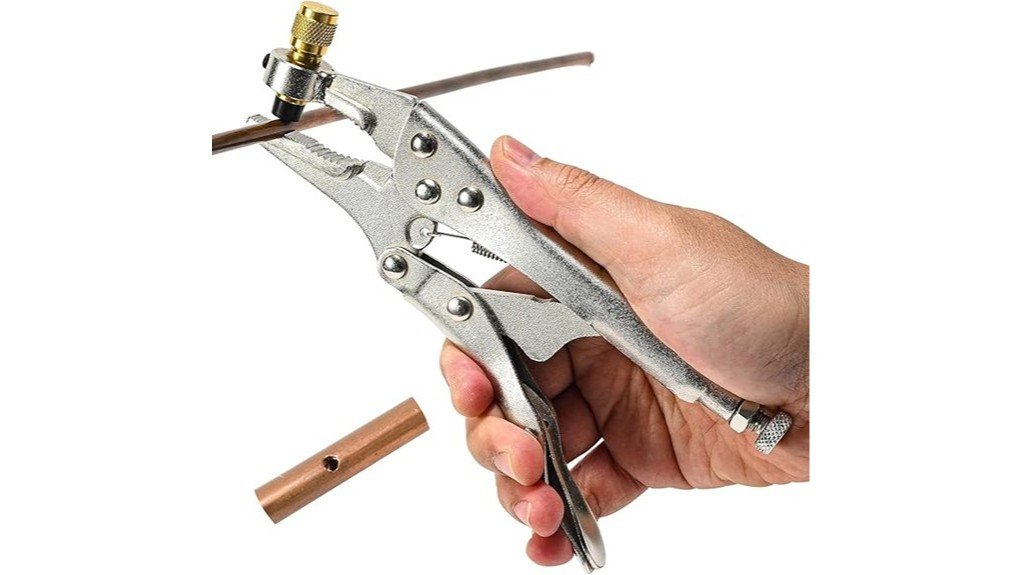
Refrigerant recovery pliers are a specialized HVAC hand tool made to help access refrigerant lines during recovery work. Instead of using a general-purpose plier or improvised clamp, you get a tool designed around gripping, controlled piercing, and leak reduction.
This model uses reinforced steel jaws to hold the line, an adjustable clamping pressure system to fine-tune the grip, and a replaceable piercing needle for repeated service work. The sealing rubber helps reduce refrigerant loss around the contact point when the tool is used correctly.
The tool is best viewed as part of a proper recovery setup, not as a standalone solution for every HVAC repair. You still need compatible recovery equipment, correct service procedure, and safe refrigerant handling practices.
Before You Buy: Do not assume these pliers fit every refrigerant line, tube size, or service situation. Check the product listing, your equipment setup, and your HVAC procedure before using them on a live system.
Who Should Buy It?
Best For
- HVAC technicians who need a dedicated tool for refrigerant recovery work.
- Maintenance users who want adjustable clamping pressure instead of a fixed-grip tool.
- Buyers who prefer a replaceable piercing needle for longer tool service life.
Skip If
- You need a tool for non-refrigerant tubing or general plumbing work.
- You cannot confirm fit with your line size, refrigerant setup, or recovery equipment.
- You want a complete refrigerant recovery machine rather than a line-access hand tool.
Key Features of Refrigerant Recovery Pliers
Reinforced Steel Jaws
The reinforced steel jaws give the tool its main gripping strength. A secure grip matters because slipping during refrigerant recovery can create poor alignment, weak contact, or avoidable leakage around the line.
For HVAC work, jaw strength is useful only when the tool is matched to the right application. If the tube shape, tube size, or work angle does not suit the pliers, forcing the tool can damage the line or reduce sealing performance.
Adjustable Clamping Pressure
The fine-tuning end screw lets you adjust clamping pressure before and during use. That helps you avoid two common problems: clamping too loosely and losing grip, or clamping too tightly and crushing or deforming the tubing.
This adjustment also makes the pliers more practical across different service conditions. You can set a controlled grip instead of relying only on hand pressure, which improves consistency during repeated jobs.
Replaceable Piercing Needle
The replaceable piercing needle is one of the most useful features for long-term use. A worn or damaged needle can reduce piercing accuracy and may make the tool harder to seal during recovery.
Because the needle can be replaced, you do not need to discard the entire tool when that part wears. Still, you should inspect the needle often and stop using the pliers if the tip looks bent, dull, cracked, or misaligned.
Sealing Rubber for Leak Control
The sealing rubber is designed to reduce refrigerant leakage around the pierced area. This feature supports cleaner work, but it still depends on correct placement, proper pressure, and a tube surface that allows a good seal.
Do not treat the seal as a guarantee against all leaks. Refrigerant recovery work can involve pressure, tight spaces, and old tubing, so you should check the connection carefully before and during recovery.
Spring-Loaded Grip Design
The high-frequency quenching grips and resilient springs help the tool open, close, and hold more predictably. This can reduce hand strain during repeated recovery tasks and gives the pliers a more controlled feel.
The spring action also helps with workflow when you need to position the tool in a confined service area. Keep the moving parts clean and lightly lubricated so the grip does not become stiff over time.
Benefits of Using Refrigerant Recovery Pliers
These pliers help streamline refrigerant recovery by combining gripping, pressure control, and piercing in one tool. That can make the job more efficient than trying to adapt a general-purpose tool to a specialized HVAC task.
The strongest benefit is control. You can adjust the clamping pressure, align the piercing needle, and use the sealing rubber to help manage leaks during refrigerant line access.
The tool also supports better maintenance habits. Since the piercing needle is replaceable and the moving parts can be cleaned and lubricated, you can keep the pliers working more consistently with routine care.
How It Performs in Real Use
For Routine HVAC Service
For routine air conditioning service, the pliers give you a purpose-built way to grip and pierce a refrigerant line during recovery. The adjustable pressure helps you dial in a secure hold before the recovery process begins.
For Tight Service Areas
HVAC equipment often leaves limited room around lines and fittings. The plier-style design can be easier to position than bulkier line-access tools, although you still need enough space to align the jaws and needle correctly.
For Repeated Shop or Field Use
The reinforced jaws, spring-loaded grips, and replaceable needle make the tool better suited to repeat use than a disposable or fixed-purpose accessory. Regular inspection matters because wear on the needle or seal can reduce performance.
For Leak-Conscious Recovery Work
The sealing rubber can help reduce refrigerant leakage when the pliers are fitted correctly. You should still watch the connection closely and stop if you notice poor sealing, unstable grip, or unusual resistance.
How to Use It Correctly
Start by confirming that the pliers match the refrigerant line and the recovery setup you plan to use. Clean the contact area, inspect the piercing needle, and make sure the sealing rubber sits correctly before clamping.
Use the fine-tuning screw to set steady pressure rather than relying on maximum force. The goal is a firm seal and stable alignment, not aggressive squeezing.
- Wear appropriate safety gear before handling refrigerant lines.
- Inspect the needle before each use and replace it when worn.
- Check the sealing rubber for cracks, flattening, or buildup.
- Clean residue from the jaws after recovery work.
- Lubricate moving parts periodically so the spring action stays smooth.
- Store the pliers in a dry, secure place to reduce corrosion and damage.
Pro Tip: Keep a spare piercing needle available if you use the pliers often. A clean, sharp, properly aligned needle helps the tool work more predictably and reduces avoidable downtime.
Compatibility and Safety
These pliers are designed for refrigerant recovery applications, not general tube piercing. Before use, confirm that your refrigerant line, recovery equipment, and service procedure match the tool.
Safe refrigerant handling matters because leaks can harm equipment, affect the work area, and create environmental concerns. Use protective gear, work in a suitable area, and follow the instructions for your recovery equipment.
You should not use the pliers on unknown tubing, damaged lines, or systems that you are not trained to service. When in doubt, get help from a qualified HVAC professional.
Pros and Cons
Pros
- Reinforced steel jaws provide strong grip during recovery tasks.
- Adjustable clamping pressure helps you control fit and sealing force.
- Replaceable piercing needle can extend useful tool life.
- Sealing rubber helps reduce refrigerant leakage when positioned correctly.
- Spring-loaded grip design supports smoother repeated use.
Cons
- Compatibility with every refrigerant line or tube size is not confirmed.
- Requires correct placement and pressure adjustment to work well.
- Not suitable as a general-purpose tool for non-refrigerant tubing.
Is It Worth the Price?
These refrigerant recovery pliers are worth considering if you regularly work on HVAC systems and want a dedicated tool for controlled line access. The reinforced jaws, adjustable pressure, replaceable needle, and sealing rubber give you more purpose-built function than a basic clamp or general plier.
The value is strongest for technicians and maintenance users who will use the tool more than once. If you only need a one-time solution, or if your recovery setup requires a different access method, this may not be the best fit.
Because no verified price was available in the source material, compare the current listing against the features that matter most: needle replacement, sealing design, grip strength, and confirmed compatibility with your work.
How It Compares to Alternatives
Compared with basic piercing valves or improvised gripping tools, these pliers offer more control because they combine clamping pressure, a piercing needle, and leak-control sealing in one hand tool. That makes them a better fit for users who want a dedicated refrigerant recovery accessory.
A full refrigerant recovery machine does a different job and cannot be replaced by these pliers. The pliers make the most sense as an access and handling tool within a proper recovery workflow.
Frequently Asked Questions
Are these refrigerant recovery pliers suitable for all refrigerant types?
Do not assume universal compatibility. The pliers are designed for refrigerant recovery work, but you should check the product listing, tube size, recovery setup, and service procedure before using them.
How do you replace the piercing needle?
Remove the worn needle from the pliers assembly and install the replacement needle securely. Check alignment before use so the tool pierces cleanly and seals as intended.
Can you use these pliers on non-refrigerant tubes?
They are intended for refrigerant applications. For non-refrigerant tubing, choose a tool made for that material, tube size, and use case.
What maintenance do these pliers need?
Clean the jaws after use, inspect the piercing needle, check the sealing rubber, and lubricate moving parts periodically. Store the pliers in a dry location to protect the jaws, spring, and adjustment parts.
What safety gear should you wear while using them?
Use protective eyewear, gloves, and any gear required by your HVAC recovery procedure. Avoid direct refrigerant exposure and follow the instructions for your recovery equipment.
What is the warranty period?
Warranty terms were not verified from the provided product data. Check the Amazon listing or seller information before buying if warranty coverage is important to you.
Who should skip these refrigerant recovery pliers?
Skip them if you cannot confirm compatibility with your line size or recovery setup. You should also skip them if you need a complete recovery machine or a general tube-cutting tool.
The Bottom Line
The Refrigerant Recovery Pliers are a practical choice for HVAC users who want reinforced jaws, adjustable clamping pressure, a replaceable needle, and leak-control sealing in one recovery-focused tool. They are best for trained users who can confirm compatibility and follow proper recovery procedures.
Skip them if you need a universal tool for every tube type or if your setup requires different recovery equipment. Overall, they earn a recommended-with-caveats verdict because the design is useful, but fit and safety checks matter before use.