An old hoe does not have to become scrap. With safe shop habits and basic metalworking skills, you can turn it into a compact 3-in-1 garden tool. The finished head can work as a hoe, shovel, and axe-style blade for light garden tasks.
This DIY tool upgrade works best for people who already use grinders, measure accurately, and understand safe welding basics. If you are new to welding, practice on scrap first or build it with help from an experienced welder.
What’s in This Article
- Quick Answer
- What a 3-in-1 Hoe Upgrade Means
- What You Will Need
- Before You Begin
- Design Choices That Make the Upgrade Work
- Step-by-Step: Converting a Hoe Into a 3-in-1 Tool
- How to Test the Tool Safely Before Full Use
- Common Mistakes to Avoid
- Tips for Better Performance in the Garden
- Frequently Asked Questions
- Key Takeaway
Quick Answer
You can upgrade an old hoe into a 3-in-1 garden tool if the metal is sound and the weld zones are clean. The safest design keeps the head balanced, reinforces impact areas, and uses the axe-style edge only for light cutting. Test the tool on small tasks before you trust it for regular garden work.
Key Takeaways
- Start with a hoe head that has no cracks near the handle or working edge.
- Clean every weld zone to bare metal before you tack or weld any part.
- Keep added steel near the original center of mass for better control.
- Use short weld passes and clamps to reduce warping during the build.
- Test the finished tool lightly before you use it for repeated garden work.
🔧 What a 3-in-1 Hoe Upgrade Means
A practical 3-in-1 design combines three light-duty functions in one head:
- Hoe function: A curved or angled edge chops and slices small roots and weeds.
- Shovel function: A scoop-like profile or raised edge moves loose soil, compost, or mulch.
- Axe-style function: A stronger cutting edge handles small branches, roots, or tough clumps.
The goal is not to replace every garden tool you own. The goal is to build one strong head that handles common jobs without creating unsafe force, poor balance, or weak welds.
🧰 What You Will Need
Products Worth Considering
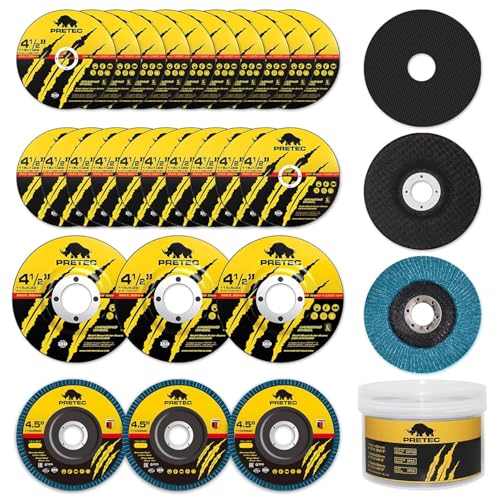
26pcs Angle Grinder Disc 4-1/2 inch & 3 Different Types : ✅ The 26 packs angle grinder wheels 4-1/2 inch including 20 Packs 4.5"x1/4"x7/8" Cut off Wheels, 3 Packs 4.5"x7/8" 60 Grit Flap Discs, 3 Packs 4.5"x1/25"x7/8" Grinding Wheels, with each type of disk collectively wrapped with those of its kind. This kit has everything you need to prep steel.


All-in-one Wood Carving Kit: This 5-piece angle grinder polishing pads set is perfect for completing all of your woodworking projects. It includes 5 different flat, curved, inclined, and parallel discs, crafted from premium grade carbon steel for maximum durability and extended service life. It cuts through any wood with ease, ensuring clean and smooth cuts every time.
Metalworking tools
- Angle grinder with cutting and grinding discs
- Wire brush or flap disc for surface prep
- Clamps and a square for alignment
- Measuring tools, such as a tape measure, ruler, and marker
- Bench vise or a sturdy workholding setup
Welding and safety gear
- Appropriate welder for your metal and skill level, such as MIG or stick
- Welding helmet, gloves, and protective clothing
- Respirator and eye protection for grinding dust
- Fire safety setup, including a fire-resistant surface and nearby extinguisher
Typical consumables
- Cutting discs and grinding discs
- Welding wire or rod that matches your welder and base metal
- Optional heat-control tools to help manage warping
- Optional rust primer, paint, oil, or another protective coating
Before You Begin
Plan for about 2 to 4 hours of shop time, depending on the condition of the hoe and your design. You may need more time if you shape a scoop, add gussets, or repair a handle mount.
Work on a clean, fire-safe surface with good ventilation. Remove nearby rags, leaves, solvents, sawdust, and other flammable items before you grind or weld.
Warning: Grinding and welding can create sparks, fumes, hot metal, and sharp edges, so use proper protection every time.
📐 Design Choices That Make the Upgrade Work
Decide how the head will support each function before you cut anything. A strong build needs good alignment, useful edge angles, and reinforcement where stress builds.
Products Worth Considering
DIY front‑end toe adjustment for home garages - Designed for car owners and home garages who want tocheck front-end toe and assist with basic adjustments between professional visits. Use after minor suspension, steering, or tire work to verify toe settings and keep steering stable without a costly shop trip.

Package Include: 1/4 A36 Hot Rolled Steel Plate *1pcs

Firm Stainless Steel: these door shims are made of stainless steel, which is designed with stable structure, sturdy and firm, not easy to ruse, making them long time companions, enough for your daily use and replacement
Choose a target head layout
A common layout uses the original hoe body as the main chopping surface. You can add a scoop-like area to one side or front, then form an axe-style cutting surface on the opposite side or upper area.
Plan for leverage and balance
A top-heavy tool can tire your arms and become harder to control. Keep added metal close to the original center of mass when possible.
- Place added steel near the middle of the head.
- Avoid thick plates on one side without balance.
- Clamp parts in place and test the feel before final welding.
Reinforce the areas that take force
Hoeing and axe-style cutting load the metal in different ways. Reinforce the points that take impact, twisting, or repeated bending.
- Strengthen seams between the hoe and scoop areas.
- Support the point where the axe-style edge meets the main body.
- Check the handle or shaft connection before you finish the build.
Pro tip: Make a cardboard template first, then trace the shape onto steel before cutting.
🧱 Step-by-Step: Converting a Hoe Into a 3-in-1 Tool
Every hoe has a different shape and thickness, but the workflow stays similar. Follow the steps in order, and don’t weld over unknown cracks or dirty metal.
-
Inspect the hoe and choose safe steel
Check for cracks near the mounting area and along the worn edge. Remove rust, use a bright light, and choose a better hoe if the metal looks badly fatigued.
-
Strip paint and clean the weld zones
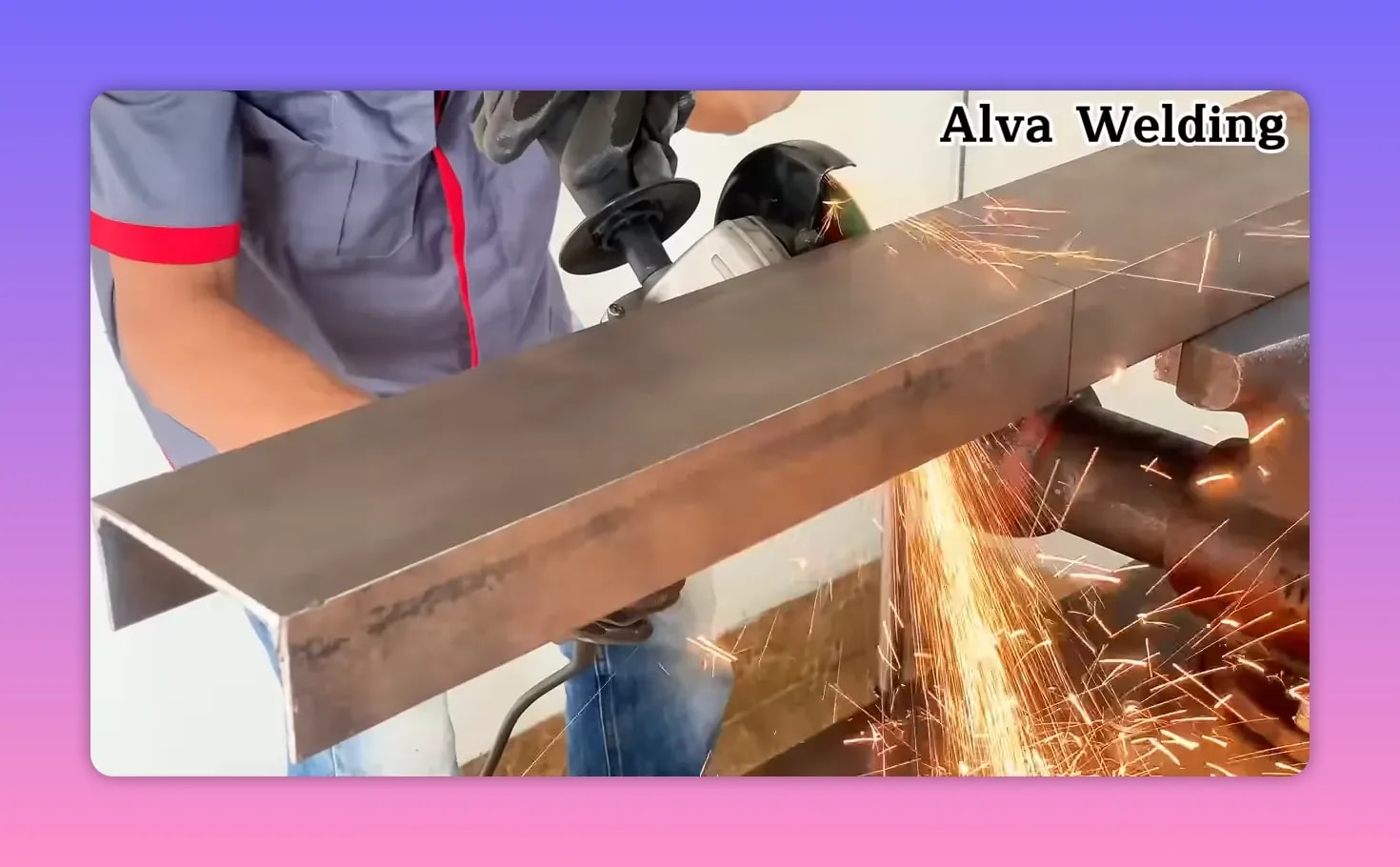
Grind each weld joint to bare metal before welding. Remove scale, heavy rust, oil, and paint so the parts fit tightly and weld more reliably.
-
Mark your cuts and shapes
Use a marker to outline the scoop area and axe-style edge. Keep angles consistent so the tool feels predictable when you chop, pull, or scoop.
-
Cut and fit the scoop section
For better shovel performance, aim for a slight scoop instead of a flat plate. Test the clearance and handle angle before you tack the parts.
-
Form and reinforce the axe-style edge area
Give the cutting edge solid support behind it. Use reinforcement plates or gussets when the design includes sharp transitions or thin sections.
-
Weld in controlled passes
Tack weld first, then check alignment again. Use short weld segments instead of one long bead, and let the metal cool if distortion starts.
-
Grind the profiles and edge geometry
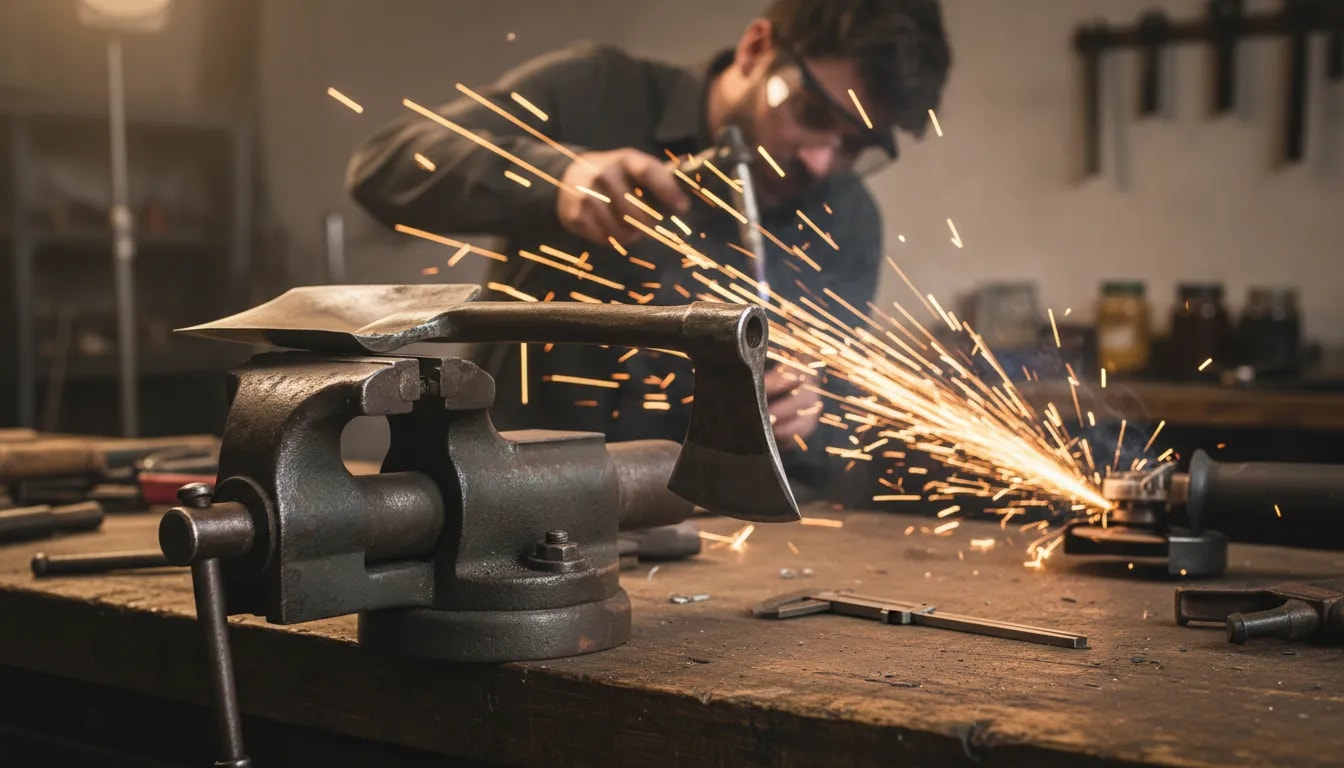
Shape the hoe edge for weeds and small roots. Shape the scoop lip for soil release, then grind the axe-style edge to a strong working angle.
-
Sharpen the edges and control heat carefully
Many homemade builds rely on the original hoe steel without full heat treatment. If you heat treat the edge, follow steel-specific steps so you don’t create brittle metal.
-
Protect the finished head against rust
Remove dust and wipe the head clean after it cools. Apply primer and paint, oil, or another rust-resistant coating before outdoor use.
✅ How to Test the Tool Safely Before Full Use
Don’t start with heavy yard work. Test the tool in a controlled way so you can spot weak points early.
- Visual check: Look for cracks at weld seams, stress points, and the handle mount.
- Tap test: Check the head gently for looseness, flex, or odd movement.
- Light gardening test: Try hoeing weeds and scooping dry soil first.
- Axe-style test: Use small branches or soft wood to confirm the edge holds.
Stop testing if you see cracking, bending, loose handle movement, or failed welds. Repair the issue before you use the tool again.
⚠️ Common Mistakes to Avoid
- Welding over rust or paint: Dirty metal can create weak, porous joints.
- Skipping fit-up: Poor alignment makes the head dig unevenly and stresses the welds.
- Making the axe-style edge too thin: A thin edge can chip, bend, or crack.
- Leaving rough weld ridges: Sharp ridges can catch soil and reduce control.
- Ignoring balance: Poor balance can make the tool unsafe and tiring to use.
- Skipping corrosion protection: Bare welded steel can rust quickly in outdoor conditions.
🧠 Tips for Better Performance in the Garden
- Use the right motion: Hoe with slicing and pulling motions, and cut with controlled strikes.
- Clear debris often: Packed soil around the scoop lip reduces its usefulness.
- Sharpen on schedule: Dull edges require more force and speed up wear.
- Store it dry: Wipe off moisture and keep the tool off wet ground.
A homemade 3-in-1 tool should handle light and moderate garden tasks, not heavy chopping. Use a proper axe, mattock, or shovel when the job calls for one.
📌 Frequently Asked Questions
Can any old hoe be converted into a 3-in-1 tool?
What welding method is best for this DIY upgrade?
Do I need heat treatment to make the axe-style edge durable?
How do I prevent warping while welding?
Is this 3-in-1 tool safe to use like a regular axe?
How should I sharpen the different working edges?
🎯 Key Takeaway
Upgrading an old hoe into a 3-in-1 tool can give you a useful garden head for light-duty work. Focus on clean weld prep, accurate fitting, reinforced stress points, and careful edge shaping. Test the tool lightly before regular use, then keep it sharp, dry, and coated against rust. Build with patience, and you’ll get a safer tool that earns its place in your garden shed.