Disclosure: As an Amazon Associate, we earn from qualifying purchases. If you click a link on this page and make a purchase, we may receive a small commission at no extra cost to you.
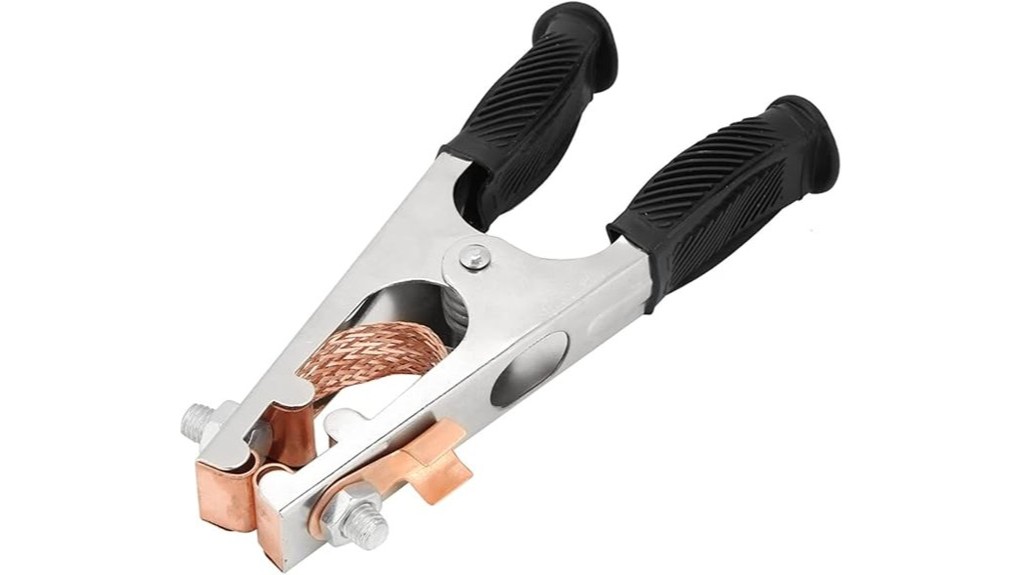
A weak ground connection can make welding feel harder than it should. You may see an unstable arc, extra spatter, heat at the clamp, or a connection that slips when you move around the workpiece. This review looks at the welding ground clamp linked on this page, a copper, spring-style clamp described as roughly 6 inches long and rated for up to 500A. It is a practical choice if you need a replacement work clamp, but you should confirm the live Amazon listing details before you buy because the brand and exact model were not verified from the product page.
Quick Verdict
Rating: 8/10, Recommended with caveats
Best For: DIY welders, auto repair work, shop projects, and replacement ground clamp use where a 500A-rated clamp is appropriate.
Bottom Line: The copper construction, strong spring grip, electroplated finish, and 500A rating make this clamp useful for reliable grounding. The main tradeoff is limited verified product detail, so you should check the current seller, warranty, and included hardware on Amazon before ordering.
| Specification | Detail |
|---|---|
| Product type | Welding ground clamp, also called a work clamp or earth clamp |
| Design | Spring-loaded clamp with serrated jaws |
| Length | Approximately 6 inches |
| Weight | Approximately 1.5 pounds |
| Material | Copper construction with an electroplated finish |
| Rated capacity | Up to 500A, based on the supplied product details |
| Best use | Replacement clamp for welding work leads, shop use, outdoor work, and auto welding setups |
| Maintenance | Clean the jaws, inspect for corrosion, and check cable connection tightness |
| Warranty | Listed as one year in the provided product details, confirm with the seller before purchase |
| Safety note | Use on clean, bare metal and match the clamp rating to your welder and work lead |
What Is the Welding Ground Clamp?
This welding ground clamp is a replacement work clamp designed to connect your welder’s ground lead to the workpiece or welding table. That connection completes the welding circuit, so the clamp has a direct effect on arc stability, heat control, and day-to-day reliability.
The key product details are simple: copper construction, an electroplated finish, a spring-loaded grip, an approximate 6-inch length, and a stated capacity of up to 500A. Those details point to a clamp made for general welding use rather than light-duty craft work. It should make sense for you if your current clamp is weak, corroded, loose, or no longer making clean contact.
Before You Buy: Confirm the current Amazon seller, clamp rating, warranty, and cable attachment method before ordering. A ground clamp must match your welder, cable size, and real amperage needs, not just the headline rating.
Who Should Buy It?
Best For
- Welders replacing a worn, rusty, or weak factory ground clamp.
- DIY and garage users who want a copper clamp with a strong spring bite.
- Auto welding, shop repair, and outdoor work where secure grounding matters.
Skip If
- You need a clamp with a verified brand, exact cable lug size, or published manual.
- Your welder requires a higher amperage rating than 500A.
- You need a full ground cable assembly instead of the clamp only.
Build Quality and Materials
The main strength of this clamp is its copper construction. Copper is valued in welding accessories because it conducts electricity well, which helps limit resistance at the work connection. In practice, that can help you get a more stable arc when the clamp is installed on clean metal and paired with the right cable.
The electroplated finish adds a layer of protection against wear and corrosion. That matters because ground clamps often sit on dirty tables, bare steel, automotive panels, frames, and outdoor surfaces. The finish will not make the clamp maintenance-free, but it can help the tool hold up better than a bare, neglected clamp.
Clamping Strength and Contact
The spring mechanism is one of the most buyer-useful features. A weak clamp can slide, arc at the jaws, or lose contact when you pull the lead across the floor. A stronger spring helps the jaws hold tighter, especially on flat steel, brackets, tubing, and table edges.
Good contact still depends on surface prep. Paint, rust, mill scale, oil, or heavy dirt can block current and create extra heat at the clamp. For best results, attach the jaws to bare metal and place the clamp close enough to the weld area to keep the current path short and direct.
Pro Tip: Before welding, wiggle the clamp after attaching it. If it shifts easily or bites only on paint, move it to a cleaner spot or grind a small bare-metal contact area.
Fit and Compatibility
This clamp is listed as capable of handling up to 500A, so it is aimed at common welding setups that need a stronger work connection than a light-duty clamp provides. That rating is only useful when the rest of your setup also matches the job. Your cable size, cable lug, welder output, duty cycle, and workpiece condition all matter.
It should be suitable for many MIG, flux-core, stick, and TIG work-lead setups when properly connected. Still, you should not assume universal fit. Check how your existing clamp is attached to the cable, then confirm that this clamp can accept the same connection or that you have the correct hardware to install it safely.
Installation and Setup
Replacing a ground clamp is usually simple, but it should be done carefully. Disconnect the welder from power first. Remove the old clamp, inspect the cable end, then attach the conductor securely to the new clamp according to the clamp design and your welder’s manual.
After installation, check that the cable is tight and that no strands are loose or exposed where they should not be. A loose cable connection can heat up under load, reduce performance, and create a safety concern. If you are not comfortable working with welding leads, have a qualified person inspect the connection before use.
How It Performs in Real Use
For Daily Shop Welding
For everyday garage and shop projects, the clamp’s spring grip and copper body should help you get a cleaner work connection than a worn clamp with weak jaws. It is most helpful when you move between small repairs and need the clamp to grab quickly without slipping.
For Auto Welding
For automotive work, clamp placement is important. Thin panels, brackets, frames, and repair sections can have paint, seam sealer, coatings, or underbody grime that blocks current. Clean the contact point first and avoid clamping over fuel, brake, or electrical parts that could be damaged by heat or current flow.
For Outdoor Welding
The article-supported details describe the clamp as suitable for outdoor use because of its robust construction and weather-resistant finish. That does not mean you should leave it exposed to rain or store it wet. Wipe it down after use and keep the jaw contact surfaces clean.
For Long-Term Use
Over time, the jaws, spring, pivot, and cable connection are the main areas to watch. If the clamp becomes loose, pitted, heavily corroded, or hot during normal welding, it may need cleaning, tightening, or replacement. Regular inspection is the easiest way to keep the ground path dependable.
Compatibility and Safety
A ground clamp is a safety-related welding accessory because it carries welding current. Always match the clamp to the welder’s output and the work lead. Do not use a damaged clamp, a loose cable connection, or a clamp that gets unusually hot during normal use.
Attach the clamp to clean, unpainted metal whenever possible. Keep it away from moving parts, flammable material, sensitive electronics, and coated surfaces that can smoke or burn. For vehicle work, follow the vehicle manufacturer’s service guidance and protect nearby wiring, fuel lines, and modules.
Maintenance and Care
Maintenance is simple but worth doing. Brush debris from the jaws, remove spatter buildup, and check for corrosion before it spreads. If the clamp has been used outdoors, dry it before storage and keep it away from moisture.
You should also inspect the spring action. The jaws should open smoothly and close with firm pressure. If the spring feels weak or the pivot binds, the clamp may not hold the workpiece well enough for consistent welding.
Pros and Cons
Pros
- Copper construction supports strong electrical conductivity.
- Spring-loaded design helps maintain a secure grip on the workpiece.
- Electroplated finish adds resistance against wear and corrosion.
- Approximate 6-inch size is easy to handle in a garage or shop setup.
- Up to 500A rating gives it a useful range for many welding tasks.
Cons
- Brand, exact model, and live listing details were not fully verified.
- You may need to confirm cable lug fit before replacing your old clamp.
- It still requires clean metal contact to perform well.
Is It Worth the Price?
This clamp looks like a strong value for the price if you need a simple replacement ground clamp with copper construction, firm spring pressure, and a stated 500A capacity. It makes the most sense when your current clamp is the weak link in your setup.
The value depends on what is included and how it fits your cable. If you need a complete cable assembly, a verified premium brand, or a clamp with exact published hardware specs, you may want to compare other options before buying. For basic replacement use, it is worth considering if you care most about conductivity, grip, and simple maintenance.
How It Compares to Alternatives
Compared with many light-duty factory clamps, this welding ground clamp offers a stronger set of article-supported features: copper construction, a spring-loaded grip, an electroplated finish, and a stated 500A rating. Those are the details that matter most when you want a replacement clamp rather than a full welding lead upgrade.
If you want a clamp from a well-known welding brand, Miller Electric and Lincoln Electric products are worth comparing. The reviewed clamp makes more sense if you want a basic copper replacement clamp and are willing to confirm fit, seller details, and warranty before purchase.
Frequently Asked Questions
What does a welding ground clamp do?
A welding ground clamp connects the welder’s work lead to the workpiece or welding table. This completes the electrical circuit and helps the welder maintain a stable arc.
Is this clamp really rated for 500A?
The supplied product details state that the clamp can handle up to 500A. You should still confirm the current listing and match the clamp to your welder, work lead, and actual welding load.
Can I use it for MIG, TIG, stick, or flux-core welding?
It can work with many common welding processes when the clamp, cable, and welder output are compatible. Check your welder manual and cable connection before using it as a replacement.
Where should I attach the clamp?
Attach it to clean, bare metal on the workpiece or welding table. Avoid paint, rust, grease, and loose surfaces because they can reduce conductivity and create heat at the contact point.
Can this welding ground clamp be used outdoors?
The article-supported details describe it as suitable for outdoor welding applications due to its sturdy construction and weather-resistant finish. Store it dry and clean the jaws after outdoor use to reduce corrosion risk.
How do I maintain the clamp?
Clean the jaws, remove debris, inspect for corrosion, and make sure the cable connection stays tight. Replace the clamp if the spring weakens, the jaws are badly damaged, or the clamp overheats during normal use.
Who should skip this clamp?
Skip it if you need a verified brand-name clamp, a complete ground cable assembly, or exact published cable lug dimensions. You should also choose another option if your welder requires more than a 500A-rated clamp.
The Bottom Line
This welding ground clamp is a practical pick if you want a copper, spring-loaded replacement clamp with a stated 500A rating and a manageable 6-inch size. It is best for garage, shop, outdoor, and auto welding setups where clean contact and strong grip matter. Skip it if you need fully verified brand details, exact cable hardware specs, or a complete work lead assembly.