Disclosure: As an Amazon Associate, we earn from qualifying purchases. If you click a link on this page and make a purchase, we may receive a small commission at no extra cost to you.
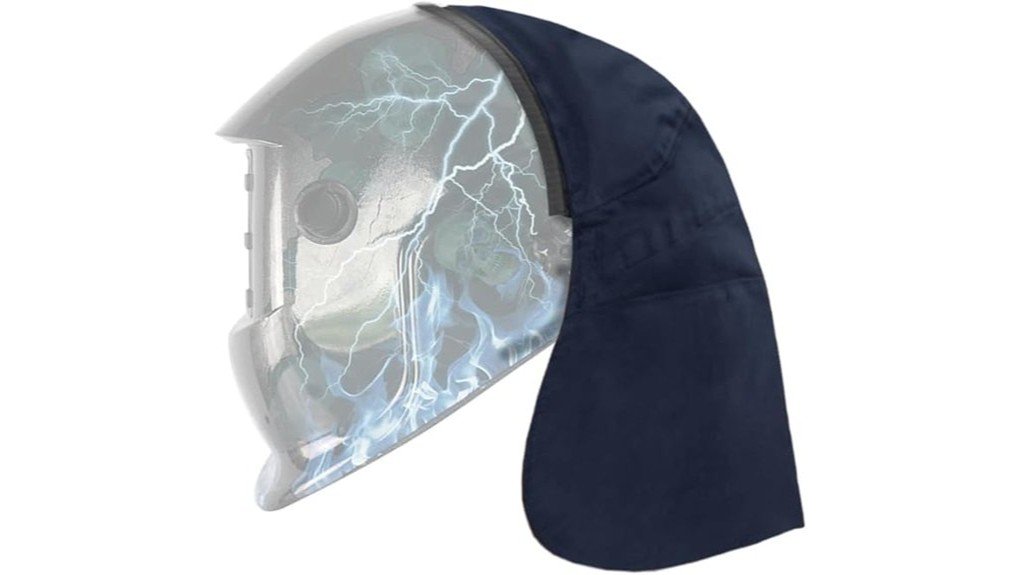
Sparks, glare from behind your hood, and exposed neck skin can make welding less comfortable and less controlled. The Welding Helmet Rear Extension Cover is a simple add-on made to give the back of your helmet more coverage during welding work. It focuses on three practical jobs: blocking rear light, helping shield your neck from splash sparks, and adding a flexible rear cover without replacing your helmet.
This review looks at how the cover fits into real welding use, where it helps most, and where you should be careful before buying. It is a useful accessory if your current helmet leaves the back of your head or neck exposed, but it is not a full replacement for proper welding PPE.
Quick Verdict
Rating: Recommended with caveats
Best For: Welders who want extra rear neck coverage, glare reduction, and a quick add-on for most standard welding helmets.
Bottom Line: The Welding Helmet Rear Extension Cover is worth considering if your helmet leaves your neck exposed to sparks or rear light. The main tradeoff is fit, since universal helmet accessories can still require adjustment depending on your helmet shape.
| Specification | Detail |
|---|---|
| Product Name | Welding Helmet Rear Extension Cover |
| Model or ASIN | B0CNTHTSZF |
| Product Type | Rear extension cover for welding helmets |
| Main Use | Extra neck coverage, rear light blocking, and splash-spark protection |
| Material | Flame-retardant fabric material, based on article claims |
| Design | Rear helmet extension with wrap-around coverage |
| Attachment | Quick attachment style for helmet use |
| Compatibility | Designed to fit most welding helmets, but fit can vary by helmet shell shape |
| Best Use | MIG, TIG, stick, and general shop welding where rear coverage is useful |
| Safety Note | Use as an add-on with proper welding helmet, gloves, jacket, and workplace PPE rules. |
What Is the Welding Helmet Rear Extension Cover?
The Welding Helmet Rear Extension Cover is an accessory that attaches to the back area of a welding helmet. Its job is to extend coverage around the rear of your head and neck, where many standard helmets leave open space.
The cover is made for welders who want better protection from rear glare and light splash sparks without buying a new helmet. It can help when you work near reflective metal, nearby welders, or shop lighting that enters from behind your hood.
Because this is a helmet accessory, it should not replace your main helmet, welding jacket, respirator, gloves, or other required safety gear. Think of it as a coverage upgrade, not a complete safety system.
Before You Buy: Check your helmet shape before ordering. This cover is promoted as suitable for most welding helmets, but universal accessories may not fit every helmet shell, headgear setup, or custom hood equally well.
Who Should Buy It?
Best For
- Welders whose helmet leaves the back of the neck exposed.
- Shop users who deal with glare or light entering from behind the hood.
- DIY and garage welders who want a simple add-on instead of a new helmet.
Skip If
- You need a certified full head-covering system for a regulated workplace.
- Your helmet has a unique shell shape that may not accept rear accessories.
- You expect this cover to replace a welding jacket, hood, or other required PPE.
Protection Features of the Welding Helmet Rear Extension Cover
The biggest reason to use this cover is extra rear coverage. Standard welding helmets protect your face and eyes, but the back of your neck can still feel exposed when sparks bounce or when another light source hits from behind.
This rear extension helps block that open area. The wrap-around design can reduce rear light entering the cap area and may help limit small splash sparks from reaching your neck.
The added coverage can also make long welding sessions feel more controlled. When you do not have to keep adjusting your posture to avoid glare or sparks, you can focus more on torch angle, travel speed, and weld placement.
Material Durability and Design Aspects
The article-supported material claim is flame-retardant fabric. That matters because a normal cloth cover would not be suitable around welding sparks, hot spatter, and high-heat work areas.
The cover is also described as wear-resistant, with stitched seams made for repeated use. Strong seams matter because helmet accessories get pulled, folded, and adjusted often during shop work.
Breathability is another useful design point. A rear cover that traps too much heat can become uncomfortable during longer sessions, especially when you already wear a helmet, gloves, sleeves, and a jacket.
Compatibility and Ease of Use
This cover is designed for quick attachment to most welding helmets. That makes it useful if you switch between workstations or want to add extra coverage only for certain jobs.
The main fit concern is helmet shape. Some welding helmets have wider shells, unusual headgear, rear knobs, or custom attachments that can affect how well a rear cover sits in place.
A snug fit matters because a loose cover can shift while you work. Before welding, attach the cover, move your head up and down, and make sure it does not block your view, pull on the helmet, or interfere with your helmet controls.
Pro Tip: Test the cover with your helmet before starting a full weld. Lower and raise the hood several times, turn your head, and confirm the cover stays secure without catching on your collar or jacket.
How It Performs in Real Use
For Garage and DIY Welding
For garage welding, this cover makes the most sense when your work area has bright shop lights, reflective metal, or open space behind you. It can help reduce distractions from rear glare while adding more neck coverage.
For Shop Work Around Other Welders
In a shared shop, light can come from more than your own arc. A rear extension cover helps reduce light entering from behind your hood, especially when another welder is working nearby.
For Short Repair Jobs
For quick repairs, the cover is useful because it attaches without changing your whole helmet setup. That saves time when you only need extra rear coverage for a specific job.
For Longer Welding Sessions
During longer work, comfort becomes more important. The breathable design can help, but you should still check heat buildup, fit, and neck movement as the session continues.
Setup Tips Before First Use
Start by checking your helmet for dust, residue, or sharp edges around the attachment area. A clean contact area helps the cover sit more securely and reduces the chance of slipping.
Attach the cover while the helmet is off your head. After it is in place, put the helmet on, adjust your headgear, and confirm the cover does not pull the helmet backward.
Before welding, inspect the fabric for tears, loose stitching, burns, or thin spots. Replace the cover if damage affects coverage or if the fabric no longer sits securely on the helmet.
Material Safety and Comfort
This cover is intended for welding environments, but it should still be used with caution. Flame-retardant material can help reduce risk, but it does not make the cover fireproof in every condition.
Keep the cover away from direct flame, heavy slag, and grinding sparks when possible. If your job involves overhead welding, heavy spatter, or tight industrial safety rules, confirm that this accessory meets your workplace requirements before use.
Comfort depends on both the cover and the rest of your PPE. If the cover bunches at the collar, traps heat, or changes how your helmet balances, adjust the fit before continuing.
Pros and Cons
Pros
- Adds rear head and neck coverage to a standard welding helmet.
- Helps block glare and rear light from entering the helmet area.
- Flame-retardant fabric claim fits the intended welding use case.
- Quick attachment design makes it practical for occasional or daily use.
- Breathable construction can improve comfort during longer tasks.
Cons
- Universal fit may require trial and error with some helmet shapes.
- Not a replacement for a welding jacket, hood, or full PPE setup.
- Verified brand, warranty, and certification details were not available from the article body.
Is It Worth the Price?
The Welding Helmet Rear Extension Cover is worth considering if you already like your helmet but want better rear coverage. It should cost less than replacing a full helmet setup, which makes it a practical add-on for many DIY and shop welders.
You get the most value from it if rear light, neck exposure, or small splash sparks are regular annoyances during your work. The value is weaker if your current helmet and jacket already cover the rear neck area well.
Since fit can vary, check the latest product details and return terms before ordering. That matters most if your helmet has a custom shape or extra rear-mounted accessories.
How It Compares to Alternatives
Compared with buying a full welding hood or separate welding cape, this rear extension cover is simpler and easier to add to your current helmet. It is best when you only need extra coverage around the back of the helmet.
A leather welding bib or full FR hood may be better for heavier spatter, overhead work, or stricter jobsite requirements. This cover makes the most sense if you want lightweight rear coverage and glare control without changing your whole PPE setup.
Frequently Asked Questions
Does this cover replace a welding helmet?
No. This is an accessory for the rear of a welding helmet. You still need a proper welding helmet with the correct lens, plus any other PPE required for your work.
Will it fit every welding helmet?
The cover is described as suitable for most welding helmets. Fit can still vary if your helmet has an unusual shell shape, rear dial, custom attachment, or nonstandard headgear.
How do I clean the Welding Helmet Rear Extension Cover?
Use mild soap, water, and a soft cloth unless the product label says otherwise. Avoid harsh chemicals, bleach, or high heat because they may affect the fabric or flame-retardant performance.
Can I use it for overhead welding?
Use caution with overhead welding because spatter exposure can be more intense. Follow your workplace PPE rules and choose a heavier hood, cape, or approved protection if the job requires it.
Does the cover help with glare from behind?
Yes, rear light blocking is one of the main reasons to use this cover. It can help when shop lights, reflective surfaces, or nearby welding arcs create light behind your helmet.
What should I check before each use?
Check that the cover is attached securely, does not block your view, and does not interfere with helmet controls. Also inspect the fabric and stitching for burns, tears, or loose areas.
Who should skip this helmet cover?
Skip it if you need a fully certified head-covering system for a specific workplace standard. You should also skip it if your helmet shape prevents a secure attachment.
The Bottom Line
The Welding Helmet Rear Extension Cover is a useful add-on if you want more rear neck coverage and less light entering from behind your helmet. It is best for welders who already have a suitable helmet and want a simple comfort and coverage upgrade.
Skip it if you need a full hood, certified workplace gear, or guaranteed fit for a nonstandard helmet. For the right setup, it is a practical accessory with clear everyday value.