Disclosure: As an Amazon Associate, we earn from qualifying purchases. If you click a link on this page and make a purchase, we may receive a small commission at no extra cost to you.
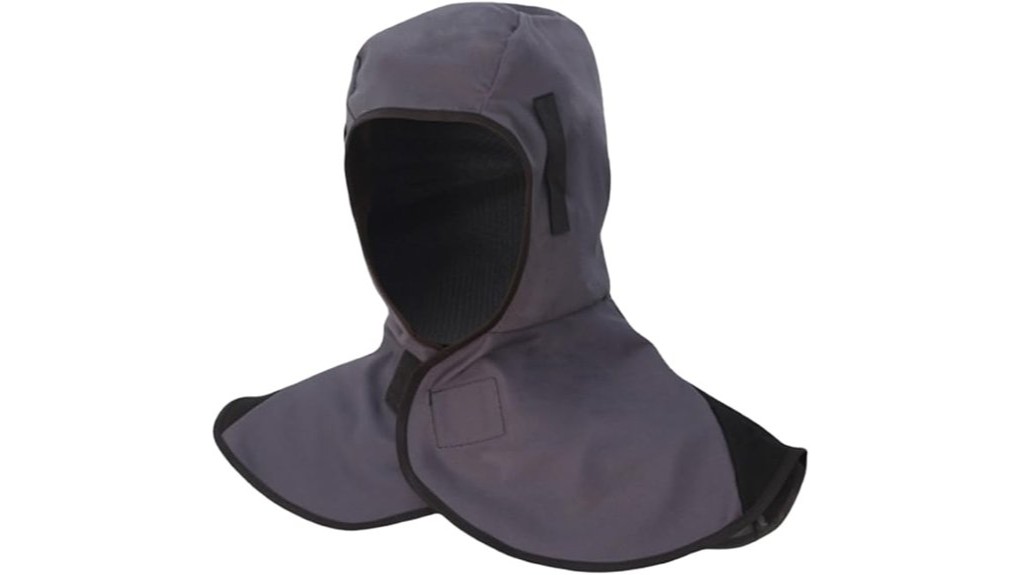
Your welding hood has to protect your head and neck without making long jobs harder than they already are. This welding hood is aimed at buyers who want a lightweight protective layer for sparks, heat exposure, grinding debris, and shop dust. It uses article-supported features such as heat-resistant cloth, a breathable inner mesh lining, advanced stitching, and wide adjustable Velcro for fit. This review helps you decide whether it offers enough protection and comfort for your work, or whether you should choose a heavier-duty setup.
Quick Verdict
Rating: Recommended with caveats, 7.8/10
Best For: Welders, fabricators, grinders, and DIY users who need added head and neck coverage over basic shop clothing.
Bottom Line: This welding hood makes sense if you want a simple, breathable protective cover for sparks, heat, dust, and light debris. The main tradeoff is that the article does not verify a brand, certification, exact size range, or heavy-duty flame rating, so you should confirm the listing details before relying on it for demanding work.
| Specification | Detail |
|---|---|
| Product type | Welding hood and protective head cover |
| Design | Lightweight hood with wide adjustable Velcro closure |
| Material | Article-supported heat-resistant cloth |
| Inner layer | Breathable inner mesh lining |
| Stitching | Advanced stitching described as improving durability and heat retardancy |
| Compatibility | Made to work with various welding helmets, depending on helmet size and shape |
| Best use | Welding, grinding, cutting, painting, carpentry, and shop protection tasks |
| Safety note | Use it as added protection, not as a replacement for a certified welding helmet, eye protection, gloves, jacket, or workplace safety gear. |
What Is This Welding Hood?
This welding hood is a protective head cover designed to help shield your head, neck, and surrounding areas from sparks, heat, and debris during shop work. It is not presented as a full welding helmet. Instead, it works as an add-on layer that can support your main helmet and other safety equipment.
The article-supported design focuses on heat-resistant cloth, a breathable inner mesh lining, advanced stitching, and a wide Velcro adjustment. Those details matter because welding and grinding work can expose you to hot particles, flying dust, and long periods of uncomfortable heat around your head and neck.
The strongest use case is extra coverage during common welding, grinding, cutting, and fabrication tasks. The main limitation is verification: the supplied article does not confirm a brand name, exact dimensions, certification, or flame-resistant rating, so you should check the Amazon listing carefully before buying for high-risk or professional environments.
Who Should Buy It?
Best For
- Welders who want extra head and neck coverage behind a welding helmet.
- DIY users who also grind, cut, sand, paint, or do light fabrication work.
- Buyers who prefer a breathable hood with adjustable Velcro instead of a fixed-size cover.
Skip If
- You need a verified certified flame-resistant hood for industrial safety compliance.
- You want a full welding helmet with lens shade, face shield, and eye protection.
- You need exact sizing, brand, or certification details before buying.
Before You Buy: Treat this as a protective hood, not a complete welding safety system. Confirm the listing details, helmet fit, material rating, and workplace requirements before using it for heavy welding or regulated job sites.
Key Takeaways
- This welding hood adds head and neck coverage against sparks, heat, dust, and light debris.
- The article-supported design includes heat-resistant cloth, breathable inner mesh, advanced stitching, and adjustable Velcro.
- It may work well for welding, grinding, cutting, painting, carpentry, and general shop tasks.
- The breathable inner lining can help reduce discomfort during longer wear.
- You should confirm certification, exact sizing, and helmet compatibility before buying for professional use.
Materials and Build Quality
The main build detail in the supplied article is heat-resistant cloth. That matters because a welding hood sits close to sparks and hot particles, especially around the neck and back of the head. A normal fabric hood would not be appropriate for welding work, so the heat-resistant construction is the core reason to consider this product.
The article also mentions advanced stitching. Better stitching can help the hood hold its shape and resist early seam failure during repeated use. This is useful if you put the hood on and off often, wear it under or around a helmet, or move between welding and grinding tasks in the same session.
The limitation is that the article does not verify the exact fabric type, flame-resistance standard, thickness, or testing certification. For home shop tasks, the supported features may be enough. For industrial welding, you should match the hood to your workplace safety rules.
Comfort and Breathability
Comfort matters more than many buyers expect. If a hood traps heat or rubs against your skin, you may loosen it, shift it, or stop using it correctly. This model uses a breathable inner mesh lining, which should help airflow around your head and reduce the sticky feel that can happen during long work sessions.
The lightweight construction also helps reduce fatigue. A heavy hood can pull around the helmet or feel annoying during overhead work. A lighter hood is easier to wear for grinding, cutting, sanding, or quick fabrication jobs where you move around often.
Still, breathable does not mean cool in every condition. Welding environments can be hot, and you may still need breaks, ventilation, and proper clothing for longer jobs.
Fit and Helmet Compatibility
The wide Velcro design is one of the most useful fit features. It gives you a simple way to tighten or loosen the hood around different head sizes and helmet setups. This can help if you share gear between users or switch between tasks that require slightly different helmet positions.
The article says the hood is compatible with various helmets. That is helpful, but it is also broad. Welding helmets vary in shell shape, headgear size, rear adjustment knobs, and neck coverage. Before buying, compare the hood shape with your helmet style and make sure the Velcro area will not interfere with the helmet harness.
Pro Tip: Test the hood with your helmet before your first full job. Move your head up, down, and side to side to make sure the hood does not pull the helmet out of position or block your field of view.
Safety and Protection
This hood is designed to protect against common welding and shop hazards such as sparks, intense heat exposure, and debris. That added coverage is useful around the neck and back of the head, where a standard helmet or face shield may leave gaps.
You should still use proper welding PPE. A hood does not replace a welding helmet, shaded lens, safety glasses, gloves, jacket, respirator when needed, or safe ventilation. It works best as one layer in a complete setup.
If you have sensitive skin, test comfort carefully during short use first. The article-supported breathable inner mesh may help comfort, but it does not guarantee that every user will avoid irritation.
Applications and Compatibility of Welding Hoods
Welding hoods serve more than one purpose in the shop. You can use them for welding support, grinding, cutting, sanding, painting, carpentry, and general dust or debris protection. That versatility makes this type of hood useful for buyers who move between several messy or spark-producing tasks.
The hood is most useful when your main helmet protects your eyes and face but leaves the head, hairline, ears, or neck more exposed. It can also help keep dust and debris out of your hair during grinding or sanding. For painting or carpentry, it may serve as a simple protective cover, although you should still use the right respirator or eye protection when the job calls for it.
How It Performs in Real Use
For Welding Work
During welding, the main benefit is added coverage from sparks and heat around the head and neck. The heat-resistant cloth and advanced stitching make the hood more suitable for this environment than regular fabric. You should still confirm the listing and follow your workplace PPE requirements.
For Grinding and Cutting
Grinding and cutting can throw small hot particles in unpredictable directions. A hood can help protect exposed skin and hair from debris, especially when your face shield or helmet does not cover the back of your head. The adjustable Velcro also helps you tighten the fit before moving around.
For Painting, Sanding, and Carpentry
For non-welding tasks, the hood can help keep dust, overspray, and debris off your head. This is useful in garages, workshops, or job sites where you do several tasks in one session. It should not replace a respirator, goggles, or dust-rated protection when those are needed.
For Long Sessions
The breathable inner mesh lining and lightweight construction help during longer wear. They reduce some of the discomfort that comes from trapped heat and heavy fabric. Even so, you should take breaks in hot work areas and inspect the hood for wear after repeated exposure to sparks.
Fit Tips Before You Buy
- Check your helmet shape: Make sure the hood can sit around your helmet without blocking the headgear adjustment knob.
- Adjust before welding: Set the Velcro fit before striking an arc so you do not adjust it near heat or sparks.
- Watch neck coverage: Move your head through normal work angles and check that the hood still covers the back and sides of your neck.
- Inspect the seams: Look for loose stitching, thin spots, or burn marks before each use.
- Store it clean and dry: Let the hood cool and dry fully before storage to reduce odor and fabric wear.
Cleaning and Maintenance
Cleaning should be gentle because harsh methods can damage protective fabric and stitching. The supplied article recommends mild soap and water, which is a safe starting point for routine cleaning. Avoid bleach, high heat, or aggressive scrubbing unless the product label specifically allows it.
After cleaning, let the hood dry fully before storage. Moisture trapped in fabric can cause odor and shorten the useful life of the hood. Store it away from sharp tools, grinding dust, oil, and direct heat sources.
Pros and Cons
Pros
- Heat-resistant cloth helps protect against sparks and heat exposure.
- Breathable inner mesh lining improves comfort during longer wear.
- Wide adjustable Velcro helps fit different users and helmet setups.
- Advanced stitching supports durability during repeated shop use.
- Useful for welding, grinding, cutting, painting, carpentry, and sanding.
Cons
- Brand, model, exact size, and certification details were not verified from the supplied article.
- It is not a replacement for a welding helmet, shaded lens, or full PPE setup.
- Helmet compatibility may require trial and error with larger or unusual helmet shells.
Is It Worth the Price?
This welding hood is worth considering if you want a simple add-on layer for shop protection. Its value comes from the combination of heat-resistant cloth, breathable mesh, adjustable Velcro, and use across several workshop tasks.
It offers the strongest value for everyday welding support, grinding, and light fabrication work. It is not the best fit if you need verified industrial certifications, exact size documentation, or a full helmet replacement.
For buyers who already own a proper welding helmet and need extra head or neck coverage, it can be a smart buy for everyday use. For regulated job sites, confirm the listing and safety requirements first.
How It Compares to Alternatives
Compared with a full welding helmet, this hood gives you extra fabric coverage but does not provide a lens, shade control, or face protection. Compared with a basic shop cap or bandana, it offers a more suitable design for heat and sparks because the article describes heat-resistant cloth and protective construction.
If you need complete face and eye protection, a certified welding helmet is the more important purchase. If you already have the helmet and want added coverage around your head and neck, this welding hood makes more sense.
Frequently Asked Questions
Is this welding hood a replacement for a welding helmet?
No. This hood is an added protective layer for your head and neck. You still need a proper welding helmet, shaded lens, gloves, clothing, and any required PPE for the job.
What tasks can you use this welding hood for?
The article supports use for welding, grinding, painting, carpentry, cutting, and similar shop tasks. It is most useful when you need extra coverage against sparks, heat, dust, or debris.
Will it fit every welding helmet?
The article says the hood works with various helmets, but it does not confirm universal fit. Check your helmet shape, rear adjustment knob, and headgear size before relying on it.
Is the inner lining comfortable for long work sessions?
The article describes a breathable inner mesh lining, which can help with comfort during longer wear. Heat, sweat, and job conditions still matter, so take breaks and adjust the fit when needed.
How should you clean this welding hood?
Use mild soap and water unless the product label gives different instructions. Let it dry fully before storage, and avoid bleach or high heat unless the manufacturer allows it.
Is this welding hood suitable for sensitive skin?
The breathable mesh lining may feel more comfortable than rough fabric, but the article does not verify hypoallergenic materials. If your skin reacts easily, test it during short use first and stop using it if irritation appears.
Can the hood affect visibility while you work?
It can if the fit is too loose or if the hood interferes with your helmet. Adjust the Velcro and move your head through normal work angles before welding or grinding.
Who should skip this welding hood?
Skip it if you need verified industrial PPE certification or exact material ratings before purchase. You should also skip it if you need a full helmet, face shield, lens, or respirator instead of a fabric hood.
The Bottom Line
This welding hood is a practical choice if you already use proper PPE and want added head and neck coverage for welding, grinding, cutting, and general shop work. Its strongest points are the heat-resistant cloth, breathable mesh lining, adjustable Velcro, and versatile use, while its biggest limitation is the lack of verified brand, certification, and exact sizing details in the supplied article. Buy it for extra coverage and comfort, but skip it if you need fully documented industrial safety compliance.