Disclosure: As an Amazon Associate, we earn from qualifying purchases. If you click a link on this page and make a purchase, we may receive a small commission at no extra cost to you.
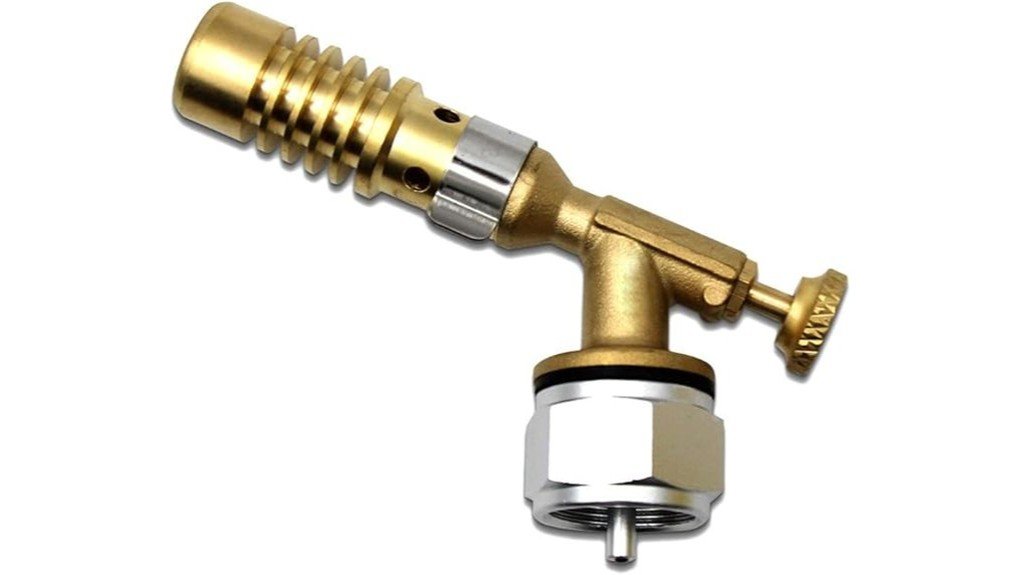
You need a torch that lights reliably, feels steady in your hand, and gives you enough heat control for small metal, soldering, and craft jobs. This MAPP and propane gas welding torch is built around one-hand operation, brass construction, and an adjustable flame that the source article lists at up to about 2,000°F. It is a practical pick if you want a simple handheld torch for focused heat work, but it is not a full replacement for professional welding equipment or a torch system made for heavy fabrication.
Quick Verdict
Rating: 8.2/10
Best For: DIY users, hobbyists, and light repair work where one-hand control and fuel flexibility matter.
Bottom Line: This torch makes sense if you want a compact MAPP and propane compatible tool with adjustable flame control and a durable brass build. Skip it if you need verified brand specs, industrial welding capacity, or a torch system for large structural metal work.
| Specification | Detail |
|---|---|
| Product type | Handheld welding and utility torch |
| Fuel compatibility | MAPP gas and propane gas, based on the source article |
| Design | Lightweight, ergonomic, one-hand operation |
| Material | Durable brass construction |
| Flame control | Adjustable flame control for focused heating tasks |
| Maximum temperature | Approximately 2,000°F, as stated in the source article |
| Safety feature | Built-in flame lock |
| Best use | Soldering, light metal repairs, craft work, and glass blowing tasks that need controlled heat |
| Safety note | Use protective gear, work in a ventilated area, and follow the torch and fuel cylinder instructions. |
What Is the MAPP and Propane Gas Welding Torch?
This is a handheld torch made for use with MAPP and propane gas, giving you a compact heat tool for soldering, small metal repairs, glass work, and similar shop or hobby tasks. The main appeal is control: you can operate it with one hand, adjust the flame, and direct heat into a small work area without handling a bulky torch setup.
The article-supported build details are simple but useful. The torch uses brass construction for durability, has an ergonomic shape for a steadier grip, and includes a flame lock that can help during longer heating tasks. Since no verified brand, model, dimensions, certifications, or warranty terms were available, those details are not treated as confirmed in this review.
Before You Buy: The article does not provide a verified brand name, model number, dimensions, weight, warranty, or certification details. Check the current Amazon listing carefully before buying, especially if you need a specific torch head, fuel cylinder fit, or safety certification.
Who Should Buy It?
Best For
- DIY users who want a handheld torch for soldering and light repair tasks.
- Hobbyists who need one-hand flame control for craft work or glass shaping.
- Buyers who want fuel flexibility between MAPP and propane gas.
Skip If
- You need a verified professional welding system for structural steel or heavy fabrication.
- You require confirmed dimensions, weight, certifications, or warranty details before purchase.
- You plan to work in windy outdoor areas where flame control can become harder.
Design and Usability
The strongest design point is the one-hand layout. When you are soldering, heating a small fitting, or working around a tight repair area, one-hand control helps you keep your other hand free for positioning, clamping, or moving the workpiece after it cools.
The ergonomic shape also matters because torch work often depends on steady movement rather than raw heat alone. A balanced grip can help you make small flame adjustments and keep the nozzle pointed where heat is needed. That is useful for craft work, small metal repairs, and careful soldering where too much heat in one spot can damage nearby material.
The source article states that the torch uses durable brass construction. Brass is a common choice for torch components because it handles heat and general shop use better than lighter-duty plastic parts. Still, you should inspect the torch, fuel connection, and control knob before each use because any gas tool can become unsafe if threads, seals, or valves are worn or damaged.
Flame Control and Heat Performance
This torch is built around adjustable flame control, with the article listing a maximum temperature of approximately 2,000°F. That gives you enough heat for many small jobs, including soldering, light metal work, and controlled heating. It also lets you reduce the flame when you need less heat near sensitive materials.
MAPP gas is generally used when you want hotter performance than propane, while propane is easier to find and often more cost-friendly for general work. That makes the dual-fuel design useful if you switch between quick household tasks and hotter shop or repair jobs.
The key limitation is that flame temperature alone does not guarantee performance. Wind, fuel quality, cylinder level, nozzle condition, and user technique can all affect how well the torch heats the workpiece. For clean results, you still need proper surface prep, safe positioning, and enough time for the material to reach working temperature.
Pro Tip: Start with a lower flame and increase heat only as needed. This helps you avoid scorching nearby material, overheating solder joints, or losing control when working on small parts.
Safety Features
The built-in flame lock is the main safety-related feature mentioned in the article. It can make longer heating tasks easier because you do not have to keep squeezing the control the whole time. Even so, a flame lock also means you need to stay alert because the torch can remain lit while your hand relaxes.
You should wear eye protection, heat-resistant gloves, and clothing that does not easily catch fire. Keep a clear area around your work surface, remove flammable liquids or rags, and work where fumes can move away from your face. For indoor work, ventilation is not optional because gas torches can produce heat, fumes, and combustion byproducts.
Outdoor use is possible, but wind can make the flame less predictable. A gust can push heat toward surfaces you did not plan to heat, reduce flame stability, or make it harder to judge temperature. If wind is strong enough to disturb the flame, stop and move to a safer location.
Applications and Performance
For soldering, the torch gives you a focused heat source that can help with small joints and fittings. The adjustable flame is useful because soldering often works best when the joint is heated evenly rather than blasted with maximum flame.
For light metal repairs, MAPP compatibility can be helpful when propane feels too slow. This is where the torch fits best: small brackets, fasteners, fittings, and focused heating jobs. It is not the right tool for large welding seams, thick structural repairs, or work that requires a professional welding machine.
For glass blowing or craft heating, the one-hand design can make the torch easier to manage. You can make smaller adjustments while shaping, heating, or positioning the material. Always follow the material safety guidance for the craft you are doing, because glass, flux, coatings, and metals can all create different risks when heated.
How It Performs in Real Use
For Daily Shop Tasks
For quick heating jobs, this torch should feel more convenient than a larger setup. The one-hand design helps when you need to heat a nut, loosen a stuck part, or warm a small metal area without setting up a full welding station.
For Soldering
The adjustable flame is the most useful feature for soldering. You can start with moderate heat, warm the joint evenly, and avoid overheating the surrounding area. This is especially helpful when working near other small components or finished surfaces.
For Craft and Glass Work
The torch can work well for craft jobs that need controlled heat. A steady grip and flame adjustment help you make gradual changes rather than applying full heat all at once. Use proper surface protection because glass and heated metal can stay dangerously hot after the flame is off.
For Outdoor Use
The torch can be used outdoors, but wind changes the experience. A calm outdoor area may be fine for small jobs, while a windy driveway or open yard can make the flame harder to control. Use a stable work surface and avoid any area with dry leaves, fuel, sawdust, or other fire risks nearby.
How to Use It Correctly
Before first use, read the torch instructions and the fuel cylinder label. Check that the torch is compatible with the fuel you plan to use, then inspect the connection point for damage, dirt, or cross-threading. Do not force the torch onto a cylinder if it does not thread smoothly.
After connecting the fuel, keep the torch pointed away from your body and away from anything flammable. Adjust the flame slowly until it matches the task. For precision work, a smaller controlled flame is usually safer than a large flame that spreads heat beyond the target area.
When you finish, turn the gas off fully and let the torch cool before storing it. Store fuel cylinders upright in a safe, dry location away from heat sources. Do not leave the torch attached to fuel in a hot vehicle, near open flame, or where children can access it.
Pros and Cons
Pros
- Compatible with MAPP and propane gas, giving you more fuel flexibility.
- One-hand ergonomic design helps with positioning and controlled heating.
- Adjustable flame control is useful for soldering, craft work, and small repairs.
- Durable brass construction supports regular light-duty shop use.
- Built-in flame lock can reduce hand fatigue during longer heating tasks.
Cons
- Brand, model, dimensions, warranty, and certifications were not verified from the article.
- Not suitable as a replacement for a professional welding machine.
- Outdoor use can be harder when wind affects the flame.
Is It Worth the Price?
This torch is worth considering if you want a compact, general-purpose heat tool for soldering, light repairs, and craft use. Its strongest value comes from the combination of MAPP and propane compatibility, one-hand handling, brass construction, and adjustable flame control.
It is a smart buy for everyday use if you already understand torch safety and only need a handheld tool for small jobs. It is not the best fit if you need full verified product specifications before purchase or if your work requires a dedicated welding system with precise output ratings.
How It Compares to Alternatives
Compared with basic propane-only torches, this model gives you more fuel flexibility because it supports both propane and MAPP gas according to the article. That can matter if you want propane for common tasks and MAPP for hotter, faster heating.
Compared with professional oxy-fuel or electric welding setups, this torch is simpler and easier to handle, but it cannot match their control, capacity, or suitability for heavy structural work. It makes the most sense when you need portable heat for smaller jobs, not full welding-shop performance.
Frequently Asked Questions
What fuel types does this torch support?
The source article states that this torch is designed for MAPP and propane gas. Before buying, check the current product listing and the torch label to confirm the fuel cylinder style and connection type.
What is the maximum temperature?
The article lists a maximum temperature of approximately 2,000°F. Actual heating performance can vary by fuel type, wind, cylinder level, flame setting, and the material you are heating.
Can you use it for real welding?
It is better viewed as a handheld heat torch for soldering, light repairs, brazing-style work, and craft use. For structural welding, thick steel, or code-sensitive repairs, use proper welding equipment and qualified guidance.
Is the flame lock safe to use?
A flame lock can be helpful during longer heating jobs, but it also requires extra attention because the torch may stay lit without constant trigger pressure. Keep the torch pointed safely, clear the area of flammable items, and turn the gas off fully when done.
Can you use this torch outdoors?
Yes, outdoor use is possible, but wind can make flame control less predictable. Use it only in a safe, clear area and stop if the flame becomes unstable or starts heating unintended surfaces.
What maintenance does it need?
Keep the torch clean, inspect the nozzle and fuel connection, and store it away from heat or moisture. Follow the product manual for cleaning and never use a torch that leaks gas or has damaged threads.
Who should skip this torch?
Skip it if you need verified product dimensions, a confirmed warranty, listed certifications, or professional welding output. You should also skip it if you are not comfortable following gas torch safety rules.
The Bottom Line
This MAPP and propane gas welding torch is a strong fit for DIY users and hobbyists who want one-hand control, adjustable flame output, and a durable brass build for small heat jobs. The main limitation is incomplete verified product detail, so it is best for buyers who can confirm the current Amazon listing before purchase.