Disclosure: As an Amazon Associate, we earn from qualifying purchases. If you click a link on this page and make a purchase, we may receive a small commission at no extra cost to you.
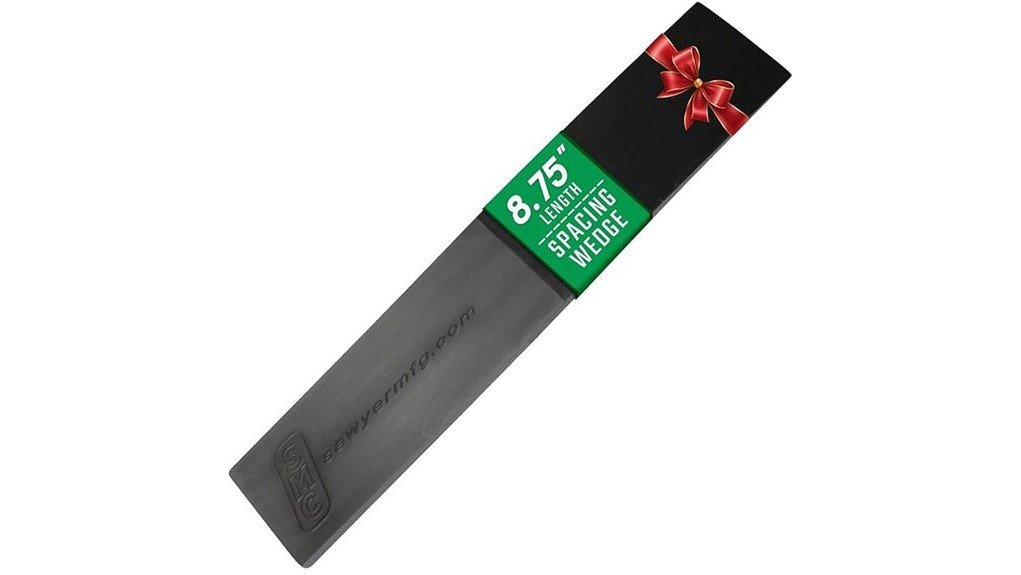
Getting a clean pipe fit-up often comes down to small gaps, steady alignment, and a tool that can take shop abuse. The Welding Wedge for Pipe Fitting is a simple hardened-steel wedge made for spacing, adjusting, and aligning pipe or metal parts before welding. This review helps you decide whether its 8.75-inch length, narrow profile, and 13.6-ounce weight make sense for your welding table, pipe-fitting kit, or job box. It is a practical tool for small adjustments, but it is not a full replacement for clamps, fixtures, or professional fit-up tools on larger work.
Quick Verdict
Rating: 8/10
Best For: Welders, pipe fitters, ironworkers, and DIY metalworkers who need a compact spacing and alignment wedge.
Bottom Line: The Welding Wedge for Pipe Fitting is worth considering if you want a durable hardened-steel wedge for fine alignment work. Its main tradeoff is that the listing details are limited, so you should confirm size and fit for your exact pipe-fitting task before buying.
| Specification | Detail |
|---|---|
| Product name | Welding Wedge for Pipe Fitting |
| Product type | Pipe-fitting and welding alignment wedge |
| Material | Precision hardened steel |
| Length | 8.75 inches |
| Width | 0.25 inches |
| Height | 1.75 inches |
| Weight | 13.6 ounces |
| Best use | TIG welding, small-diameter pipe work, ironworker tasks, fit-up spacing, and metalworking adjustments |
| Care note | Clean after use, remove debris or surface rust, and store dry to help protect the steel. |
What Is the Welding Wedge for Pipe Fitting?
The Welding Wedge for Pipe Fitting is a compact steel tool used to help create small gaps, shift metal into position, and hold spacing during pipe fitting and welding prep. Its hardened-steel build is the key selling point because pipe-fitting tools often see repeated tapping, prying, and contact with rough metal surfaces.
At 8.75 inches long and 13.6 ounces, it gives you enough length to handle and position the wedge without feeling bulky in a tool pouch. The narrow 0.25-inch width makes it useful for tight spaces, small adjustments, and jobs where a larger wedge or clamp may be harder to place.
This is not a powered tool or a complete pipe alignment system. It is best viewed as a supporting fit-up tool that helps you make controlled spacing adjustments before you tack, weld, or fine-tune a joint.
Who Should Buy It?
Best For
- Pipe fitters who need a simple wedge for spacing and alignment during fit-up.
- TIG welders working on small-diameter pipe where gap control matters.
- DIY metalworkers who want a durable hand tool for welding, repair, and fabrication tasks.
Skip If
- You need a clamp, chain vise, pipe stand, or full fixture to hold heavy work securely.
- You are fitting large pipe where a 0.25-inch-wide wedge may be too small for the task.
- You need verified brand, warranty, or certification details before buying.
Before You Buy: Confirm the wedge size against your usual pipe diameter, fit-up gap, and workholding method. This tool can help with spacing and adjustment, but it should not be used as the only support for heavy pipe or unstable metal parts.
Durability and Construction of the Welding Wedge
The main strength of this welding wedge is its precision hardened-steel construction. Hardened steel is a practical choice for a tool that may be tapped, pressed into gaps, dragged across metal, and used around rough fabrication surfaces.
The 8.75-inch length gives you a usable grip area while still keeping the tool compact. The 13.6-ounce weight also helps it feel solid without making it a heavy item to carry in a welding bag or job-site pouch.
Because the article-supported details do not confirm a coating or rust-resistant finish, you should treat it like a steel hand tool. Wipe it down after use, keep it away from standing moisture, and remove surface rust early if it appears.
Precision and Versatility in Pipe Fitting
Fit-up work often depends on small adjustments rather than force. This wedge is designed to help you create controlled spacing, shift parts into better alignment, and hold a gap long enough to check your tack location.
For TIG welding and small-diameter pipe work, consistent gap control can make the job easier. A wedge like this can help you fine-tune spacing before you commit to a tack weld, which may reduce rework caused by uneven fit-up.
The tool can also be useful outside pipe fitting. The original article supports uses in welding, ironworker tasks, metalworking, and home improvement projects where a compact hardened-steel wedge is useful for positioning or spacing metal parts.
Ease of Use and Handling
A good wedge should be simple to position, easy to control, and small enough to fit where your hand tools actually need to work. The 0.25-inch width helps this wedge reach narrow spaces where a wider tool may not fit.
The 1.75-inch height gives it a usable profile for gradual adjustment. You can use the wedge to make small changes, then check the gap or alignment before making the next adjustment.
One limitation is that a wedge still requires judgment. If you drive it too far, force it into the wrong place, or rely on it to support unstable material, you can create a poor fit-up or a safety risk.
Pro Tip: Use the wedge for small fit-up corrections, then tack only after you recheck the gap, pipe alignment, and work support. A wedge helps with adjustment, but clamps and stands should handle the main holding force.
How It Performs in Real Use
For Pipe Fit-Up
During pipe fit-up, this wedge can help you adjust spacing before tack welding. Its narrow profile makes it useful when you need to work near the joint without blocking your view of the fit.
For TIG Welding Prep
For TIG welding, steady joint spacing helps you control the puddle and filler metal more predictably. This wedge is best used before welding starts, especially when you need to set a small, repeatable gap.
For Shop Fabrication
In a shop setting, the hardened-steel build makes it useful for everyday spacing and alignment tasks. It can help with brackets, small assemblies, and metal parts that need slight adjustment before clamping or tacking.
For Outdoor or Job-Site Work
The steel build and compact size make it practical for field work, but outdoor use requires better care. Keep it dry after the job and avoid leaving it exposed to rain, mud, or corrosive work conditions.
How to Use It Correctly
Start by supporting the pipe or metal part with proper stands, clamps, or fixtures. Then place the wedge where it can adjust spacing without creating a pinch point or shifting the work in an unsafe direction.
Make small adjustments and check your fit often. A wedge is most useful when you use it gradually, not when you force it into place and hope the joint settles correctly.
Before welding, remove or reposition the wedge as needed so it does not interfere with your arc, filler rod, torch angle, or ground path. Always follow your shop safety process and use proper PPE when fitting and welding metal.
Compatibility and Safety Notes
This wedge can support many metalworking and pipe-fitting tasks, but it is not confirmed for every pipe size. The safest approach is to compare the 8.75-inch length, 0.25-inch width, and 1.75-inch height with your typical joint size and access space.
Do not use the wedge as a lifting device, a jack, or a substitute for a clamp or pipe stand. It is made for alignment and spacing support, not for holding heavy suspended loads.
Inspect the tool before use. Sharp burrs, cracks, heavy rust, or deformation can make any hand tool less predictable, especially when you are working around tight gaps and metal edges.
Maintenance and Storage
Basic maintenance is simple. Remove debris, grinding dust, and weld spatter after use so the wedge stays easier to handle and position.
If you notice surface rust, clean it early before it spreads. A dry storage area is also important because hardened steel can still rust when exposed to moisture for long periods.
Store the wedge with your pipe-fitting or welding layout tools so it is easy to find when you need it. Keeping it separate from delicate measuring tools can also prevent scratches or impact damage to those tools.
Pros and Cons
Pros
- Precision hardened-steel construction supports repeated shop and field use.
- 8.75-inch length gives you a practical grip and reach for fit-up adjustments.
- 0.25-inch width helps with narrow gaps and small-diameter pipe work.
- 13.6-ounce weight keeps it portable without feeling flimsy.
- Useful for welding, pipe fitting, ironworker tasks, and general metalworking.
Cons
- Not a replacement for clamps, fixtures, pipe stands, or other workholding tools.
- May be too small for large pipe or heavy structural fit-up work.
- Brand, warranty, and certification details were not confirmed from the available article details.
Is It Worth the Price?
The Welding Wedge for Pipe Fitting is a strong value for the price if you need a compact hand tool for spacing, alignment, and light fit-up adjustments. It is especially useful if you already use clamps, stands, and welding layout tools but want a small wedge to help fine-tune the joint before tacking.
You get the most value from it if your work involves small-diameter pipe, TIG welding prep, or repeated metalworking adjustments. It is less compelling if you need a full pipe alignment system or a tool with verified brand-backed warranty details.
How It Compares to Alternatives
Compared with standard steel shims, this wedge gives you more length and a more useful shape for gradual adjustment. Compared with pipe clamps or fit-up fixtures, it is simpler and easier to carry, but it does not provide the same holding force.
If you need rigid holding power, compare it with pipe fit-up clamps, bridge clamps, or flange alignment pins. The Welding Wedge for Pipe Fitting makes the most sense when you need a small adjustment tool, not a complete workholding setup.
Frequently Asked Questions
What is the Welding Wedge for Pipe Fitting used for?
It is used to help space, align, and adjust pipe or metal parts during fit-up. It is most useful before tack welding, especially when you need a small gap or controlled adjustment.
Is it made from steel?
Yes. The article-supported detail lists the tool as precision hardened steel, which is a practical material for repeated metalworking and pipe-fitting use.
What are the dimensions?
The listed dimensions are 8.75 inches long, 0.25 inches wide, and 1.75 inches high. Check those measurements against your normal pipe size and workspace before buying.
Can it replace a clamp or pipe stand?
No. This wedge can help with spacing and alignment, but clamps, fixtures, and stands should handle the main support and holding force for pipe or metal parts.
Is it suitable for outdoor projects?
It can be used for outdoor welding or metalworking tasks when the job is safe and properly supported. Because it is a steel tool, clean it after outdoor use and store it dry.
What maintenance does it need?
Remove debris, rust, and metal dust after use. Store it in a dry place and inspect it for burrs, cracks, or heavy wear before using it around tight gaps.
Will it fit all pipe sizes?
No single wedge fits every pipe-fitting job. This tool may work well for small gaps and small-diameter pipe work, but larger pipe may require bigger wedges, clamps, or dedicated alignment tools.
Who should skip this welding wedge?
Skip it if you need a complete pipe alignment fixture, verified brand warranty details, or a tool for supporting heavy loads. It is best as a small adjustment and spacing aid.
The Bottom Line
The Welding Wedge for Pipe Fitting is a smart buy for welders, pipe fitters, and metalworkers who want a compact hardened-steel wedge for spacing and alignment. Its main strengths are its steel construction, 8.75-inch length, and narrow profile, while its main limitation is that it does not replace proper clamps, stands, or fixtures.
Choose it if you need a simple fit-up aid for small adjustments. Skip it if your work requires heavy-duty holding power, verified brand documentation, or a larger alignment system.