Disclosure: As an Amazon Associate, we earn from qualifying purchases. If you click a link on this page and make a purchase, we may receive a small commission at no extra cost to you.
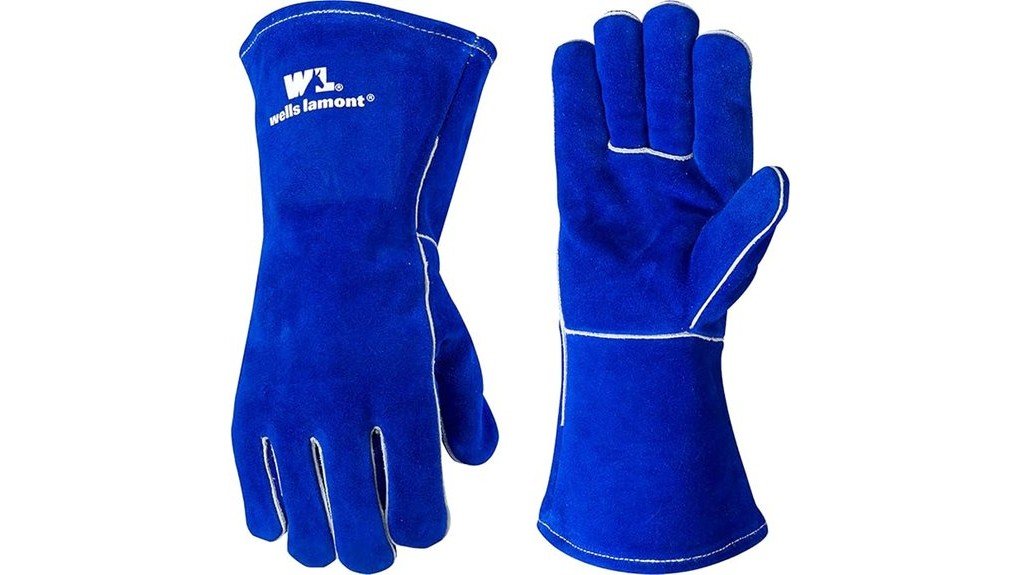
Choosing welding gloves is about more than grabbing the thickest pair on the shelf. You need enough heat protection, durable stitching, and a fit that lets you handle tools without fighting the glove. The Wells Lamont Blue Lined Leather Welding Gloves are built around split cowhide leather, Kevlar stitching, and a fully lined interior, which makes them a practical option for welding, fireplace work, camping, and outdoor cooking. This review helps you decide where these gloves make sense, where they have limits, and why sizing may be the main detail to check before you buy.
Quick Verdict
Rating: 8/10
Best For: Buyers who want durable leather gloves for welding, heat-adjacent shop tasks, fireplace use, camping, and outdoor cooking.
Bottom Line: These gloves are a solid pick if you want split cowhide leather, reinforced Kevlar stitching, and a lined interior in one heavy-duty pair. The main tradeoff is that they are not described as flame retardant, and some users may need to size up for better comfort.
| Specification | Detail |
|---|---|
| Brand | Wells Lamont |
| Model / Product Name | Blue Lined Leather Welding Gloves |
| Product Type | Leather welding gloves |
| Material | Split cowhide leather |
| Interior | Fully lined interior for added heat protection and comfort |
| Stitching | Kevlar stitching |
| Cuff | Split cowhide cuff for added coverage and flexibility |
| Best Use | Welding, fireplace use, camping, and outdoor cooking |
| Safety Note | Provides heat protection, but the source article does not identify the gloves as flame retardant |
| Fit Note | Some users recommend choosing a larger size for a more comfortable fit |
Key Takeaways
- The gloves use split cowhide leather, which helps with durability during welding and other demanding heat-adjacent tasks.
- The fully lined interior adds comfort and heat protection during longer use.
- Kevlar stitching reinforces the seams, which is useful because stitching is often a high-wear point on work gloves.
- The split cowhide cuff gives you more wrist coverage while still allowing movement.
- They are best for welding, outdoor cooking, camping, and fireplace tasks, but they should not be treated as flame-retardant gloves.
What Are the Wells Lamont Blue Lined Leather Welding Gloves?
The Wells Lamont Blue Lined Leather Welding Gloves are heavy-duty leather work gloves made for jobs where heat, abrasion, and hand coverage matter. The main materials noted in the source article are split cowhide leather, a fully lined interior, Kevlar stitching, and a split cowhide cuff.
These gloves are meant for buyers who want one protective pair for welding and related tasks around the garage, shop, campsite, or outdoor cooking area. They are not a precision glove for tiny hardware or delicate fingertip work. Their strength is protection, coverage, and durability.
The blue lining is one of the key comfort features. It adds a layer between your hand and the leather shell, which can help during longer jobs where unlined leather may feel rough or hot against the skin.
Who Should Buy It?
Best For
- Welders who want split cowhide leather gloves with reinforced stitching.
- Home shop users who need a glove for welding, fireplace use, camping, or outdoor cooking.
- Buyers who prefer a lined glove instead of bare leather against the hand.
Skip If
- You need a glove specifically rated or labeled as flame retardant.
- You need thin, high-dexterity gloves for small fasteners or detailed tool work.
- You are unsure about sizing and do not want to check the current size chart before ordering.
Before You Buy: Do not treat heat-resistant leather welding gloves as a substitute for flame-retardant or job-specific protective equipment. Check the current product listing, size options, and safety details before using them near open flame, sparks, or hot metal.
Features and Benefits
Split Cowhide Leather Build
The main shell material is split cowhide leather. That matters because welding gloves need to handle abrasion, heat exposure, and rough surfaces better than light fabric work gloves.
For welding and garage work, split cowhide gives you a thicker barrier between your hands and hot or rough materials. The tradeoff is that these gloves may feel bulkier than thinner work gloves. That is normal for this type of protective glove.
Fully Lined Interior
The fully lined interior is one of the most buyer-friendly features. It adds comfort during longer wear and gives you more separation from heat than an unlined leather glove.
This lining also helps reduce the stiff, scratchy feel that some leather gloves have when new. If you use gloves for longer welding sessions or outdoor cooking, that extra comfort can make a real difference.
Kevlar Stitching
The article-supported stitching detail is Kevlar stitching. This is useful because glove seams can wear out before the leather shell does, especially when you grip tools, handle metal, or work around heat.
Reinforced stitching does not make the gloves indestructible, but it supports better durability in high-stress areas. For buyers comparing these to cheaper leather gloves, the seam construction is one of the better reasons to consider this pair.
Split Cowhide Cuff
The split cowhide cuff gives extra coverage around the wrist and lower forearm. That is helpful when sparks, debris, or heat can reach past the palm area.
The cuff also adds structure without making the glove too hard to put on and take off. For welding and fireplace tasks, that added coverage is more useful than a short-cuff general work glove.
Material Safety and Comfort
These gloves touch your skin and are used near heat, so material safety and correct use matter. The source article supports split cowhide leather, lining, Kevlar stitching, and heat protection, but it also notes that the gloves are not flame retardant.
That means you should avoid using them as direct flame-handling gloves unless the current product label specifically supports that use. For welding, follow your welder’s safety guidance and pair gloves with proper eye, face, body, and respiratory protection where needed.
If leather gloves feel too tight, too loose, wet, cracked, or burned through, replace them. Damaged gloves can reduce your control and protection.
How It Performs in Real Use
For Welding
For welding, the main benefits are the leather build, lined interior, wrist coverage, and reinforced seams. These features make the gloves a practical match for heat-adjacent work where a thin work glove would not offer enough protection.
You should still match the glove to the welding process and your comfort needs. If you need maximum fingertip control for fine TIG work, a thinner glove may feel easier to use.
For Fireplace Use
For fireplace tasks, the long leather design can help when you are moving tools, adjusting logs with proper fireplace equipment, or handling items near heat. The cuff gives more coverage than a short work glove.
Do not use these gloves to grab burning logs, hot coals, or metal that exceeds what the glove can safely handle. Heat protection is helpful, but it is not unlimited.
For Camping and Outdoor Cooking
These gloves also make sense for camping and outdoor cooking because they offer more coverage than a standard kitchen mitt or light work glove. You may find them useful around fire pits, grills, and cast iron cookware when used with care.
The leather shell is better suited to rugged outdoor use than delicate kitchen fabric. Still, keep grease, open flame, and soaked leather in mind because all can affect glove performance.
For Long-Term Shop Use
In long-term use, the split cowhide leather and Kevlar stitching are the main durability points. The gloves are built for repeated gripping, lifting, and handling during demanding tasks.
Like any leather glove, they need basic care. Keep them dry when possible, brush off debris, and avoid storing them near sharp tools, chemicals, or moisture.
Fit Tips Before You Buy
Fit can decide whether these gloves feel protective or frustrating. The original article notes that some users recommend choosing a larger size for the best fit, so check the current Amazon size selector and compare it with your hand measurements before ordering.
Pro Tip: If you are between sizes or prefer extra room for easy removal around heat, consider sizing up after checking the current size chart. A glove that is too tight can reduce comfort, while a glove that is too loose can hurt grip control.
A welding glove should allow you to grip your torch, tools, and workpieces without slipping. It should also be easy to remove if it gets too hot. Before your first job, put both gloves on and test your grip with the tools you use most often.
Cleaning and Maintenance
Leather welding gloves should be cared for more gently than basic fabric work gloves. For routine cleaning, wipe surface dirt with a slightly damp cloth and let the gloves air dry away from direct heat.
Avoid soaking them in water. Too much moisture can stiffen leather, affect comfort, and reduce the life of the glove. If the lining gets sweaty after long use, let the gloves dry fully before storing them.
Store them flat or loosely paired in a dry place. Do not leave them crushed under heavy tools because that can make the leather harder to break in and less comfortable the next time you use them.
Pros and Cons
Pros
- Split cowhide leather helps with durability during welding and heavy shop tasks.
- Fully lined interior adds comfort and extra heat protection.
- Kevlar stitching reinforces the seams for better long-term reliability.
- Split cowhide cuff adds wrist coverage for welding, fireplace use, and outdoor cooking.
- Useful across several tasks, including camping and general heat-adjacent work.
Cons
- Not described in the source article as flame retardant.
- May feel bulky if you need high fingertip precision.
- Some users may need to size up for a better fit.
Is It Worth the Price?
The Wells Lamont Blue Lined Leather Welding Gloves are worth considering if you want a practical leather glove with lining, Kevlar stitching, and a longer protective cuff. They make the most sense for buyers who need one glove for welding and other rugged heat-adjacent tasks.
They offer strong value for the price if durability and comfort matter more to you than thin dexterity. The lined interior and reinforced stitching give them a more complete build than a basic unlined leather work glove.
They are not the best fit if you need a glove with confirmed flame-retardant labeling, exact certification details, or very fine finger control. In that case, compare them with task-specific welding gloves before you decide.
How It Compares to Alternatives
Compared with thinner nitrile-coated work gloves, the Wells Lamont Blue Lined Leather Welding Gloves offer more heat protection, wrist coverage, and rugged leather durability. The tradeoff is less fingertip feel and less breathability.
Compared with thinner TIG-style welding gloves, these are better for general protection and heat-adjacent chores, while TIG-focused gloves may be better for delicate torch control. Compared with extra-long fireplace gloves, these may feel more versatile for shop use, but the current product label should guide any direct heat or open-flame task.
Frequently Asked Questions
What sizes are available for the Wells Lamont Blue Lined Leather Welding Gloves?
The original article does not confirm exact size options. Check the current Amazon size selector before buying, and consider sizing up if you prefer more room or easier removal around heat.
Are these gloves flame retardant?
The article supports heat protection, but it does not identify these gloves as flame retardant. Use them as protective leather welding gloves and follow the current product label for heat, flame, and safety limits.
Can you use these gloves for tasks other than welding?
Yes. The article supports use for fireplace tasks, camping, and outdoor cooking, along with welding. Just avoid treating them as unlimited heat or flame protection.
How should you clean and maintain these gloves?
Wipe surface dirt with a damp cloth and let the gloves air dry. Avoid soaking the leather, using harsh cleaners, or storing them while wet.
Are these gloves good for left-handed users?
They are sold as a pair of gloves, so left-handed users can wear and use them for normal work tasks. Fit still matters, so make sure both gloves allow a secure grip on your tools.
Do these gloves offer good dexterity?
They should be viewed as protective leather welding gloves, not thin precision gloves. They are better for coverage and durability than for handling very small parts.
Who should skip these welding gloves?
Skip them if you need confirmed flame-retardant gloves, exact certification details, or a thin glove for detailed fingertip control. You may also want another option if you are unwilling to check sizing before ordering.
Is the warranty confirmed?
The source article did not provide a verified warranty term. Check the current Amazon listing or Wells Lamont product information before buying if warranty coverage is a deciding factor.
The Bottom Line
The Wells Lamont Blue Lined Leather Welding Gloves are recommended with caveats for buyers who want durable split cowhide leather gloves with a lined interior, Kevlar stitching, and added wrist coverage. They are a good fit for welding and rugged heat-adjacent tasks, but you should skip them if you need confirmed flame-retardant labeling, maximum fingertip precision, or verified certification details.
Ready to Buy?
Check the latest price, size options, and product details before you decide.