Disclosure: As an Amazon Associate, we earn from qualifying purchases. If you click a link on this page and make a purchase, we may receive a small commission at no extra cost to you.
Plastic repairs can be frustrating when glue will not hold, replacement parts cost too much, or the broken piece has an odd shape. The WEP 960-IV Plastic Welder Kit gives you a 110V, 60W plastic welding tool with rods, copper tips, sandpaper, and steel mesh so you can repair many rigid plastic items at home or in the shop. Its biggest strengths are the fast three-minute preheat time and 1112 °F maximum temperature, but it is not a universal fix for every plastic type or every safety-related part. This review helps you decide if the kit fits your repair jobs, skill level, and the types of plastic you need to mend.
Quick Verdict
Rating: 7.8/10, Recommended with caveats
Best For: DIY users who want a basic plastic welding kit for furniture, toys, bumpers, dashboards, kayaks, and similar rigid plastic repairs.
Bottom Line: The WEP 960-IV Plastic Welder Kit is useful if you want a ready-to-use repair kit with heat, rods, mesh, and prep accessories in one package. The main tradeoff is that plastic compatibility still matters, so you may need testing and practice before you get clean, strong results.
| Specification | Detail |
|---|---|
| Brand | WEP |
| Model | 960-IV |
| Product type | Plastic welder kit |
| Power | 110V, 60W |
| Maximum temperature | Up to 1112 °F |
| Preheat time | Approximately 3 minutes |
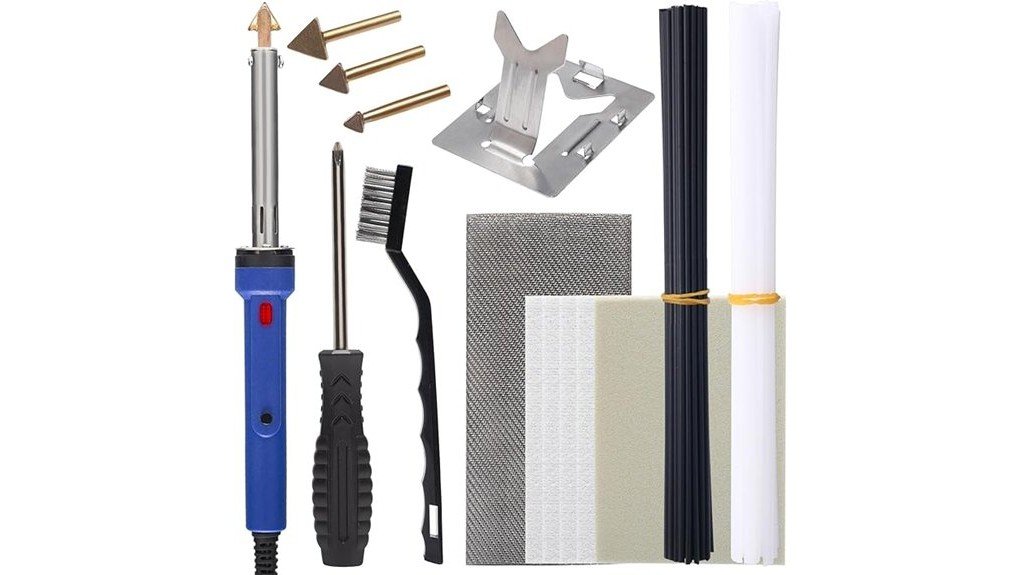
| Included tips | 3 triangular copper tips |
| Included repair materials | 40 plastic rods, 5 sandpapers, and steel mesh |
| Supported repair examples | Furniture, toys, bumpers, gas tanks, kayaks, and dashboards |
| Safety feature | Power switch for ON/OFF control |
| Support | 1-year USA technical support warranty and 24-hour assistance, as stated in the source article |
| Best use | Small to medium plastic repair jobs where the plastic type is suitable for heat welding |
What Is the WEP 960-IV Plastic Welder Kit?
The WEP 960-IV is a plastic repair kit built around a 110V, 60W heated welding tool. Instead of relying only on adhesive, it uses heat, plastic rods, and reinforcement material to help you bond compatible plastic surfaces. That makes it useful for cracks, splits, broken tabs, and damaged areas where a basic glue repair may fail under stress.
The kit includes three triangular copper tips, 40 plastic rods, five sandpapers, and steel mesh. Those extras matter because plastic repair usually needs surface prep, filler material, and sometimes reinforcement behind the damaged area. You still need to match the repair method to the plastic and the part, but the kit gives you more than just the heating tool.
It is best viewed as a practical DIY repair kit, not a professional body-shop replacement. You can use it for many household, outdoor, and automotive plastic repairs, but critical parts, fuel-related parts, and load-bearing components need extra caution.
Before You Buy: This kit may repair many plastics, but it cannot guarantee a strong bond on every plastic type. Test on a hidden area or scrap piece first, and avoid unsafe repairs on pressurized, fuel-contaminated, or safety-related parts unless you have the right training.
Who Should Buy It?
Best For
- DIY users who want to repair cracked plastic furniture, toys, kayaks, dashboards, or trim pieces.
- Garage users who need a basic heated tool, plastic rods, sandpaper, and mesh in one kit.
- Buyers who prefer a repair method that can reinforce plastic instead of only covering the crack with glue.
Skip If
- You need a repair on a safety-related part where failure could cause injury or vehicle damage.
- You do not know the plastic type and cannot test compatibility before starting the repair.
- You want a cosmetic, invisible finish without sanding, shaping, and practice.
Product Features and Specifications
The main feature is the 60W heated plastic welder, which the source article says can reach up to 1112 °F. That high heat helps melt compatible hard plastics and plastic filler rods so the material can bond into the damaged area. The tool also preheats in about three minutes, which keeps small repairs from turning into a long setup process.
The included three triangular copper tips give you contact points for heating and shaping. The 40 plastic rods provide filler material for cracks, holes, and missing areas, while the steel mesh can add reinforcement when the repair needs more backing strength. The five sandpapers help you rough up the surface before repair or smooth the area after the material cools.
The kit also includes clear instructions and support options, according to the source article. That is helpful if you are new to plastic welding, because technique affects the final bond. Too little heat can create a weak surface repair, while too much heat can burn or deform the plastic.
Heating Performance and Controls
A three-minute preheat time is useful for quick repairs because you can start working without waiting long for the tool to reach operating temperature. The stated 1112 °F maximum temperature gives the welder enough heat for many hard plastic repair tasks. This can help when you need the filler rod and damaged plastic to soften together rather than sit as separate layers.
The power switch adds a simple but important control point. You can turn the tool off between repair steps instead of leaving it hot while you clean, sand, or reposition the part. That reduces accidental contact risk and helps you stay organized during longer repairs.
Heat is also the feature that demands the most care. A plastic welder can damage surrounding material, produce fumes, or create a rough finish if you rush. Work in a ventilated area, wear suitable protection, and follow the instructions that come with the kit.
Build, Accessories, and Repair Materials
The accessory set is one of the strongest parts of the WEP 960-IV kit. You get the heated tool plus copper tips, plastic rods, sandpapers, and steel mesh. That combination supports a more complete repair process: clean the plastic, rough up the area, melt in filler, reinforce if needed, then sand the cooled repair.
The 40 plastic rods give you enough material for multiple small repairs or a few larger ones, depending on crack length and part thickness. Rod use varies because a thin toy crack needs far less filler than a bumper split or kayak gouge. You should still check whether the included rods suit the plastic you are repairing.
The steel mesh is useful when a crack needs backing support. It can help bridge a damaged area, especially on panels that flex or have missing material. For clean-looking results, you will still need patience, shaping, and sanding after the repair cools.
Ease of Use
The kit is designed for straightforward assembly and operation. That matters because many buyers choose a plastic welder to save money on replacement parts, not because they already have repair experience. Clear instructions can reduce trial and error, especially when you are learning how much heat and pressure to use.
Beginners should expect a short learning curve. The first repair may not look perfect, so start with a non-cosmetic area or scrap plastic when possible. Once you understand how quickly the plastic softens, it becomes easier to move slowly and avoid gouging or overheating the surface.
Pro Tip: Clean and rough up the repair area before adding heat. Plastic rods and mesh bond better when the surface is dry, free of dirt, and lightly scuffed instead of glossy.
Compatibility and Safety
The WEP 960-IV can be used on many plastic repair projects, including furniture, toys, bumpers, gas tanks, kayaks, and dashboards, according to the source article. That range shows the kit is versatile, but plastic type still affects results. Some plastics weld more easily than others, and some parts may warp, burn, or refuse to bond well.
Be especially careful with gas tanks and any part that may have held fuel, chemicals, or pressure. Heat and fuel residue are a dangerous mix. If a repair involves a fuel system, structural vehicle part, or safety-related component, consider professional service instead of treating it as a casual DIY job.
You should also manage fumes and heat exposure. Use the tool in a well-ventilated area, keep flammable items away from the work area, and let the tip cool before storage. The power switch helps, but the tool and tip can remain hot after you turn it off.
How It Performs in Real Use
For Household Plastic Repairs
For cracked furniture, storage bins, toys, and similar household items, the kit gives you a practical way to reinforce damage instead of replacing the whole item. The rods can fill cracks, while the steel mesh can add support behind wider splits. Results depend on cleaning, plastic compatibility, and how well you blend the repair.
For Automotive Interior and Exterior Plastic
The kit can be useful for dashboards, trim pieces, and bumpers when the damage is suitable for heat repair. The 60W tool and high maximum temperature give you enough heat for many rigid plastics. For visible parts, plan on extra sanding and finishing because a welded repair may need shaping before it looks clean.
For Outdoor Gear and Kayaks
Kayaks and outdoor plastic gear often take impacts, scrapes, and cracks. A plastic welding kit can help when you need to fill or reinforce damage on compatible material. The repair should be checked carefully before the item returns to water or heavy use, because a weak weld can fail under flex or stress.
For Long-Term Repair Value
The kit can save money when you use it across several small repairs. The included 40 rods, sandpapers, and steel mesh make it more useful than a welder-only purchase. The value drops if you only have one repair and the plastic type is uncertain, because you may need extra testing or a different repair method.
Setup Tips Before First Use
Start by reading the instructions and laying out the copper tips, plastic rods, sandpapers, and steel mesh. Clean the damaged area with a suitable cleaner and let it dry fully. Dirt, oil, and moisture can weaken the bond and create an uneven repair.
Next, lightly sand the repair area so the melted plastic has a better surface to grip. Preheat the welder for about three minutes, then test the heat on scrap material if you have it. Move slowly, use controlled pressure, and avoid forcing the tip into the plastic.
For cracks that open under pressure, consider using the steel mesh as backing support. For cosmetic areas, leave enough material to sand and shape after the repair cools. Do not handle the tip or store the tool until it has cooled safely.
Pros and Cons
Pros
- 60W heated welder reaches up to 1112 °F for compatible hard plastic repairs.
- Approximate three-minute preheat time keeps setup quick for small repair jobs.
- Includes three triangular copper tips, 40 rods, five sandpapers, and steel mesh.
- Useful for a wide range of plastic items, including furniture, toys, bumpers, kayaks, and dashboards.
- Power switch, instructions, and support options make the kit easier for DIY users to manage.
Cons
- Plastic compatibility can vary, so some materials may not bond well.
- Not ideal for safety-related, fuel-contaminated, or pressurized parts without expert guidance.
- Clean cosmetic results may require practice, sanding, and careful temperature control.
Is It Worth the Price?
The WEP 960-IV Plastic Welder Kit offers strong value if you expect to handle more than one plastic repair. You get the heating tool, tips, rods, sandpaper, and mesh in a single package, which makes it easier to start than buying each part separately. It is a smart buy for everyday use if you repair household plastic, vehicle trim, outdoor gear, or hobby parts.
The best value comes from repeated use. If you only need to repair one small item, a simpler adhesive or replacement part may cost less and require less practice. If you have several cracked plastic items and want a more durable repair method than glue alone, this kit is worth considering.
Its main limitation is not price, but certainty. You need the right plastic type, a clean surface, and careful heat control. Without those, even a complete kit can produce weak or rough-looking results.
How It Compares to Alternatives
Compared with basic two-part plastic epoxy, the WEP 960-IV gives you a heat-based repair method that can melt filler material into the damaged area. Epoxy may be easier for small cosmetic cracks, but it may not reinforce some breaks as well as a welded repair with mesh.
Compared with hot stapler kits, this kit focuses more on welding and filling plastic rather than embedding staples across a crack. A hot stapler can be useful for holding cracked bumper plastic together, while the WEP 960-IV makes more sense if you want rods, heat shaping, and surface repair materials in one package.
Frequently Asked Questions
Can the WEP 960-IV repair all types of plastic?
No. It can repair many compatible plastics, but not every plastic melts, bonds, or holds strength the same way. Test the material first when possible, especially before repairing a visible or high-stress part.
How long do the included plastic rods last?
Rod use depends on crack size, plastic thickness, and how much filler you need. The included 40 rods should cover several small repairs, but larger bumper, kayak, or furniture repairs may use more material.
Is the WEP 960-IV portable for outdoor repairs?
The source article describes the welder as portable for outdoor use. You still need safe access to power, a stable work surface, and proper ventilation.
What comes in the WEP 960-IV Plastic Welder Kit?
The kit includes a 110V, 60W plastic welder, three triangular copper tips, 40 plastic rods, five sandpapers, and steel mesh. Those parts support heating, filling, reinforcing, and surface preparation.
Can you use it on automotive bumpers and dashboards?
Yes, the article-supported use cases include bumpers and dashboards. For visible automotive parts, expect to sand, shape, and finish the repair if you want a cleaner appearance.
Is it safe to repair a plastic gas tank with this kit?
Use extreme caution. The article lists gas tanks as a possible repair example, but heat near fuel residue can be dangerous. For any fuel-related part, professional repair or replacement is usually the safer choice.
What warranty or support is included?
The source article states that the kit includes a 1-year USA technical support warranty and 24-hour assistance. Check the current Amazon listing and seller details before purchase because support terms can change.
Who should skip this plastic welder?
Skip it if you need a guaranteed cosmetic finish, do not want to practice heat control, or are repairing a safety-related part. You should also skip it when the plastic type is unknown and you cannot test compatibility.
The Bottom Line
The WEP 960-IV Plastic Welder Kit is a good fit if you want a practical DIY kit for compatible plastic repairs and appreciate having rods, mesh, tips, and sandpaper included. Its best strengths are the 60W heated tool, quick preheat time, and broad repair usefulness, while its main limitation is that plastic compatibility and technique affect the final result.
Buy it if you want to fix household plastic, trim pieces, toys, kayaks, or similar items with more reinforcement than glue alone. Skip it if you need a guaranteed cosmetic repair or a safe fix for fuel-related, pressurized, or structural parts.