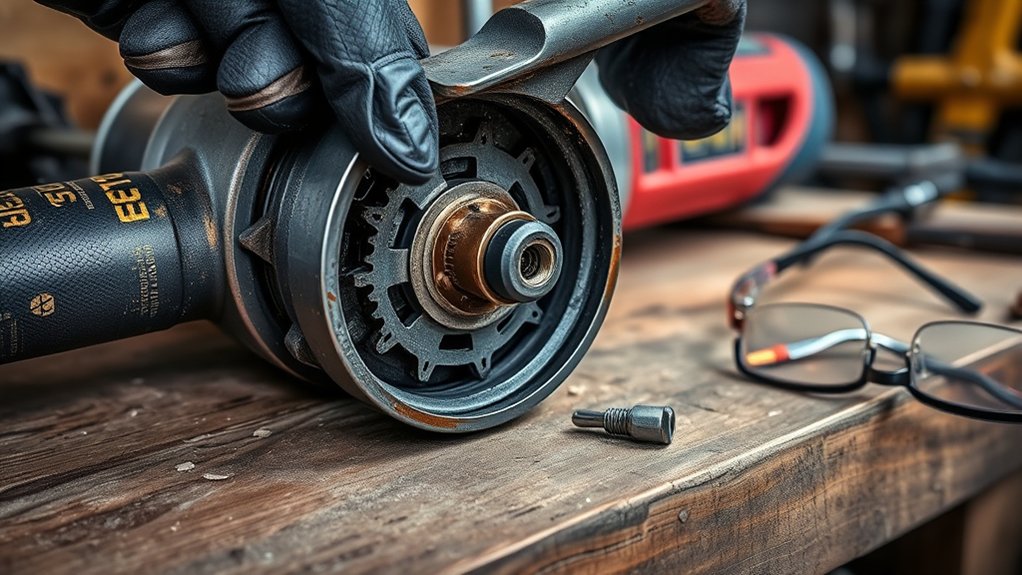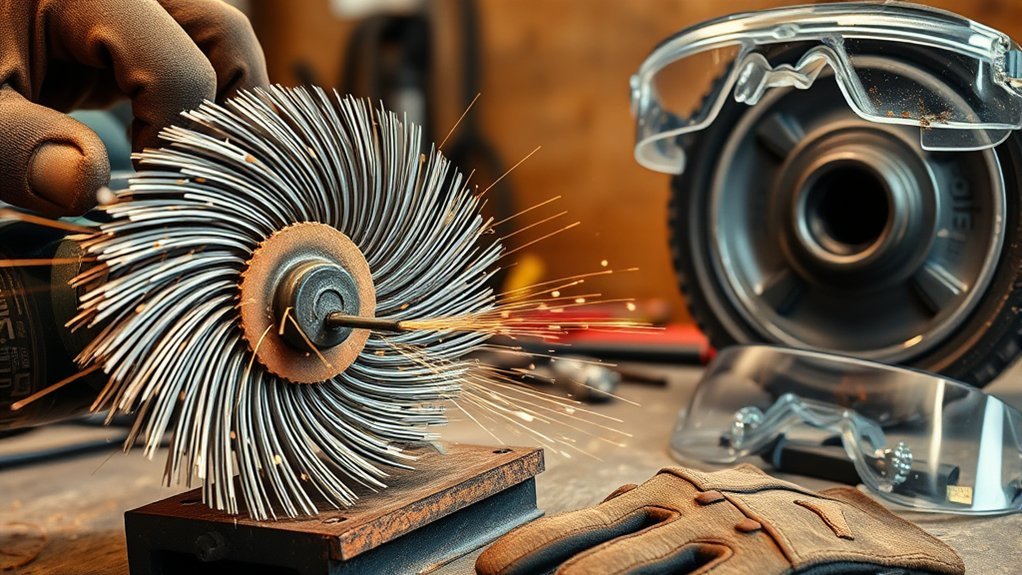
Understanding Wire Wheel Throwing Wires: What Are They?
What’s in This Article
- What Are Wire Wheel Throwing Wires?
- Common Causes of Wire Wheel Throwing Wires
- The Safety Risks Associated With Thrown Wires
- Inspecting Wire Brushes for Damage Before Use
- Choosing the Right Wire Brush
- Recommended Speed Limits for Wire Wheels
- Techniques for Preventing Wire Breakage During Use
- Why You Need Personal Protective Equipment (PPE)
- Maintaining Your Wire Brushes for Longevity
- What to Do If You Experience Thrown Wires During Operation
- Frequently Asked Questions
- Safety Disclaimer
- Final Safety Takeaway
A wire wheel can throw bristles with enough force to cut skin, damage eyes, or injure nearby workers. This usually happens when the brush wears out, runs too fast, fits the wrong tool, or meets too much pressure. You can reduce the risk by choosing the right brush, inspecting it before each use, keeping speed within the rated limit, and wearing proper personal protective equipment.
Quick Answer
Wire wheel throwing wires means individual wire bristles break free during use. The main causes include worn brushes, mismatched revolutions per minute (RPM) ratings, wrong brush size, poor mounting, and too much pressure. Stop using the tool if you see loose, bent, broken, or missing wires.
Key Takeaways
- Match the wire wheel’s RPM rating to the tool before you start.
- Inspect the brush for loose, bent, broken, or uneven wires before each use.
- Use light to moderate pressure so the wire tips do the work.
- Wear eye, face, hand, arm, and respiratory protection when the task creates debris or dust.
- Stop the tool right away if wires start flying or the wheel vibrates.
What Are Wire Wheel Throwing Wires?
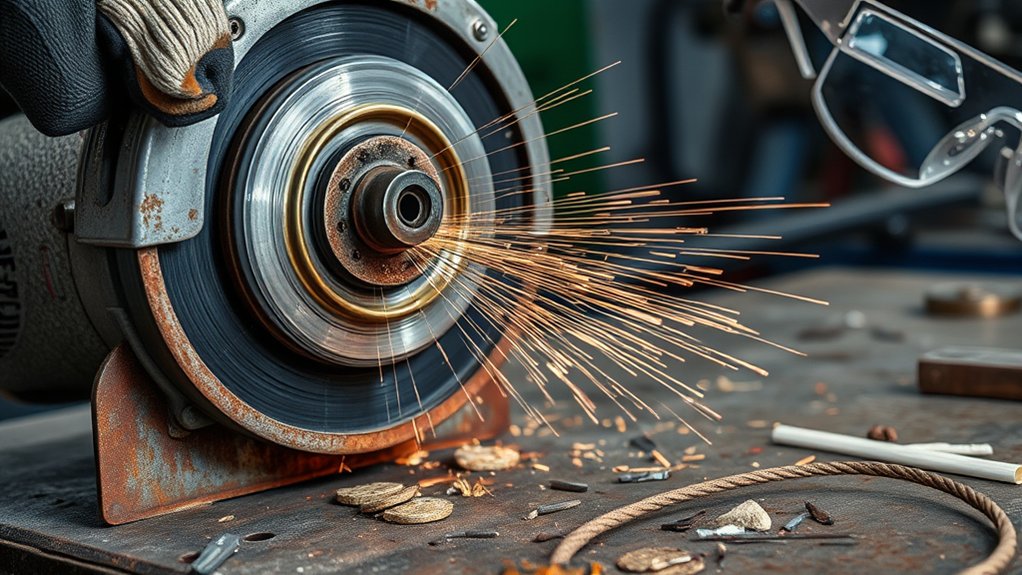
Wire wheel throwing wires refers to the dangerous release of individual wire bristles from a wire wheel during operation. The wires can leave the brush at high speed and strike you, a bystander, or nearby surfaces.
Wire brushes wear as you use them. The risk rises when you use the wrong brush for the job, run it above its rated speed, press too hard, or keep using it after damage appears.
Check the brush before each use, mount it correctly, and choose a wire size and brush style that matches the task. These habits help you work faster while reducing the chance of wire breakage.
Common Causes of Wire Wheel Throwing Wires
Wire wheels usually throw wires because the brush, tool, or technique does not match the job. The most common causes include poor tool selection, too much pressure, worn wire, and speed that exceeds the brush rating.
Incorrect Tool Selection
Choosing the wrong tool or brush can increase the risk of thrown wires. A brush with the wrong RPM rating, diameter, arbor, or wire style may vibrate, wear unevenly, or break during use.
| Issue | Consequence |
|---|---|
| Mismatched RPM ratings | Higher risk of wire breakage and thrown wires |
| Incorrect diameter | Poor balance, vibration, or unsafe fit |
| Wrong brush style | Poor cleaning action that tempts you to press harder |
Use the brush style, diameter, arbor size, and RPM rating listed for your tool and task. A better match improves cleaning and helps prevent wire fatigue.
Excessive Pressure Application
Too much pressure does not make a wire wheel clean better. It bends the wires, creates heat, and can make the bristles break sooner.
Let the wire tips do the work. If the brush does not clean well with light to moderate pressure, choose a more aggressive brush instead of forcing the tool.
Warning: Never use extra pressure to compensate for the wrong brush because bent wires can snap and fly from the wheel.
The Safety Risks Associated With Thrown Wires
Thrown wires can cause puncture wounds, eye injuries, cuts, and damage to nearby surfaces. They also create a risk for people standing near the work area.
An out-of-balance wheel can make the hazard worse. Vibration puts more stress on the wires and can lead to more breakage.
Common Causes of Thrown Wires
Thrown wires often come from poor product selection, worn brushes, incorrect speed, or improper technique. A wire diameter that is too fine for the job may break sooner under heavy pressure.
Operators sometimes press harder when a brush does not clean fast enough. This bends the wires at the base, weakens them, and increases the chance that they will break loose.
Safety Precautions to Implement
Good safety habits reduce the risk of thrown wires and tool damage. Use these precautions before and during every wire wheel task:
- Choose the correct brush type for the material and cleaning job.
- Inspect the brush for loose, bent, broken, or missing wires.
- Keep the tool speed at or below the brush’s rated RPM.
- Apply light to moderate pressure during use.
- Keep bystanders away from the work area.
Best Practices for Prevention
Start with the right wire diameter for the job. Finer wire works better for light cleaning, while thicker wire handles more aggressive surface work.
Hold the tool at the correct working angle for the brush type. Avoid twisting the brush into edges or corners unless the brush design supports that use.
Inspect the brush often during long jobs. Replace it when you see wire loss, uneven wear, heavy vibration, or a change in cleaning performance.
Inspecting Wire Brushes for Damage Before Use
Inspect every wire brush before you start the tool. A quick check can prevent loose wires from flying off during operation.
Focus on these inspection points:
- Look for loose, bent, broken, rusted, or missing wires.
- Check for uneven bristle length or signs of heavy wear.
- Confirm that the brush mounts securely on the tool.
- Verify that the brush’s RPM rating matches the tool speed.
- Replace the brush if it vibrates, wobbles, or looks damaged.
Do not keep using a damaged brush to finish a job. Replace it before you restart the tool.
Products Worth Considering

Value Pack: Wire brush kit set includes 3 x 1-inch pen brushes, 3 x 2-inch wheel brushes, and 4 x 2-inch cup brushes, covering all your cleaning and grinding needs. Perfect for both large surfaces and tight spaces

6 Pack Wire Brush Set: This package includes: 2 pcs carbon steel cup brush, 2 pcs wheel brush, 2 pcs pen brush with 1/4 inch hex shank. Hardened steel wire long maximum 4500 RPM.

Stainless-steel wire bristles: can clean almost any surface and quickly removes stubborn residue
Choosing the Right Wire Brush
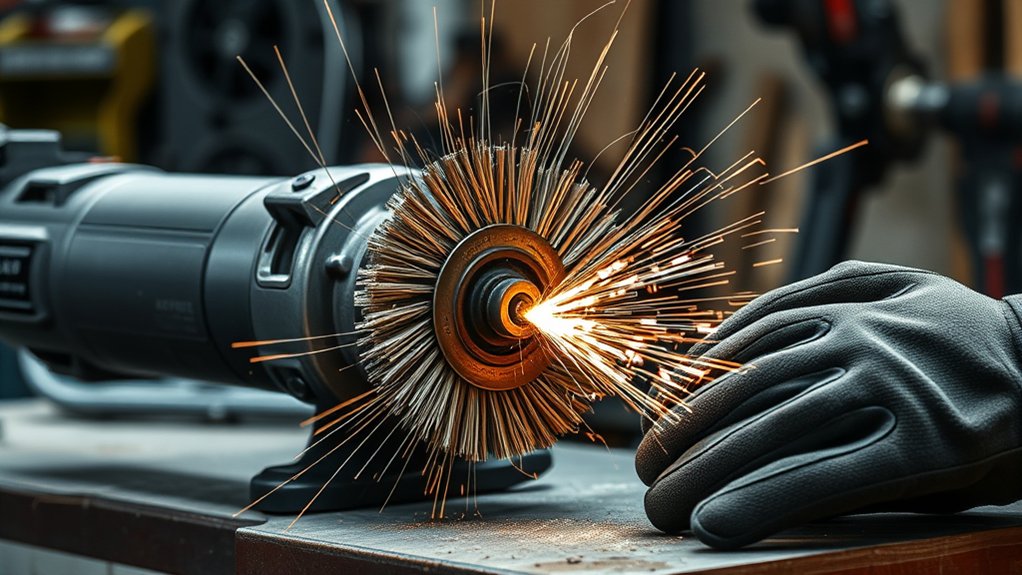
The right wire brush helps you clean well without adding risk. Match the brush type, wire material, wire diameter, arbor, and RPM rating to your tool and surface.
Products Worth Considering

Practical Wire Brushes Set: Package includes 2pcs brass brushes, 2pcs stainless steel brushes, 2pcs nylon brushes and 2 pcs wire scratch brushes for different surface types to meet your different cleaning needs
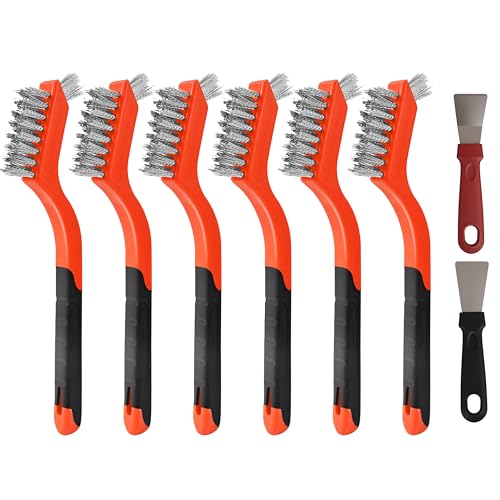
【What do you get】: The wire brush set includes 6 Stainless Steel brushes and 2 cleaning scrapers, Wire Brushes Set will help you cope with all kinds of daily cleaning efficiently
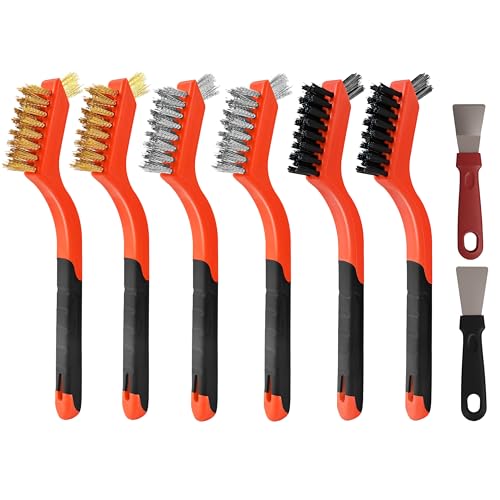
【What do you get】: Thecombo pack includes 2 brass brushes,2 Nylon brushes ,2 Stainless Steel brushes and 2 cleaning scrapers, Wire Brushes Set will help you cope with all kinds of daily cleaning efficiently
Wire Brush Types Available
Different wire brush types suit different levels of cleaning. Choose the least aggressive brush that still does the job well.
- Crimped wire brushes: Use them for lighter cleaning, paint removal, and finishing work.
- Knotted wire brushes: Use them for aggressive cleaning, weld cleaning, and heavy rust removal.
- Stringer bead brushes: Use them for narrow weld seams and tight lines.
- End brushes: Use them for corners, holes, and tight spaces.
Material Compatibility Considerations
Match the wire material to the workpiece to reduce contamination and surface damage. For example, use stainless steel wire brushes on stainless steel when you need to avoid carbon steel transfer.
Keep dedicated brushes for sensitive materials. Do not use a brush on stainless steel after using it on carbon steel, because the brush can carry particles to the new surface.
Proper Brush Sizing Guidelines
Proper brush size affects safety, fit, and cleaning quality. Use the tool manufacturer’s instructions and the brush label before mounting any wire wheel.
- Size the brush for the area: Use small brushes for tight spots and larger brushes for broad surfaces.
- Check RPM compatibility: Use a brush with a rated speed that meets or exceeds the tool speed.
- Match wire diameter to the job: Use finer wire for light cleaning and thicker wire for heavy work.
- Confirm the mounting fit: Use the correct arbor, thread, adapter, or guard for your tool.
Recommended Speed Limits for Wire Wheels
Each wire wheel has a maximum safe operating speed. Keep your tool speed at or below the brush’s marked RPM rating.
Do not use a wire wheel if the label is missing, unreadable, or lower than the tool’s speed. When in doubt, replace the brush with one that clearly matches your tool.
Here’s a quick reference for common wire wheel examples:
| Wire Wheel Size | RPM Rating | Recommended Tool RPM |
|---|---|---|
| 6 x ⅝-11 Stringer Bead | 9000 RPM | ≤ 9000 RPM |
| 7 x 5/8-11 Stringer Bead | 8500 RPM | ≤ 8500 RPM |
| 8 x ½-11 Stringer Bead | 8000 RPM | ≤ 8000 RPM |
| 4 x ¼-20 Flap Wheel | 6000 RPM | ≤ 6000 RPM |
These examples do not replace the rating on your brush. Always follow the marking on the product you actually use.
Techniques for Preventing Wire Breakage During Use
Safe technique matters as much as brush selection. The goal is to keep the wire tips working without bending the wires past their limit.
- Select a wire diameter that suits the pressure and material.
- Use light to moderate pressure instead of forcing the brush.
- Keep the brush moving to reduce heat and uneven wear.
- Use the correct working angle for the brush type.
- Stop if the tool vibrates, chatters, or throws wires.
Pro tip: If you need to press hard to get results, switch to a brush with the right aggression for the job.
Why You Need Personal Protective Equipment (PPE)

Personal protective equipment (PPE) protects you from flying wires, sparks, dust, and sharp debris. At a minimum, wear eye protection that suits the task.
A full face shield can add more protection, but it should not replace safety glasses or goggles. Wear leather gloves, long sleeves, and other protective clothing when the task may throw debris or sparks.
Use respiratory protection when brushing creates dust, old paint particles, or other airborne material. Follow the tool, brush, and workplace safety instructions for your specific job.
Maintaining Your Wire Brushes for Longevity
Good maintenance helps wire brushes last longer and run more safely. It also helps you spot damage before the brush fails during use.
Regular brush checks and clean storage help protect you from wire breakage and poor tool performance.
- Inspect brushes before and after use for wire loss or damage.
- Clean the brush after use to remove packed debris.
- Store brushes in a clean, dry place to limit rust.
- Keep brushes away from impacts that can bend wires.
- Replace worn brushes before they become unsafe.
What to Do If You Experience Thrown Wires During Operation?
If the wire wheel throws wires, stop the tool right away. Wait until the wheel fully stops before you inspect the brush, tool, or work area.
Check the brush for broken wires, missing sections, uneven wear, or loose mounting. Confirm that the brush type, diameter, arbor, and RPM rating match the tool.
Do not restart the same setup until you find and fix the cause. Replace the brush if you see damage or if the tool still vibrates after remounting.
Frequently Asked Questions
What Are the Safety Precautions for Wire Brushes?
Wear proper PPE, inspect the brush before use, and match the brush RPM rating to the tool. Keep bystanders away, use light pressure, and stop if the wheel vibrates or throws wires.
What Are the Risks of Using a Wire Brush?
Wire brushes can throw wires, sparks, dust, and debris. These hazards can injure your eyes, face, hands, or skin if you skip inspection or protective gear.
Does a Wire Wheel Create Sparks?
Yes, a wire wheel can create sparks when it contacts metal or abrasive debris. Spark risk depends on the material, tool speed, pressure, and work conditions.
What Are the Disadvantages of Wire Wheels?
Wire wheels can wear out, shed bristles, scratch surfaces, and create flying debris. They also require careful brush selection, speed control, and PPE.
Can You Use a Wire Wheel Without a Guard?
Do not remove the tool guard unless the tool and brush manufacturer specifically allow that setup. A guard helps shield you from debris, broken wires, and accidental contact.
When Should You Replace a Wire Wheel?
Replace a wire wheel when you see loose wires, missing wires, severe rust, uneven wear, or heavy vibration. Also replace it if the RPM marking is missing or unreadable.
Safety Disclaimer: This article is for informational purposes only and does not replace the instructions from your tool, brush, workplace, or safety professional. Follow the manufacturer’s manual and use qualified training for hazardous shop tasks.
Final Safety Takeaway
Wire wheel safety starts with the right brush, the right speed, and a quick inspection before every use. Stop the tool at the first sign of thrown wires, vibration, or visible damage. Replace unsafe brushes instead of trying to finish the job with a failing wheel. Careful setup and steady technique help you work cleaner, safer, and with more control.