Disclosure: As an Amazon Associate, we earn from qualifying purchases. If you click a link on this page and make a purchase, we may receive a small commission at no extra cost to you.
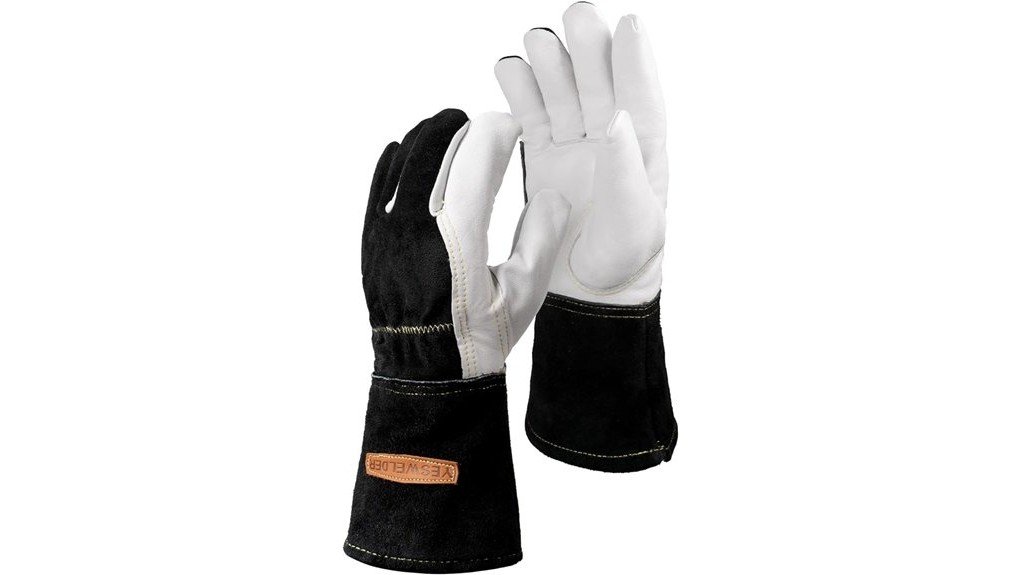
Choosing TIG welding gloves is a balance between protection and feel. You need enough leather coverage to handle heat, sparks, and sharp edges, but bulky gloves can make torch control and filler rod work harder. The YESWELDER Premium Goatskin TIG Welding Gloves are built for welders who want better hand movement, softer leather feel, and reinforced durability in common wear areas. This review helps you decide whether they are the right gloves for precise TIG work, light shop tasks, and general hands-on projects, or whether you should choose heavier gloves for higher-spatter welding.
Quick Verdict
Rating: 8.4/10, Recommended with caveats
Best For: TIG welders, DIY users, and shop workers who want flexible goatskin gloves with reinforced wear points.
Bottom Line: These YESWELDER gloves make the most sense if you want dexterity, comfort, and lighter hand movement for TIG welding and detailed work. The main tradeoff is that TIG-style goatskin gloves are not the best choice for heavy spatter, extended high-heat exposure, or jobs that call for thicker welding gloves.
| Specification | Detail |
|---|---|
| Brand | YESWELDER |
| Product name | Premium Goatskin TIG Welding Gloves |
| ASIN from affiliate URL | B08SLN637F |
| Product type | TIG welding gloves |
| Main material | Premium goatskin leather |
| Stitching | Kevlar stitching, according to the source article |
| Reinforced areas | Fingertips, palms, and other high-wear areas |
| Design details | Seamless index finger and keystone thumb for better control |
| Comfort features | Lightweight, breathable construction, flexible fit |
| Best use | TIG welding, detailed shop work, construction tasks, farming, gardening, and DIY projects |
| Care note | Hand washing and cool, dry storage are recommended to protect the leather and stitching. |
What Is the YESWELDER Premium Goatskin TIG Welding Gloves?
The YESWELDER Premium Goatskin TIG Welding Gloves are leather work gloves made for welding jobs where hand control matters. TIG welding often requires steady torch handling, fine filler rod movement, and a secure grip, so a thinner and more flexible glove can be easier to use than a very bulky welding glove.
The article-supported construction includes goatskin leather, Kevlar stitching, reinforced fingertips, reinforced palms, a seamless index finger, and a keystone thumb. Those details make these gloves more focused on dexterity and everyday durability than on maximum bulk. They are best viewed as TIG-focused gloves, not as a universal answer for every welding process.
Before You Buy: These are TIG-style goatskin gloves built for feel and control. If you do heavy MIG welding, stick welding, grinding, or long high-spatter work, compare them with thicker welding gloves before you decide.
Who Should Buy It?
Best For
- TIG welders who want better finger movement for torch and filler rod control.
- DIY users who need leather hand protection for light welding and shop tasks.
- Buyers who prefer goatskin leather because it feels softer and more flexible than many heavier work gloves.
Skip If
- You need maximum protection for heavy spatter, long high-heat exposure, or harsh stick welding work.
- You want a confirmed temperature rating, certification, or warranty term that is not shown in the product listing.
- You prefer very thick gloves and do not need fine finger control.
Material and Durability Features
The strongest part of this glove is its material choice. Goatskin leather is often used when you need a softer feel, better flexibility, and useful abrasion resistance. For TIG work, that matters because you do not want the glove fighting your hand every time you adjust your grip.
The article also notes Kevlar stitching, which is a useful durability detail for welding gloves. Stitching is one of the first areas to suffer when gloves face repeated bending, heat exposure, and contact with rough metal. Reinforced fingertips and palms add protection in the places that usually see the most contact with tools, workpieces, and filler rods.
The durability benefit is practical, not just cosmetic. If your gloves wear through at the fingertips or palm too quickly, you lose both protection and control. Reinforced wear areas help extend useful life, especially when you use the gloves for welding plus general shop handling.
Comfort and Ergonomic Design
Comfort matters because welding gloves are not helpful if you keep taking them off. These YESWELDER gloves use a breathable and lightweight construction, which can make longer shop sessions feel less tiring. The design is also better suited to controlled hand movement than a stiff, oversized glove.
The seamless index finger is a key detail for TIG welding. A bulky seam on the finger can make it harder to feel the filler rod or hold a steady position. The keystone thumb is also useful because it gives your thumb a more natural bend, which can improve grip and reduce strain during repeated movements.
That said, a flexible glove always involves a tradeoff. A thinner and more dexterous TIG glove may not shield your hands like a thick, heavy welding glove in harsher welding conditions. You should match the glove to the process, heat level, and amount of spatter you expect.
Pro Tip: Try the gloves with your normal TIG torch grip before your first full project. If the fingers feel too long or the palm bunches up, choose a different size before working around heat.
Versatile Applications and Performance
The YESWELDER Goatskin TIG Welding Gloves are not limited to one task. The source article supports use across welding, construction, farming, gardening, and DIY work. That makes them useful if you want one flexible leather glove for several hands-on jobs around the shop or property.
For welding, the main advantage is control. The goatskin leather, seamless index finger, and ergonomic thumb help you move more naturally than you could with bulkier gloves. For non-welding tasks, the reinforced palms and fingertips help with grip, abrasion, and rough material handling.
The limitation is that versatility does not mean every-use safety. For sharp, hot, or high-spatter jobs, check the task risk before using a lightweight TIG glove. Use heavier gloves or task-specific PPE when the work demands more coverage.
How It Performs in Real Use
For TIG Welding
For TIG welding, these gloves are most useful when you need controlled movement. The goatskin leather and seamless index finger help you hold a torch, guide filler rod, and make small hand adjustments without feeling overly restricted.
For Light Shop Work
For general shop tasks, the reinforced palms and fingertips help when you handle metal, tools, or rough materials. They can be a practical option for quick setup, cleanup, and fabrication tasks where you still want better feel than a heavy glove provides.
For Outdoor and DIY Projects
The article-supported use cases include farming, gardening, and DIY projects. In those settings, the gloves can help protect your hands from abrasion and minor cuts while still letting you grip tools, materials, and hardware with control.
For Longer Work Sessions
The breathable and lightweight build helps reduce the heavy, sweaty feel that some welding gloves create. You may still need breaks during hot work, but the comfort-focused design makes these gloves easier to wear for repeated handling and detailed tasks.
Fit Tips Before You Buy
Fit is one of the most important details with TIG gloves. A glove that is too loose can bunch at the palm, reduce feel at the fingertips, and make filler rod control harder. A glove that is too tight can limit movement and wear out faster at stress points.
- Check the seller’s current size chart before ordering.
- Measure your hand instead of guessing from your usual glove size.
- Choose a fit that lets your fingers reach the tips without painful pressure.
- Avoid excess finger length if you need precise TIG control.
- Inspect seams, palms, and fingertips before each welding session.
Material Safety and Comfort
These gloves touch your skin and are used around heat, sparks, and rough materials, so safe use matters. Goatskin leather and reinforced stitching can improve protection, but no glove makes welding risk-free. Always pair gloves with the right helmet, jacket, sleeves, eye protection, and job-specific PPE.
Do not use damaged gloves for welding. Holes, split seams, stiff leather, or burned areas can reduce protection. If the gloves become soaked, heavily contaminated, or hardened from heat and use, let them dry properly and replace them when they no longer move or protect as expected.
For high-spatter welding, overhead welding, cutting, grinding, or work near very hot parts, use gloves made for that level of exposure. TIG gloves are usually chosen for dexterity, while heavier welding gloves are often better for harsher work.
Care, Cleaning, and Storage
The original FAQ recommends hand washing instead of machine washing, which is a safer approach for leather gloves. Machine washing can distort leather, weaken stitching, and shorten useful life. Use gentle cleaning methods and follow the product label or seller instructions when available.
Store the gloves in a cool, dry place away from direct heat. Do not leave them on a hot workpiece, near an open flame, or in a damp toolbox. Good storage helps keep the leather flexible and reduces odor, stiffness, and cracking.
Pros and Cons
Pros
- Goatskin leather gives you a softer, more flexible feel for TIG work.
- Kevlar stitching adds durability in a high-stress part of the glove.
- Reinforced fingertips and palms help protect common wear areas.
- Seamless index finger supports better control during detailed welding tasks.
- Breathable, lightweight construction can reduce hand fatigue during longer use.
Cons
- Not the best fit for heavy spatter or extended high-heat welding.
- Exact size options, warranty terms, and certifications should be checked on the current listing.
- Leather gloves need proper care and storage to stay flexible.
Is It Worth the Price?
The YESWELDER Premium Goatskin TIG Welding Gloves are worth considering if you want a flexible TIG glove with reinforced wear areas and a comfort-focused fit. They make the most sense for buyers who care about torch control, filler rod feel, and lighter hand movement.
They are a strong value for the price if you use them for TIG welding, light fabrication, and general shop work. They are not the best fit if your main need is maximum heat shielding for heavy spatter or harsh welding conditions.
How It Compares to Alternatives
Compared with thicker cowhide MIG or stick welding gloves, these YESWELDER goatskin gloves focus more on dexterity and less on bulk. That makes them easier to use for detailed TIG work, but less ideal for rough, high-spatter jobs.
Compared with general mechanic gloves, they offer welding-focused leather construction and reinforced wear areas. The better choice depends on your task: choose TIG gloves for controlled welding work, heavier welding gloves for harsher heat, and mechanic gloves for non-welding repair tasks.
Frequently Asked Questions
Are the YESWELDER Goatskin TIG Welding Gloves machine washable?
Hand washing is the safer choice for leather welding gloves. Machine washing can change the leather shape, weaken the stitching, and reduce glove life.
What size should you buy?
Use the current seller size chart before ordering. For TIG work, avoid a loose fit because extra fingertip length can make filler rod control harder.
Can you use these gloves for MIG or stick welding?
They are best treated as TIG-focused gloves because they are built for dexterity. For heavy spatter, overhead welding, or long high-heat work, thicker welding gloves may be a safer fit.
Do these gloves have reinforced wear areas?
Yes, the source article describes reinforced fingertips, palms, and high-wear areas. That matters because those spots often wear first during welding, metal handling, and tool use.
Do they come with a warranty?
Warranty terms were not verified during this edit. Check the current Amazon listing or seller policy before buying if warranty coverage is important to you.
How should you store leather welding gloves?
Store them in a cool, dry place after use. Keep them away from direct heat, moisture, and sharp metal edges when they are not being worn.
Who should skip these gloves?
Skip them if you need thick gloves for heavy spatter, harsh stick welding, or long exposure to very hot workpieces. They are better for users who value control and flexibility in TIG and light shop tasks.
The Bottom Line
The YESWELDER Premium Goatskin TIG Welding Gloves are a smart buy for TIG welders and DIY users who want flexible goatskin gloves with reinforced wear areas and better hand control. They are not the best match for heavy spatter or extended high-heat work, but they are a strong choice if dexterity is your main priority.