The wrong abrasive grit can leave deep scratches, overheat a workpiece, clog quickly, or remove more metal than you intended. The right choice depends on the job, the abrasive system, the metal, the tool, and the finish you need. This guide explains practical grit ranges, safe sanding steps, abrasive materials, and ways to prevent common finishing problems.
Quick Answer
Use 36–60 grit for heavy rust, scale, or coating removal; 80–120 for deburring and blending; 150–220 for paint-ready smoothing; and P320 or finer for fine finishing and polishing prep. These are starting ranges, not universal standards. Match the abrasive label, mineral, tool, metal, and required finish.
Key Takeaways
- Lower grit numbers generally cut faster and leave deeper scratches when you compare products within the same grading system.
- P-grades identify FEPA coated abrasives. Do not assume P400 is identical to every product labeled only as 400 grit.
- Choose grit by the task and finish, not metal hardness alone.
- The abrasive mineral, backing, coat pattern, tool speed, pressure, and heat also affect cutting performance.
- Each finer grit should remove the scratch pattern left by the previous grit.
- Use dust extraction, suitable PPE, the correct guard, and an abrasive rated for the tool’s speed.
At a Glance
| Time Required | About 15 minutes for a small touch-up; several hours for heavy rust, large panels, or polished finishes |
| Difficulty | Beginner to intermediate, depending on the tool and finish |
| Tools Needed | Compatible abrasive sheets or discs, sanding block or approved power tool, clamps, vacuum or brush, surface cleaner, eye protection, hearing protection, and suitable respiratory protection |
| Cost | Low to moderate; it depends on the abrasive format, quantity, and whether you already own the required tool and safety equipment |
What’s in This Article
- What Is Abrasive Grit Size and Why Does It Matter?
- How to Choose the Right Grit for Metalworking Tasks
- Understanding Grit Sizes: Coarse vs. Fine
- Common Mistakes When Selecting Grit Size for Metalwork
- How Sandpaper Material Affects Grit Selection
- Effective Sanding Techniques for a Smooth Finish
- Why Does Grit Progression Matter in Metalworking?
- Troubleshooting Metal Sanding Problems
- How to Maintain and Care for Your Sandpaper
- Frequently Asked Questions About Sandpaper Grit
- Conclusion
- Sources
What Is Abrasive Grit Size and Why Does It Matter?
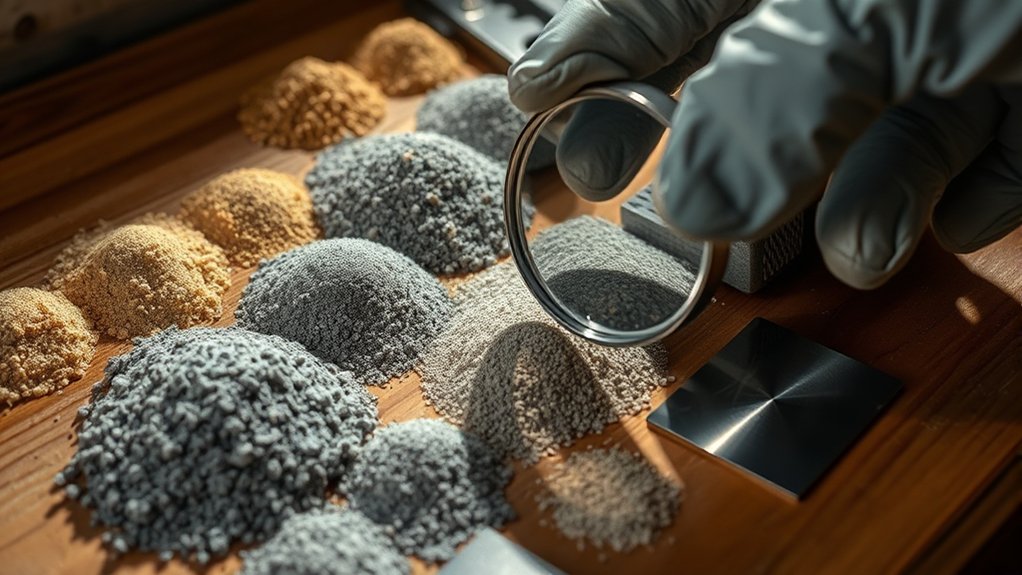
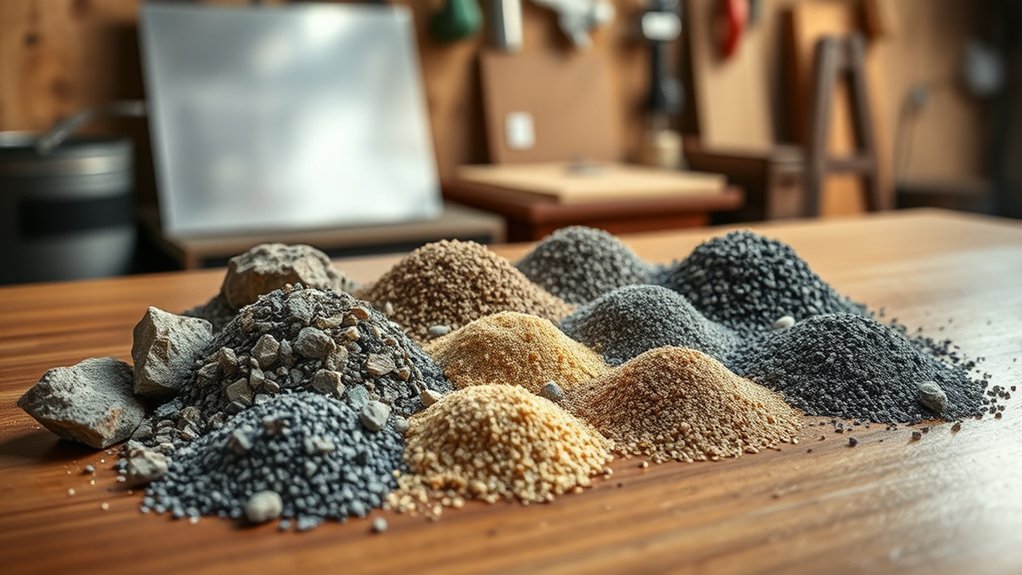
Abrasive grit size describes the graded particles that cut, scratch, or refine a surface. Within the same grading system, a lower number generally means larger particles and a more aggressive cut. A higher number generally means smaller particles and a finer scratch pattern.
The number is only part of the specification. Two products with the same nominal grit can behave differently because of their abrasive mineral, backing, bond, coat pattern, tool speed, pressure, and product shape. A stiff fibre disc, flexible flap disc, paper sheet, and bonded grinding wheel will not produce identical results merely because they carry the same number.
Understand the Grit Grading System
The Federation of European Producers of Abrasives uses different prefixes for different abrasive products:
- P-grades: Coated abrasives, including many sheets, belts, and sanding discs
- F-grades: Bonded abrasive grains used in products such as grinding wheels
- D and B designations: Diamond and cubic boron nitride superabrasives
A product marked P400 is therefore a FEPA coated-abrasive grade. A product marked only “400 grit” may follow another grading system or a manufacturer-specific designation. The products may be close enough for some work, but they are not guaranteed to be identical.
Note: Keep the same grading system through a finishing sequence when possible. When changing brands or systems, check the manufacturer’s grit or particle-size chart instead of matching numbers by assumption.
Grit number predicts particle size, but the complete abrasive product determines how quickly it cuts and what finish it leaves.
How to Choose the Right Grit for Metalworking Tasks
Start by identifying what must be removed and what the surface must look like afterward. Heavy scale and raised weld metal require a different abrasive from a light scuff before coating. Use the least aggressive product that can complete the job at a reasonable rate.
Products Worth Considering

STRONGEST FIBER BACKING THAN OTHER PRODUCTS:4 1/2 grinding wheels made for TOP-LEVEL Hard zirconia.Good material for griding wheel. This Flap Disc is constructed of industrial grade high density premium zirconia material, increased durability than standard flap discs, built for a more robust and economical grinding wheel

Package Include 24 pcs grinding wheels 4 1/2 inch grit 40 60 80 120,6 of each

HIGH-DENSITY JUMBO DESIGN: Type 29 flap discs with a high-density jumbo layout support surface blending, beveling, grinding, deburring, and edge chamfering. Curved profile aids finishing, stock removal, and rust cleanup for pros and DIY enthusiasts
Match the Grit to the Task
The following ranges are practical starting points for common metalworking jobs. They are not universal standards. Always follow the abrasive manufacturer, tool manufacturer, and coating data sheet when they specify a different grade.
| Task | Practical Starting Range | Selection Notes |
|---|---|---|
| Heavy rust, scale, or thick coating removal | 36–60 | Begin at the finer end when preserving edges, dimensions, or thin sheet metal matters. |
| Weld leveling or heavy stock removal | 24–40 on an approved grinding or fibre product | Use only a product designed for the tool and operation. Do not use the side of a cut-off wheel for grinding. |
| Weld blending and medium deburring | 60–80 | A flap disc or coated disc offers more control than a hard grinding wheel. |
| Light deburring and scratch blending | 80–120 | Stop when the previous scratch pattern has disappeared. |
| Bare-metal smoothing before primer or coating | 120–220 | The coating manufacturer’s required surface profile takes priority. |
| Brushed or satin finish | 120–240 | Make the final passes in one direction with even pressure. |
| Fine finish or polishing preparation | P320–P1000 or finer | Use progressively finer grades until the remaining scratch pattern can be removed by the chosen compound or final process. |
The Norton abrasive selection guide also separates heavy grinding, weld blending, light deburring, surface preparation, and polishing into different abrasive forms and grit ranges. This is why one simple chart cannot replace the instructions for a specific product.
Match the Abrasive to the Metal
Metal hardness matters, but it is not the only factor. Softer metals may show deep scratches, yet they can also load the abrasive quickly. Harder alloys may require a sharper or tougher abrasive even when the starting grit number is similar.
| Material | Useful Starting Approach | Important Caution |
|---|---|---|
| Carbon or mild steel | Aluminum oxide for general work; zirconia or ceramic products for demanding stock removal | Avoid removing excess material from edges, threads, and thin sections. |
| Stainless steel | Use an abrasive specifically approved for stainless and keep it dedicated to stainless work | Contamination from carbon-steel tools or abrasives can damage the finished surface. Limit heat and discoloration. |
| Aluminum | Use a load-resistant or open-coat abrasive approved for aluminum and apply light, controlled pressure | Abrasive loading and heat can quickly reduce cutting performance. Do not assume finer grit alone will solve loading. |
| Brass and copper | Begin conservatively and test the scratch pattern in a hidden area | These visible surfaces can show scratches and directional inconsistencies clearly. |
| Hardened or tool steel | Use a sharp, durable abrasive designed for hard alloys | Excess heat can affect surface condition and dimensional accuracy. |
| Painted or unknown metal | Identify the coating before disturbing it and use suitable containment and extraction | Older or industrial coatings may contain hazardous substances. Do not dry sand an unknown coating without assessing the risk. |
Warning: Sanding old or unknown paint can create hazardous dust. The EPA warns that disturbing lead-based paint can create dangerous lead dust. Identify the coating, isolate the work area, and use the required lead-safe or industrial-hygiene procedures before sanding.
Understanding Grit Sizes: Coarse vs. Fine
Coarse and fine grits serve different purposes. Coarse abrasives remove material quickly but leave a deeper scratch pattern. Fine abrasives cut more slowly and leave smaller scratches, but they cannot efficiently erase deep damage left by a much coarser product.
| Practical Group | Common Coated-Abrasive Range | Typical Purpose |
|---|---|---|
| Very coarse | 24–36 | Heavy stock removal, weld leveling, and severe surface damage |
| Coarse | 40–60 | Rust, scale, paint removal, and initial blending |
| Medium | 80–120 | Deburring, blending, scratch reduction, and general preparation |
| Fine | 150–220 | Final bare-metal refinement before many coating systems |
| Very fine | P320 and above | Fine finishing, sanding compatible coatings, and polishing preparation |
These groups are workshop descriptions, not official universal boundaries. A bonded grinding wheel, nonwoven finishing product, coated belt, and wet-or-dry sheet may use different grade conventions and produce different results.
Products Worth Considering

SIZE: 32 PCS assortment includes 4 each of 80/120/180/240/400/600/1000/3000 Grits,meeting your different needs and help you save more time

Wide Compatibility: Knife sharpener sanding belts are designed to fit 1 x 18 inch Ken Onion Blade Grinder Attachment, providing proper size matching for stable belt tracking and consistent sharpening performance

MATERIAL COMBINATION: Sanding belts include aluminum oxide and silicon carbide materials. Alumina belts work for wood, paint and soft metals, while silicone belts handle hard metals, plastic and fiberglass
Common Mistakes When Selecting Grit Size for Metalwork
Most grit-selection problems come from starting too aggressively, expecting a fine abrasive to remove deep scratches, or ignoring the complete abrasive specification.
Ignoring Material Compatibility
Do not choose grit from hardness alone. Consider whether the metal loads the abrasive, whether scratches will remain visible, how much heat the part can tolerate, and whether the abrasive is approved for that alloy.
- For aluminum: Look for load-resistant construction and avoid excessive pressure.
- For stainless steel: Use a dedicated, compatible abrasive to reduce contamination.
- For thin sheet: Start conservatively to avoid thinning, distortion, or edge damage.
- For hard alloys: Use an abrasive designed to stay sharp under the expected pressure.
Skipping Grit Progression
Jumping from 40 grit directly to P220 may leave deep scratches beneath a smoother-looking surface. The fine abrasive can polish the high spots without reaching the bottom of the earlier scratch pattern.
Use intermediate grades that remove the previous pattern efficiently. A reasonable sequence might be 60, 80, 120, 180, and P240 or P320. The exact sequence depends on the abrasive system and final finish.
Assuming P400 and 400 Grit Are Identical
P400 identifies a FEPA coated-abrasive grade. A sheet labeled only 400 may use a different standard. Switching systems by matching the printed number can create an unexpected jump in scratch size.
Using the Wrong Abrasive or Tool Speed
An abrasive must fit the tool, spindle, backing pad, guard, and intended operation. Its maximum rated speed must meet or exceed the tool’s no-load speed. Never install an oversized disc, remove a required guard, force an abrasive onto a spindle, or use a cut-off wheel for side grinding.
Pro Tip: Mark the surface lightly with a permanent marker before changing grits. Sand until the marks and the previous scratch pattern disappear evenly, then stop and move to the next grade.
How Sandpaper Material Affects Grit Selection
The abrasive mineral affects cutting speed, heat, durability, finish quality, and the pressure needed to keep the product cutting. The backing and coat pattern also matter.
| Abrasive Mineral | Common Strength | Selection Consideration |
|---|---|---|
| Aluminum oxide | Durable and versatile for general metal sanding | A common starting choice for carbon steel and maintenance work |
| Silicon carbide | Sharp, friable cutting action that can leave a fine finish | Often used for fine finishing, wet-or-dry products, and selected nonferrous or hard-surface applications; verify product suitability |
| Zirconia alumina | Tough grain with good life during demanding removal | Works best when the operation supplies enough pressure to keep the grain cutting |
| Ceramic abrasive | High cutting performance on demanding alloys and production work | Choose the grade and pressure range recommended for the specific ceramic product |
Backing and Coat Pattern
- Paper backing: Flexible and useful for hand sanding and lighter machine work, but easier to tear.
- Cloth backing: Stronger and more flexible for belts, contours, and demanding metalwork.
- Fibre backing: Stiff and durable for high-speed resin fibre discs and stock removal.
- Open coat: More space between abrasive particles can reduce loading on materials such as aluminum and soft coatings.
- Closed coat: More abrasive coverage can provide an aggressive, consistent cut where loading is controlled.
Note: Nonwoven abrasive products often use labels such as coarse, medium, very fine, or ultra fine. Those grades are not direct substitutes for coated-abrasive grit numbers.
Effective Sanding Techniques for a Smooth Finish
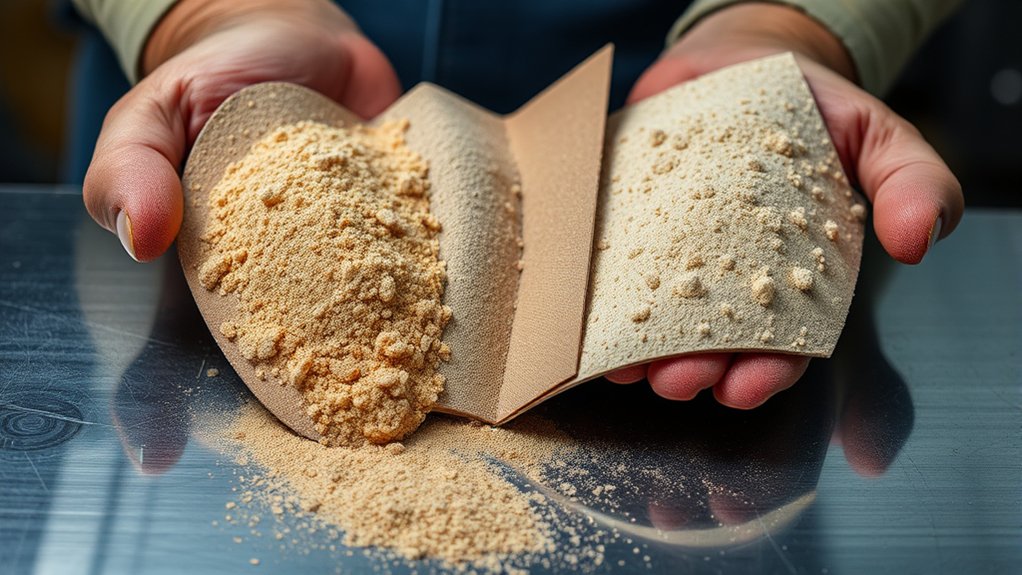
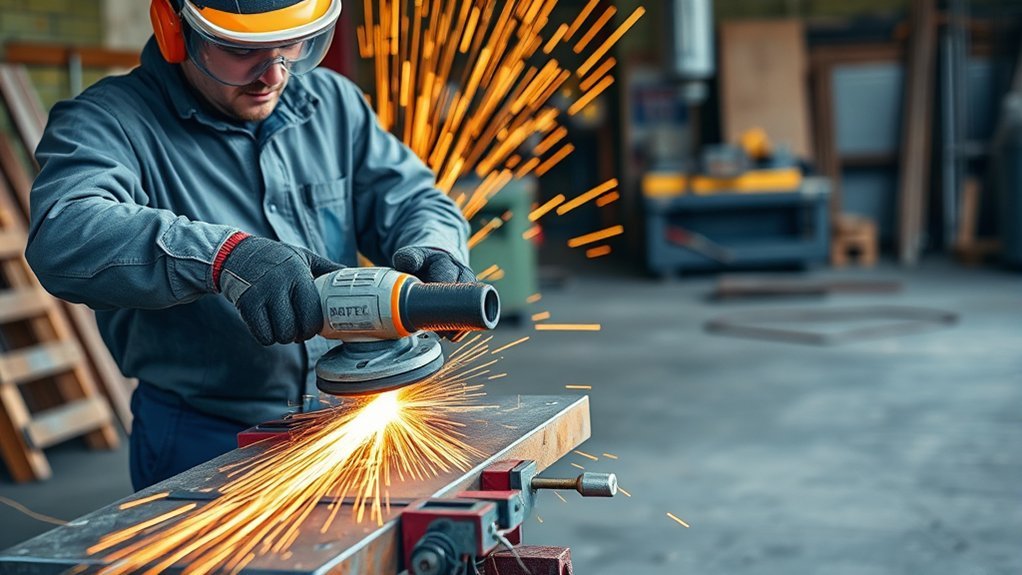
Good technique protects the shape of the workpiece and helps each abrasive last longer. Use the following process for hand sanding, orbital sanding, belt sanding, or compatible abrasive-disc work.
Step-by-Step Metal Sanding Process
- Identify the metal and coating. Determine whether the surface is bare metal, plated, painted, galvanized, stainless, aluminum, or covered with an unknown finish. Assess coating and dust hazards before disturbing the surface.
- Define the required finish. Decide whether you need rough cleanup, paint adhesion, a brushed pattern, a smooth cosmetic finish, or polishing preparation.
- Secure the workpiece. Clamp small parts so they cannot spin, shift, or catch the abrasive. Keep the work area stable and well lit.
- Inspect the tool and abrasive. Confirm the size, mounting system, backing pad, guard, maximum RPM, condition, and application. Do not use damaged, wet, cracked, curled, or contaminated products.
- Start with the least aggressive practical grit. Test a small area. Move coarser only if the abrasive cannot remove the defect at a reasonable rate.
- Use moderate, even pressure. Let the abrasive cut. Excess force causes heat, loading, rapid wear, gouging, and uneven scratches.
- Keep the tool moving. Overlap passes and avoid holding a power sander or disc in one spot. Protect edges and raised details from excessive removal.
- Create a uniform scratch pattern. Sand in a consistent direction when producing a brushed finish. With each grit change, alter the sanding direction slightly when practical so remaining scratches are easier to see.
- Clean and inspect between grits. Vacuum or brush away loose particles. Make sure the previous scratch pattern is gone before moving finer.
- Finish and clean the surface. Remove dust, oil, and residue with a cleaner compatible with the metal and the next coating or finishing process.
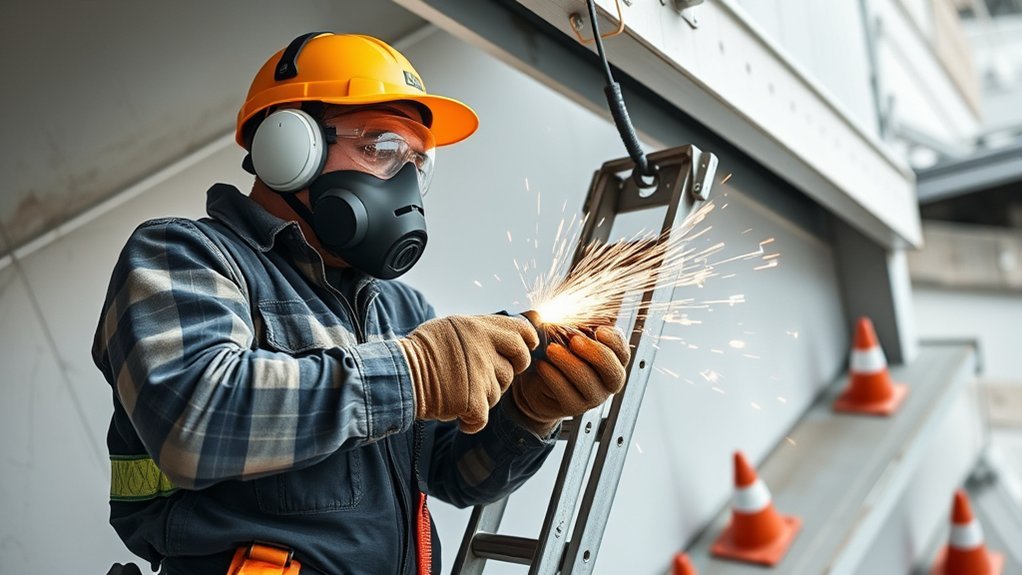
Warning: Wear impact-rated eye protection and use a face shield when the operation can throw particles. Use local dust extraction and choose respiratory protection for the actual metal, coating, and exposure. Wear hearing protection when required. Keep loose clothing, hair, jewelry, and unsuitable gloves away from rotating tools. Never remove a required guard. OSHA requires applicable guards on portable abrasive-wheel tools; see 29 CFR 1910.243.
Control Heat and Pressure
Heat can discolor stainless steel, warp thin sheet, soften coatings, load the abrasive, and alter the surface. Reduce pressure, keep the abrasive moving, use a product intended for the metal, and allow the workpiece to cool when necessary.
Do not cool a hot part in liquid unless the material and process allow it. Sudden cooling can distort some parts or affect material properties.
Wet Sanding Metal
Wet sanding can control fine dust and improve the finish during suitable fine-grit work. Use only an abrasive labeled for wet use. Hand sand unless the power tool is specifically designed and rated for wet operation. Keep ordinary electrical sanders, damaged cords, batteries, chargers, and ignition sources away from water and slurry.
Why Does Grit Progression Matter in Metalworking?
Each finer grit should remove the scratches left by the grit before it. Progression saves time because a moderately finer abrasive can reach the bottom of the previous scratches more efficiently than an extremely fine abrasive.
Useful example sequences include:
- Heavy cleanup to paint preparation: 40 → 60 → 80 → 120 → 180
- Moderate scratch removal: 80 → 120 → 180 → P240 or P320
- Fine cosmetic finishing: P320 → P400 → P600 → P800 or finer
These are examples, not mandatory formulas. You may omit a step when the next abrasive removes the previous pattern efficiently, or add an intermediate grade when scratches remain.
Move to the next grit only after the surface has one even scratch pattern and the deeper marks from the previous stage are gone.
Troubleshooting Metal Sanding Problems
| Problem | Likely Cause | Fix |
|---|---|---|
| Deep scratches remain after fine sanding | The grit sequence jumped too far or the workpiece was not cleaned | Return to the finest grit that can remove the deep marks, clean the surface, and rebuild the progression. |
| Circular swirls or random scratches | Loose debris, a contaminated disc, excessive pressure, or uneven sander movement | Replace or clean the abrasive, vacuum the surface, reduce pressure, and overlap passes consistently. |
| Abrasive stops cutting and looks packed | Loading from soft metal, coating, oil, or excess heat | Use a load-resistant or open-coat product, clean the workpiece, reduce heat, and replace the abrasive when necessary. |
| Blue, brown, or dark heat marks | Too much pressure, slow movement, worn abrasive, or an unsuitable product | Reduce pressure, increase movement, use a fresh compatible abrasive, and pause for cooling. |
| Uneven brushed finish | Changing direction, pressure, speed, or overlap during the final pass | Use the same abrasive and make full-length passes in one direction with consistent overlap. |
| Little material is removed | Grit is too fine, abrasive is worn or glazed, or the mineral is unsuitable | Use a fresh abrasive, move one grade coarser, or select a product designed for the alloy and pressure. |
| Paint or coating does not adhere well | Surface is too smooth, contaminated, dusty, or outside the coating specification | Follow the coating data sheet for required profile, cleaning method, and maximum time before coating. |
How to Maintain and Care for Your Sandpaper
Check abrasive sheets, belts, and discs before and during use. Replace them when the grain is dull, the backing is torn, the disc is curled, the belt is damaged, or the surface is too loaded to cut evenly.
- Store abrasives flat or in their original packaging in a clean, dry area.
- Keep them away from oil, water, welding spatter, and loose coarse particles.
- Do not fold a disc or use a torn sheet on a power tool.
- Keep stainless-steel abrasives separate from products used on carbon steel.
- Use a vacuum or soft brush to remove loose debris from reusable abrasive surfaces.
- Do not increase pressure to compensate for a worn abrasive. Replace it.
Warning: Avoid blowing metal dust into the air. When compressed air is used for workplace cleaning, OSHA 29 CFR 1910.242(b) requires the pressure at the nozzle to be reduced to less than 30 psi and requires effective chip guarding and personal protective equipment. Vacuuming or brushing is usually the better first choice.
Frequently Asked Questions About Sandpaper Grit
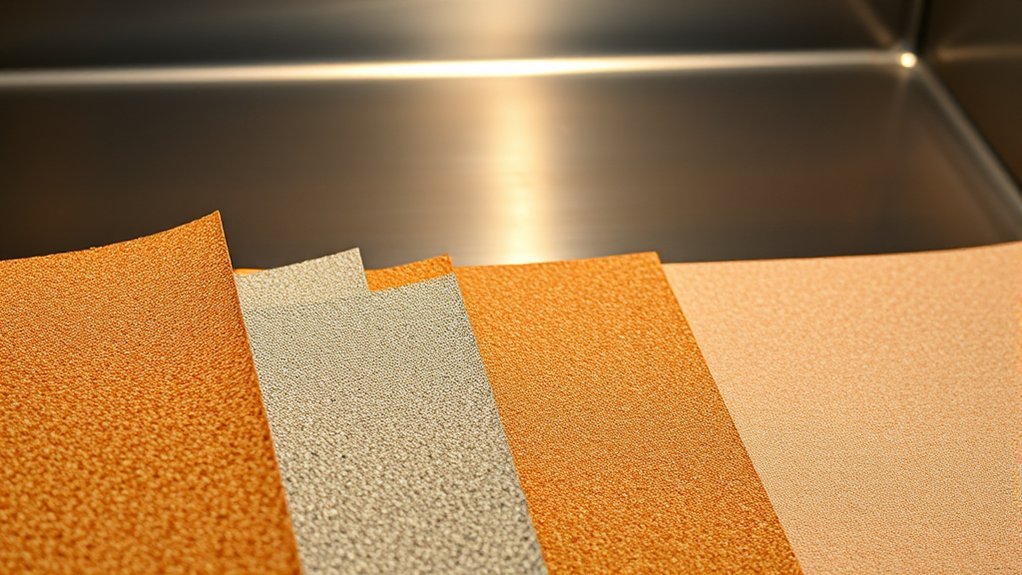
These answers provide practical starting points. The abrasive, tool, metal, coating, and required finish may call for a different grade.
What grit size should you start with?
Start with the least aggressive grit that removes the defect at a reasonable rate. Try 80–120 for light smoothing, 60–80 for moderate rust or blending, and 36–60 for heavy rust or coating removal. Test a small area before sanding the full part.
When should you switch to medium grit?
Switch after the coarse abrasive removes the rust, coating, weld height, or damage you intended to remove. The surface should have a consistent coarse scratch pattern before you move to a medium grit such as 80 or 120.
How do you achieve a smoother metal finish?
Use a controlled grit progression, clean the surface between grades, and continue each stage until the previous scratch pattern is gone. Use light, even pressure during the final passes and finish in one direction when creating a brushed surface.
Is 80 or 120 grit rougher?
80 grit is rougher than 120 grit when both products use the same grading system. It cuts faster and leaves deeper scratches. Use 120 grit when you need a finer blend or are preparing to move to a finer finishing grade.
How do you determine what grit to use?
Consider the defect, metal, abrasive form, tool, and final finish. Use coarse grit for heavy removal, medium grit for blending, and fine grit for refinement. The paint, coating, or polishing specification should determine the final surface grade.
Is P400 the same as 400 grit?
Not necessarily. P400 is a FEPA grade for coated abrasives. A product labeled only 400 grit may use another grading system. The grades can be similar in some products, but they are not guaranteed to have the same particle distribution or finish.
Which is finer, 2000 or 3000 grit?
3000 grit is finer than 2000 grit when both products belong to the same grading and product system. These very fine grades are used after the surface is already smooth for refined wet sanding or polishing preparation.
What grit removes rust from metal?
Use about 36–60 grit for heavy rust and 80–120 for light surface rust or final blending. Begin with the finer option when working on thin metal, visible surfaces, sharp edges, or parts with critical dimensions.
What grit should you use before painting metal?
Many jobs finish bare-metal preparation between about 120 and 220 grit, but there is no universal paint-prep grade. Follow the primer or coating manufacturer’s technical data sheet because some systems require a coarser surface profile and others require finer preparation.
Can you use the same abrasive on stainless steel and carbon steel?
Avoid using the same abrasive on both when the stainless finish or corrosion resistance matters. Iron particles transferred from carbon steel can contaminate stainless surfaces. Use dedicated abrasives and tools that are approved for stainless steel.
Can you wet sand metal?
Yes, when the abrasive is labeled for wet use and the metal or coating is suitable. Hand sanding is the safest general approach. Use a power tool around water only when the tool manufacturer specifically approves wet operation.
Conclusion
The best abrasive grit is the least aggressive grade that removes the defect efficiently while preserving the shape and finish of the metal. Use coarse abrasives for heavy removal, medium grades for blending, and fine grades for surface refinement, but treat every grit range as a starting point rather than a universal rule.
Check the grading system, abrasive mineral, backing, tool speed, guard, metal, and coating requirements before you begin. Clean and inspect the workpiece between stages, and let each grit remove the pattern left by the previous one. A controlled progression produces a cleaner finish with less rework, heat, and unnecessary metal removal.
Sources
- FEPA Abrasive Standards — grit prefixes and grading systems for coated, bonded, and superabrasive products
- Norton Abrasives: Choosing the Right Abrasive Product for Welding and Metal Fabrication — abrasive forms, minerals, and application-based grit recommendations
- OSHA 29 CFR 1910.243 — guarding requirements for portable powered tools and abrasive wheels
- OSHA 29 CFR 1910.242 — compressed-air cleaning requirements
- OSHA 29 CFR 1910.134 — ventilation priorities and hazard-based respiratory protection
- EPA Lead-Safe Renovations for DIYers — precautions when sanding or disturbing possible lead-based paint