Why Do Angle Grinder Cutoff Wheels Shatter?
Angle grinder cutoff wheels can break fast when small safety steps get skipped. Most failures come from exceeding RPM limits, using the wrong wheel, mounting it poorly, or cutting with too much side pressure. You can reduce the risk by checking the wheel, matching the wheel to the grinder, using the guard, and wearing proper personal protective equipment before each cut.
Quick Answer
Angle grinder cutoff wheels usually shatter when the wheel spins faster than its rated speed, gets mounted incorrectly, or meets side pressure during cutting. Cracks, chips, moisture damage, poor storage, and low-quality abrasive wheels also raise the risk. Check the wheel before use, keep the guard on, secure the workpiece, and let the wheel cut without forcing it.
Key Takeaways
- Match every cutoff wheel to your grinder’s revolutions per minute (RPM) rating before use.
- Inspect each wheel for cracks, chips, warping, glazing, or moisture damage before cutting.
- Use the correct guard, flanges, and mounting direction to reduce uneven pressure.
- Cut straight and avoid side loading because cutoff wheels handle edge cutting, not grinding.
- Wear eye, face, hearing, hand, foot, and respiratory protection when the job creates dust or sparks.
Why Do Angle Grinder Cutoff Wheels Shatter?
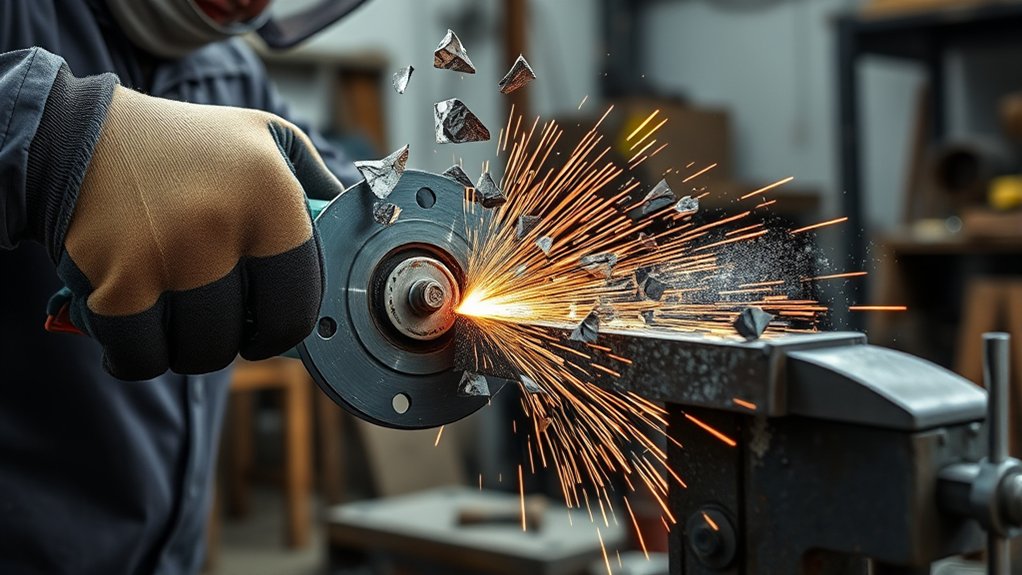
Angle grinder cutoff wheels shatter mainly when you exceed their stated RPM limits. That extra speed places heavy stress on the wheel material and can make a weak or damaged wheel fail.
Poor-quality abrasives can also raise the risk. Some cheap wheels may use weak bonding agents or inconsistent abrasive material, so they may not hold up well under load.
You also increase injury risk when you skip inspection. Look for signs of wear, cracks, chips, warping, or missing edge material before you start.
Proper mounting matters too. Incorrect flanges, loose hardware, or uneven pressure can make the wheel wobble and break during the cut. Replace worn-out wheels promptly, and use the right safety measures before you power on the tool.
Warning: Never use a cutoff wheel for side grinding because side pressure can make the wheel crack or shatter.
How to Inspect and Maintain Your Cutting Wheels for Safety
To keep your cutting wheels safe and effective, inspect them before every job. Check each wheel for visible cracks, chips, edge damage, warping, or heavy wear. These flaws can lead to shattering during operation.
Check the RPM rating on the wheel and compare it with your grinder’s speed. The wheel rating must meet or exceed the grinder’s maximum speed.
Store cutting wheels away from moisture, direct heat, and extreme temperature changes. Poor storage can weaken the bond and make the wheel less stable.
Mount each wheel correctly with the right flanges and the correct wheel direction. If the wheel has a stamped metal ring or mounting label, follow the manufacturer’s instructions for that wheel.
Replace the wheel if you see glazing or loading. These conditions can create heat and poor cutting performance, which raises the risk of failure.
Best Practices for Safe Operation of Angle Grinders
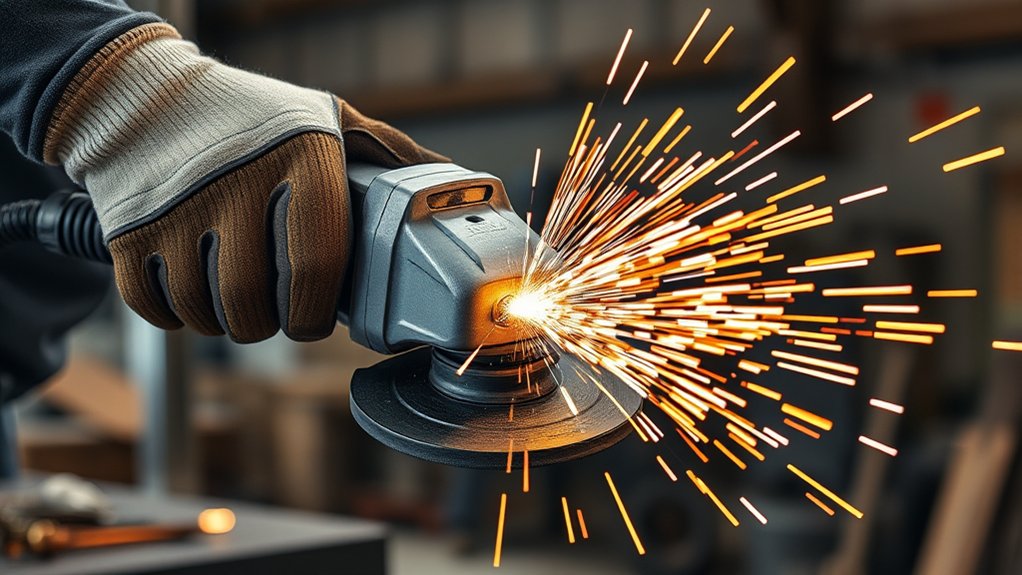
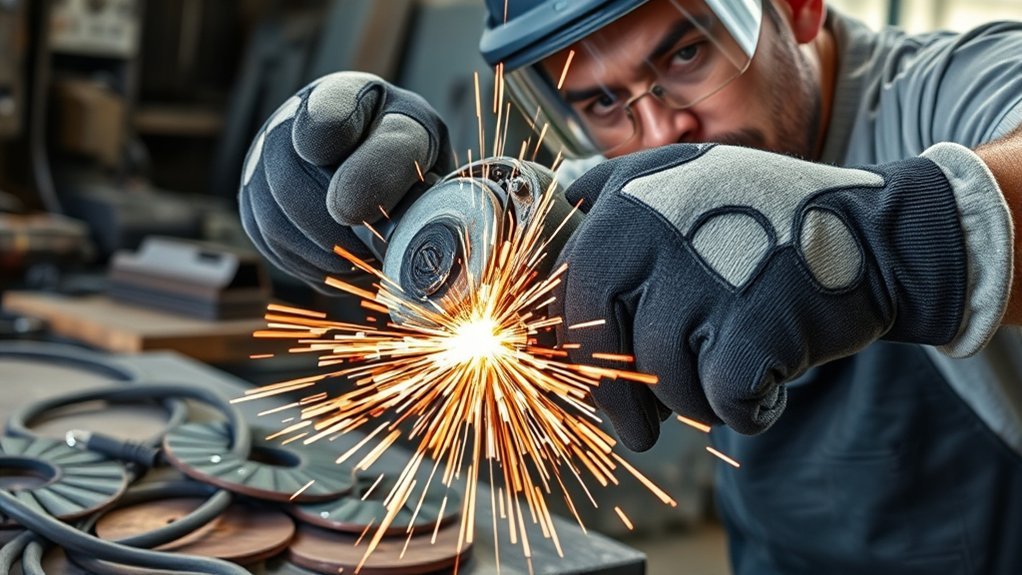
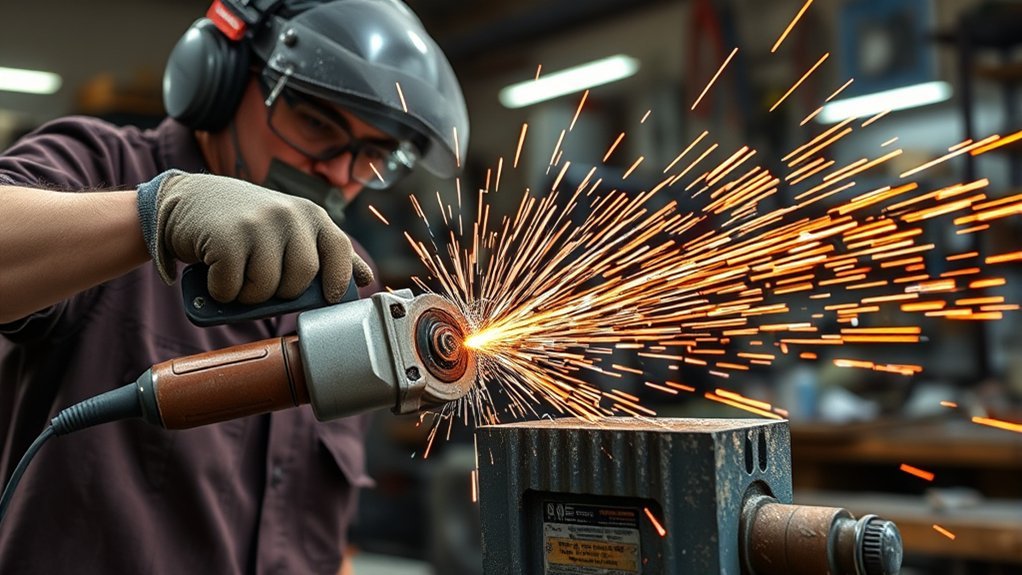
Safe angle grinder use starts before the wheel touches metal. Wear proper personal protective equipment (PPE), including safety glasses, a face shield, hearing protection, gloves, and sturdy work clothing.
Keep the safety guard installed and positioned between you and the wheel. The guard helps block fragments, sparks, and debris if something goes wrong.
Check cutting wheels for wear, cracks, and damage before use. Choose high-quality wheels that match the grinder’s RPM rating and the material you plan to cut.
Secure the workpiece before cutting. A loose workpiece can move, pinch the wheel, and cause kickback. Keep your workspace clean so cords, scrap, and flammable items stay out of the cutting path.
Pro tip: Let the wheel reach full speed before cutting, then guide it with steady pressure instead of forcing it.
Products Worth Considering

Included: (1) DeWalt N441218 Angle Grinder Guard Replacement for Angle Grinder DCG414B

▶【Package Contents】: You will receive 2 pcs angle grinder protective cover, 2 pcs screws and 2 pcs nuts. Sophisticated accessories, to help you better protect your hands and prevent dust from flying.
Preventing Common Angle Grinder Accidents
To prevent common angle grinder accidents, start by selecting the right cutting wheel for your task. Use the correct safety gear, control the tool with both hands, and keep your body out of the wheel’s line of fire.
Products Worth Considering

【Value Sets】The grinder nut set includes 1 angle grinder wrench and 6 angle grinder nuts (3 inner flange nuts, 3 outer flange nuts). Please check size and compatibility before ordering. Please contact us with any questions or concerns. We prioritize your satisfaction .
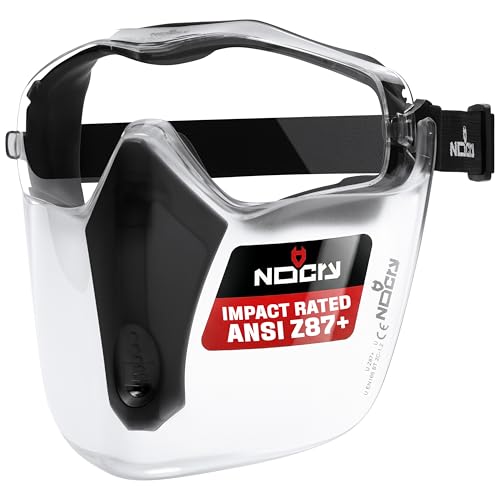
COMPLETE PROTECTION — Pairing anti-fog and scratch-resistant goggles with a tough polycarbonate torch face shield, this unbeatable duo has you covered from splashes, dust, and debris. And they are built to resist high-speed impacts, even in extreme temperatures.

【Widely Used】:This Airway Flange Kit is ideal for arbor hole is 5/8" airway buffing wheel, and suitable for grinder arbor with a 5/8" diameter center hole,Applicable machine types:Buffer polisher
Proper Wheel Selection
Selecting the right cutting wheel helps you cut safely and smoothly. The right wheel depends on your grinder, material, speed rating, and cut type.
- Choose high-quality cutting wheels designed for your angle grinder’s RPM range.
- Verify that the wheel specifications match the material you’re cutting.
- Avoid low-cost wheels with weak bonding agents or unclear ratings.
- Inspect each wheel for visible damage or wear before use.
- Mount the wheel with the correct flanges and follow the wheel maker’s instructions.
Safety Gear Usage
Wear the right safety gear each time you use an angle grinder. Use safety glasses and a face shield to protect your eyes and face from sparks and flying debris.
Use ear protection because grinders can produce high noise levels. Choose gloves that fit well and give you a firm grip without loose material near the spinning wheel.
Wear flame-resistant clothing when sparks may hit your clothes. Use safety boots with toe protection, and wear a dust mask or respirator when cutting creates dust.
What to Do if an Angle Grinder Cutoff Wheel Shatters
Angle grinder cutoff wheel shattering can cause serious injury. If a wheel breaks, release the trigger, keep the tool pointed away from you, and wait until all parts stop moving.
Do not restart the grinder with the damaged wheel still installed. Unplug the tool or remove the battery before you inspect the grinder, guard, flanges, and work area.
Before your next cut, check these safety points:
- Follow the maximum speed listed by the wheel manufacturer.
- Use high-quality abrasive wheels from reputable brands.
- Inspect the wheel for cracks and damage before use.
- Mount the wheel correctly with the right flanges and hardware.
- Secure your workpiece to reduce movement, pinching, and kickback.
Personal protective equipment (PPE) helps protect you, but safe setup matters just as much. Good habits lower the chance of wheel failure and help you cut with more control.
Resources for Learning About Abrasive Safety and Equipment
You can improve your safety by studying trusted abrasive safety guides and training materials. Look for information from wheel manufacturers, workplace safety groups, and industrial safety specialists.
Training helps you understand wheel ratings, mounting rules, inspection steps, and correct cutting methods. It also helps you spot risky habits before they cause an accident.
Recommended Safety Guides
Understanding safety protocols for cutoff wheels helps you use an angle grinder with more control. Use these resources and habits to build safer routines:
- Review the United Abrasives Technical Info & Safety Guide for wheel safety basics.
- Consult industrial safety specialists when you need help selecting the right wheel.
- Complete training on safe handling, mounting, and abrasive wheel inspection.
- Use wheel selection guides for different materials, such as aluminum and stainless steel.
- Study personal protective equipment (PPE) guidance for sparks, dust, and projectiles.
Online Training Resources
Online training resources can help you learn abrasive safety at your own pace. Good courses cover wheel selection, RPM limits, inspection, mounting, and common mistakes.
Video tutorials can show how to mount grinding and cutting wheels correctly. Downloadable safety guides can also help you build a simple checklist for each job.
Online forums may help you learn from other users, but treat forum advice with care. Always compare user advice with the wheel maker’s instructions and workplace safety rules.
Industry Best Practices
Strong habits make angle grinder work safer and more consistent. Use these best practices each time you handle abrasive wheels:
- Use high-quality abrasive wheels from reputable manufacturers.
- Read safety guides before using a new wheel type.
- Attend training if you use grinders at work or on high-risk projects.
- Inspect abrasive wheels for cracks, chips, and wear before use.
- Keep your workspace clean and free from flammable materials.
Common Mistakes That Make Cutoff Wheels Break
Many cutoff wheel failures start with avoidable mistakes. Too much pressure, a twisted cut, and poor wheel choice can all stress the wheel.
- Forcing the wheel through the material instead of letting it cut.
- Twisting the grinder while the wheel sits inside the cut.
- Using a wheel rated below the grinder’s RPM.
- Using a cutoff wheel for grinding or shaping.
- Cutting unsupported material that can pinch the wheel.
Slow down when the cut starts to bind. Stop the tool, support the material better, and restart only when the wheel can cut straight.
Frequently Asked Questions
What Is the Main Cause of Wheel Breakage When Using an Abrasive Wheel?
Wheel breakage often comes from poor technique, too much pressure, wrong wheel choice, or excessive speed. Poor storage and damaged wheels can also raise the risk, especially when you skip inspection.
What Could Cause an Abrasive Cutting Wheel to Fail?
An abrasive cutting wheel can fail because of poor wheel quality, wrong speed rating, improper storage, misalignment, or side pressure. A wheel can also fail if the workpiece pinches the wheel during the cut.
What Type of Guard Should Be Used for Cut-Off Wheels?
Use a guard designed for cut-off wheels and your specific grinder size. Keep the guard installed, adjusted, and placed between your body and the wheel path.
What Is the Cause for Faulty Wheel Dressing?
Faulty wheel dressing can come from poor alignment, too much pressure, incorrect speed, or poor operator technique. A balanced wheel and correct dressing method help reduce vibration and wheel damage.
Can You Use a Cutoff Wheel for Grinding?
No, you should not use a cutoff wheel for grinding. Cutoff wheels are thin and made for edge cutting, so side pressure can crack or shatter them.
Safety Disclaimer: This article is for informational purposes only and does not replace professional safety training. Always follow the angle grinder manual, wheel manufacturer instructions, and workplace safety rules before using abrasive cutting wheels.
Conclusion
A shattering cutoff wheel can cause serious harm, but good habits lower the risk. Match the wheel to the grinder, inspect it before use, mount it correctly, and avoid side pressure during cutting.
Before your next cut, take a minute to check your wheel, guard, workpiece, and safety gear. A careful setup helps you cut cleaner, work with more control, and finish the job with confidence.