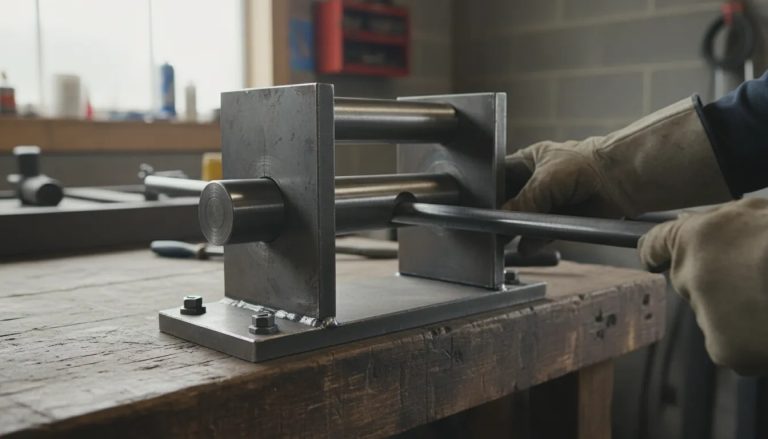
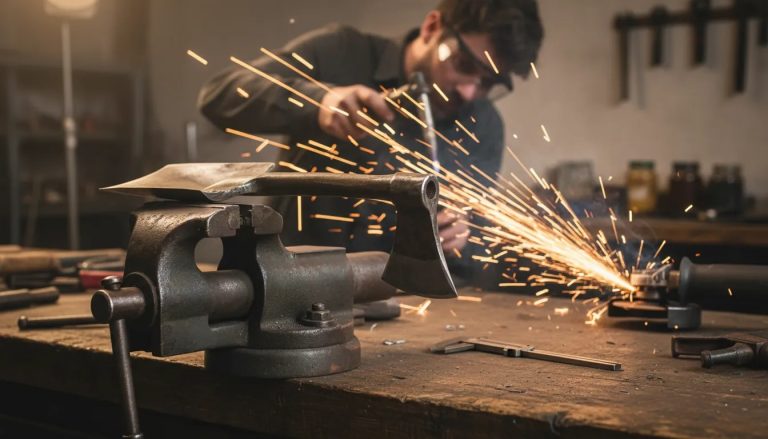
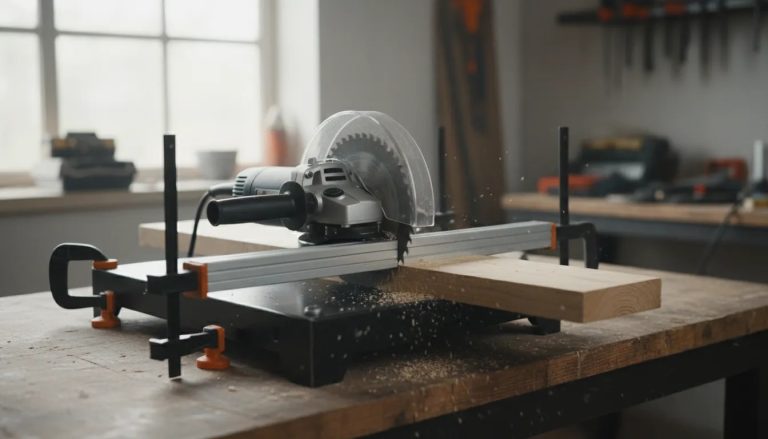
An angle grinder is one of the most versatile power tools in a DIY shop, but it is also easy to outgrow when you need different workshop functions. A practical solution is a DIY angle grinder adapter that changes how the grinder mounts, what accessories you can use, and how reliably you can handle it for repeated tasks like cutting, polishing, wire brushing, or sanding.
This guide explains what an adapter is, how to design one for real workshop use, and how to build or select parts safely. It also covers common mistakes, so your setup stays stable and predictable.
🔧 What an angle grinder DIY adapter actually does
An adapter is a custom-made (or custom-selected) interface that connects your grinder to a specific accessory or mounting system. Depending on the build, it can:
- Change the spindle interface to match a tool or attachment.
- Allow new accessory types (for example, wheels, sanding drums, polishing setups, or dedicated shop fixtures).
- Improve alignment and stability to reduce wobble and uneven wear.
- Enable tool control by creating a more rigid hold, guide, or fixture that reduces “hand-only” variation.
In short, the adapter turns a general-purpose grinder into a more specialized workshop tool.
👷 Who should use a grinder adapter (and who shouldn’t)
Adapter projects are a great fit if you:
- Own an angle grinder and want more repeatability in metalworking and fabrication.
- Need a specific mounting arrangement not sold in your local market.
- Have basic metalworking skills, like measuring, fitting, and welding or mechanically fastening components.
You should avoid DIY adapters if you cannot reliably:
- Maintain concentric alignment (no runout).
- Guarantee secure fastening under vibration.
- Validate compatibility with your grinder’s spindle size and thread pattern.
🧩 Key design choices before you build
Most failures come from mismatched standards, sloppy fit, or parts that flex under load. Before designing your adapter, decide these items:
Spindle interface: threads, shaft size, and locking method
Your grinder’s output shaft may be threaded, keyed, or use a specific locking arrangement. Confirm:
- Thread size and pitch (metric and direction).
- Spindle diameter and how accessories lock.
- Whether your adapter uses threads, clamping, or a keyed hub.
Accessory type and required RPM rating
Cutting wheels, flap discs, wire brushes, and sanding attachments all have different safety requirements. Match the accessory rating to the grinder’s speed. As a rule, you must not exceed an attachment’s maximum safe RPM.
Alignment and stiffness
A good adapter keeps the accessory axis straight. Aim for:
- Minimal runout (the wheel should not “wobble” when spun).
- Rigid support to prevent side loading and chatter.
- Materials and thickness that do not flex under operating forces.
How you will connect components mechanically
You can build adapters using different approaches, including welding hubs, bolting plates, and using standardized couplers. Choose the method that gives the most stable, serviceable connection for your use case.
🛠️ Parts and materials to consider
Exact parts depend on the accessory you want to mount, but the following components show up in many successful adapter builds:
- Center hub that mates to the grinder spindle interface.
- Outer plate or bracket that connects to the accessory mount or fixture.
- Reinforcement ribs or thickened sections to reduce bending.
- Fasteners (grade-rated bolts, lock washers, threadlocker only if appropriate for vibration).
- Bearings or spacers if the design requires rotating alignment.
- Protective covers where required by the accessory type.
If the project involves welding, plan for heat management and distortion control. After welding, you will likely need to check fit and alignment again before use.
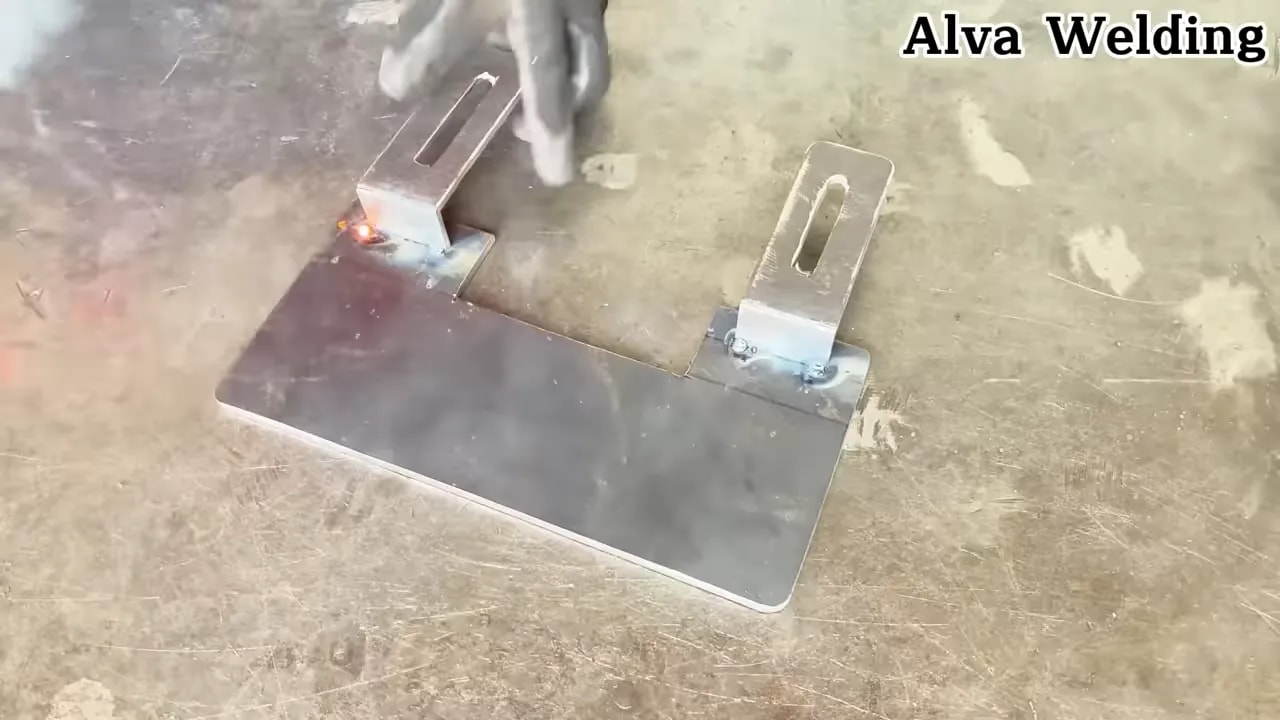
✅ Step-by-step: build a stable grinder adapter (high-level process)
The steps below focus on creating a reliable adapter system. Always follow the grinder and accessory manufacturer guidance for thread compatibility, RPM, and safety.
- Measure and verify compatibility
- Confirm spindle thread or interface.
- Measure the required accessory mounting dimensions.
- Cross-check with the accessory documentation for clearance and RPM.
- Create a simple mock-up
- Dry-fit parts to confirm alignment.
- Check that the accessory sits square and does not bind.
- Prepare the hub and mount
- Deburr edges and ensure smooth contact surfaces.
- Mark alignment reference lines so you can maintain concentricity during assembly.
- Assemble using the chosen method
- If welding, tack first, re-check alignment, then fully weld.
- If bolting, use proper torque and locking strategy.
- Test for runout and stability
- Spin by hand and visually inspect for wobble.
- Do a short, controlled power test with PPE and safe stand-off distance.
- Verify under load for your specific task
- Start with light passes.
- Listen and watch for vibration, uneven contact, or slipping.
⚠️ Safety checklist for DIY angle grinder adapters
Grinding and cutting involve extreme forces and high-speed parts. Use this checklist every time:
- Use correct eye and face protection (plus hearing protection).
- Check accessory RPM rating and ensure it meets or exceeds your grinder’s operating speed.
- Confirm guard compatibility for the accessory type. Do not defeat required guards.
- Inspect the adapter for cracks, incomplete welds, or loose fasteners before each use.
- Perform a short trial run at low load first, standing aside.
- Avoid side loading unless your accessory and adapter are designed for it.
If you notice vibration, wobble, burning, or the wheel “walking,” stop immediately and re-check alignment and mounting.
❌ Common mistakes that cause wobble or failure
These issues are frequent in DIY builds:
- Wrong spindle thread or interface leading to partial engagement.
- Accessory not seated fully, causing imbalance.
- Overheating during welding leading to distortion.
- Thin adapter plates that flex under load.
- No centering strategy (no reference marks, no hub fit, no guided alignment).
- Improper fasteners or missing lock strategy under vibration.
🔍 How to validate performance before real work
To avoid surprises mid-project, validate the adapter in stages:
- Manual checks
- Confirm full seating.
- Look for visible gaps or uneven contact.
- Low-speed inspection
- Start the grinder briefly and observe for wobble.
- Stay at a safe distance with PPE.
- Controlled test cuts or passes
- Use minimal force.
- Check how the accessory wears and how the adapter behaves under vibration.
📌 Maintenance and re-check schedule
Adapters built from welded or bolted assemblies can loosen or develop micro-cracks over time. A simple maintenance routine helps:
- After every session: inspect fasteners and visible welds.
- Weekly (or after heavy use): check accessory tightness and alignment.
- Any time you feel increased vibration: stop and re-check concentric seating.
🧠 FAQ about angle grinder DIY adapters
What is the safest way to make an angle grinder adapter?
Can I weld an adapter directly to a grinder attachment hub?
How do I choose an accessory for an adapter?
Why does my grinder adapter wobble?
Is it okay to use an adapter for side grinding?
🏁 Key takeaway
A DIY angle grinder adapter can significantly expand workshop capability, but the advantage only works if the build is aligned, rigid, and compatible with correct RPM and mounting standards. Measure first, build for concentric stability, validate with short safe tests, and maintain the adapter regularly.
If you share your grinder model, spindle size, and the accessory you want to mount, the adapter concept can be tailored into a safer, more specific parts list and layout plan.