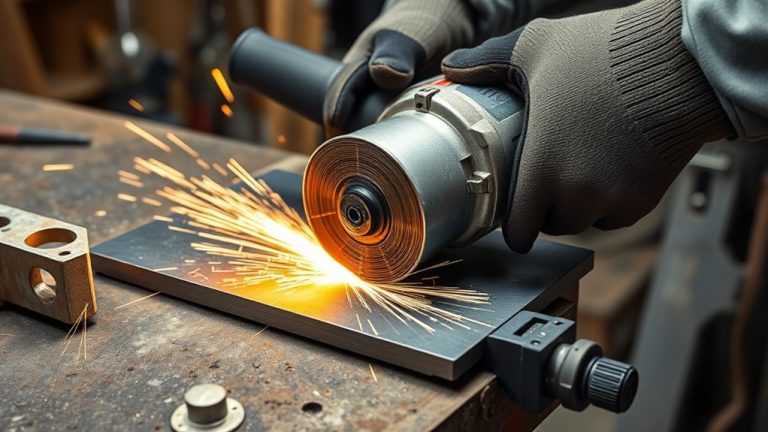
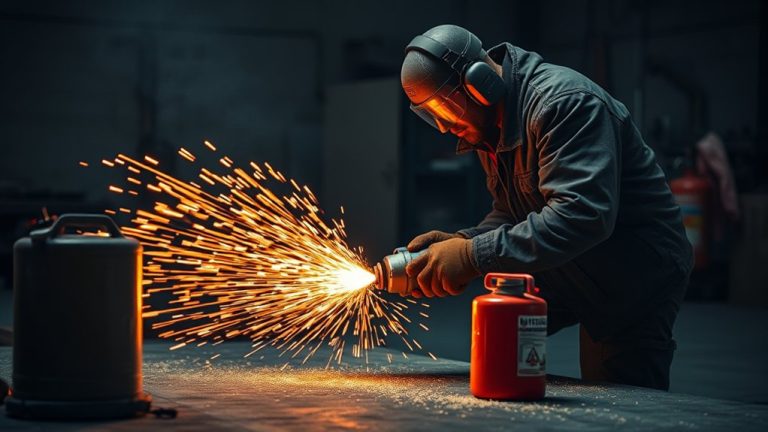
Angle grinder kickback can be a serious hazard if you aren’t aware of its causes. It often occurs when the disc binds in material or when improper cutting angles are used. To prevent this, securely support your workpiece and maintain consistent disc alignment. Always use quality discs that match your grinder’s specifications, and utilize safety features like guards and electronic brakes. By prioritizing these precautions, you’ll enhance your safety and effectiveness. More insights await you to further boost your safety practices.
Understanding Angle Grinder Kickback: What It Is and Why It Happens
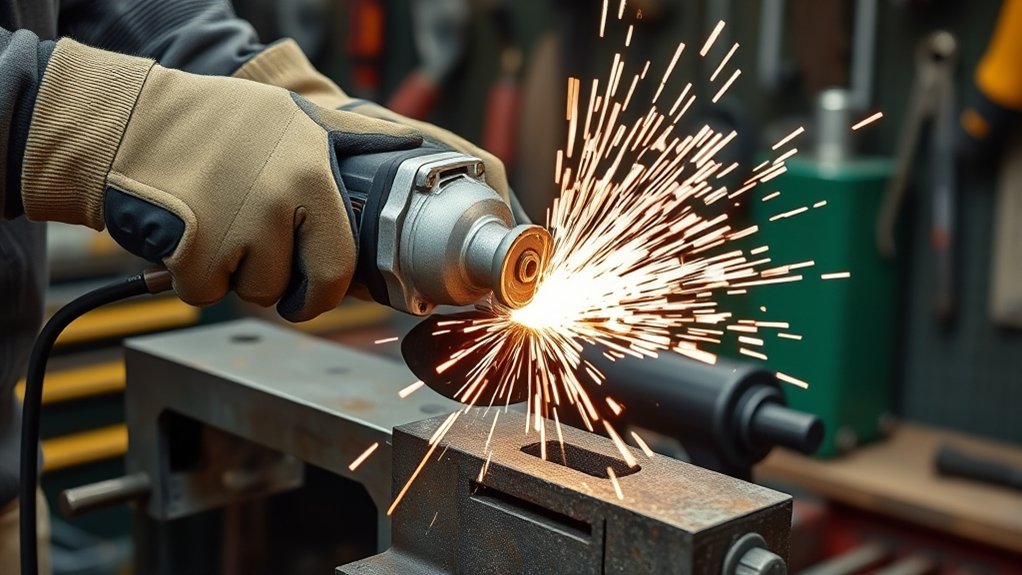
Understanding angle grinder kickback is vital, especially since it can catch you off guard and lead to serious accidents. Kickback occurs when the cutting disc gets pinched or bound in the material, resulting in a sudden jerking motion. This often leads to a loss of control, making it important to be aware of the factors that contribute to this hazard.
Incorrect cutting angles heighten the risk, as excessive depth can increase friction and binding. Additionally, twisting or side-loading the disc during operation can create dangerous scenarios; the disc is designed for straight cuts, and lateral pressure may cause it to shatter. To mitigate these risks, always confirm proper clamping, maintain a steady feed, and use the correct tool positioning. By understanding these dynamics, you can take proactive steps to safeguard yourself while using an angle grinder, guaranteeing a more liberated and safe work experience.
Identifying Common Causes of Kickback and How to Prevent Them
While using an angle grinder, recognizing the common causes of kickback is essential for maintaining safety. Kickback often happens when the cutting disc binds due to pinching or improper support of the material. To prevent this, always make sure your workpiece is adequately clamped and stabilized. Tension in thin or flexible materials can exacerbate this risk, so proper support is important. Additionally, avoid excessive cutting depth and incorrect angles, as these increase friction and the likelihood of binding. Be mindful of twisting or side-loading the disc; keeping it square in the cut helps prevent shattering. Finally, never restart the grinder with the wheel inside the kerf—always pull the wheel clear first to avert sudden kickback. By understanding these factors, you can better prevent the grinder from causing harm and enhance your overall safety while working.
Best Practices to Prevent Angle Grinder Kickback
To effectively prevent angle grinder kickback, it’s vital to implement a series of best practices that enhance safety and control. First, always securely clamp your workpieces and support both sides of cuts to stop material movement. This minimizes the chance of kickback during use. Next, prioritize controlled cutting depth; shallow cuts reduce friction and prevent the disc from binding. It’s also important to maintain disc alignment by keeping the cutting disc square to the material, avoiding lateral pressures that could cause twisting. When restarting the grinder, pull the wheel clear of the kerf to prevent sudden stops that might lead to kickback. Finally, always utilize safety guards, ensuring they are properly adjusted. These guards direct sparks away and help maintain correct disc positioning, greatly reducing the risk of kickback and injuries. By following these practices, you can enhance your angle grinder safety and overall effectiveness.
The Importance of Proper Disc Selection and Maintenance
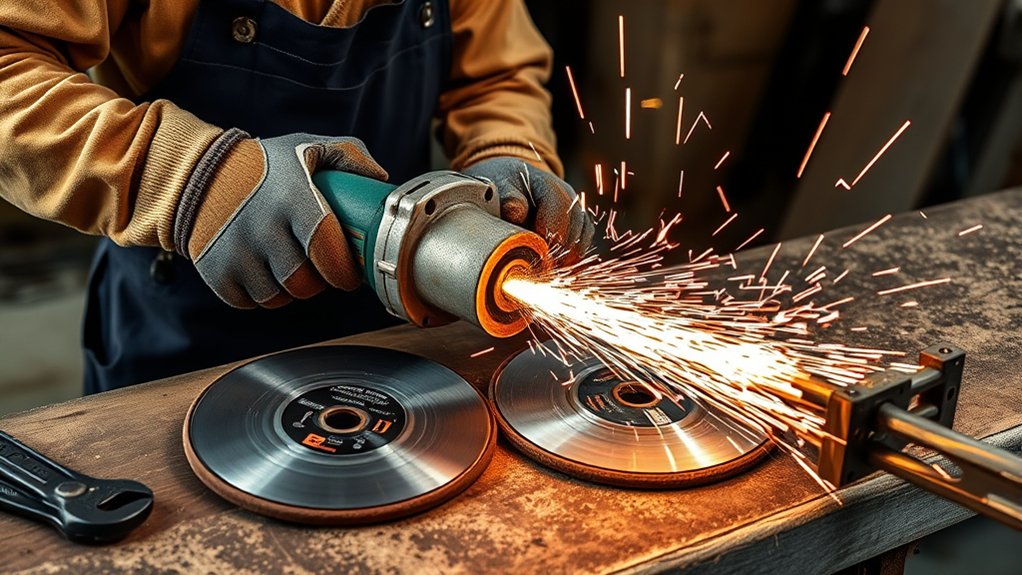
Choosing the right disc for your angle grinder is essential, as using an incompatible or damaged disc can greatly increase the risk of kickback and accidents. Always verify the disc size is appropriate for your grinder, and check that the RPM rating meets or exceeds your tool’s capability. Regularly inspect cutting discs for cracks, chips, or wear to prevent shattering during use.
Here’s a quick reference for disc selection and maintenance:
| Aspect | Recommendation |
|---|---|
| Disc Size | Match to grinder specifications |
| RPM Rating | Must meet or exceed grinder capacity |
| Quality Discs | Choose from reputable manufacturers |
| Inspect Cutting Discs | Check for cracks or chips |
| Proper Maintenance | Secure and align discs before use |
Investing in quality discs can improve durability and safety, reducing replacements by up to 30%. Prioritize proper maintenance to enhance operational safety and minimize kickback risks.
Essential Safety Features in Modern Angle Grinders
Proper disc selection and maintenance form the foundation of safe angle grinder use, but modern grinders enhance safety with innovative features. For instance, electronic brakes considerably reduce the stopping time of the disc, minimizing the chance of kickback incidents. Additionally, advanced anti-kickback technology automatically cuts power when resistance is detected, helping you maintain control during operation.
Many models now include a soft-start feature that gradually ramps up the disc speed, preventing sudden jerks that could lead to accidents. Safety guards are vital too, as they direct sparks and debris away from you, with some grinders featuring non-removable guards to guarantee compliance with safety standards. Finally, ergonomic designs with anti-vibration handles reduce operator fatigue, enhancing your grip and control. Always remember, using an angle grinder properly alongside personal protective equipment is fundamental for your safety.
Choosing the Right Angle Grinder for Your Needs
When choosing an angle grinder, you need to assess key features that align with your specific tasks. Consider the disc size, power source, and motor type to guarantee you select a tool that meets your cutting or grinding requirements effectively. Evaluating these aspects will enhance your performance while minimizing the risk of kickback incidents.
Key Features to Consider
Selecting the right angle grinder hinges on understanding several key features that directly impact performance and safety. First, consider the motor type; brushless motors offer longer lifespans and lower maintenance. Safety features are essential—look for models with electronic brakes and anti-kickback technology to minimize injury risks. Be mindful of the angle grinder disc compatibility; larger discs are suited for heavy tasks, while smaller ones excel in precision work. Additionally, weight and ergonomics matter; lightweight designs with anti-vibration handles can greatly reduce operator fatigue and enhance control during extended use. Finally, decide between corded and cordless options based on your mobility needs, ensuring your choice aligns with your work environment for peak performance.
Disc Size Selection
Choosing the right disc size for your angle grinder can make all the difference in performance and safety. For heavy-duty tasks, opt for larger discs, up to 9 inches, while smaller grinders benefit from discs as small as 4.5 inches for precision work. Always verify the disc’s maximum RPM rating matches or exceeds that of your grinder to avoid potential breakage. Using the manufacturer’s recommended disc size reduces wobbling and instability, enhancing safety during operation. Additionally, match the disc type to the material; for example, silicon carbide discs are excellent for shaping metals. Finally, regularly inspect discs for damage or wear, as cracked or improperly sized discs greatly increase the risk of kickback and other accidents.
Power Source Options
Understanding the right power source for your angle grinder can greatly impact both performance and efficiency. You’ve got several power generation options to choose from. Cordless grinders offer high portability, making them perfect for jobs without a power source, especially on ladders or scaffolds. If you need something reliable for regular use, corded angle grinders are lighter and suited for minor cutting tasks, provided you have access to an outlet. For precision work, consider pneumatic angle grinders that connect to air compressors, giving you better control and durability. Ultimately, your choice depends on the specific tasks at hand and the environment you’ll be working in, ensuring you select the best tool for your needs.
Must-Have PPE for Safe Angle Grinder Use
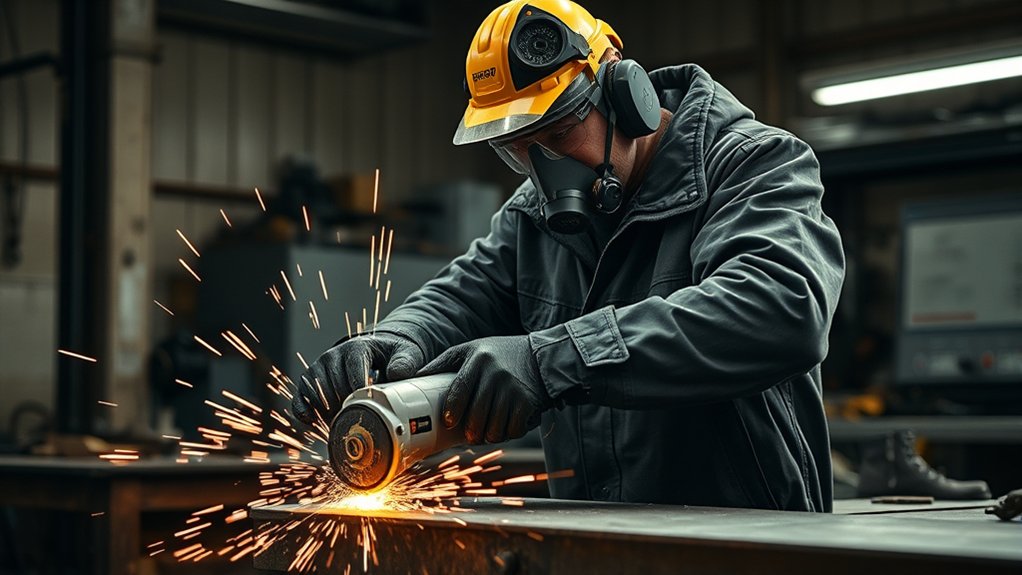
When using an angle grinder, having the right personal protective equipment (PPE) is essential for your safety. This gear not only shields you from hazards but also enhances your overall efficiency. Here’s a quick overview of must-have PPE:
| Equipment | Purpose | Description |
|---|---|---|
| Eye Protection | Prevents injuries from flying sparks and debris | Safety glasses or face shields |
| Respiratory Protection | Protects against inhalation of harmful particles | Dust masks or respirators |
| Cut-Resistant Gloves | Safeguards hands from sharp edges and hot debris | Gloves that provide grip and durability |
| Flame-Retardant Clothing | Minimizes skin exposure to sparks | Specialized clothing to reduce burns |
Always prioritize safety by investing in high-quality PPE. This approach not only protects you but empowers you to work confidently and effectively.
Emergency Procedures for Angle Grinder Accidents
In the event of an angle grinder accident, knowing the emergency response steps is essential for minimizing injury. You’ll need to have first aid essentials on hand and be prepared to report any incidents immediately to improve workplace safety. Understanding these procedures not only protects you but also enhances overall operational safety.
Emergency Response Steps
React quickly to any angle grinder accident to minimize injury and damage. First, turn off the tool and disconnect it from the power source. This action prevents further harm. Next, assess the severity of the injury. If serious, apply direct pressure to control bleeding and seek emergency medical assistance immediately. For incidents involving a shattered disc, make sure no one approaches until it’s safe and report the incident to a supervisor. Always have a first aid kit on-site, and make certain all personnel are trained in basic first aid and emergency response procedures. After any incident, conduct a thorough investigation to identify the cause and implement corrective measures, reinforcing safety protocols to prevent future occurrences.
First Aid Essentials
Understanding first aid essentials is essential for effectively managing angle grinder accidents, as quick and appropriate responses can greatly reduce the severity of injuries. If you encounter deep wounds or severe bleeding, assess the situation and call for emergency medical help immediately. Control blood loss by applying direct pressure to bleeding wounds with a clean cloth or gauze. For burns from sparks or hot debris, cool the area under running water for at least 10 minutes, then cover it with a sterile dressing. If you notice signs of shock, lay the person down, elevate their legs, and keep them warm. Always have a well-stocked first aid kit on hand, including adhesive bandages, sterile gauze, antiseptic wipes, and burn cream, as outlined in your safety guide.
Reporting Procedures
After addressing immediate first aid needs, focus shifts to the proper reporting procedures for angle grinder accidents. First, stop the grinder and disconnect it from the power source to prevent further injury. If the injuries are severe, call emergency services immediately, providing clear details about the incident and location. Next, report the accident to your supervisor or safety officer to guarantee accurate documentation and investigation. Follow your workplace’s established protocols for incident reporting; this may include completing an accident report form and notifying relevant health and safety authorities. Finally, review the incident with your team during a safety meeting to reinforce safe practices and prevent future occurrences. Proper reporting fosters a culture of safety and accountability.
Frequently Asked Questions
How to Prevent Kickback on Angle Grinder?
To prevent kickback on your angle grinder, use proper cutting techniques with shallow passes, guarantee grip stability, maintain tool maintenance, and always wear safety equipment. These steps empower you to work confidently and safely.
How to Prevent Angle Grinder Injuries?
Preventing angle grinder injuries is like fortifying a castle. Always wear safety gear, attend training programs, maintain your equipment, and organize your workspace. These steps empower you to work confidently and safely.
What Are the OSHA Requirements for Angle Grinders?
OSHA regulations require you to use safety guards, wear PPE, and conduct regular equipment maintenance. Operator training on proper use and safety standards is essential to prevent injuries and guarantee compliance with these regulations.
What Is the Most Common Angle Grinder Injury?
The most common angle grinder injury involves severe lacerations, often from kickback effects. Over 5,000 injuries occur yearly due to inadequate safety gear and poor tool maintenance—protect yourself by using proper equipment and techniques.
Conclusion
In summary, understanding angle grinder kickback and its causes is essential for your safety. By following best practices and choosing the right equipment, you greatly reduce the risk of accidents. But isn’t it worth investing time in safety measures to protect yourself while working? Always prioritize proper disc selection, maintenance, and personal protective equipment. By doing so, you not only enhance your efficiency but also guarantee a safer working environment. Stay informed, stay safe!