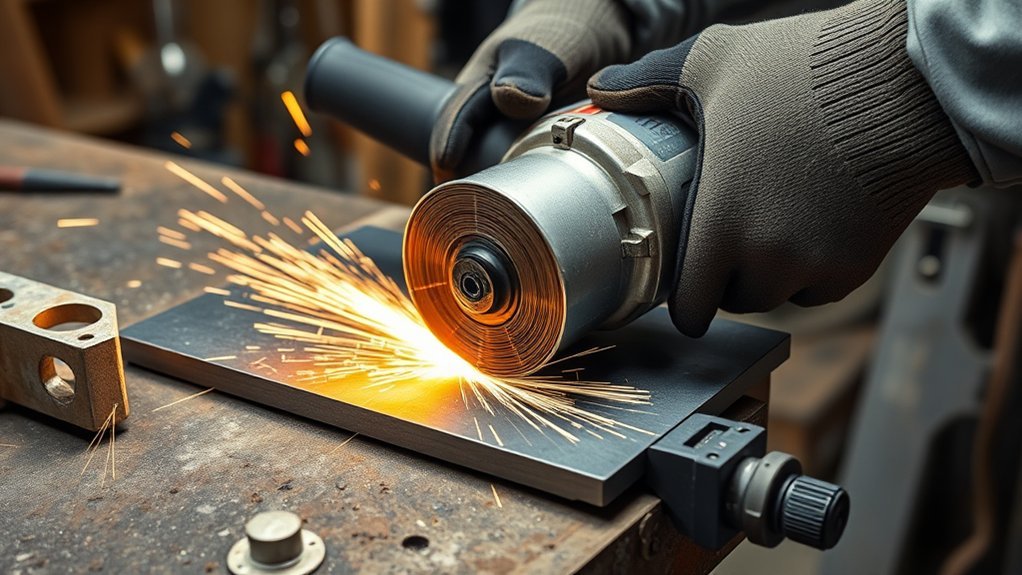
How to Avoid Snagging a Wire Wheel on Edges
What’s in This Article
- Before You Begin
- What You’ll Need
- Identify Common Risks of Snagging Wire Wheels
- Choose the Right Tool and Wire Wheel for Your Task
- Do These Pre-Use Inspections for Safety
- Set Up Your Tool for Safe Operation
- Learn How to Position Your Tool Correctly
- Avoid Snagging With Light Pressure and Controlled Movements
- Troubleshooting Snagging Issues
- Maintain Your Wire Wheel for Long-Term Safety and Performance
- Frequently Asked Questions
- Conclusion
A wire wheel can grab an edge fast if your angle, pressure, or setup is wrong. That sudden catch can pull the tool, damage the workpiece, or put your hands and face at risk. This guide shows you how to choose the right wheel, inspect it, position the tool, and work edges with better control.
Quick Answer
To avoid snagging a wire wheel on edges, match the wheel to your tool, inspect it before use, and keep a firm two-hand grip. Use light pressure, keep the wheel moving, and approach edges with a controlled angle instead of forcing the wheel into the corner.
Key Takeaways
- Match the wire wheel size and speed rating to your tool before you start.
- Inspect the wheel for rust, loose wires, fraying, cracks, or uneven wear.
- Use light pressure near edges so the wheel does not dig into the workpiece.
- Keep the guard in place and wear proper eye, face, hand, and body protection.
- Stop at once if the tool vibrates, wobbles, grabs, or feels hard to control.
Before You Begin
Estimated total time: 5 to 10 minutes for setup and inspection before you start the actual cleaning or grinding work.
Wire wheels throw loose wires, rust, scale, and metal debris during use. Wear safety glasses, a face shield, snug gloves, hearing protection, and work clothing that covers your skin.
Warning: Never use a wire wheel without the correct guard, because broken wires and debris can fly toward you at high speed.
What You’ll Need
- Compatible grinder, drill, bench grinder, or rotary tool
- Wire wheel with the correct size, arbor, thread, and speed rating
- Safety glasses and a full face shield
- Snug work gloves and long sleeves
- Hearing protection when using loud power tools
- Clamp or vise to secure the workpiece
- Clean, dry work area with loose items removed
Products Worth Considering

Great for cleaning and blending surfaces

High tensile, heat treated carbon or stainless steel wire provides long lasting aggressive brushing action for the wire wheel

Highly specified wire grades are constructed with internal holding plate to ensure consistency and safety for the wire wheel
Identify Common Risks of Snagging Wire Wheels
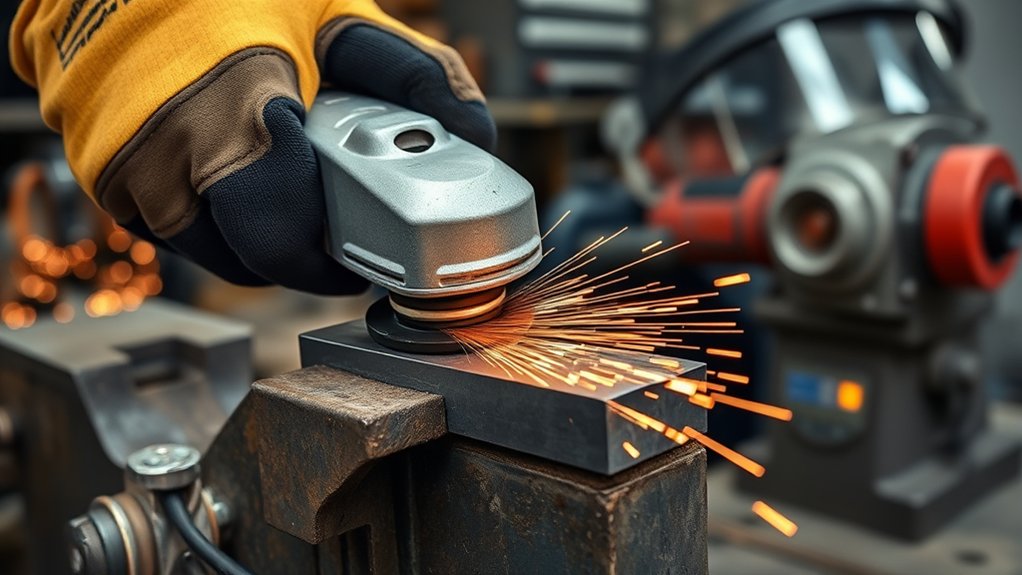
Snagging often happens when a wire wheel reaches an edge, corner, burr, hole, or raised seam. The sudden change in contact can make the tool jerk in your hands.
Improper angle, heavy pressure, and a worn wheel can make the problem worse. An oversized wheel can also create imbalance, which makes the tool harder to control.
Check the workpiece before you start. Sharp edges, loose scale, gaps, and rough corners can all catch the wire tips if you push too hard.
Choose the Right Tool and Wire Wheel for Your Task
Choose a wire wheel that fits your tool and suits the material you plan to clean. Check the wheel size, arbor or thread type, maximum revolutions per minute (RPM), and intended use before mounting it.
Use finer wire for lighter cleaning and delicate surfaces. Use heavier or knotted wire for tougher rust, scale, or weld cleanup when your tool supports it.
Products Worth Considering

The OSFTBVT 6inch Bench Wire Wheel greatly removing rust, burrs, paint and corrosion of tube/metal tools.

Value Pack: Wire brush kit set includes 3 x 1-inch pen brushes, 3 x 2-inch wheel brushes, and 4 x 2-inch cup brushes, covering all your cleaning and grinding needs. Perfect for both large surfaces and tight spaces

Cost-Effective 6 Pcs Angle Grinder Wire Wheel: WENORA Angle grinder brushes are made of high strength hardened carbon steel wire for better performance than comparable products. Wire brush sets for angle grinders are a better value than buying from your local tool store.
Tool Selection Criteria
Select the tool and wheel as a matched pair, not as separate parts. A wheel that fits loosely, spins too fast, or feels unbalanced can snag more easily.
The wheel shape also matters. Cup brushes, wheel brushes, end brushes, and knot brushes each work better on different surfaces and access points.
| Tool Aspect | Considerations |
|---|---|
| Wire Wheel Gauge | Finer for delicate work, thicker for tough cleaning |
| Tool Angle | Use a controlled angle that matches the wheel type |
| Design | Choose cup, end, wheel, or knot style by task |
| Inspection | Check for damage, looseness, or distortion |
Wire Wheel Compatibility
Confirm that the wire wheel fits the tool’s arbor, spindle, or thread system. Also confirm that the wheel’s maximum RPM meets or exceeds the tool speed.
Choose the right wire material for the workpiece. For example, stainless steel brushes can help reduce contamination when working with stainless steel or some non-ferrous metals.
Pay attention to fill density and stiffness. A stiff brush removes material faster, but it can also grab more aggressively near edges.
Do These Pre-Use Inspections for Safety
Inspect the wire wheel before every use. Look for rust, missing wires, broken wires, uneven wear, bent parts, or cracks around the hub.
Check the guard, handle, lock nut, flange, arbor, and tool body. Secure the workpiece before you spin the wheel.
Visual Inspection Checklist
A careful visual check helps you catch problems before the wheel touches metal. Do not use a wheel that looks damaged or out of shape.
| Inspection Item | What to Look For |
|---|---|
| Rust or Corrosion | Any visible signs of damage or weakening |
| Wire Filament Wear | Uneven wear, fraying, or missing wires |
| Size and Speed Rating | Match with your tool and task |
| Mounting Security | Firm attachment with no looseness |
Functional Testing Procedure
- Inspect the wheel. Look for rust, corrosion, bent wires, loose wires, or frayed sections.
- Confirm compatibility. Check that the wheel size, arbor, thread, and RPM rating match your tool.
- Mount the wheel securely. Follow the tool and wheel instructions so the wheel sits flat and tight.
- Check the workpiece. Find sharp edges, burrs, gaps, and loose scale that could catch the wheel.
- Run a free spin test. Hold the tool away from your body and run it briefly to check for vibration or wobble.
Stop the test if the tool shakes, wobbles, or sounds wrong. Remove power, then check the wheel and mounting before you try again.
Set Up Your Tool for Safe Operation
Safe setup starts before the wheel touches the workpiece. Check compatibility between the wheel and tool, then inspect the wheel for damage such as fraying, cracks, loose wires, or uneven wear.
- Attach the wire wheel firmly and correctly.
- Keep the safety guard in place and aimed correctly.
- Use the side handle when your tool has one.
- Clamp the workpiece so it cannot shift.
Use steady, controlled pressure during operation. Let the wire tips do the cleaning instead of forcing the tool into the edge.
Learn How to Position Your Tool Correctly
Correct tool position helps you control the wheel and reduce sudden catches. Keep a firm two-hand grip, stand to the side of the wheel path, and approach edges with care.
Many wire wheel jobs work best when you keep the brush face stable and avoid digging the wire tips into the edge. The right angle can vary by wheel type, tool type, and surface shape, so follow the wheel maker’s instructions when available.
Here’s a quick reference table to help you:
| Tool Type | Recommended Angle | Key Considerations |
|---|---|---|
| Wire Wheel | Use a controlled, stable contact angle | Avoid digging into edges |
| Type 29 Flap | 15-35 degrees | Enhance material removal |
| Grip Control | Firm two-hand hold | Maintain stability and control |
Adjust your grip before you reach corners or raised edges. A stable hand position gives you more control if the wheel starts to pull.
Avoid Snagging With Light Pressure and Controlled Movements
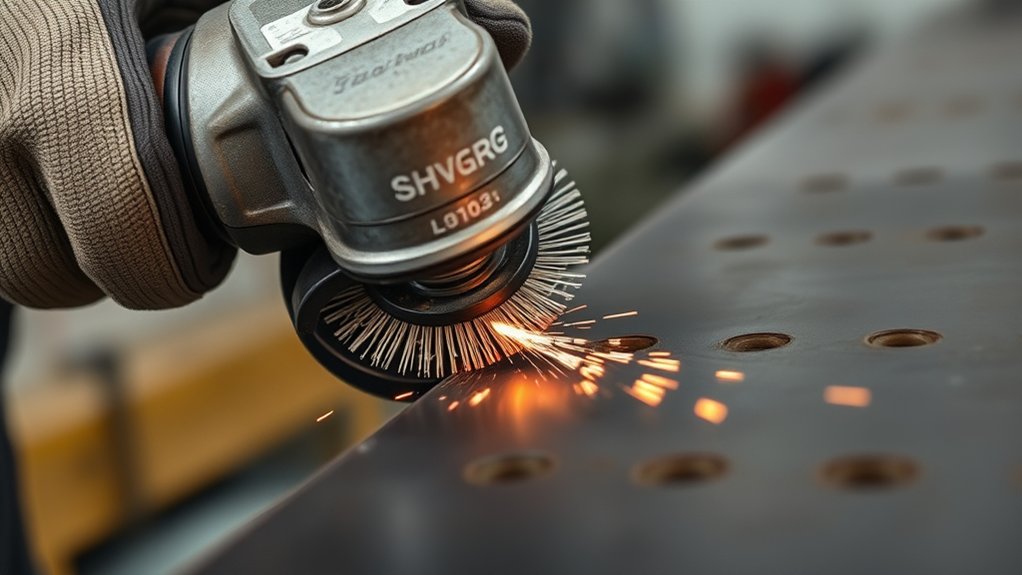
Proper tool position helps, but pressure control matters just as much. Light pressure lets the wire wheel clean the surface without biting into the edge.
Keep the wheel moving at a steady pace. Do not pause on corners, holes, burrs, or sharp edges because the wire tips can catch.
- Ease up on pressure before the wheel reaches an edge.
- Move across the edge smoothly instead of pushing into it.
- Keep both hands on the tool whenever possible.
- Stop and reposition if the tool starts to grab.
Pro tip: Practice on scrap metal first if you use a new wheel style or a new tool.
Troubleshooting Snagging Issues
If the wire wheel keeps snagging, stop and check your setup before you continue. Do not try to overpower the tool, because extra force can make the catch worse.
Start with the easiest causes first. Check pressure, angle, wheel condition, tool speed, and the shape of the edge.
| Problem | Likely Cause | What You Should Do |
|---|---|---|
| Wheel grabs at corners | Too much pressure or wrong approach | Use lighter pressure and change direction |
| Tool vibrates | Damaged wheel or poor mounting | Stop, unplug the tool, and inspect it |
| Wheel digs into the workpiece | Wheel too stiff or angle too aggressive | Use a softer wheel or reduce the angle |
| Wires break loose often | Worn wheel or excessive speed | Replace the wheel and check RPM rating |
Review the workpiece surface before you restart. Burrs, cutouts, slots, and uneven welds can all create snagging points.
Maintain Your Wire Wheel for Long-Term Safety and Performance
Good maintenance helps your wire wheel last longer and work more safely. Inspect the wheel before and after use so you can replace it before it becomes risky.
- Check for frayed wires, missing wires, rust, and bent sections.
- Store wire wheels in a clean, dry place away from heat and moisture.
- Clean debris from the wheel after use when the tool has stopped fully.
- Replace wheels that vibrate, wobble, shed wires, or look damaged.
Match the spindle or arbor size to the wheel every time. Do not force a wheel onto a tool or modify the wheel to make it fit.
Always follow the wheel maker’s maximum RPM rating. Staying within the rated speed reduces the risk of wheel damage and flying wire fragments.
Frequently Asked Questions
What Are the Safety Precautions for Wire Brushes?
Wear safety glasses, a face shield, snug gloves, hearing protection, and clothing that covers your skin. Check the brush for rust, fraying, loose wires, and RPM compatibility before you use it.
Should You Wear Gloves When Using a Wire Wheel?
You should wear snug, durable work gloves that do not have loose cuffs or hanging parts. Loose gloves can catch in rotating tools, so fit matters as much as protection.
Does a Wire Wheel Need a Guard?
Yes, a wire wheel needs the correct guard when the tool design supports one. The guard helps block flying debris, loose wires, and accidental contact with the wheel.
Is a Wire Wheel an Abrasive?
Yes, a wire wheel works as an abrasive surface preparation tool. It removes rust, paint, scale, burrs, and surface contamination with rotating wire tips.
Why Does My Wire Wheel Keep Catching on Edges?
Your wire wheel may catch because you use too much pressure, hold the wrong angle, or work into a sharp edge. A worn, oversized, or overly stiff wheel can also increase snagging.
Can You Use a Wire Wheel on Sharp Corners?
You can use a wire wheel on sharp corners, but you need extra control. Ease pressure before the corner, keep the wheel moving, and stop if the tool starts to pull.
Conclusion
You can avoid most wire wheel snagging by using the right wheel, checking it carefully, and controlling pressure near edges. Start with a safe setup before you touch the workpiece.
Keep both hands steady, let the wire wheel do the cleaning, and stop when the tool feels unstable. With better control and regular inspection, your wire wheel work becomes safer, smoother, and more predictable.