Disclosure: As an Amazon Associate, we earn from qualifying purchases. If you click a link on this page and make a purchase, we may receive a small commission at no extra cost to you.
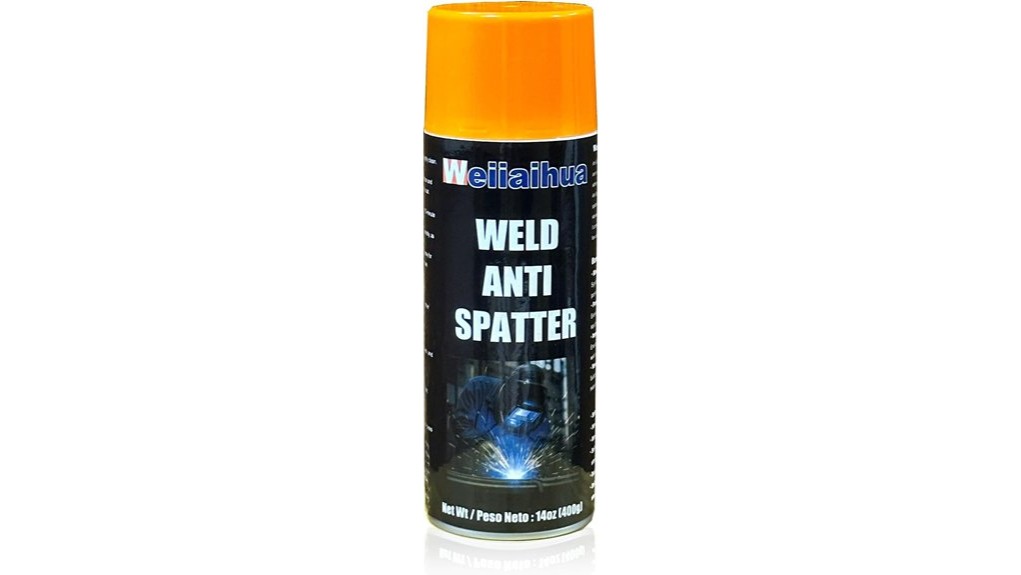
Weld spatter can turn a clean job into extra scraping, grinding, and wasted shop time. Anti Spatter Welding Spray is made to leave a light protective barrier on approved surfaces so hot particles are less likely to stick during welding. This review helps you decide whether it fits your workflow, how to apply it correctly, and what to check before you use it around heat, paint, stainless steel, or finished parts. It is a useful cleanup aid, but it still depends on correct spray distance, thin coverage, ventilation, and the current product label.
Quick Verdict
Rating: Recommended with caveats, 7.5/10
Best For: Welders who want less spatter cleanup on approved workpieces, fixtures, and nearby equipment surfaces.
Bottom Line: This spray makes the most sense if you want a fast anti-spatter layer before routine welding work. The tradeoff is that you must use it lightly, keep it away from areas where it could affect coating or paint adhesion, and verify surface compatibility on the label.
| Specification | Detail |
|---|---|
| Product type | Anti-spatter welding spray |
| Primary use | Helps reduce weld spatter adhesion on approved surfaces |
| Application style | Thin, even spray layer before welding |
| Recommended spray distance | 6 to 12 inches from the workpiece |
| Surface use | Workpieces and equipment surfaces allowed by the product label |
| Safety claim to verify | Described as non-flammable and non-corrosive, but confirm the current label and SDS before use |
| Storage guidance | Store in a cool, dry place away from direct sunlight and extreme temperatures |
| Best use | Reducing cleanup after welding where overspray, coating adhesion, and surface compatibility are controlled |
What Is the Anti Spatter Welding Spray?
Anti Spatter Welding Spray is a welding aid that you apply before striking an arc. Its job is not to improve the weld itself. Instead, it helps keep hot spatter from bonding tightly to nearby metal, tools, fixtures, and other approved surfaces.
The main value is time savings. When the spray forms a thin barrier, loose particles are easier to wipe, brush, or chip away after the weld cools. That can help you keep a cleaner work area and reduce the amount of scraping needed around the bead.
Before You Buy: Do not assume this spray is safe for every surface. Check the current label, SDS, and your welding process before using it near paint, coating work, stainless steel, hot fixtures, or parts that will be painted later.
Key Takeaways
- It helps prevent spatter particles from sticking tightly to approved surfaces.
- A thin, even coating works better than a heavy wet layer.
- The 6 to 12 inch spray distance gives you better control and less waste.
- Surface compatibility matters, especially on painted, coated, or stainless steel parts.
- It can reduce cleanup time, but it does not replace good welding technique, PPE, ventilation, or surface prep.
Who Should Buy It?
Best For
- Welders who spend too much time scraping spatter after each job.
- Shop users who want cleaner fixtures, tables, and nearby work surfaces.
- DIY welders who need a simple pre-weld step for cleaner post-weld cleanup.
Skip If
- You need a verified brand, model, certification, or exact temperature rating before buying.
- You plan to paint or coat the part and cannot fully clean residue from the surface.
- You want a product that fixes poor machine settings, contamination, or unstable arc control.
Benefits of Using Anti Spatter Welding Spray
The biggest benefit is easier cleanup. Spatter often sticks hardest when it lands on bare metal, tables, clamps, and surrounding equipment. A light anti-spatter layer gives those particles a barrier, so you spend less time scraping and more time checking the weld itself.
The spray can also help protect tools and nearby equipment from stubborn buildup. This matters in repeated shop work, where small amounts of spatter can collect around fixtures, clamps, and contact areas over time.
It also supports a cleaner finished look. Anti-spatter spray will not turn a poor weld into a good weld, but it can reduce the rough particles around the bead when used correctly. That is useful when appearance matters or when the part needs extra finishing after welding.
Protective Barrier and Spatter Control
The protective barrier is the core feature. You spray a controlled layer on the work area before welding, then the barrier helps reduce how firmly spatter attaches. The goal is not to flood the surface. Too much spray can leave residue, create smoke, or make the area harder to clean before finishing.
For best results, focus on the area near the joint and the surfaces most likely to catch spatter. Keep the weld zone itself clean enough for proper arc stability, and never use the spray as a substitute for removing rust, oil, paint, or heavy contamination before welding.
Application Techniques for Optimal Results
Application technique affects performance. Hold the nozzle about 6 to 12 inches from the workpiece, then apply a thin and even coat. A steady pass usually gives better coverage than stopping in one spot and soaking the surface.
- Shake or prepare the product according to the label before use.
- Spray lightly around the target area rather than directly flooding the weld joint.
- Use thin layers to prevent residue buildup.
- Test on scrap or a hidden area when surface finish matters.
- Clean the part after welding if it will be painted, coated, plated, or bonded.
Pro Tip: Spray the surrounding area, not a heavy puddle on the joint. A light barrier near the bead is usually enough to make cleanup easier without adding extra residue where you need a clean weld.
Compatibility and Surface Use
Anti-spatter spray can be useful on workpieces, equipment, and fixture surfaces, but compatibility should guide where you apply it. Painted surfaces need caution because residue may affect paint adhesion, stain the finish, or require extra cleaning. If the part will be painted later, plan for a full cleaning step after welding.
For stainless steel, use the spray only if the label allows it. Stainless surfaces can show residue, heat tint, and contamination more clearly than mild steel. When in doubt, test on scrap stainless first and clean the surface after welding.
Safety Considerations for Welders
Welding safety still comes first. Even when a spray is described as non-flammable and non-corrosive, you should confirm the current product label and safety data sheet before using it near heat, sparks, or enclosed spaces. Keep the spray away from open flames unless the label clearly says the formula is safe for that use.
| Safety Element | Why It Matters |
|---|---|
| PPE | A helmet, gloves, jacket, and eye protection help protect you from arc rays, heat, and spatter. |
| Ventilation | Sprays and welding fumes should not build up in tight areas. |
| Fire control | Move rags, solvents, and flammable items away from the work area. |
| Label check | Use the product only on materials and temperatures allowed by the current label. |
How It Performs in Real Use
For Routine Welding Jobs
For common shop work, the spray is most helpful before you weld a part that will throw small particles onto nearby metal. A quick, light coat can make the area easier to brush clean once the part cools.
For Fixtures, Clamps, and Welding Tables
Fixtures and clamps often collect spatter because they sit close to repeated welds. Applying spray to approved fixture surfaces can reduce buildup and help keep clamping points cleaner. Do not apply it where the part needs direct electrical contact unless the product instructions allow it.
For Cleaner Finishing Work
If the finished part needs a cleaner look, anti-spatter spray can reduce the amount of stuck-on debris around the weld. You may still need wire brushing, grinding, or solvent cleaning, especially if the part will be painted or coated.
For Occasional DIY Use
DIY welders may like this spray because it adds a simple prep step without changing the welder setup. The main mistake is using too much. Start with a light coat, then adjust only if cleanup is still difficult.
Common Mistakes to Avoid
- Spraying too heavily: Thick residue can create extra mess and may need more cleaning later.
- Skipping surface prep: Anti-spatter spray is not a cleaner. Remove oil, paint, rust, and dirt before welding.
- Ignoring the label: Follow the product instructions for distance, temperature, storage, and surface compatibility.
- Using it before painting without a cleanup plan: Residue can interfere with coatings if it is not removed.
- Expecting it to fix poor settings: Excess spatter often comes from machine setup, wire speed, voltage, stickout, or contaminated metal.
Pros and Cons
Pros
- Helps reduce spatter adhesion on approved surfaces.
- Can lower scraping and brushing time after welding.
- Quick spray application fits easily into prep work.
- Useful around fixtures, tables, and nearby equipment when the label allows it.
- Supports cleaner-looking work when paired with proper welding settings.
Cons
- Exact brand, model, size, and certification details should be checked on the current listing before buying.
- May leave residue that needs cleaning before painting, coating, or bonding.
- Requires correct placement and light coverage to avoid waste or buildup.
Is It Worth the Price?
This spray is worth considering if your main goal is faster cleanup after welding. It offers the most value for users who regularly deal with spatter on tables, clamps, fixtures, and workpieces. For occasional welding, it can still be a smart buy if cleanup time matters more than keeping your setup minimal.
The value depends on how often you weld and how much post-weld cleanup you normally do. If you already have very low spatter because your settings, wire, gas, and prep are dialed in, the improvement may feel smaller. If you often scrape stubborn particles from nearby surfaces, the spray can pay off through saved time.
How It Compares to Alternatives
Compared with nozzle gel, spray is easier to apply over a wider work area. Nozzle gel is more focused on torch and nozzle protection, while spray is better when you want a light barrier across surrounding surfaces.
Compared with ceramic nozzle spray or other specialty anti-spatter products, this option should be judged by its label, residue, heat guidance, and surface compatibility. Choose it if you want simple application and broad cleanup support, but compare alternatives if you need a verified temperature rating, a named brand, or a coating-safe formula.
Frequently Asked Questions
How long does the anti-spatter effect last after application?
It is mainly meant to protect the surface during the welding pass or work session where it is applied. Longevity depends on heat, surface condition, spray thickness, and how much spatter lands on the area.
Can you use it on painted surfaces?
Use caution on painted surfaces. Test a hidden area first, and do not use it where residue could stain the finish or affect paint adhesion.
Is it safe for stainless steel?
Use it on stainless steel only if the label lists stainless as an approved surface. Test on scrap first, then clean the part after welding to avoid residue or visible marks.
How much spray should you apply?
Apply a thin, even layer from about 6 to 12 inches away. Too much spray can waste product and leave extra residue that needs cleaning later.
Does it replace good welding settings?
No. Anti-spatter spray helps with cleanup, but it does not fix poor voltage, wire speed, stickout, shielding gas, or dirty metal. If spatter is excessive, check your setup first.
What temperature can the spray withstand?
Use the temperature guidance on the current product label or SDS as the limit. Do not rely on a generic temperature claim when working near high heat or open flame.
How should you store it when not in use?
Store it in a cool, dry place away from direct sunlight and extreme temperatures. Keep the cap or nozzle protected so the spray pattern stays consistent for the next job.
Who should skip this anti-spatter spray?
Skip it if you need fully verified brand specs, exact size, certifications, or a confirmed temperature rating before buying. Also skip it for surfaces that cannot be cleaned before painting, coating, or bonding.
The Bottom Line
Anti Spatter Welding Spray is a practical choice if you want cleaner work surfaces and less scraping after routine welding. It is best for welders who can apply a light coat, check label compatibility, and clean residue before finishing. Skip it if you need fully verified listing specs or a guaranteed coating-safe formula.