Disclosure: As an Amazon Associate, we earn from qualifying purchases. If you click a link on this page and make a purchase, we may receive a small commission at no extra cost to you.
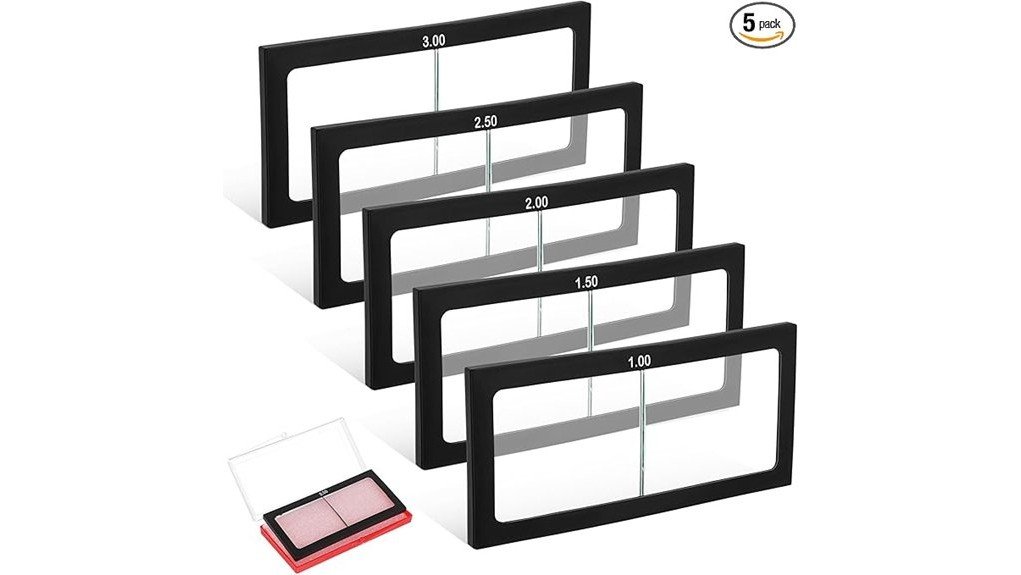
A welding helmet can protect your eyes and face, yet the weld puddle may still look too small when you are doing close, detailed work. The 5 Pieces Glass Magnification Welding Lens set is designed to add a closer view inside a compatible helmet without requiring you to lean toward the arc. Its 2 x 4.25-inch glass lenses and 1.0 to 3.0 diopter range make it a practical option for welders who need several strengths. The main concern is fit: the listing details available for this review do not confirm compatibility with every helmet or the exact contents of every current seller bundle.
Quick Verdict
Rating: Recommended with caveats
Best For: Welders with a helmet that accepts a 2 x 4.25-inch magnifying lens and who want several diopter choices
Bottom Line: The glass construction, practical lens size, and range of magnification strengths can make close work easier to see. Buy only after checking your helmet’s lens holder, the included diopters, and the seller’s current package details.
Key Specifications
| Specification | Detail |
|---|---|
| Product name | 5 Pieces Glass Magnification Welding Lens |
| Product type | Add-on magnifying lens for a compatible welding helmet |
| Lens dimensions | Approximately 2 x 4.25 inches |
| Material | Glass |
| Magnification range | Diopters from 1.0 to 3.0 |
| Stated quantity | Five pieces; confirm the current bundle before ordering |
| Compatibility | Helmets with a suitable 2 x 4.25-inch magnifying-lens holder |
| Best use | Closer viewing of the joint, arc area, and weld puddle during detailed work |
| Care | Clean gently with a soft cloth and store where the glass cannot be scratched or chipped |
| Safety note | This magnifier is an add-on. It does not replace the helmet’s protective filter, cover lens, or required shade. |
What Is the 5 Pieces Glass Magnification Welding Lens?
This product is a set of glass magnifying lenses made for welding helmets that have a compatible internal lens holder. The source article does not identify a verified brand or model name, so you should confirm the seller and listing details before purchase. Each lens measures about 2 inches by 4.25 inches.
The available information describes diopter choices from 1.0 through 3.0, giving you options for different working distances and eyesight needs. The lens is often called a welding cheater lens. It sits inside the helmet’s viewing system to enlarge the work area while your helmet’s filter handles protection from the arc.
The main selling point is simple: you can see small joints, wire position, tungsten placement, and puddle edges with less strain, provided the chosen strength focuses correctly at your normal welding distance.
Who Should Buy It?
Best For
- Welders who struggle to focus on small joints through a standard helmet window
- TIG, MIG, stick, or plasma users whose helmets accept the stated 2 x 4.25-inch size
- Shops or households that want several diopter strengths available for different users
Skip If
- Your helmet lacks a magnifying-lens holder or uses a different lens size
- You need prescription correction that a basic single-power magnifier cannot provide
- You want a protective shade lens rather than an add-on magnifier
Before You Buy: Measure the available holder in your helmet and check the manual. A lens can match the stated dimensions but still interfere with sensors, retention tabs, prescription glasses, or the helmet’s internal cover lens.
Fit and Helmet Compatibility
The 2 x 4.25-inch format is useful only when your helmet has space and a retention system for that size. Do not assume that “fits most helmets” means universal fit. Some helmets use model-specific magnifier frames, while others have no cheater-lens mount at all.
Check the width, height, and thickness clearance before ordering. Also look at where the lens sits in relation to your eyes. A lens mounted too high, too low, or too far away can make you tilt your head or lose the clear center of the magnified view.
Magnification and Optical Clarity
The stated 1.0 to 3.0 diopter range gives you a wider choice than a single fixed-strength lens. Lower powers suit users who need a modest boost, while stronger powers enlarge the work more but may shorten the comfortable focus distance. The best strength is the one that lets you see the joint clearly while holding your normal welding posture.
The smooth glass surface is intended to provide a clear view when it is clean and correctly seated. Glass is also less forgiving if dropped or struck. A chip, crack, or deep scratch in your viewing area is a reason to stop using that lens.
Glass Build and Daily Handling
The glass construction is the main material advantage in this set. It gives the lens a firm, smooth optical surface and helps it stay flat in the holder. That matters because poor seating can make the view feel distorted when you move your head.
The tradeoff is breakability. Keep unused lenses separated in padded sleeves or individual compartments instead of allowing them to rub together in a toolbox. Wipe away dust before cleaning so grit does not drag across the surface.
Comfort and Ease of Use
A correctly chosen magnifier can reduce the urge to move your face closer to the work. That can help you maintain a steadier working position during tack welding, thin-gauge fabrication, or small repair jobs. The lens itself does not require power, charging, or controls.
Comfort depends on more than magnification. If you already wear glasses, the lens may create too much correction or reduce clearance inside the helmet. You may need to compare using the cheater lens with wearing your normal corrective eyewear under a helmet designed to accommodate it.
How It Performs in Real Use
For TIG Detail Work
TIG work often requires you to watch a small tungsten tip, filler rod, and puddle edge at the same time. A suitable diopter can make those details easier to track, especially on small joints. Too much power, however, may make the image blur when you move away from the lens’s preferred distance.
For MIG and Stick Repairs
During general repair work, magnification can help you follow a narrow joint line and confirm wire or electrode position. The benefit is greatest when the helmet remains stable and the lens stays centered. Spatter and shop dust still need to be kept away from the helmet’s protective cover lens and viewing area.
For Plasma Cutting and Inspection
A closer view can help when you are following a marked cut line or checking a small finished bead after the arc is off. The magnifier does not change the shade protection needed for cutting. Use the protective equipment and shade specified for the process and current level.
For Longer Work Sessions
The right lens may reduce squinting, but the wrong diopter can cause eye strain, headaches, or awkward posture. Test the lens briefly before a long job. If the image feels distorted or you must move too close to focus, switch strength or seek advice from an eye-care professional.
How to Use It Correctly
- Confirm the holder size. Measure the mounting area and read your helmet manual before inserting the lens.
- Choose one diopter. Select the strength that focuses at your usual working distance. Do not stack lenses unless the helmet and lens manufacturer specifically allow it.
- Seat it securely. Make sure the lens is flat, retained, and clear of auto-darkening sensors, controls, and cover-lens movement.
- Check the full safety setup. Keep the correct protective filter, cover lenses, and shade for the welding or cutting process.
- Inspect before each use. Remove a lens that is cracked, chipped, loose, or badly scratched.
Pro Tip: Hold a small practice joint at your normal welding distance and compare the lenses before starting a long job. Pick the lowest strength that gives you a clear, comfortable view without forcing your head forward.
Compatibility and Safety
This product magnifies. It is not a filter shade, impact-rated face shield, or replacement for a complete welding helmet. Your helmet and filter must provide the protection required for the process, current, and workplace conditions.
Install the lens only where the helmet manufacturer permits an accessory magnifier. Keep the auto-darkening sensors unobstructed and confirm that the filter switches normally before welding. If you use prescription lenses, confirm that your protective eyewear remains correctly positioned and that the added magnification does not interfere with clear vision.
Cleaning and Storage
Let the lens cool before cleaning. Blow or brush off loose dust, then use a clean microfiber cloth with a mild lens-safe cleaner. Avoid abrasive pads, harsh solvents, and dry wiping over metal grit.
Store each glass lens separately in a padded case or sleeve. Keep the set in a dry place away from heavy tools. Before reinstalling a stored lens, inspect the edges and viewing area under good light.
Pros and Cons
Pros
- Five-piece format gives you more than one magnification choice
- Diopter range from 1.0 to 3.0 covers mild through stronger magnification needs
- Glass surface can provide a clear, flat viewing area
- 2 x 4.25-inch dimensions suit helmets designed for this insert size
- No battery, wiring, or adjustment controls are required
Cons
- Compatibility is not universal, even when a helmet has a similar viewing-window size
- Glass can chip or break if dropped or stored loose
- A fixed diopter may not suit users with astigmatism or more complex prescription needs
Is It Worth the Price?
This set can offer strong value when you have more than one welder in the shop, you are unsure which diopter suits your working distance, or you want spare lenses on hand. Buying several strengths together may be more practical than ordering one lens, discovering it is unsuitable, and starting again.
The value drops quickly if your helmet cannot hold the lens securely. It is also not the best fit when you need prescription correction rather than simple magnification. Confirm the current seller’s quantity, diopter mix, return terms, and compatibility notes before deciding.
How It Compares to Alternatives
A manufacturer-specific magnifying lens may provide a more certain fit when your helmet brand sells an accessory made for that exact model. A single-strength cheater lens can cost less when you already know your preferred diopter. Prescription safety glasses worn under a compatible helmet may be the better route when you need correction beyond basic magnification.
This five-piece set makes the most sense when you want several strengths in one purchase and your helmet accepts the stated size. Its advantage is choice, while a model-specific accessory offers stronger fit certainty.
Frequently Asked Questions
Will these lenses fit every welding helmet?
No. The lenses are about 2 x 4.25 inches, but your helmet must have a compatible holder and enough internal clearance. Check the helmet manual and measure the mounting area before ordering.
Does a magnifying lens replace the welding shade?
No. It only enlarges the view. You still need a complete welding helmet with the correct protective filter, cover lenses, and shade for the process.
How do you choose the right diopter?
Choose the strength that gives you a clear view at your normal working distance without forcing you to lean forward. Start with a brief test, and seek professional eye-care advice if basic magnification does not provide comfortable focus.
Can you stack two magnifying lenses?
Do not stack them unless the helmet and lens manufacturer clearly permit it. Stacking can reduce clearance, create distortion, and prevent the holder from securing the lenses correctly.
Can you use the lens with an auto-darkening helmet?
You can use it only when the helmet has a suitable magnifier holder and the accessory does not block sensors or controls. Follow the helmet manual and test the auto-darkening function before starting work.
How should you clean a glass welding magnifier?
Remove loose dust first, then wipe with a clean microfiber cloth and a mild lens-safe cleaner. Avoid abrasive materials and replace a lens that is cracked, chipped, or deeply scratched.
Does the package always include five different strengths?
The reviewed article describes a five-piece set with diopters from 1.0 to 3.0. Seller bundles can change, so check the current product page for the exact quantity and strengths before purchasing.
Who should skip this lens set?
Skip it if your helmet has no compatible holder, you need a protective shade lens, or your vision requires prescription correction. A helmet-specific accessory or properly fitted corrective eyewear may serve you better.
The Bottom Line
The 5 Pieces Glass Magnification Welding Lens set is worth considering when your helmet accepts a 2 x 4.25-inch insert and you want several diopter choices for close work. Its glass construction and range of strengths are useful, but uncertain universal fit and fixed-power optics mean you should verify compatibility and choose the strength carefully. Skip it when you need a protective filter or prescription correction rather than simple magnification.
Ready to Buy?
Check the latest package details, diopter options, and helmet compatibility before you decide.