Disclosure: As an Amazon Associate, we earn from qualifying purchases. If you click a link on this page and make a purchase, we may receive a small commission at no extra cost to you.
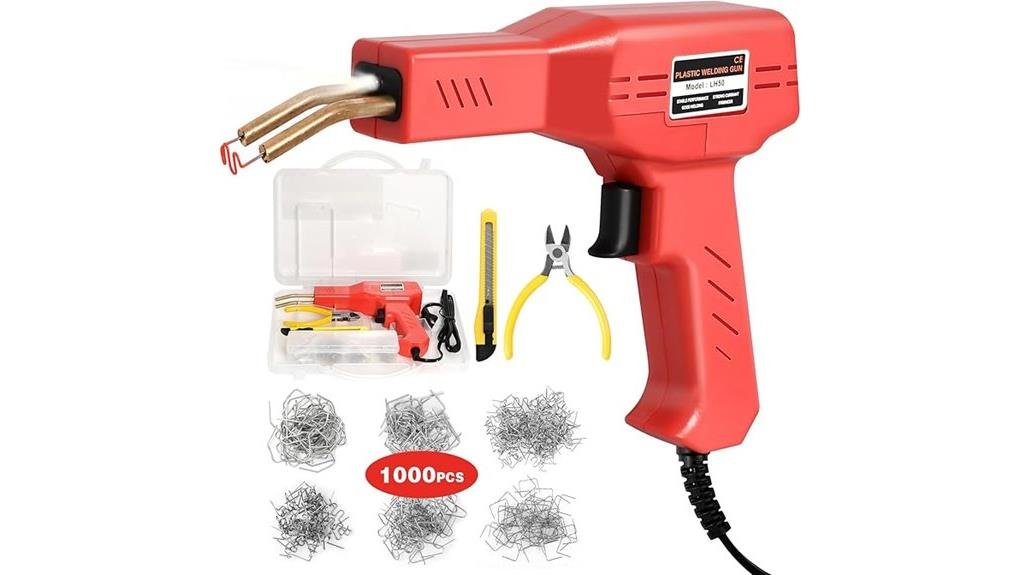
Cracked plastic parts can be frustrating because glue often fails when the part flexes, vibrates, or takes another hit. The ATOLS Plastic Welder Kit is made for reinforcing damaged plastic with heated stainless steel staples rather than relying on surface adhesive alone. This review helps you decide if its 1000-staple kit, rapid heating design, rubber handle, and front light make sense for your bumper, dashboard, lamp holder, spoiler, or other plastic repair job. It is a strong option for many DIY repairs, but it is not the right tool for every plastic type, cosmetic finish, or safety-critical part.
Quick Verdict
Rating: 8.2/10, recommended with caveats
Best For: DIY plastic crack reinforcement on bumpers, dashboards, trim pieces, lamp holders, and similar repairable plastic parts.
Bottom Line: The ATOLS Plastic Welder Kit gives you a broad staple supply, fast heating, and useful visibility for hands-on plastic repairs. The tradeoff is that you still need correct staple selection, careful heat control, and good finishing work for clean, safe results.
| Specification | Detail |
|---|---|
| Brand | ATOLS |
| Product type | Plastic welder kit / hot stapler repair kit |
| Amazon listing identifier | ASIN B091T368MK |
| Staple count | 1000 stainless steel staples |
| Staple types | Six types, including flat and wave-style staples |
| Staple sizes | 0.6mm to 0.8mm |
| Heating claim | Designed to melt staples into plastic in about 1 to 2 seconds |
| Compatibility claim | Listed as suitable for 98% of plastics |
| Design details | Rubber handle and built-in front light |
| Best use | Reinforcing cracks in bumpers, dashboards, spoilers, lamp holders, and similar plastic parts |
| Safety note | Use eye protection, work with ventilation, keep the heated tip away from skin, and avoid safety-critical repairs unless you know the part is suitable. |
Key Takeaways
- The ATOLS Plastic Welder Kit uses heated stainless steel staples to reinforce cracked plastic from the inside of the repair area.
- The kit includes 1000 staples in six types, with 0.6mm to 0.8mm sizes for different crack shapes and plastic thicknesses.
- Its listed compatibility claim covers 98% of plastics, but you should still test the material and avoid repairs on parts that must hold pressure, heat, or structural loads.
- The rubber handle can help with control during longer repair sessions, while the built-in front light improves visibility near the crack.
- It is best for practical reinforcement, not for a finished cosmetic surface by itself. You may still need trimming, sanding, filler, or paint after stapling.
What Is the ATOLS Plastic Welder Kit?
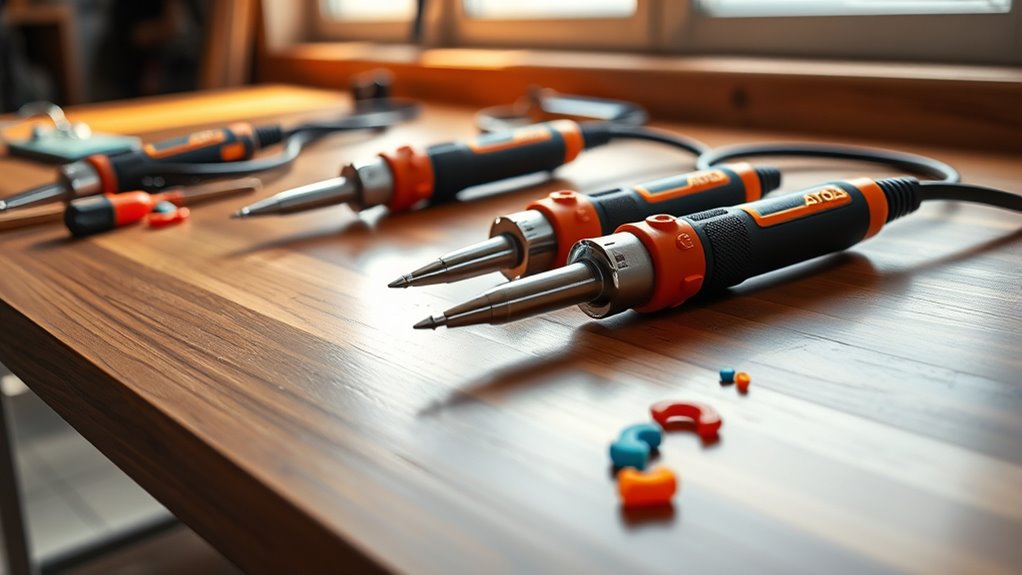
The ATOLS Plastic Welder Kit is a hot stapler-style repair tool for cracked plastic parts. Instead of bonding only the surface, it heats metal staples so they can sink into the plastic and bridge the damaged area. Once cooled, the embedded staple acts like reinforcement across the crack.
The kit is aimed at users who want to repair common plastic parts such as automotive bumpers, dashboards, spoilers, lamp holders, and other household or shop plastics. The included 1000 stainless steel staples give you enough hardware for many small repairs, test pieces, and different crack patterns.
The main selling point is speed and simplicity. The article-supported claim says the staples can heat and melt into plastic in about 1 to 2 seconds. That can make repairs faster than shaping a patch or waiting for adhesive to cure, but the result still depends on plastic type, staple placement, and your control of heat.
Before You Buy: This type of kit is best for reinforcing cracks in repairable plastic. Do not treat it as a guaranteed fix for pressurized parts, high-heat parts, load-bearing safety parts, fuel-contact parts, or electrical parts unless the manufacturer instructions and a qualified repair method support that use.
Who Should Buy It?
Best For
- DIY users repairing cracked bumper covers, trim panels, dashboards, spoilers, or lamp holders.
- Garage owners who want a hot stapler kit with a large 1000-staple supply for repeated plastic repairs.
- Buyers who want better crack reinforcement than glue alone can usually provide on flexible plastic parts.
Skip If
- You need an invisible repair without sanding, trimming, filler, or paint work after the staple is installed.
- You are repairing a critical part that must hold pressure, carry load, resist high heat, or protect safety systems.
- You do not want to handle a heated tool or practice on scrap plastic before touching the final part.
Key Features and Functionality
Rapid Staple Heating
The kit is built around rapid heating technology, with the article-supported claim that staples can melt into plastic in about 1 to 2 seconds. That short heat-up time helps when you need to place several staples along a long crack or across multiple broken tabs.
Fast heating is useful, but it also means you need a steady hand. Holding the staple too long in one spot can over-melt the surface, deform thin plastic, or leave more finishing work behind. The best results usually come from short contact, even pressure, and spacing the staples so they reinforce without crowding the crack.
Six Staple Types for Different Crack Shapes
The ATOLS kit includes six staple types, including flat and wave-style staples. Flat staples are useful for straighter crack sections, while wave-style staples can help follow uneven or curved breaks. The 0.6mm to 0.8mm staple range gives you options for thinner plastic pieces and stronger reinforcement areas.
The large 1000-staple count is one of the stronger practical points of the kit. You can practice on scrap plastic first, choose the right shape before the final repair, and still have plenty of staples left for future repairs.
Rubber Handle and Built-In Front Light
The rubber handle is designed to improve grip and reduce hand fatigue during longer repair work. That matters because plastic welding is controlled work, not a force-based repair. You need enough grip to hold the tool steady while keeping the staple aligned with the crack.
The built-in front light is also useful in garages, under bumpers, inside trim cavities, or near dark plastic parts where crack lines can be hard to see. Better visibility helps you place staples more accurately and avoid pushing into the wrong area.
Fit, Materials, and Compatibility
The article lists the kit as compatible with 98% of plastics and gives examples such as ABS, PVC, polypropylene, nylon, and polycarbonate. That broad compatibility is helpful for automotive and household repairs, but plastic type still matters. Some plastics soften and accept staples more easily than others, while very brittle, contaminated, or heat-sensitive plastic may not repair cleanly.
Before you work on a visible or expensive part, test a hidden area or a scrap piece of similar plastic. You want the staple to sink in cleanly without burning, bubbling, or pushing through the front face. For thin plastic, start with a lighter staple and use less pressure.
Applications and Benefits of the Kit
The ATOLS Plastic Welder Kit makes the most sense when a broken part still fits together and needs reinforcement across a crack. It can help restore strength against vibration, twisting, and light impact when the staple is placed correctly. It is less useful when plastic is missing, severely warped, contaminated with oil, or broken in an area that needs a certified repair.
| Application | Article-Supported Material Examples | Best Use |
|---|---|---|
| Bumpers | ABS, PVC | Reinforcing cracks, splits, and tabs before cosmetic finishing. |
| Dashboard and trim pieces | Common automotive plastics | Backing up cracked interior plastic where the rear side is reachable. |
| Lamp holders and tabs | Polycarbonate and similar plastics | Stabilizing broken tabs or mounting points when heat will not damage nearby parts. |
| Spoilers and panels | Polycarbonate | Adding internal reinforcement along cracks before surface repair. |
| Radiator-related plastic | Polypropylene, nylon | Use caution. Do not rely on hot staples alone for pressurized coolant leaks or high-heat failures. |
How It Performs in Real Use
For Bumper Cracks and Broken Tabs
On bumper covers and plastic tabs, the ATOLS kit can help hold the cracked area together from behind. Staples work best when you can access the back side of the part and place several staples across the crack at even intervals. You may still need trimming, sanding, filler, primer, or paint if the front side needs to look clean.
For Dashboard and Interior Trim Repairs
Interior plastic often cracks near mounting points, screw tabs, or thin edges. The rubber handle and front light can help you work in tighter spaces where placement matters. Use gentle pressure on thin trim so the staple does not push through the visible side.
For Lamp Holders and Plastic Mounts
Lamp holders, headlight tabs, and small mounts can benefit from reinforcement when the plastic is still mostly intact. This is a good use case for selecting a staple shape that matches the crack path. Keep the heated staple away from wiring, lenses, seals, and heat-sensitive parts.
For Home, Shop, and Outdoor Plastic Items
The kit can also help with repairable plastic housings, bins, panels, and non-critical plastic items around a garage or home. For items used outside, the staple can reinforce the break, but the surface may still need sealing or finishing if water, dirt, or UV exposure can weaken the repair area over time.
How to Use It Correctly
Start by cleaning the damaged plastic so dust, grease, and loose fragments do not interfere with the repair. Align the broken edges as closely as possible before inserting staples. Choose a staple shape based on the crack path, then press the heated staple into the plastic until it sits below the surface enough to reinforce the break.
After the plastic cools, trim the exposed staple legs if needed and smooth the area based on the finish you want. For a hidden repair, reinforcement may be enough. For a visible automotive part, you may need surface prep, filler, sanding, and paint to make the repair look finished.
Pro Tip: Practice on scrap plastic before repairing the final part. Test the staple size, heat time, and pressure so you can learn how quickly that plastic softens.
Safety and Workmanship Notes
A plastic welder uses heat, so treat it like a shop tool, not a basic hand tool. Wear safety goggles, keep your fingers away from the heated staple, and let the tip cool before storing it. Work in a ventilated area, especially when heating unknown plastic, painted parts, or older materials.
Do not use this kit as the only repair for safety-critical parts, fuel-contact parts, pressurized tanks, pressure-bearing radiator leaks, airbag areas, seat belt mounting areas, or structural components. If the part affects safety, steering, braking, crash protection, or fluid containment, get professional guidance or replace the part.
Pros and Cons
Pros
- Includes 1000 stainless steel staples, which is useful for practice, repeat repairs, and long cracks.
- Six staple types give you more flexibility for straight, curved, and uneven crack patterns.
- 0.6mm to 0.8mm staple sizing supports different plastic thicknesses and repair needs.
- Fast 1 to 2 second heating claim can save time when placing multiple staples.
- Rubber handle and built-in front light improve grip and visibility during detailed repair work.
Cons
- Not a complete cosmetic repair system by itself, so visible parts may still need finishing work.
- Requires correct heat control and staple placement to avoid melting through thin plastic.
- Not suitable for every plastic, pressure-bearing part, high-heat part, or safety-critical repair.
Is It Worth the Price?
The ATOLS Plastic Welder Kit looks like a strong value for the price if you often repair plastic parts and want a large staple supply in one kit. The 1000 included staples are a major value point because you can practice, make mistakes, and still have enough staples for real repairs.
It is worth considering if you need a practical repair tool for automotive plastics, shop plastics, and common household plastic cracks. It is not the best fit if you only need one small cosmetic fix, do not want to learn heat control, or need a certified repair on a safety-critical part.
How It Compares to Alternatives
Compared with two-part plastic epoxy, the ATOLS kit focuses more on mechanical reinforcement across the crack. Epoxy can be easier for simple surface repairs, but staples can add strength where plastic flexes or vibrates.
Compared with a hot-air plastic welder, this hot stapler-style kit may be easier for beginners because you are placing staples rather than melting filler rod into a seam. A hot-air welder may be better for larger professional repairs, while replacing the plastic part is still the safer choice when the damage affects fit, pressure, heat resistance, or safety.
Frequently Asked Questions
Can the ATOLS Plastic Welder Kit repair flexible plastic?
Yes, it can help reinforce some flexible plastic parts when the material accepts heat and the staple is placed correctly. Flexible parts still need careful staple spacing because too much heat or pressure can distort thin plastic.
What plastics can this kit work on?
The article lists compatibility with 98% of plastics and gives examples such as ABS, PVC, polypropylene, nylon, and polycarbonate. You should still test the plastic first because heat response can vary by material, age, thickness, and surface condition.
Is it good for bumper repair?
Yes, bumper covers are one of the better use cases when the crack is reachable from behind and the plastic still aligns. The staples can reinforce the crack, but visible bumper repairs may still need sanding, filler, primer, and paint.
How many staples come with the kit?
The kit includes 1000 stainless steel staples. The article lists six staple types with sizes from 0.6mm to 0.8mm, which gives you options for different crack shapes and plastic thicknesses.
Can it repair radiator plastic?
The article lists radiator-related plastic examples, but you should be cautious. Do not rely on a hot stapler alone for pressurized coolant leaks, high-heat failures, or parts where a failed repair could cause damage or safety problems.
Do you still need glue, filler, or paint after using it?
For hidden repairs, the staple reinforcement may be the main repair step. For visible parts, you may still need trimming, sanding, filler, or paint because the staples reinforce the crack but do not automatically restore the surface finish.
What safety steps should you follow?
Wear safety goggles, work in a ventilated area, and keep the heated staple and tip away from skin. Let the tool cool before storage, and avoid heating unknown plastics where fumes, paint, or contamination may be a concern.
Who should skip this plastic welder kit?
Skip it if you need a certified repair, a fully invisible finish with no extra work, or a fix for pressure-bearing, high-heat, or safety-critical parts. It is also not ideal if you do not want to practice heat control before using it on the final piece.
The Bottom Line
The ATOLS Plastic Welder Kit is a smart buy for everyday plastic crack reinforcement if you want a hot stapler kit with 1000 stainless steel staples, multiple staple types, quick heating, a rubber handle, and a front light. It is best for DIY bumper, dashboard, trim, spoiler, and lamp holder repairs where you can access the crack and finish the surface afterward.
Skip it if the repair is safety-critical, pressure-bearing, high-heat, or expected to look perfect without sanding or refinishing. Overall, it earns a recommended-with-caveats verdict because it offers useful repair strength and versatility, but only when used on the right plastic in the right situation.