Disclosure: As an Amazon Associate, we earn from qualifying purchases. If you click a link on this page and make a purchase, we may receive a small commission at no extra cost to you.
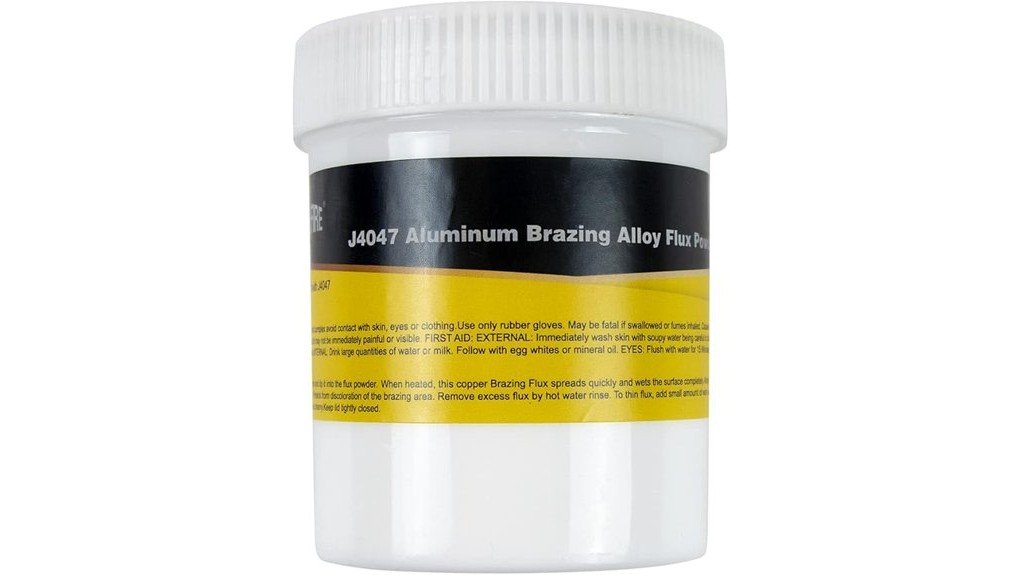
Aluminum brazing can fail fast when the joint surface is oily, oxidized, or paired with the wrong filler alloy. The BlueFire Aluminum Silicon Brazing Flux Powder is made for aluminum-silicon brazing work with ER4047 and ER4043 alloys, and it is designed to activate between 842-1148℉. This review helps you decide whether it fits your welding or brazing setup, how to use it more carefully, and where its limits matter. It looks like a practical choice for aluminum work, but you should skip it if you need a verified flux for non-aluminum metals or code-sensitive professional jobs without checking the product label first.
Quick Verdict
Rating: 8/10, Recommended with caveats
Best For: DIY welders, repair users, and shop buyers working with ER4047 or ER4043 aluminum-silicon filler alloys.
Bottom Line: BlueFire Aluminum Silicon Brazing Flux Powder is useful when you need better wetting, oxide removal, and filler flow on compatible aluminum work. The main tradeoff is that its suitability depends on the base metal, filler alloy, heat control, and safety handling.
| Specification | Detail |
|---|---|
| Brand | BlueFire |
| Product type | Aluminum silicon brazing flux powder |
| Compatible filler alloys | ER4047 and ER4043, based on the source article |
| Activation range | 842-1148℉, based on the source article |
| Main function | Helps remove oxides and oils, improve fluidity, and support better wetting during brazing |
| Best use | Aluminum brazing tasks where the filler alloy and base material are compatible |
| Storage note | Store sealed in a cool, dry place to reduce moisture exposure |
| Safety note | Use gloves, eye protection, ventilation, and the product label or SDS for handling guidance |
What Is the BlueFire Aluminum Silicon Brazing Flux Powder?
The BlueFire Aluminum Silicon Brazing Flux Powder is a powdered flux for aluminum brazing work. Its role is to help prepare the joint area during heating so the filler alloy can wet the surface more effectively.
The product is positioned for use with ER4047 and ER4043 aluminum-silicon filler alloys. That compatibility detail matters because flux selection should match both the base metal and the filler metal, not just the heat source.
This is not a general-purpose welding additive for every metal. You get the most value from it when your project already calls for aluminum-silicon brazing and you can control heat, surface prep, and cleanup.
Before You Buy: Match the flux to your base metal and filler alloy before ordering. This article supports use with ER4047 and ER4043 aluminum-silicon alloys, but it does not verify broad compatibility with steel, copper, stainless steel, or every HVAC repair.
Who Should Buy It?
Best For
- Users brazing compatible aluminum parts with ER4047 or ER4043 filler alloys.
- DIY repair work where oxide removal, wetting, and filler flow are common pain points.
- Shop users who want a powdered flux format for controlled application on prepared surfaces.
Skip If
- You need a flux verified for non-aluminum metals or a different filler alloy.
- Your project requires certified procedure approval, code compliance, or manufacturer-specific repair materials.
- You cannot use proper ventilation, eye protection, gloves, and residue cleanup steps.
Formulation and Activation of BlueFire Flux Powder
The key claim for this BlueFire flux is its activation range of 842-1148℉. In practical terms, that means you need enough heat for the flux to become active, but you still need to avoid overheating the workpiece or burning away control at the joint.
The powder is intended to support ER4047 and ER4043 filler alloys, both commonly associated with aluminum-silicon brazing and welding applications. When the filler and flux are compatible, the flux can help reduce surface barriers that keep molten filler from spreading across the joint.
Use this activation range as a starting point, not as a replacement for your filler alloy instructions. Torch size, part thickness, joint design, and base metal condition can all change how quickly the joint reaches working temperature.
Performance Features and Benefits
Oxide and Oil Removal
Aluminum forms surface oxides quickly, and those oxides can interfere with wetting during brazing. This flux is described as helping remove oxides and oils so the filler material has a cleaner path into the joint.
That does not mean you should skip mechanical cleaning. You should still remove loose dirt, heavy grease, paint, coatings, and contamination before applying flux, because flux works best on a properly prepared surface.
Fluidity and Wettability
The source article states that BlueFire flux improves fluidity and wettability. That matters because poor wetting can leave filler sitting on the surface instead of flowing into the area you need to bond.
Better wetting can make small aluminum brazing repairs easier to control. The limit is technique: if the joint is too dirty, too cold, too hot, or poorly fitted, flux alone will not fix the problem.
Surface Tension and Brazing Area
The product is also described as reducing surface tension and expanding the brazing area. For you, that may mean smoother filler spread across the prepared joint when heat and alloy choice are correct.
This benefit is most useful on joints where the filler needs to flow evenly. For thick, dirty, or poorly matched parts, you may still need better fit-up, stronger cleaning, or a different joining method.
How It Performs in Real Use
For Small Aluminum Repairs
For small aluminum repairs, this flux makes the most sense when you need to improve filler flow around a clean joint. Apply a controlled amount to the prepared area and heat the work evenly so the flux can activate before the filler is expected to flow.
For Workshop Brazing Tasks
In a shop setting, the powder format gives you control over where the flux goes. That helps when you want the active material near the joint instead of spread across areas that do not need filler.
For HVAC-Related Aluminum Work
The original article mentions HVAC use, but you should treat that carefully. Use it only on compatible aluminum-based work where the repair procedure, filler alloy, and safety requirements support this type of flux.
For Practice and Skill Building
This product can be helpful for learning how surface prep, heat control, and filler flow affect aluminum brazing. Practice on scrap material first, because the same flux can perform very differently when the joint gap, heat angle, or cleaning step changes.
How to Use It Correctly
Start by cleaning the aluminum surface so the flux is not forced to fight heavy contamination. Remove oil, dirt, coatings, and loose oxidation before applying the powder to the joint area.
Apply the flux evenly, then bring the work up to the proper temperature for the filler alloy and the flux activation range. Avoid using more powder than needed, because extra residue can make cleanup harder and may interfere with inspection.
After brazing, let the part cool safely and clean remaining residue according to the product label, SDS, or your shop procedure. Flux residue can be corrosive or difficult to remove, so do not ignore cleanup on parts that need durability or a clean finish.
Pro Tip: Test the flux and filler on scrap aluminum before using it on the final part. This helps you dial in cleaning, powder amount, heat control, and filler flow without risking the real repair.
Compatibility and Safety
The most important compatibility point is simple: this flux is presented for ER4047 and ER4043 aluminum-silicon alloys. Do not assume it is right for every aluminum grade, every brazing rod, or every non-aluminum metal without checking the current product label.
Use sensible shop protection when working with flux powder and heated metal. Wear eye protection, gloves, and suitable clothing, and work with good ventilation to reduce exposure to fumes and airborne residue.
For HVAC, automotive, pressurized, structural, or safety-critical repairs, follow the equipment maker’s procedure or ask a qualified professional. A flux can help the brazing process, but it does not replace correct repair design or inspection.
Customer Support and Satisfaction
The source article says BlueFire backs the product with customer support and a professional engineering team. That is a useful claim for buyers who may need help with product use, but you should verify current support terms on the Amazon listing or brand materials before relying on it.
Support matters more with brazing flux than with many simple shop supplies. If your project involves an unfamiliar alloy, an HVAC component, or a high-value part, access to accurate guidance can help you avoid the wrong setup.
Pros and Cons
Pros
- Designed for ER4047 and ER4043 aluminum-silicon filler alloys.
- Activation range of 842-1148℉ is clearly stated in the source article.
- Helps address oxides and oils that can interfere with aluminum brazing.
- Supports better fluidity and wettability when the joint is cleaned and heated correctly.
- Powder format allows targeted application around the joint area.
Cons
- Not verified here as a universal flux for non-aluminum metals.
- Requires correct surface prep, heat control, and residue cleanup.
- Package size, SDS details, and current support terms should be checked on the live listing.
Is It Worth the Price?
BlueFire Aluminum Silicon Brazing Flux Powder is worth considering if you already work with ER4047 or ER4043 aluminum-silicon filler alloys and need help with wetting, oxide control, and filler flow. For that buyer, it can be a smart buy for everyday aluminum brazing practice and repairs.
The value is weaker if you need verified specs that are not present in the article, such as package weight, exact chemical composition, certification details, or a formal warranty. Check the current Amazon listing and product label before buying for professional or regulated work.
It is not the best fit if you want one flux for many different metals. A specialized aluminum brazing flux should be judged by compatibility first, then price.
How It Compares to Alternatives
Compared with general-purpose brazing fluxes, this BlueFire powder is more focused because the article ties it to ER4047 and ER4043 aluminum-silicon alloys. That focus is helpful when those are the alloys you use, but it also narrows the buyer fit.
If you want a flux paste, a rod with flux coating, or a manufacturer-specified HVAC repair material, compare those options before buying. The BlueFire powder makes the most sense when you prefer a separate powder flux and your job matches its aluminum-focused compatibility.
Frequently Asked Questions
Is BlueFire flux powder suitable for non-aluminum materials?
The source article supports this product mainly for aluminum-silicon brazing with ER4047 and ER4043 alloys. Do not treat it as a verified choice for steel, copper, stainless steel, or other non-aluminum metals unless the current label confirms that use.
What temperature range does this flux use?
The article states an activation range of 842-1148℉. You still need to follow the filler alloy instructions because the part size, joint design, and heat source can change how the joint behaves.
Can I use this flux powder for HVAC applications?
It may be suitable for some compatible aluminum-based HVAC work, but you should not assume it fits every HVAC repair. Check the equipment procedure, filler alloy, product label, and professional requirements before using it on pressurized or safety-critical parts.
How should I store BlueFire Aluminum Silicon Brazing Flux Powder?
Store it tightly sealed in a cool, dry place. Moisture can affect many powdered shop materials, so avoid leaving the container open on a damp bench or near water sources.
Do I still need to clean the aluminum before applying flux?
Yes. Flux can help with oxides and wetting, but heavy oil, paint, dirt, and coatings should be removed before use. Clean prep gives the flux and filler alloy a better chance to work correctly.
Are there safety precautions when using this product?
Wear gloves, eye protection, and suitable clothing, and use good ventilation while heating flux and metal. Follow the current product label or SDS for handling, cleanup, and disposal guidance.
What common mistake should I avoid with this flux?
The biggest mistake is expecting flux to fix the wrong filler alloy, poor joint fit, or dirty metal. Use the correct alloy, clean the surface, apply a controlled amount, and practice heat control on scrap first.
The Bottom Line
BlueFire Aluminum Silicon Brazing Flux Powder is a strong fit for buyers working with compatible aluminum-silicon brazing setups, especially ER4047 and ER4043 filler alloys. You should skip it if you need verified compatibility for other metals, formal repair approvals, or a product with complete specs listed directly in this article.
Its main strength is helping with oxide control, wetting, and filler flow, while its main limitation is that results depend heavily on compatibility, cleaning, heat control, and safe handling.