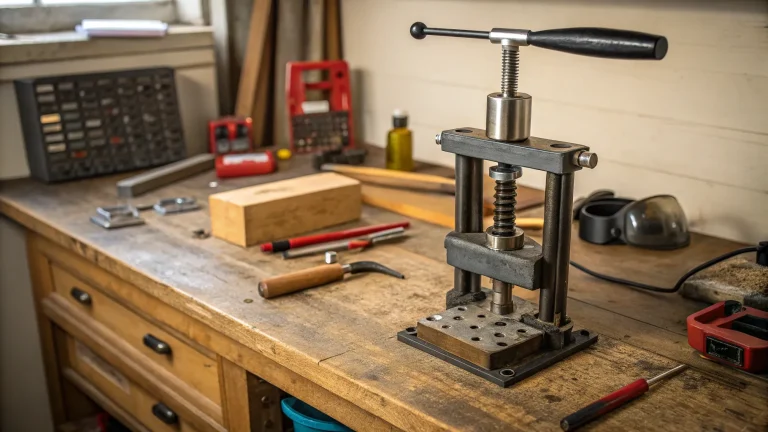
Building a compact, super-strong mini hydraulic press at home is easier than you think. In this guide I walk you through the materials, welding, assembly, testing, and safe operation. Whether you’re a beginner at welding or an experienced fabricator, this step-by-step plan will help you make a reliable press for small pressing, bending, and crushing jobs.
🛠️ Materials and Tools You Need
Gathering the right materials up front makes the build smooth and safe. Below is a practical list I used for my mini hydraulic press. Adjust sizes and thicknesses according to the capacity you want to achieve.
- Hydraulic jack — 2- to 6-ton bottle jack (the jack’s rated capacity determines the maximum available force).
- Steel frame material — square tubing or flat bar for side columns, base, and top beam.
- Press bed plate — thick steel plate for the working surface.
- Crossbar or guide rails — to keep the ram aligned under load.
- Welding equipment — MIG or stick welder suitable for your steel thickness.
- Fasteners and pins — high-strength bolts, retaining pins for the jack and guides.
- Cutting and prep tools — angle grinder, cutting disc, bench vise, measuring tools.
- Safety gear — welding helmet, gloves, eye protection, and hearing protection.
🔩 Design Overview and Key Decisions
Start by deciding the press travel and capacity. The bottle jack’s stroke sets how far the ram will travel, and its rated capacity sets the maximum force. In my design I prioritized rigidity and alignment over weight, because a stiff frame reduces bending and keeps the load centered on the jack.
Key design choices:
- Use two vertical columns for stability and to prevent the top beam from twisting.
- Weld a solid top beam with a central recess or bracket to hold the jack in place.
- Create a removable press bed so you can switch tooling or use the press for different jobs.
⚙️ Cutting, Fitting, and Welding Tips
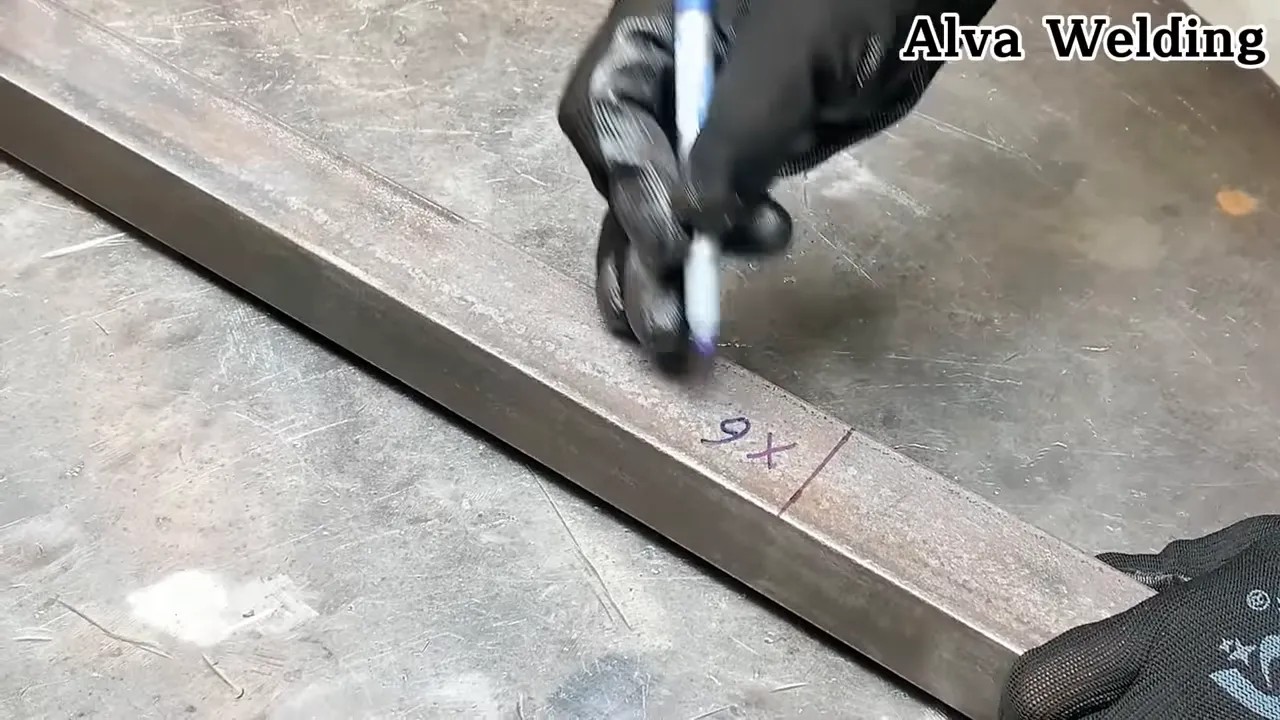
Shop prep and welding technique determine the strength of the press. Clean, square cuts and proper weld penetration make all the difference.
- Measure twice, cut once. Square, accurate cuts ensure a tight fit and better welds.
- Clean weld surfaces with a grinder to remove mill scale and paint before welding.
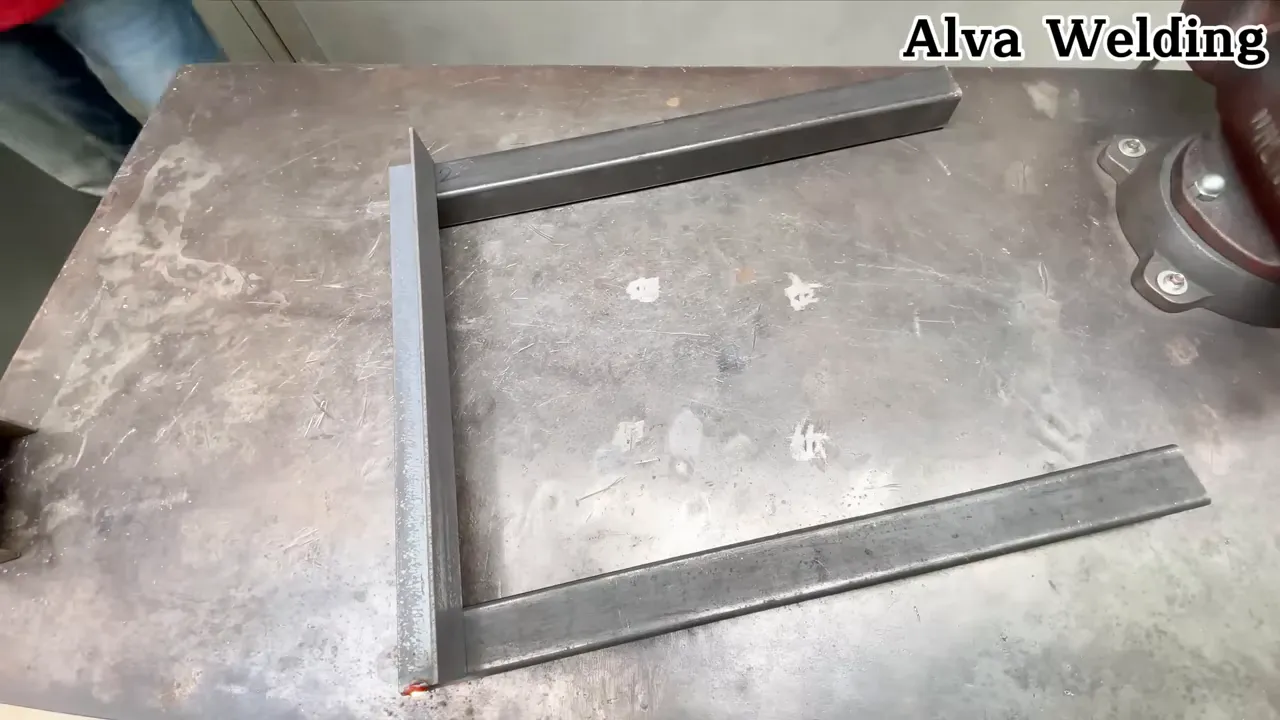
- Use tack welds to hold parts in place, check alignment, then finish with continuous welds.
- If welding thin sections to thicker sections, increase amperage/voltage as needed or run multiple passes to avoid burn-through and to achieve full penetration.
When welding the top beam and columns I used continuous fillet welds on the seams, and then reinforced critical load-bearing joints with additional passes. Good weld fusion is essential for a safe, durable press.
🧩 Assembly and Jack Mounting
Secure the hydraulic jack so it cannot slip or tilt under load. I fabricated a cradle in the top beam that the bottle jack sits in and added a retaining pin through a bracket to stop side-to-side movement.
Assembly steps:
- Weld the base plate and columns square and flat.
- Fit and weld the top beam, ensure it is perfectly parallel to the base.
- Mount the jack cradle and secure with bolts or welds sized for the expected shear load.
- Install the press bed; make it adjustable using slots or removable shims to change working height.
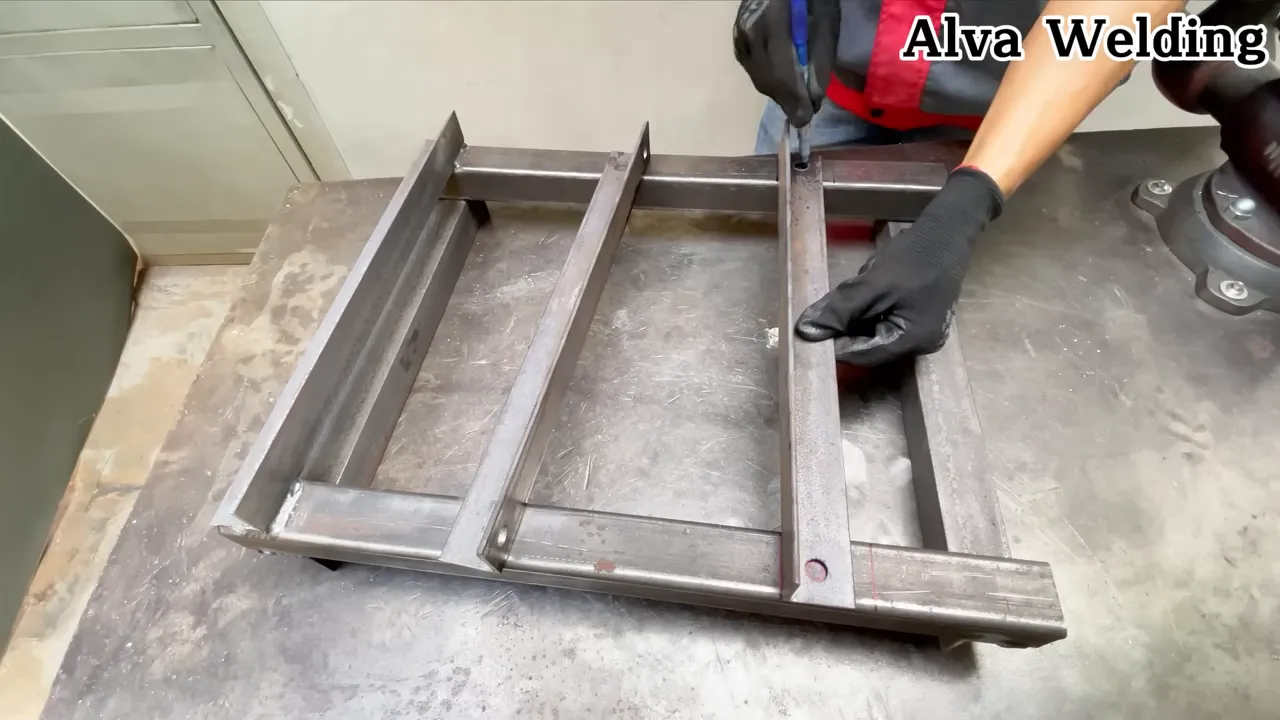
🔍 Alignment, Guides, and Reinforcement
To prevent the ram from walking under load, add guide posts or bushings. A simple pair of hardened guide rods through the crossbar keeps the ram centered and reduces wear on the jack.
- Drill bushings in the top beam and bed to accept guide rods.
- Use hardened pins or turned-down shafts to act as guides.
- Reinforce welds around the jack mounting area because this zone sees the highest stress.
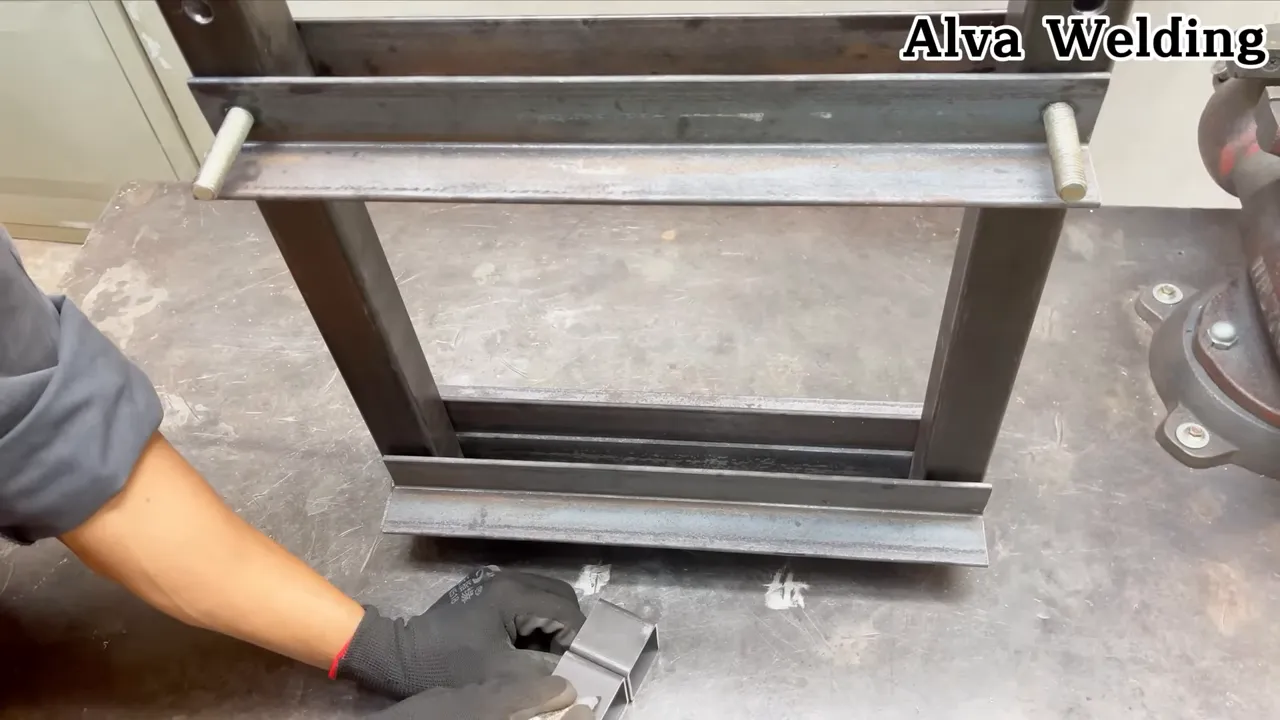
🧰 Safe Testing and Initial Use
After assembly, test the press incrementally and inspect for any movement or deformation before full load testing. I always start with light loads and slowly increase while watching for weld cracks or frame deflection.
Testing checklist:
- Visually inspect all welds and fasteners.
- Run the jack through full travel without load to check smooth operation.
- Apply small loads incrementally and check for unexpected movement.
- Listen and look for stress indicators: creaks, paint cracks, or hairline weld fractures.
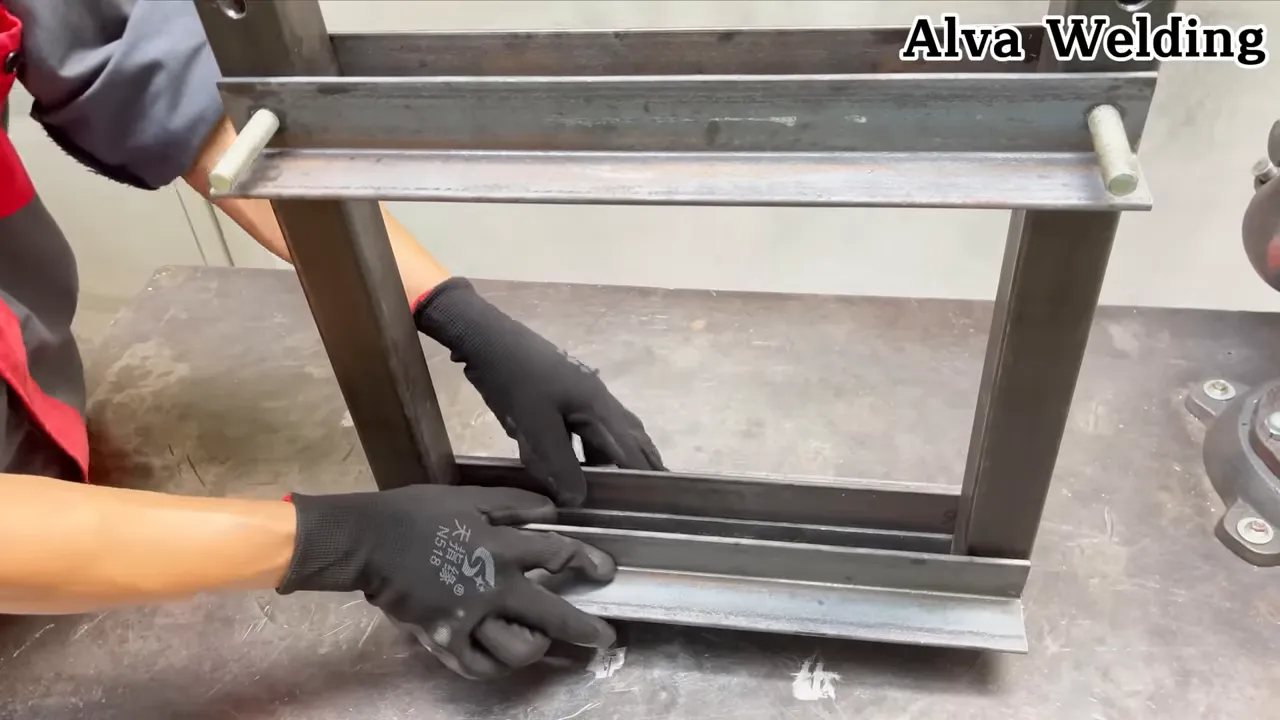
🛡️ Safety Best Practices
Never put any part of your body under a load held only by a hydraulic jack. Use mechanical safety blocks or stands to support the load after pressing if you need to work under it.
Other safety tips:
- Wear appropriate PPE when welding and during testing.
- Keep bystanders clear during full-load trials.
- Periodically inspect the press for fatigue and repair any compromised welds immediately.
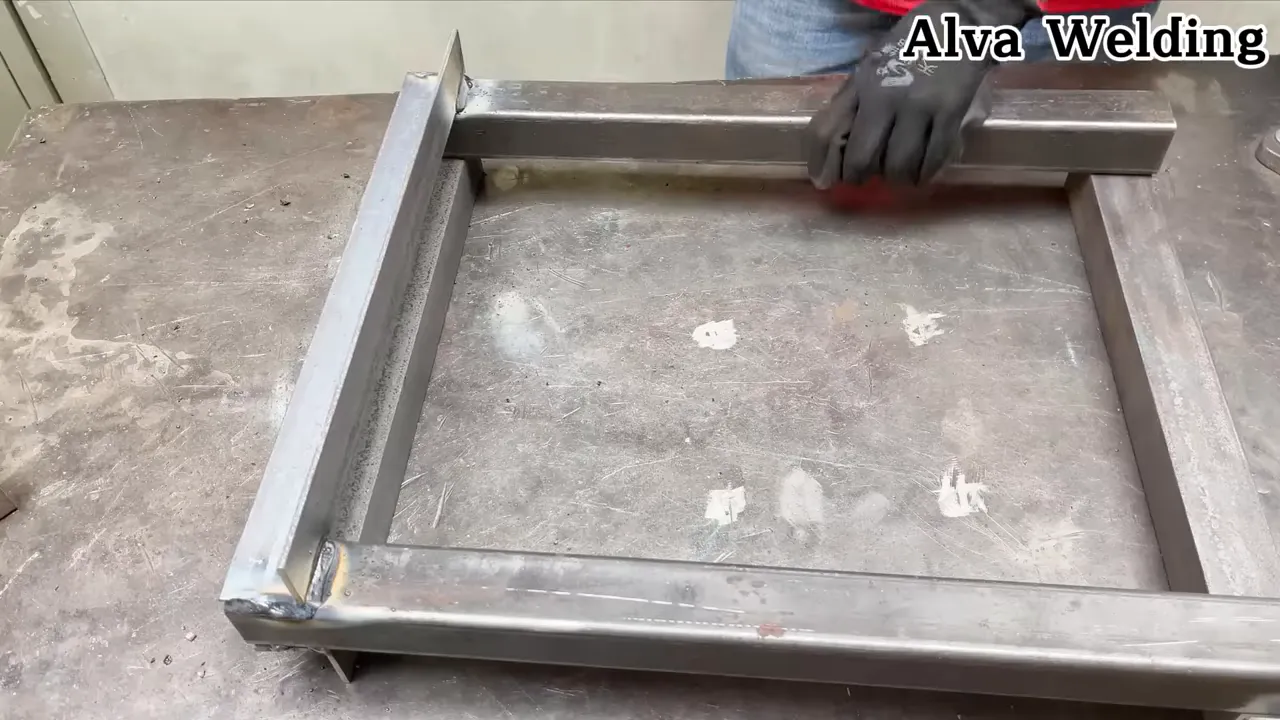
🧾 Maintenance and Upgrades
Regular maintenance keeps your press reliable. Keep welds clean, check bolts and pins, and periodically grease guide rods or bushings for smooth operation.
Upgrades you might consider later:
- Larger base plate for extra stability
- Stronger crossbar or thicker top beam for higher capacities
- Inline pressure gauge and needle valve for finer control
📌 Quick Build Summary
- Plan the press capacity and dimensions around the bottle jack you have.
- Cut and prep steel for a rigid base, columns, and top beam.
- Weld parts accurately, using tack welds first and finishing with full passes.
- Fabricate a secure cradle for the jack and add guide rods to prevent ram misalignment.
- Test gradually, follow safety best practices, and maintain the press over time.
I’m going to make a press that is compact, strong, and safe to use for everyday shop tasks.
❓ Frequently Asked Questions
What size bottle jack should I use for a mini press?
Choose a jack based on the maximum force you need and the stroke length desired. For light workshop tasks a 2- to 6-ton bottle jack is common. Higher tonnage gives more force but requires stronger frame construction.
How do I ensure the press frame is strong enough?
Use adequately thick steel for the top beam and columns, ensure full-penetration welds on load-bearing joints, and add reinforcements or gussets around the jack mount. Test incrementally and watch for any deformation under load.
Can I use this press for metal forming and cutting?
Yes. A well-built mini hydraulic press is suitable for pressing bearings, bending small metal parts, and crushing tasks. For cutting use proper dies and ensure the press has adequate clearance and alignment for the tooling.
📷 Build Gallery and Visual Notes
Throughout the build I documented critical steps to help you replicate the process. Refer to the images above for layout, welding, alignment, and testing references. Keep notes of measurements and weld locations for repeatability in future builds.
Final Thoughts
Making a super strong mini hydraulic press is a rewarding DIY project that levels up your shop capabilities. Focus on a rigid design, good welding practice, secure jack mounting, and safe testing. With those foundations you will have a reliable tool that surprises you with its performance.