Disclosure: As an Amazon Associate, we earn from qualifying purchases. If you click a link on this page and make a purchase, we may receive a small commission at no extra cost to you.
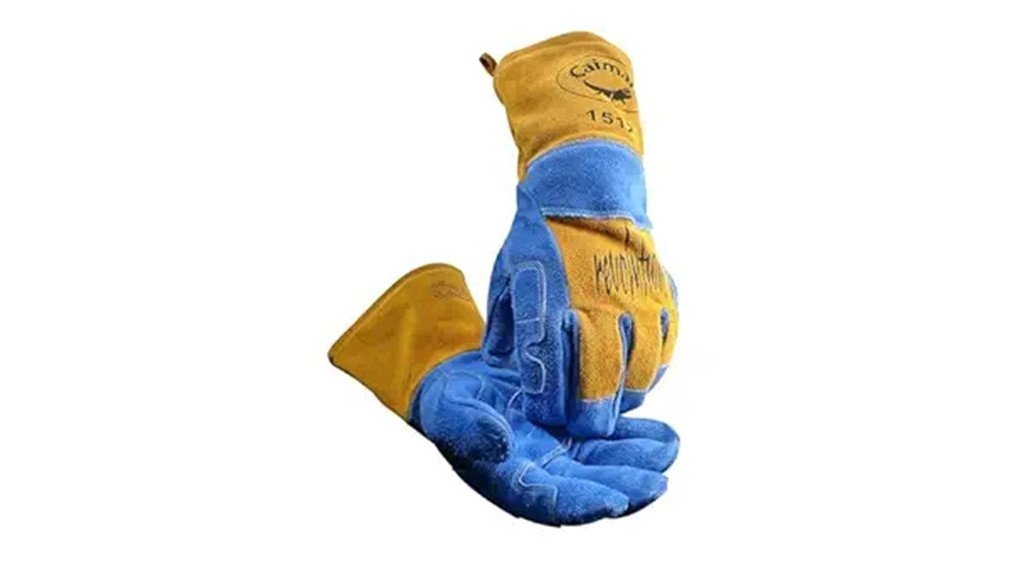
Welding gloves need to do more than block sparks. You also need enough comfort, insulation, and finger control to work through long MIG, stick, or fabrication sessions without fighting the glove. The Caiman Premium Split Cowhide Gloves aim for that balance with split cowhide leather, reinforced Kevlar seams, wool lining, and an ergonomic Kontour design. This review explains where they make sense, what details matter before you buy, and where a different glove may be the better choice.
Quick Verdict
Rating: 8.2/10
Best For: welders who want heat protection, leather durability, and a warmer lined glove for MIG, stick, and general fabrication work.
Bottom Line: The Caiman Premium Split Cowhide Gloves are worth considering if you want a protective leather welding glove with Kevlar-reinforced seams and wool lining. They are not the best fit if you need maximum fingertip feel for fine TIG work or a thin, unlined glove for hot-weather use.
| Specification | Detail |
|---|---|
| Brand | Caiman |
| Product type | Welding gloves |
| Material | Premium split cowhide leather |
| Seam construction | Reinforced Kevlar seams |
| Lining | Wool lining for insulation |
| Design | Ergonomic Kontour-style fit |
| Heat protection note | Article lists ANSI Contact Heat Level 3, up to 392 degrees F |
| Best use | MIG welding, stick welding, general fabrication, and spark-heavy shop tasks |
| Care note | Hand clean gently, air dry, and condition leather when needed. Do not machine wash. |
What Is the Caiman Premium Split Cowhide Glove?
The Caiman Premium Split Cowhide Glove is a leather welding glove made for heat, sparks, abrasion, and repeated shop use. Its main construction features are split cowhide leather, reinforced Kevlar seams, wool lining, and a shaped fit that follows the hand more naturally than a flat, bulky glove.
This glove is best understood as a protective work glove for welding and fabrication, not a thin precision glove. The wool lining helps with insulation, while the Kevlar seam reinforcement supports durability in the areas that often fail first on lower-grade welding gloves.
The tradeoff is feel. A lined cowhide glove can protect well, but it may not give you the same fingertip control as a thinner TIG glove. That matters if your work involves small filler rods, tiny parts, or very detailed hand positioning.
Who Should Buy It?
Best For
- MIG and stick welders who need a lined leather glove for sparks and heat.
- Fabricators who want split cowhide and reinforced Kevlar seams for repeated shop use.
- Workers who prefer warmer gloves for outdoor, garage, or cooler-weather welding tasks.
Skip If
- You need a thin TIG glove with maximum fingertip feel and rod control.
- You dislike lined gloves because they feel warm during summer shop work.
- You need waterproof gloves. The article supports heat and spark protection, not waterproof performance.
Before You Buy: Confirm the size selector, cuff length, and current product details on Amazon before ordering. The source article does not verify exact size options, dimensions, or package quantity, so avoid assuming a specific fit or bundle.
Key Takeaways
- The Caiman Premium Split Cowhide Gloves use split cowhide leather for abrasion resistance and shop durability.
- Reinforced Kevlar seams help strengthen high-stress stitch areas during welding and fabrication tasks.
- The wool lining adds warmth and insulation, which can help during longer sessions or cooler work conditions.
- The article lists ANSI Contact Heat Level 3 protection, with contact heat resistance up to 392 degrees F.
- The ergonomic Kontour-style design helps the glove follow your hand shape for a more natural fit.
Material and Construction Quality
The main material here is premium split cowhide leather. Split cowhide is commonly used in welding gloves because it gives you a tough outer surface that can handle abrasion, sparks, and everyday contact with rough metal.
The reinforced Kevlar seams are the most important construction detail. Seams can wear quickly when you drag gloves across metal edges, hold hot workpieces, or repeat the same grip all day. Kevlar-reinforced stitching helps the gloves hold up better in those stress points.
The leather build also gives the glove structure. That can help when you are moving plate, working around spatter, or handling fabrication parts, but it may feel less flexible than a thinner, unlined glove during detailed tasks.
Insulation and Comfort Features
The wool lining gives these gloves their warmer, more insulated feel. That helps when your hands need protection from contact heat, sparks, and cooler shop conditions. It can also make longer sessions more comfortable because your hand is not pressed directly against the leather shell.
Comfort depends on fit as much as lining. The ergonomic Kontour design is meant to follow the natural shape of your hand, which can reduce the stiff, boxy feeling that some heavy welding gloves have. A better hand shape can also make gripping tools, clamps, and workpieces feel more secure.
The main limitation is heat buildup. If you weld in a hot shop or prefer a lighter glove, the wool lining may feel too warm. For summer work or fine-control welding, a thinner glove may feel better.
Pro Tip: Try the gloves with the same welding jacket or sleeves you use most often. A good glove fit should protect your wrist area without bunching, slipping, or making your torch hand feel cramped.
Protection Standards and Target Applications
The article lists these gloves with ANSI Contact Heat Level 3, with protection up to 392 degrees F. That makes them better suited for welding and fabrication tasks than light-duty utility gloves.
For MIG welding, the leather shell and lining help protect your hands from spatter and radiant heat near the weld area. For stick welding, the reinforced seams and heavier build make sense because the process can produce more sparks and slag than many light shop tasks.
These gloves also fit general fabrication work where you handle metal, grind parts, tack pieces, or move warm material. They are not a substitute for proper welding technique, sleeves, face protection, or safe handling practices.
Material Safety and Comfort
Because welding gloves sit directly against your skin, comfort and material condition matter. Leather can become stiff, cracked, or uncomfortable if it gets soaked, dried with high heat, or stored in a dirty, damp area.
Check the gloves before each use for open seams, worn fingertips, holes, or hardened leather. A damaged glove can reduce protection and may let heat, sparks, or sharp edges reach your hand.
Also remember that lined leather gloves protect only the covered area. Pair them with the right jacket, sleeves, face shield, helmet, and other PPE for the job you are doing.
How It Performs in Real Use
For MIG Welding
During MIG welding, you need a glove that can handle spatter while still letting you guide the torch. The split cowhide and wool lining support heat protection, while the shaped design helps reduce the bulky feel that can make torch control harder.
For Stick Welding
Stick welding often creates sparks, slag, and more heat exposure near your hand. The heavier leather build and Kevlar-reinforced seams make these gloves a practical match for that style of work, especially when you need more coverage than a light-duty glove offers.
For General Fabrication
For fabrication, these gloves can help when you handle metal stock, reposition parts, clamp workpieces, or move warm material. The cowhide shell gives you abrasion resistance, but you should still avoid using any leather welding glove as a cut-proof glove unless the product label confirms that rating.
For Outdoor or Cooler Shop Work
The wool lining is useful when you weld in a garage, unheated workspace, or cooler outdoor setting. In wet weather, do not treat these as waterproof gloves unless the current product listing confirms that protection.
Fit Tips Before You Buy
Start with the size chart or size selector on the product page. Welding gloves should feel secure without cutting off movement, and your fingertips should sit close enough to the glove ends for safe tool control.
Check wrist and cuff coverage before your first weld. The glove should work with your sleeves or jacket so sparks cannot easily fall into gaps at the wrist. If the glove feels too tight with your usual welding sleeve, consider a different size or style.
Break-in also matters with cowhide. A leather glove may feel stiff at first, then soften with normal use. Do not force the break-in with water, a dryer, or direct heat because that can damage the leather and lining.
Cleaning and Care
Machine washing is not recommended for these gloves. Water, detergent, and machine agitation can make leather stiff, shrink the lining, or weaken the glove structure.
For routine care, wipe off dust and debris with a damp cloth, then let the gloves air dry at room temperature. Use a leather conditioner only when appropriate for work gloves, and avoid oily products that could create safety issues around sparks or hot metal.
Store the gloves in a dry place away from direct heat. Do not leave them under heavy tools or wet gear, because crushed or damp leather can lose flexibility faster.
Pros and Cons
Pros
- Split cowhide leather supports durability for welding and fabrication work.
- Kevlar-reinforced seams add strength in high-wear stitch areas.
- Wool lining improves insulation and comfort in cooler work conditions.
- Kontour-style ergonomic shape helps reduce the stiff feel of heavy gloves.
- Useful for MIG, stick, and general shop tasks where sparks and heat are common.
Cons
- Wool lining may feel too warm for hot shops or summer use.
- Not ideal for fine TIG work that needs maximum fingertip sensitivity.
- Exact size options, dimensions, and package quantity should be confirmed on the current listing.
Is It Worth the Price?
The Caiman Premium Split Cowhide Gloves fit best in the mid-range to premium work-glove category because they combine leather construction, reinforced Kevlar seams, wool lining, and an ergonomic fit. That mix gives you more buyer value than a basic unlined leather glove if you weld often.
They are worth considering if you need heat protection and durability more than thin-glove dexterity. MIG welders, stick welders, and fabrication workers will likely get the most value from the protective build.
They are not the best fit if you only need cheap backup gloves or a lightweight pair for quick, low-heat tasks. In that case, a simpler leather utility glove or a thinner welding glove may make more sense.
How It Compares to Alternatives
Compared with thin TIG-style gloves, the Caiman Premium Split Cowhide Gloves put more emphasis on heat insulation and durability. That makes them more practical for MIG and stick welding, but less ideal for tiny parts or filler-rod precision.
Compared with extra-heavy aluminized or high-heat specialty gloves, these are more general-purpose. They make the most sense if you want one protective leather glove for common welding and fabrication tasks, not a specialty glove for extreme heat exposure.
Frequently Asked Questions
Are Caiman Premium Split Cowhide Gloves good for MIG welding?
Yes, they are a practical match for MIG welding because the article supports split cowhide leather, wool lining, and Kevlar-reinforced seams. Those details help with spatter, heat, and repeated shop handling.
Can you use these gloves for stick welding?
Yes, the heavier leather build and reinforced seams make sense for stick welding. Stick work can create sparks and slag, so a lined leather glove is usually a better fit than a thin utility glove.
Are these gloves good for TIG welding?
They may work for some TIG tasks, but they are not the best choice if you need maximum fingertip sensitivity. A thinner TIG glove is usually better for small filler rods, fine control, and detailed hand movement.
What sizes are available?
The source article does not verify exact size options. Check the current Amazon size selector or product details before ordering, especially if you need a tight fit for torch control.
Can you machine wash these gloves?
No. Machine washing can damage leather, affect the lining, and reduce glove flexibility. Wipe them with a damp cloth, air dry them away from high heat, and condition the leather only with a suitable product.
Are they suitable for outdoor welding?
They can make sense for outdoor or cooler garage work because the wool lining adds warmth. Do not treat them as waterproof gloves unless the current listing confirms that feature.
How do you know when welding gloves should be replaced?
Replace them when you see holes, open seams, badly worn fingertips, stiff cracked leather, or heat damage. Welding gloves should protect your hands without exposed weak spots.
What is the warranty period?
The source article does not verify a specific warranty period. Check the current Amazon listing or manufacturer information for warranty terms before you buy.
The Bottom Line
The Caiman Premium Split Cowhide Gloves are recommended with caveats for welders who want lined cowhide protection, reinforced Kevlar seams, and a more ergonomic hand shape for MIG, stick, and fabrication work. Skip them if you need a thin, highly flexible TIG glove or a waterproof outdoor work glove. Their main strength is durable heat-focused construction, while the main tradeoff is reduced fingertip sensitivity compared with lighter gloves.