Disclosure: As an Amazon Associate, we earn from qualifying purchases. If you click a link on this page and make a purchase, we may receive a small commission at no extra cost to you.
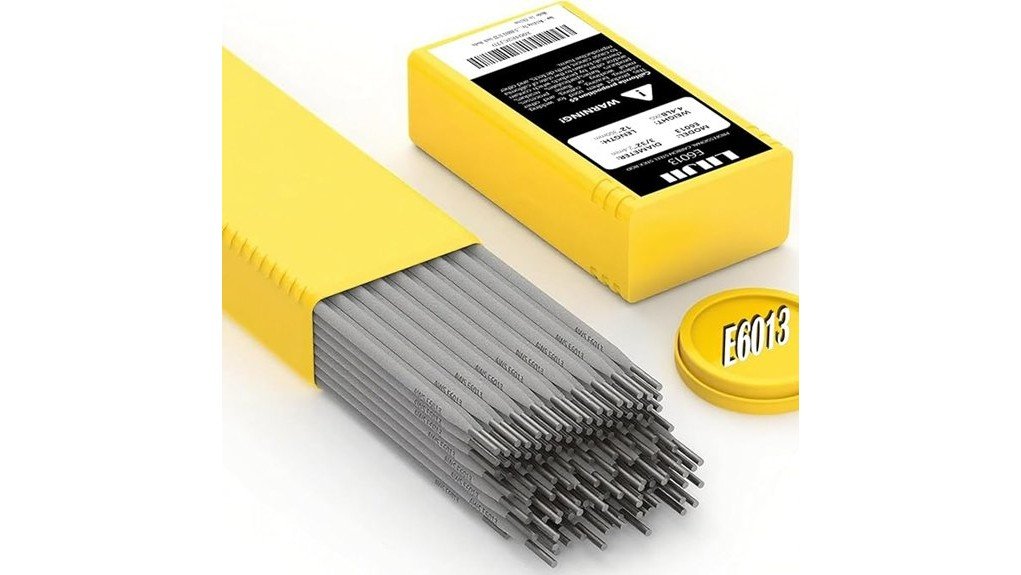
Choosing the right stick electrode can make the difference between a clean bead and a frustrating welding session. The LIIJII E6013 Welding Rod is made for welders who want easy arc starts, low spatter, and neat results on mild steel. This review explains where its 3/32-inch size, 14-inch rod length, and 5 lb package make sense, and where you may need a different electrode. It is a strong option for general repair and light fabrication, but it is not the best choice for every heavy-duty or high-penetration job.
Quick Verdict
Rating: 8.4/10
Best For: Beginners, home-shop welders, repair work, light fabrication, and clean-looking welds on mild steel.
Bottom Line: The LIIJII E6013 Welding Rod is easy to run, works with AC and DC stick welders, and gives you smooth beads with less cleanup. Skip it if your project needs deep penetration on thick steel or a specialized electrode for structural work.
| Specification | Detail |
|---|---|
| Brand | LIIJII |
| Model | E6013 |
| ASIN | B0DGLTYF47 |
| Product Type | Carbon steel stick welding electrodes |
| Rod Classification | E6013 mild steel electrode |
| Diameter | 3/32 inch |
| Rod Length | 14 inches |
| Package Weight | 5 lb |
| Package Dimensions | 14.09 x 2.13 x 1.81 inches |
| Compatible Welders | AC and DC stick welding machines |
| Welding Positions | All-position welding |
| Best Use | General fabrication, maintenance, repair, and light construction on mild steel |
| Safety Note | Use proper welding PPE and follow your welder settings, electrode label, and local safety rules. |
What Is the LIIJII E6013 Welding Rod?
The LIIJII E6013 Welding Rod is a stick welding electrode for mild steel projects. It is designed for shielded metal arc welding, also called SMAW or stick welding, and it works with both AC and DC welding machines.
Its 3/32-inch diameter gives you better control on thinner steel and smaller repair jobs than a larger rod would. The 14-inch length and 5 lb package make it practical for garage projects, shop repairs, and repeated light fabrication work.
The main appeal is ease of use. E6013 rods are known for easy arc starts, a smoother arc, lower spatter, and slag that is easier to remove compared with more demanding electrodes.
Before You Buy: This rod is best for mild steel, clean or lightly rusted surfaces, and appearance-focused work. It is not the right choice if you need deep penetration on thick steel, critical structural welding, or TIG filler rod.
Who Should Buy It?
Best For
- Beginners who want a forgiving stick electrode for practice beads and simple repairs.
- Home-shop users welding mild steel with AC or DC stick welders.
- Light fabrication, maintenance, gates, brackets, and visible welds where bead appearance matters.
Skip If
- You need a deep-penetrating rod for dirty, thick, or critical structural steel.
- You are shopping for TIG filler rod, MIG wire, brazing rod, or stainless steel electrodes.
- Your project requires a certified welding procedure or a specific electrode listed by an engineer.
Key Features of the E6013 Welding Rod
The biggest strength of this rod is its beginner-friendly welding behavior. It starts easily, holds a steady arc, and helps reduce the spatter that can make cleanup slow.
The 3/32-inch size is useful when you need control instead of heavy heat input. It suits light steel, small repairs, and projects where you want a flatter, cleaner bead.
Because it runs on AC and DC machines, you can use it with many common stick welders. That makes it a flexible choice for garages, small shops, farm repairs, and portable welding setups.
Arc Starting and Weld Control
Arc starting is one area where E6013 rods are easy to like. A smooth start helps beginners avoid sticking the rod to the workpiece, and it also helps experienced welders move faster on repeat welds.
The arc feels easier to manage than more aggressive rods because the penetration is more moderate. That can help you keep the puddle controlled on thinner mild steel, especially when appearance matters.
You still need the right amperage, travel angle, and surface preparation. If the metal is oily, painted, heavily rusted, or too thick for a 3/32-inch rod, the weld quality can suffer.
Slag Removal and Cleanup
The E6013 coating is designed to leave slag that comes off more easily after the bead cools. That matters because faster cleanup saves time when you are making multiple welds.
Lower spatter also helps protect the finished look of the surrounding metal. You may still need a chipping hammer and wire brush, but the cleanup process should feel manageable for routine mild steel work.
Pro Tip: Keep the rods dry and store them in a sealed container when possible. Moisture can hurt arc behavior, increase spatter, and make the rod harder to run cleanly.
Compatibility and Material Fit
This rod is made for mild steel, not aluminum, stainless steel, cast iron, or TIG welding. It works best on clean steel, new steel, and lightly rusted steel after basic prep.
It is also better for light to medium-duty work than heavy structural welding. For deep penetration or code-sensitive welds, you may need a different electrode and professional welding guidance.
The listing notes AC and DC compatibility, which helps if you use a basic AC buzz box, a small inverter stick welder, or a DC-capable shop machine. Always match your machine settings to the rod diameter and the job.
How It Performs in Real Use
For Beginner Practice
The LIIJII E6013 is a sensible practice rod because it starts easily and does not punish small mistakes as harshly as some rods. You can focus on rod angle, travel speed, puddle shape, and bead consistency.
For Home Repairs
For brackets, small frames, light gates, and mild steel repairs, the 3/32-inch diameter gives you enough control for neat welds. It is especially useful when your project needs a clean finish more than maximum penetration.
For Light Fabrication
The rod works well for shop projects where the weld will remain visible. Its smooth arc and lower spatter help you reduce grinding and finishing work after welding.
For Outdoor or Jobsite Use
Stick welding can handle outdoor conditions better than gas-shielded MIG, but weather still matters. Strong wind, wet material, damp rods, or poor grounding can cause unstable welding and weaker results.
How to Use It Correctly
Start with clean, dry mild steel whenever possible. Remove paint, oil, heavy rust, and mill scale from the weld area so the arc has a better chance to stay stable.
Use a 3/32-inch rod holder setup and begin with the amperage range recommended by your welder, electrode package, or product label. If the rod sticks often, runs cold, or piles up metal, adjust gradually instead of forcing the weld.
Chip and brush slag between passes. Welding over trapped slag can create defects, especially when you make multi-pass welds or repair a joint that needs consistent strength.
Safety Notes Before Welding
Use a proper welding helmet, welding gloves, flame-resistant clothing, and eye protection when using E6013 rods. Welding creates UV radiation, sparks, hot slag, fumes, and burn hazards.
Work in a ventilated area and keep flammable items away from your welding zone. If you are welding galvanized, painted, coated, or unknown metal, check safety guidance first because fumes can be dangerous.
For load-bearing repairs, vehicle frames, pressure vessels, trailers, or structural projects, get qualified guidance. A user-friendly rod does not replace correct joint design, welding procedure, and inspection.
Pros and Cons
Pros
- 3/32-inch diameter gives good control on lighter mild steel projects.
- Works with both AC and DC stick welding machines.
- Easy arc starts make it friendly for beginners and occasional welders.
- Low-spatter performance helps reduce cleanup time.
- All-position capability adds flexibility for repair and fabrication work.
Cons
- Not ideal for deep penetration on thick steel.
- Requires dry storage to maintain good arc performance.
- Only suitable for stick welding, not TIG or MIG applications.
Is It Worth the Price?
The LIIJII E6013 Welding Rod offers strong value for welders who need a 5 lb supply of general-purpose mild steel electrodes. It makes the most sense if you want an easy-running rod for everyday repair, practice, and light fabrication.
You get the most value from it if your projects use mild steel and your priority is smooth operation with cleaner-looking beads. It is less compelling if you need a specialty rod for stainless steel, aluminum, cast iron, or heavy structural work.
How It Compares to Alternatives
Compared with common E6011 or E6010 rods, E6013 is usually easier to run and gives a smoother-looking bead, but it does not offer the same aggressive penetration. Compared with E7018, it is simpler for casual use, but E7018 is often preferred for higher-strength structural applications when used under the right procedure.
Other E6013 options from brands such as YESWELDER, Sunstac, and Forney are worth comparing if you want different package sizes, packaging styles, or brand preferences. The LIIJII rod makes the most sense if you want this specific 3/32-inch, 5 lb E6013 setup for mild steel stick welding.
Frequently Asked Questions
What is the LIIJII E6013 Welding Rod best used for?
It is best for mild steel repair, maintenance, light fabrication, and practice welding. It is a good pick when you want easier arc starts, low spatter, and a cleaner bead appearance.
Can E6013 rods be used with AC and DC welders?
Yes. The listing states that these E6013 rods are compatible with both AC and DC welding machines, which makes them useful for many home and shop stick welders.
Are these rods good for beginners?
Yes. E6013 rods are known for easy arc starting, steady operation, and simpler slag removal, which helps new welders build confidence. You still need proper settings, safety gear, and practice.
Can E6013 rods be used for TIG welding?
No. These are stick welding electrodes for SMAW, not TIG filler rods. For TIG welding, you need the correct TIG filler material for the base metal and process.
How should you store E6013 welding rods?
Store them in a dry location away from moisture. A sealed container helps protect the coating, which can support better arc starts and more stable welding.
Are E6013 rods suitable for outdoor use?
They can be used outdoors with a stick welder, but conditions still matter. Avoid wet workpieces, damp rods, and unsafe weather because poor conditions can affect arc stability and weld quality.
Who should skip this welding rod?
Skip it if you need a rod for aluminum, stainless steel, cast iron, MIG, or TIG welding. You should also choose a different electrode if your job requires deep penetration or a specified structural welding procedure.
The Bottom Line
The LIIJII E6013 Welding Rod is recommended for welders who want a forgiving 3/32-inch stick electrode for mild steel repair, practice, and light fabrication. Its biggest strengths are easy arc starts, AC/DC compatibility, low spatter, and clean bead appearance.
Skip it if your project needs heavy penetration, a specialty metal electrode, or a code-specific welding procedure. For general mild steel work, it is a practical 8.4/10 choice with clear limits.