Disclosure: As an Amazon Associate, we earn from qualifying purchases. If you click a link on this page and make a purchase, we may receive a small commission at no extra cost to you.
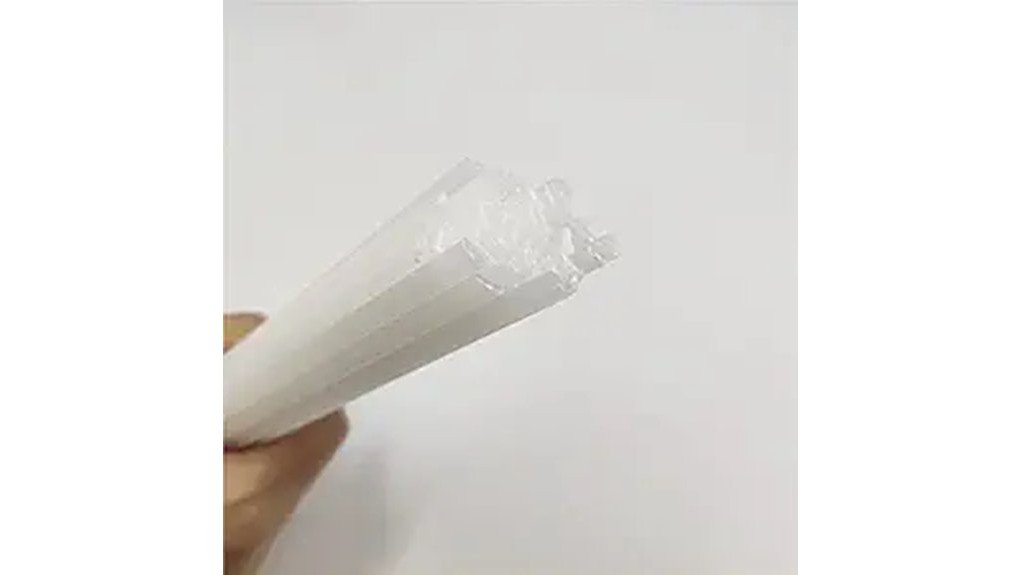
Plastic repairs can fail quickly when the filler material does not match the part you are fixing. The 9.8 Inch White PE Plastic Welding Rods are made for polyethylene repair work, with a compact 250 mm length and a flat 5 mm by 2.5 mm profile. They make the most sense for small automotive, marine, tank, and general plastic repairs where PE material compatibility matters. This review explains the supported specs, best uses, safety notes, and buying limits so you can decide if these rods fit your repair setup.
Quick Verdict
Rating: 8/10
Best For: Small PE plastic repairs on automotive parts, tanks, kayaks, canoes, and workshop plastic items.
Bottom Line: These rods are worth considering if you need white polyethylene welding material in a small, easy-to-handle size. The main tradeoff is compatibility: they are not the right choice for every plastic type, so you must confirm the base material before welding.
Key Takeaways
- The rods are listed as white PE plastic welding rods made from polyethylene.
- Each rod measures 250 mm, or about 9.8 inches, with a 5 mm width and 2.5 mm height.
- The article-supported uses include bumpers, fuel tanks, water and chemical tanks, coolant equalizing tanks, kayaks, and canoes.
- The PE material is described as non-toxic and resistant to acid, alkali, and corrosion.
- They work best when the base plastic is also polyethylene and the repair area is cleaned and prepared correctly.
| Specification | Detail |
|---|---|
| Product type | PE plastic welding rods |
| Color | White |
| Material | Polyethylene, listed as non-toxic PE |
| Length | 250 mm, about 9.8 inches |
| Width | 5 mm |
| Height | 2.5 mm |
| Compatibility | Designed for use with compatible plastic welder guns |
| Resistance notes | Listed as resistant to acid, alkali, and corrosion |
| Best use | PE plastic repair on automotive, marine, tank, and general plastic items |
| Safety note | Use ventilation, confirm plastic type, and follow your welder instructions before repair work. |
What Are the 9.8 Inch White PE Plastic Welding Rods?
The 9.8 Inch White PE Plastic Welding Rods are filler rods for repairing compatible polyethylene plastic. You heat the rod and the repair area with a suitable plastic welder, then use the softened rod to fill a crack, hole, seam, or damaged edge. Their white color also helps when you are working on white or light-colored PE parts.
The listed dimensions are practical for small repair jobs. A 250 mm rod is short enough to control by hand, while the 5 mm by 2.5 mm shape gives you a usable amount of filler material without being bulky. That shape also means you should check your welder tip, feed method, and repair groove before you start.
Before You Buy: These are PE rods, so they are best for polyethylene plastic. Do not assume they will bond correctly to ABS, PVC, PP, nylon, fiberglass, or unknown plastics without confirming material compatibility first.
Who Should Buy It?
Best For
- You need filler rods for small polyethylene plastic repairs.
- You work on automotive trim, bumpers, tanks, kayaks, canoes, or similar PE items.
- You want a simple white rod size that is easy to control for spot repairs.
Skip If
- You are repairing a plastic that is not polyethylene.
- You need a verified brand, package count, warranty, or certification before buying.
- You need a structural repair on a safety-critical part and should use a professional repair method.
Materials and Build Quality
The main buying point is the polyethylene construction. PE is commonly used for plastic parts that need chemical resistance, flexibility, and durability. For repairs, that matters because the filler rod should act like the base material after it cools.
The rods are listed as resistant to acid, alkali, and corrosion. That makes them more useful for tanks, outdoor gear, and marine-related repair work than a general craft plastic filler. Still, chemical resistance depends on the exact chemical, concentration, heat, stress, and the plastic part being repaired.
The flat 5 mm by 2.5 mm profile gives you enough material to fill a small gap or crack while keeping the rod manageable. You can cut shorter pieces for tight areas or feed the rod by hand when working along a crack. For large damage, you may need multiple passes, backing material, or a different repair approach.
Fit and Compatibility
These rods are designed for compatible plastic welder guns. The key detail to check is not only the rod length, but also the 5 mm by 2.5 mm profile. If your welder tip or feed path is too small, you may need a different rod shape or a hand-feed method.
Material match matters more than color. A white PE rod may look right on a white plastic part, but the repair can still fail if the base material is not PE. Before welding, look for a molded plastic code on the part, check the product manual, or test on a hidden area when safe.
Pro Tip: Clean the repair area, lightly groove the crack, and test a small piece first. A good PE repair depends on material match, surface prep, heat control, and steady pressure.
Applications and Usage Tips
These rods are most useful when you need to repair polyethylene parts instead of replacing the entire item. The article-supported use cases include bumpers, fuel tanks, water tanks, chemical tanks, car coolant equalizing tanks, kayaks, and canoes.
For automotive repairs, they can help with plastic parts where the base material is PE and the damage is not safety-critical. For marine gear, they may help with small cracks or worn areas on compatible kayak and canoe material. For tanks, you should be more cautious because pressure, heat, chemical exposure, and fluid safety can make the repair more demanding.
- Clean first: Remove dirt, grease, paint, and loose plastic before applying heat.
- Match the material: Use PE rods only on compatible PE plastic whenever possible.
- Control heat: Too little heat can cause poor bonding, while too much heat can burn or weaken plastic.
- Work in layers: For deeper damage, build the repair slowly instead of forcing too much rod into one pass.
- Let it cool naturally: Do not stress the repair before the plastic has cooled and hardened.
How It Performs in Real Use
For Automotive Plastic Repairs
The rods can be useful for small PE plastic repairs on bumpers, tanks, and under-hood plastic parts when the material match is correct. The compact length gives you good hand control in tight areas. You should avoid using them as a quick fix for parts that carry load, pressure, or safety risk without proper inspection.
For Kayaks and Canoes
White PE rods can work well for light-colored polyethylene kayaks and canoes when the damage is clean and accessible. They are helpful for small gouges, cracks, and worn spots where you can heat both the rod and the base plastic evenly. For deep hull damage, check the boat maker’s repair guidance before relying on a home repair.
For Water and Chemical Tanks
The listed resistance to acid, alkali, and corrosion makes these rods relevant for some tank repairs. However, tank repairs need extra care because leaks can cause damage, contamination, or safety issues. Empty, clean, and dry the tank fully before any repair, and do not weld around fuel vapors or unsafe residues.
For General Workshop Repairs
In a workshop, these rods are handy for small PE bins, panels, containers, guards, and plastic housings. The size makes them easy to store and cut down for smaller jobs. They are less useful when you need a color-perfect cosmetic finish or when the plastic type is unknown.
Compatibility and Safety
Plastic welding creates heat, fumes, and softened material, so you should work in a ventilated area and wear suitable eye and hand protection. Even though the rods are listed as non-toxic polyethylene, melted plastic can still produce irritating fumes or smoke if overheated. Keep your heat controlled and stop if the plastic burns, bubbles badly, or gives off heavy smoke.
Be careful with fuel tanks, chemical tanks, coolant tanks, and any container that held flammable or hazardous material. Do not weld a tank until it has been emptied, cleaned, aired out, and confirmed safe. When the repair involves pressure, fuel, chemicals, road safety, or flotation safety, professional guidance is the safer choice.
Pros and Cons
Pros
- Made from polyethylene for compatible PE plastic repair work.
- 250 mm length is easy to control for small cracks and spot repairs.
- 5 mm by 2.5 mm profile gives a useful amount of filler material.
- Listed resistance to acid, alkali, and corrosion supports tank and outdoor use cases.
- Suitable for several repair categories, including automotive, marine, and general workshop plastics.
Cons
- Only makes sense when the base material is compatible with PE.
- Brand, package count, warranty, and certification details were not supported by the supplied article.
- Tank, fuel, and safety-related repairs may need professional inspection or repair.
Is It Worth the Price?
These rods can be a smart buy for everyday PE plastic repair if you already have a compatible plastic welder and know the material you are fixing. They offer strong value for the price when they help you repair small damage instead of replacing a larger plastic part.
The best value comes from practical repairs on items like PE tanks, kayaks, canoes, and automotive plastic parts. They are less compelling if you need a verified branded kit, a specific package quantity, or a repair material for several different plastic types.
How It Compares to Alternatives
Compared with PP, ABS, or PVC welding rods, these PE rods are the better match when the part you are repairing is polyethylene. If your project involves polypropylene, ABS, or another plastic, a matching rod made for that material may bond better.
Compared with round welding rods, the flat 5 mm by 2.5 mm shape may feel easier to place into a prepared crack or groove. Round rods may work better with certain welder tips, so your tool setup should guide the final choice.
Frequently Asked Questions
What plastic are these welding rods made for?
These are PE plastic welding rods, so they are best suited for polyethylene repairs. Always confirm the base plastic before welding because plastic rods usually bond best to the same plastic family.
What size are the rods?
Each rod measures 250 mm long, which is about 9.8 inches. The listed width is 5 mm, and the listed height is 2.5 mm.
Can these rods be used on fuel tanks?
The supplied article lists fuel tanks as a possible application, but fuel tank repair needs extra caution. The tank must be empty, cleaned, vapor-free, and safe before heat is used, and professional repair is better for high-risk damage.
Are these rods suitable for kayaks and canoes?
Yes, they can be useful for compatible polyethylene kayaks and canoes. For best results, confirm the hull material, clean the damage, and follow the kayak or canoe maker’s repair guidance.
What welding temperature should you use?
The original article referenced a 200°C to 250°C range for welding these rods. Use that only as a starting point, then follow your welder instructions and test on scrap or a hidden area when possible.
How should you store the rods?
Store them in a cool, dry place away from dirt, oil, and direct heat. Keeping the rods clean helps reduce contamination during welding.
Who should skip these rods?
Skip them if you do not know the plastic type or if the part is made from ABS, PVC, PP, nylon, fiberglass, or another non-PE material. You should also skip DIY repair on safety-critical parts unless you have the right tools and repair experience.
The Bottom Line
The 9.8 Inch White PE Plastic Welding Rods are a practical choice if you need white polyethylene filler rods for small compatible plastic repairs. They offer useful sizing, PE material, and broad repair potential, but they are not a universal plastic repair solution. Buy them if your part is PE and your repair is within your skill level, and skip them if the plastic type or safety risk is uncertain.