Disclosure: As an Amazon Associate, we earn from qualifying purchases. If you click a link on this page and make a purchase, we may receive a small commission at no extra cost to you.
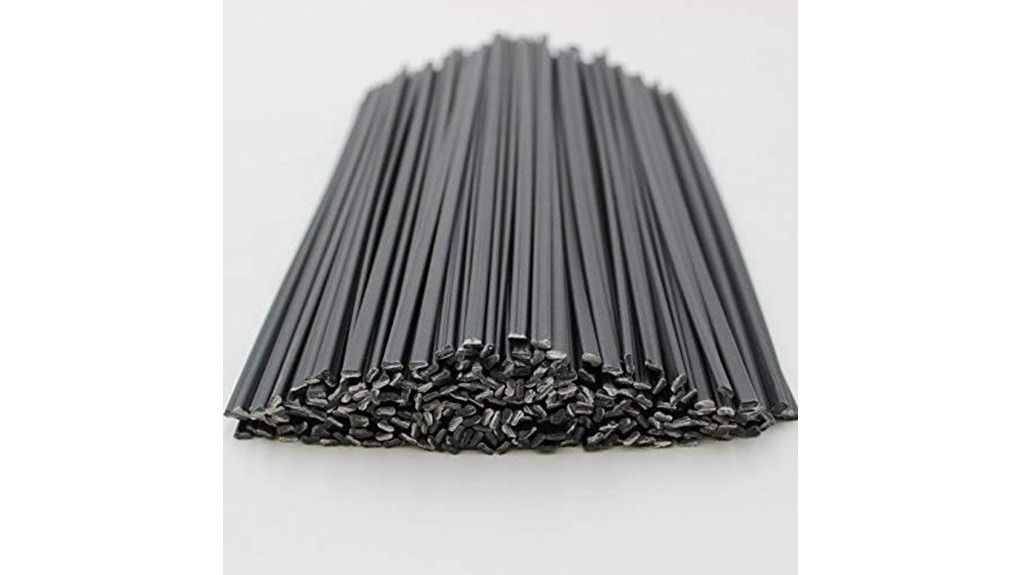
Plastic bumper, tank, kayak, and canoe repairs often fail when the filler material does not match the base plastic. The 9.8 Inch Black PP Welding Rods are made for polypropylene repairs where you need a black PP filler rod that can bond with compatible PP plastic. They are best for small to medium plastic welding jobs, especially when you already have a hot-air plastic welder and know the part is polypropylene. The main strength is their simple, repair-focused design, while the main limitation is compatibility: they are not the right choice for every type of plastic.
Quick Verdict
Rating: Recommended with caveats, 8.2/10
Best For: DIY and shop users repairing compatible black polypropylene parts, such as car bumpers, fuel tanks, water tanks, kayaks, and canoes.
Bottom Line: These PP welding rods are worth considering if you need a simple filler material for black polypropylene repairs. Skip them if you are unsure of the base plastic, need a cosmetic-grade color match, or plan to repair ABS, PE, PVC, or other non-PP materials.
| Specification | Detail |
|---|---|
| Product type | Black PP plastic welding rods |
| Material | Polypropylene, also called PP |
| Color | Black |
| Rod length | 9.8 inches, about 250 mm |
| Rod profile | 5 mm wide by 2.5 mm high |
| Supported welding range | Commonly used around 230°C to 260°C for PP plastic welding |
| Compatibility | Compatible PP plastic parts only |
| Best use | Car bumpers, fuel tanks, water tanks, chemical tanks, kayaks, and canoes when the base plastic is PP |
| Safety note | Use with proper PPE, ventilation, and the correct hot-air welding setup. |
What Are the 9.8 Inch Black PP Welding Rods?
The 9.8 Inch Black PP Welding Rods are filler rods for hot-air plastic welding. They are made from polypropylene, so they are intended for repairs on compatible PP plastic parts rather than general metal welding or adhesive patching.
Each rod is about 250 mm long, with a 5 mm by 2.5 mm profile. That size gives you enough material to feed into a crack, seam, gouge, or small missing section while still keeping the rod easy to control with a plastic welding gun.
The black color makes them a practical choice for black polypropylene parts, including many automotive and watercraft repair projects. The finish may still need trimming, sanding, or surface blending after welding if appearance matters.
Before You Buy: Confirm the damaged part is polypropylene before using these rods. PP rods are not a universal plastic filler and may not bond correctly to ABS, PVC, PE, fiberglass, or painted surfaces that have not been prepared.
Who Should Buy It?
Best For
- DIY users repairing black PP plastic on car bumpers, small tanks, kayaks, or canoes.
- Body shop or repair users who already have a hot-air plastic welder.
- Buyers who need PP filler rod with acid, alkali, corrosion, and wear resistance.
Skip If
- You do not know the plastic type on the part you want to repair.
- You need a rod for ABS, PE, PVC, fiberglass, or metal repairs.
- You expect a perfect cosmetic finish without sanding, trimming, or surface prep.
Key Features and Benefits of 9.8 Inch Black PP Welding Rods
The biggest benefit of these rods is material matching. When the damaged part is polypropylene, using a PP filler rod gives you a better chance of creating a strong repair than using a random plastic strip, epoxy, or glue.
The rods are also designed for demanding repair areas. The source article notes resistance to acids, alkalis, corrosion, wear, and impact, which matters for parts exposed to road grime, moisture, vibration, and regular handling.
Polypropylene Material
Polypropylene is common in many automotive and utility plastic parts. A PP rod is useful when you need the filler material to melt and fuse with a compatible PP base instead of sitting on top like a surface patch.
This is especially helpful for bumper cracks, tank seams, and watercraft repairs where the damaged area may flex after the repair. A compatible plastic weld can move more naturally with the part than a rigid patch.
9.8-Inch Length and 5 mm by 2.5 mm Profile
The 9.8-inch length gives you a manageable rod size for handheld hot-air welding. It is long enough for continuous feeding across a small crack but short enough to control around curves and edges.
The 5 mm width and 2.5 mm height make the rod useful for filling narrow repair channels, seams, and V-grooved cracks. For deep damage, you may need more than one pass instead of trying to force too much melted plastic into the joint at once.
Black Color for Common Repair Parts
The black color fits many bumper, tank, kayak, and canoe repairs where the base plastic is already dark. It can reduce the contrast between the repair and the surrounding plastic.
Even so, black rod does not guarantee an invisible repair. Heat marks, sanding marks, and surface texture can still show, so treat this as a repair material first and a cosmetic match second.
Chemical and Wear Resistance
The article-supported details describe the rods as resistant to acids, alkalis, corrosion, and wear. That makes them more useful for practical repair jobs than decorative plastic work.
For fuel tanks and chemical tanks, use extra care. The rod material may be suitable for PP plastic repairs, but the tank must be cleaned, safe to work on, and repaired according to the part maker’s guidance or a professional repair standard.
Applications and Use Cases
The 9.8 Inch Black PP Welding Rods are most useful when the damaged part is known to be polypropylene. They are not a fix for every broken plastic item, but they can be a practical tool for the right material.
- Car bumpers: Useful for cracks, tabs, and small splits on compatible PP bumper material.
- Fuel tanks: Potentially useful for PP tank repairs, but only when the tank is safe, empty, cleaned, and suitable for repair.
- Water and chemical tanks: Useful for compatible PP tanks where corrosion and chemical resistance matter.
- Kayaks and canoes: Useful for small cracks, gouges, and worn spots when the craft is made from compatible PP material.
Pro Tip: Look for a plastic identification mark on the damaged part before welding. If the part is marked “PP,” these rods are more likely to be the right filler than ABS, PE, or PVC rods.
Fit and Compatibility
Compatibility is the main buying factor. These rods are meant for polypropylene plastic, so they should be used only when the base material is PP or clearly compatible with PP welding rod.
A hot-air welding machine must also be able to reach and control the correct temperature range. The article-supported range for these rods is typically 230°C to 260°C, but your exact setting may depend on airflow, nozzle size, repair thickness, and the condition of the plastic.
Do not assume the rod is wrong if your first pass looks rough. Plastic welding often requires surface cleaning, proper beveling, even heat, and steady pressure. Poor prep can make the repair fail even when the filler rod is the right material.
Materials and Build Quality
These rods are made from high-quality polypropylene according to the source article. The rod shape is simple, but that is a benefit for repair work because it feeds easily and can be trimmed to fit shorter cracks or corners.
The material is described as resistant to acids, alkalis, corrosion, impact, and wear. That combination makes it a sensible option for working parts that may see moisture, road dirt, water exposure, and regular movement.
The source article also describes strong wear resistance compared with steel. Treat that as a wear-resistance point, not as a reason to use plastic rod where metal strength is required.
Installation and Welding Tips
Good results depend more on preparation than on the rod alone. Start by cleaning the repair area, removing grease, paint, loose plastic, dirt, and moisture before applying heat.
For cracks, it often helps to create a shallow V-groove so the melted rod has a place to sit. Heat both the base plastic and the rod evenly, then press the softened rod into the repair area without burning the surface.
Work in small sections instead of rushing across the full crack. When the plastic cools, trim excess material and inspect the back side of the repair if you can reach it.
Common Mistakes to Avoid
- Using PP rod on a plastic part that is not polypropylene.
- Welding over paint, oil, dirt, or wet plastic.
- Overheating the rod until it burns, bubbles, or turns glossy and weak.
- Trying to bridge a wide gap without backing support or proper joint prep.
- Assuming a plastic weld is safe for pressurized, fuel, or chemical use without professional guidance.
Compatibility and Safety
Plastic welding uses heat, fumes, and softened material, so safety matters. Wear eye protection, heat-resistant gloves, long sleeves, and a respirator or proper ventilation when heating plastic.
Never weld a fuel tank unless it has been professionally cleaned and made safe. Empty does not always mean safe, because fuel vapor can remain inside the tank.
For watercraft and tanks, think about the consequences of failure. A small kayak gouge may be a reasonable DIY job, while a tank that holds chemicals, fuel, or pressure may need a professional repair or replacement.
How It Performs in Real Use
For Car Bumper Repairs
These rods make sense for PP bumper cracks, broken tabs, and small splits. The black color can blend better on dark bumper material, but you may still need sanding and finishing if the repair sits in a visible area.
For Tank Repairs
The acid, alkali, and corrosion resistance noted in the source article makes the rods useful for compatible PP tanks. Still, tank repairs need extra caution because leaks can cause safety, environmental, or property damage.
For Kayaks and Canoes
For compatible PP watercraft, the rods can help fill cracks and worn spots from dragging, impact, or storage damage. After the repair cools, check for gaps and test carefully before relying on it on the water.
For Long-Term Use
A well-prepped plastic weld can last longer than a rushed surface patch. Long-term results depend on correct material matching, proper heat, clean plastic, and whether the repaired part keeps flexing under stress.
Pros and Cons
Pros
- Made from polypropylene for compatible PP plastic welding repairs.
- 9.8-inch, 250 mm rod length is easy to control for small and medium repairs.
- 5 mm by 2.5 mm profile works well for cracks, seams, tabs, and V-grooved damage.
- Black color suits many bumper, tank, kayak, and canoe repair jobs.
- Article-supported resistance to acids, alkalis, corrosion, impact, and wear.
Cons
- Only suitable for compatible polypropylene repairs, not all plastics.
- Requires a hot-air plastic welding tool and correct temperature control.
- Visible repairs may still need trimming, sanding, and finishing work.
Is It Worth the Price?
These rods are a strong value for the price if you already know you need black PP filler rod. They are a smart buy for everyday repair use because the size, material, and color match common polypropylene repair jobs.
The value drops if you are guessing about the base plastic. If the part is ABS, PE, PVC, or another plastic, the repair may fail no matter how carefully you weld.
They are better for buyers who care about practical repair capability than a showroom finish. For visible automotive panels, plan for extra finishing work after the weld cools.
How It Compares to Alternatives
Compared with ABS welding rods, these PP rods are better only when the base part is polypropylene. ABS rods are the better match for ABS parts, while PE rods are used for compatible polyethylene repairs.
Compared with glue or epoxy, PP welding rod can be a better choice when you need the repair material to fuse with the base plastic. Adhesives may be easier for beginners, but they may not hold well on flexible or low-surface-energy plastics like polypropylene.
Frequently Asked Questions
Are these welding rods only for polypropylene plastic?
Yes, they are PP welding rods, so they are intended for compatible polypropylene plastic. They are not a universal filler for ABS, PVC, PE, fiberglass, or metal.
What temperature should you use with these PP rods?
The article-supported range is typically 230°C to 260°C. Use that as a starting range and follow your hot-air welder instructions, because airflow, nozzle size, and plastic thickness can affect the right setting.
Can you use them on car bumpers?
You can use them on car bumpers when the bumper material is compatible polypropylene. Check the plastic marking first, clean the area well, and avoid welding over paint, grease, or loose plastic.
Are they safe for fuel tank repairs?
They may be used on compatible PP tanks, but fuel tank repairs require serious caution. Do not heat or weld a fuel tank unless it has been properly emptied, cleaned, ventilated, and confirmed safe by a qualified person.
Will the black color match every black plastic part?
Not always. The rod is black, but texture, gloss, age, heat marks, and sanding marks can make the repair area look different from the surrounding plastic.
Can you use these rods outdoors?
They are useful for outdoor parts such as kayaks, canoes, bumpers, and tanks when the base material is PP. For the best result, repair the part in a clean, dry area and let the weld cool before exposing it to stress or water.
How should you store the rods?
Store them in a cool, dry place away from direct sunlight, moisture, dust, and oils. Keeping the rods clean helps prevent weak welds caused by contamination.
The Bottom Line
The 9.8 Inch Black PP Welding Rods are a practical choice if you need black polypropylene filler rod for compatible automotive, tank, kayak, or canoe repairs. Their main strength is simple PP material matching with useful resistance claims, while the main limitation is that they only make sense when the damaged plastic is actually PP.
Buy them if you already have the right hot-air welding setup and can confirm the plastic type. Skip them if you need a universal plastic repair product or a guaranteed cosmetic finish.