Disclosure: As an Amazon Associate, we earn from qualifying purchases. If you click a link on this page and make a purchase, we may receive a small commission at no extra cost to you.
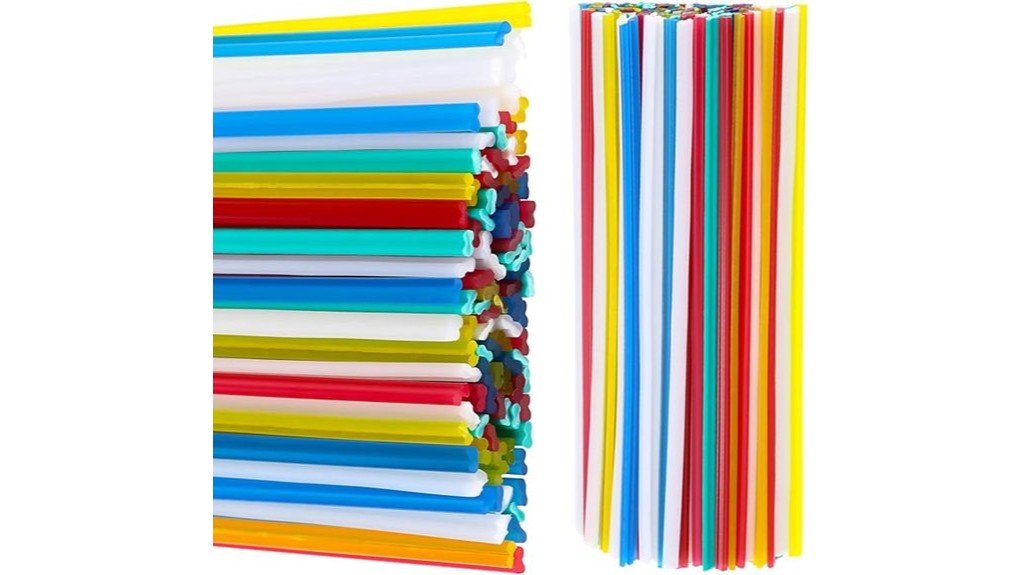
Plastic repairs can get frustrating when the repair rod does not match the base material. The 100 Pieces Plastic Welding Rods set gives you a mixed pack of PP, PVC, and PPR rods for small plastic welding jobs, automotive touch-ups, and workshop repairs. Each rod measures 7.9 inches, and the pack includes five colors, with 20 pieces per color. This review will help you decide if this mixed-material kit is practical for your repair bench or if you need a more specialized welding rod pack.
Quick Verdict
Rating: 8/10
Best For: DIY users, mechanics, and hobbyists who repair PP, PVC, or PPR plastic parts.
Bottom Line: This 100-piece set is useful when you want multiple colors and material types in one kit. The main tradeoff is that you still need to match the rod to the plastic you are repairing, so it is not a universal fix for every plastic part.
| Specification | Detail |
|---|---|
| Product type | Plastic welding rod set |
| Count | 100 rods total |
| Rod length | 7.9 inches each |
| Colors | Green, blue, yellow, red, and white |
| Quantity per color | 20 pieces per color |
| Materials listed | PP, PVC, and PPR thermoplastics |
| Best use | Plastic repair, automotive work, DIY projects, and craft repairs |
| Example repairs | Car bumpers, motorcycle parts, battery shells, and similar plastic items |
| Safety note | Use a proper heat source, wear safety gear, work with ventilation, and match the rod material to the base plastic. |
What Are the 100 Pieces Plastic Welding Rods?
The 100 Pieces Plastic Welding Rods set is a repair kit made for joining or filling compatible thermoplastic surfaces. The pack includes rods made from PP, PVC, and PPR, which gives you more repair options than a single-material rod pack.
The set is built around quantity and variety. You get 100 total rods, each 7.9 inches long, with 20 pieces each in green, blue, yellow, red, and white. That mix can help you organize repair jobs, practice plastic welding, and keep spare rods available for small projects.
This kit makes the most sense for buyers who already know how to identify plastic types or are willing to check the marking on the damaged part before welding. If you want a no-skill adhesive repair, this is not the easiest option.
Key Takeaways
- The package includes 100 plastic welding rods, with 20 rods in each of five colors.
- Each rod measures 7.9 inches, which is practical for small repair sections and touch-up work.
- The listed materials are PP, PVC, and PPR, so material matching matters before you weld.
- The rods are useful for automotive repairs, motorcycle parts, battery shells, and general DIY plastic repair.
- You need a heat source, basic plastic welding technique, safety gear, and good ventilation.
Who Should Buy It?
Best For
- DIY users who repair small PP, PVC, or PPR plastic items.
- Mechanics who want spare rods for bumper, motorcycle, or battery shell repairs.
- Craft and workshop users who want several colors for organizing repair materials.
Skip If
- You cannot identify the plastic type you need to repair.
- You need rods for ABS, PE, nylon, or another plastic not listed in this kit.
- You want a simple adhesive repair with no heat tool or welding practice.
Before You Buy: Match the rod material to the plastic you are repairing. Color can help you sort rods, but you should still confirm the material type from the product label and the damaged part before applying heat.
Material and Durability Analysis
The main strength of this set is its mix of thermoplastic rod materials. The article-supported materials are polypropylene (PP), polyvinyl chloride (PVC), and polypropylene random copolymer (PPR). Each material is useful only when it is matched with a compatible base plastic.
| Material Type | Useful Properties | Typical Repair Context |
|---|---|---|
| PP | Lightweight and tough | Automotive parts, containers, and compatible plastic surfaces |
| PVC | Corrosion-resistant | PVC parts, tanks, and compatible non-critical plastic repairs |
| PPR | Flexible and durable | PPR plastic parts and compatible repair projects |
Durability depends on more than the rod itself. A strong repair also needs clean surfaces, the right heat level, proper rod selection, and enough contact between the rod and the base plastic. If the original plastic is cracked from stress, sun damage, or impact, the repair may still need reinforcement.
Color Options and Organization
The five-color layout is useful because you can separate rods by material type, project, or repair stage. The pack includes green, blue, yellow, red, and white rods, with 20 pieces of each color. That makes it easier to keep your bench organized instead of mixing every rod together in one pile.
The color variety may also help when you want the repair area to be easier to see during practice or less visible on a matching surface. Still, color should not be your only guide. The material type matters more than the color when you want a solid weld.
Practical Applications and Gift Potential
These plastic welding rods are useful for many small repair jobs. The article specifically supports use on car bumpers, motorcycle parts, and battery shells. They can also be helpful for DIY projects where the damaged part is made from a compatible thermoplastic.
The set also works as a practical gift for a handyman, mechanic, craft hobbyist, or garage owner. It is not a flashy gift, but it adds real utility to a toolkit, especially for someone who already owns a plastic welder or soldering-style heat tool.
How It Performs in Real Use
For Automotive Repairs
For bumper tabs, small cracks, and compatible plastic trim, this kit gives you enough rods to practice before making the final repair. The 7.9-inch length is easy to handle during small automotive work, and the color options can help you separate rods by material.
For Motorcycle and Workshop Parts
Motorcycle panels, covers, and workshop plastic parts often need small fixes rather than full replacement. These rods can be useful when the base plastic matches PP, PVC, or PPR. The limitation is that you need to confirm the plastic type first, because a mismatch can create a weak bond.
For DIY and Craft Repairs
For household and craft projects, the 100-piece count gives you room for trial and error. You can use the rods for practice beads, small fills, or color-coded repair tests. This is helpful if you are still learning heat control and rod placement.
For Long-Term Storage
The pack size gives you spare rods for future repairs, but storage matters. Keep the rods dry, clean, and away from heat or direct sunlight. Dirt, moisture, and deformation can make plastic welding harder later.
How to Use It Correctly
Start by identifying the plastic you want to repair. Look for molded markings on the part, such as PP, PVC, or PPR, when available. Then choose a matching rod from the kit and test on a hidden or scrap area before working on the visible repair.
Clean the repair area before applying heat. Dust, grease, paint flakes, and old adhesive can weaken the joint. Use steady heat and pressure instead of forcing the rod into the crack, and let the repair cool fully before trimming or sanding.
Pro Tip: Keep a small scrap piece of the same plastic nearby for practice. Test your heat setting and rod flow there first, then move to the actual part once the rod bonds smoothly.
Tools and Safety Notes
To use these rods, you need a suitable heat source, such as a plastic welding tool or a soldering iron used with care. You should also wear basic safety gear, including eye protection and heat-resistant gloves. Work in a ventilated area so fumes do not build up around your face.
Do not use these rods on food-contact repairs, pressure-critical plumbing, electrical safety parts, or structural components unless you have proper professional guidance. Plastic welding can be strong when done correctly, but the wrong material or technique can leave a repair weak.
Pros and Cons
Pros
- 100-piece count gives you enough rods for multiple small repair jobs.
- Five colors make sorting and project organization easier.
- Includes PP, PVC, and PPR materials for broader repair coverage.
- 7.9-inch rod length is manageable for bumper, panel, and workshop repairs.
- Useful for both practical repairs and DIY practice.
Cons
- Not suitable for every plastic type, including materials not listed in the kit.
- Requires a heat source, safety gear, and some welding technique.
- Color alone should not be used as proof of material compatibility.
Is It Worth the Price?
The value comes from the 100-piece count and the mixed PP, PVC, and PPR material selection. If you often repair small plastic parts, this can be a smart buy for everyday garage or workshop use because you get multiple rods and colors in one pack.
It is worth considering if you already own the right heat tool and want spare rods for compatible plastics. It is not the best fit if you only need one exact material type or if you want a repair product that works without heat.
How It Compares to Alternatives
Compared with a single-material rod pack, this set gives you more flexibility because it includes PP, PVC, and PPR rods. That is helpful for mixed repair work, but a single-material pack may be better if you already know you only repair one plastic type.
Compared with plastic epoxy or adhesive kits, welding rods can create a fused repair when the material match and technique are right. The tradeoff is that welding takes more setup, more care, and more practice than spreading adhesive over a crack.
Frequently Asked Questions
Can these rods be used for outdoor repairs?
They may be used outdoors on compatible PP, PVC, or PPR plastic parts, but the repair quality depends on material match, surface prep, and welding technique. Outdoor parts exposed to sun, impact, or stress may need stronger reinforcement than a simple fill.
How do you choose the right rod material?
Match the rod to the base plastic whenever possible. Check the molded plastic marking on the part, then choose PP, PVC, or PPR only when it matches the repair surface.
Are the colors only for looks?
The colors can help with sorting, visibility, and matching some repair surfaces. Do not rely on color alone to confirm the material type, because compatibility depends on the actual plastic material.
What tools do you need to use plastic welding rods?
You need a suitable heat source, such as a plastic welding tool or soldering iron, plus eye protection and heat-resistant gloves. Good ventilation is also important when heating plastic.
Can these rods repair car bumpers?
They can be used for compatible bumper repairs when the bumper material matches one of the included rod materials. For large cracks, mounting points, or safety-related damage, a professional repair may be safer.
How should you store the rods?
Store them in a clean, dry place away from high heat and direct sunlight. Keeping rods sorted by material and color also helps prevent using the wrong rod during a repair.
Who should skip this welding rod set?
Skip it if you need a rod material not listed in the set or if you cannot identify the plastic you are repairing. You should also skip it for food-contact, pressure-critical, or structural repairs unless you have proper guidance.
The Bottom Line
The 100 Pieces Plastic Welding Rods set is a practical choice if you repair PP, PVC, or PPR plastic parts and want a 100-piece mixed-color kit. It is best for DIY users, mechanics, and workshop owners who can match the rod to the base plastic. Skip it if you need a guaranteed fit for unknown plastics or want a no-heat adhesive repair.