Disclosure: As an Amazon Associate, we earn from qualifying purchases. If you click a link on this page and make a purchase, we may receive a small commission at no extra cost to you.
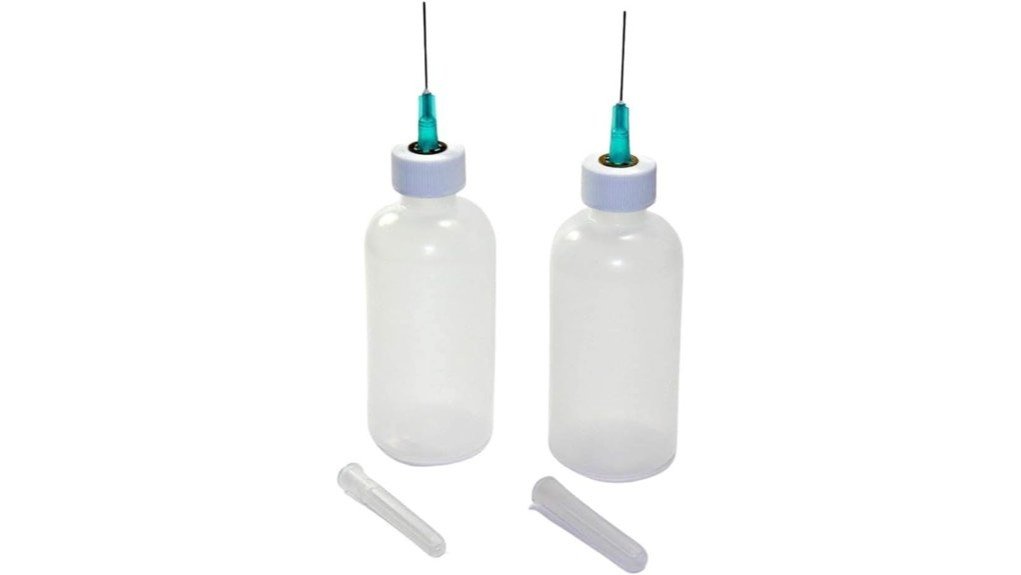
Small glue jobs can get messy fast when you need a thin line, a tiny drop, or controlled placement near a finished edge. The Gaunt Industries HYPO-25 is a 2-ounce acrylic dispenser made for careful application of epoxy and solvent cements. Its main appeal is the 23-gauge stainless steel blunt needle tip, which gives you more control than a standard squeeze bottle opening. This review helps you decide where the HYPO-25 fits best, where it has limits, and whether it makes sense for your shop, hobby bench, or acrylic work.
Quick Verdict
Rating: 8.2/10, Recommended with caveats
Best For: hobbyists, sign makers, acrylic fabricators, model builders, and anyone applying small amounts of epoxy or solvent cement.
Bottom Line: The HYPO-25 is a useful precision dispenser when you need cleaner drops and fine lines from a 2-ounce bottle. It is not the right choice for high-temperature use, large-volume dispensing, or buyers who need a verified warranty before purchase.
| Specification | Detail |
|---|---|
| Brand | Gaunt Industries |
| Model | HYPO-25 |
| Product type | Precision acrylic dispenser bottle |
| Capacity | 2 ounces |
| Bottle material | Acrylic |
| Tip type | 23-gauge stainless steel blunt needle tip |
| Design | Easy-to-squeeze Boston round bottle form |
| Best use | Controlled dispensing of epoxy and solvent cements |
| Common applications | Plastic displays, signage, acrylic aquarium work, crafts, and fine adhesive placement |
| Safety note | Not intended for high-temperature applications based on the article details. Follow the adhesive or solvent label before filling the bottle. |
What Is the Gaunt Industries HYPO-25?
The Gaunt Industries HYPO-25 is a small precision dispenser for projects where placement matters more than volume. It uses a 2-ounce acrylic bottle and a 23-gauge stainless steel blunt needle tip to help you apply drops, beads, and narrow lines of adhesive.
The article-supported use cases center on epoxy and solvent cements. That makes it most useful for work like acrylic display building, sign assembly, aquarium fabrication, small repairs, and detailed craft work. The bottle is not meant to replace a bulk adhesive container. It is better as a controlled applicator after you have chosen the right adhesive for the material.
Key Takeaways
- The HYPO-25 is a 2-ounce acrylic dispenser designed for precise adhesive placement.
- The 23-gauge stainless steel blunt needle tip helps with small drops and fine lines.
- The easy-to-squeeze bottle gives you more control than a wide-mouth glue bottle.
- It is best suited for epoxy, solvent cements, acrylic fabrication, plastic displays, signage, and similar detailed projects.
- It is not the best fit for high-temperature use, thick materials that cannot flow through a fine tip, or large dispensing jobs.
Who Should Buy It?
Best For
- You need a fine applicator for epoxy or solvent cement instead of a large squeeze tip.
- You build plastic displays, signs, acrylic boxes, or acrylic aquarium parts.
- You want a reusable 2-ounce bottle for small-batch adhesive application at a workbench.
Skip If
- You need to dispense large amounts of adhesive quickly.
- Your material is too thick to pass through a fine 23-gauge tip.
- You need a container rated for high-temperature use or a clearly stated warranty.
Before You Buy: Match the bottle to the adhesive first. A 23-gauge tip is helpful for thin lines and small drops, but it may clog or dispense poorly with thick epoxies, dried residue, or materials that are not compatible with fine needle-style applicators.
Design and Build Quality
The HYPO-25 uses a Boston round bottle shape, which is simple, compact, and easy to hold near the work surface. The acrylic bottle keeps the setup light while still giving you a reusable container for small application tasks.
The main build feature is the 23-gauge stainless steel blunt needle tip. Because the tip is blunt, it is meant for dispensing rather than piercing. This matters when you are working near plastic, acrylic, or finished surfaces where you want controlled placement without gouging the material.
The easy-to-squeeze design also helps you control pressure with your fingers. That can reduce over-application when you only need a dot of cement near an edge, seam, or corner. The tradeoff is that a fine tip requires more care than a standard cap, especially when the adhesive starts to set or dry inside the needle.
Precision Application Features
Precision is the main reason to choose this dispenser. The 23-gauge tip gives you a narrow exit point, so you can place adhesive in small areas without flooding the joint. This is useful for display pieces, clear plastic edges, and other projects where extra adhesive can leave visible marks.
The 2-ounce capacity is also practical for bench work. It holds enough material for repeated small applications without forcing you to handle a bulky adhesive container. For detailed projects, that smaller bottle can make your work area easier to manage.
For best results, treat the HYPO-25 as a placement tool, not as a storage solution for every chemical. Solvent cements, epoxies, and cleaners can vary widely, so you should follow the adhesive label and avoid storing any material in the bottle longer than the product instructions allow.
How to Use It Correctly
Before filling the bottle, make sure the adhesive or solvent cement is appropriate for a fine needle-style dispenser. Thin, flowable products are usually easier to control through a 23-gauge tip than heavy or fast-setting materials.
Fill only the amount you expect to use for the project. After filling, keep the tip aimed away from your face and apply light pressure first. A small test bead on scrap material can help you judge flow before you touch the final piece.
When applying adhesive along an acrylic edge or a narrow seam, keep your hand steady and let the tip guide the line. Do not squeeze harder than needed. Too much pressure can create blobs, runs, or excess material that is harder to clean from clear surfaces.
Pro Tip: Test the flow on scrap material before every important seam. This helps you catch clogs, trapped air, or adhesive that is too thick for the 23-gauge tip before it reaches your finished project.
Material Safety and Compatibility
The article identifies the bottle as acrylic and the tip as stainless steel. That combination is useful for a light, controlled dispenser, but it does not mean every chemical, solvent, or adhesive is safe to store in it. Always check the adhesive label and safety data before filling the bottle.
Because the HYPO-25 is used with epoxy and solvent cements, basic shop safety still matters. Work in a suitable area, avoid skin and eye contact, and follow the adhesive maker’s ventilation and cleanup instructions. If you are using it for aquarium fabrication, make sure the adhesive itself is appropriate for that project after curing.
The original article notes that these bottles are not suited for high-temperature applications. If your project involves heat, hot liquids, heated adhesives, or a warm operating environment, use a dispenser designed for those conditions instead.
Cleaning and Maintenance
Cleaning is one of the most important parts of owning a fine-tip dispenser. The narrow 23-gauge needle can lose performance if epoxy, cement, or residue dries inside the tip. Clean the tip as soon as you finish using it.
The original article suggests using an appropriate cleaning solution, solvent, or warm soapy water, depending on what was dispensed. The safest approach is to follow the adhesive or cement manufacturer’s cleanup directions. Do not mix cleaners, and do not use a solvent that is not compatible with the bottle material.
After cleaning, let the bottle and tip dry before storage. Store it upright when possible, and avoid leaving dried adhesive around the cap or needle connection. A few minutes of cleanup can save you from clogs during the next project.
Ideal Use Cases and Benefits
The HYPO-25 is best when the project calls for controlled placement instead of speed. Its 2-ounce bottle and fine tip make it easier to work around small seams, trim, edges, and display components.
- Precision epoxy application: You can place small amounts on models, crafts, fixtures, and detailed assemblies.
- Plastic displays and signage: The fine tip helps you guide adhesive near visible acrylic or plastic edges.
- Acrylic aquarium fabrication: The controlled tip can help place solvent cement along seams when the adhesive is suitable for the material and use case.
- Shop and hobby bench work: The small bottle is easier to handle than a large container when you only need a few drops.
How It Performs in Real Use
For Acrylic Edges and Seams
The fine 23-gauge tip is helpful when you need to run a narrow line near an acrylic edge. It gives you better placement than a standard bottle opening, especially on clear parts where extra adhesive can show.
For Small Craft and Model Work
For small parts, the HYPO-25 gives you more control over drop size. You still need a steady hand, but the slim tip makes it easier to avoid using more adhesive than the project needs.
For Signage and Display Projects
When assembling plastic signs or display pieces, controlled dispensing can help keep the work cleaner. The 2-ounce bottle is also easy to keep nearby while you align parts and apply cement in small sections.
For Long-Term Bench Use
The dispenser can be reused, but long-term performance depends on cleaning. If you let adhesive cure in the needle tip, the main benefit of the product is reduced. Clean it right after use and check the tip before the next fill.
Pros and Cons
Pros
- 2-ounce acrylic bottle is practical for small adhesive batches and bench use.
- 23-gauge stainless steel blunt needle tip supports drops and fine lines.
- Easy-to-squeeze design gives you better control than a wide bottle opening.
- Useful for epoxy, solvent cements, plastic displays, signage, and acrylic work.
- Reusable design can reduce the need for disposable applicators when cleaned properly.
Cons
- Fine 23-gauge tip may not work well with thick adhesives or dried residue.
- Needs prompt cleaning after use to prevent clogs.
- Not suitable for high-temperature applications based on the article details.
- Warranty details are not clearly stated in the article.
Is It Worth the Price?
The Gaunt Industries HYPO-25 is worth considering if you need a small, controlled dispenser for detailed adhesive work. Its value comes from the 2-ounce bottle size, the 23-gauge stainless steel blunt needle tip, and the ability to place epoxy or solvent cement more carefully than a standard squeeze bottle.
It makes the most sense for buyers who care about clean placement, fine lines, and repeat use at a workbench. It is not the best fit if you need to dispense thick materials, work in high-heat conditions, or apply large amounts of adhesive quickly.
How It Compares to Alternatives
Compared with disposable pipettes, the HYPO-25 gives you a more controlled bottle-style grip and can be reused when cleaned correctly. Compared with standard squeeze bottles, its 23-gauge tip is better for narrow lines and small drops.
If you need fast coverage over a larger area, a wider-tip squeeze bottle may be better. If you need exact measured doses, a syringe-style applicator may be worth comparing. The HYPO-25 makes the most sense when you want a simple reusable dispenser for precise adhesive placement.
Frequently Asked Questions
What is the Gaunt Industries HYPO-25 used for?
The HYPO-25 is used for controlled dispensing of epoxy and solvent cements. It is most helpful when you need small drops, fine lines, or careful placement on plastic, acrylic, display, or craft projects.
What materials are the bottle and tip made from?
The article identifies the bottle as acrylic and the tip as stainless steel. The tip is a 23-gauge blunt needle design made for dispensing rather than piercing.
Can it dispense thick epoxy?
It depends on the epoxy viscosity. A 23-gauge tip is fine, so thin and flowable products are a better match than thick or fast-setting materials. Test on scrap material before using it on the final project.
How do you clean the needle tip after use?
Clean the tip immediately after use with the cleaner recommended for the adhesive or cement you used. The original article mentions solvent or warm soapy water, but you should follow the product label and avoid cleaners that may damage the bottle.
Is the HYPO-25 reusable?
Yes, the article describes the dispenser as reusable. Reuse depends on proper cleaning because cured adhesive inside the tip can block flow and reduce precision.
Can the bottle handle high temperatures?
The original article says the bottles are not suitable for high-temperature applications. If your project involves heat, hot materials, or heated adhesive, choose a container designed for that environment.
Is there a warranty with the HYPO-25?
The original article does not provide clear warranty details. If warranty coverage matters to you, check the seller listing or contact the manufacturer before buying.
Who should skip this dispenser?
Skip it if you need a large-volume applicator, a high-temperature container, or a tip for thick materials. It is also not ideal if you do not want to clean a fine needle tip after each use.
The Bottom Line
The Gaunt Industries HYPO-25 is a smart buy for detailed adhesive work when you need a 2-ounce dispenser with a fine 23-gauge stainless steel blunt needle tip. It is best for hobbyists, acrylic workers, sign makers, and builders who value controlled placement. Skip it if your adhesive is thick, your project involves high heat, or you need a large-volume applicator.