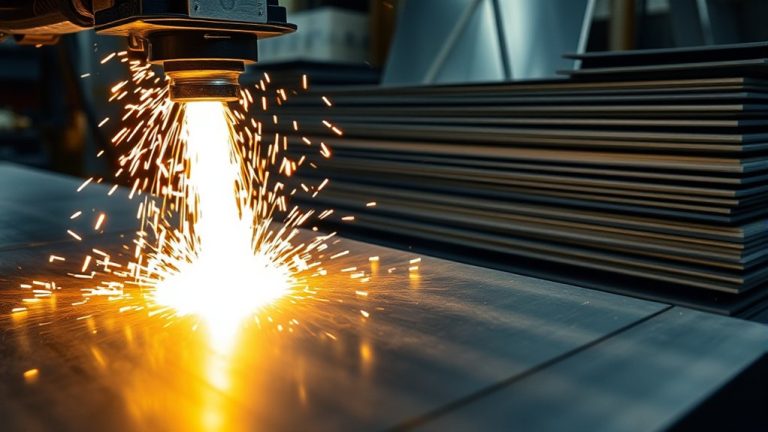
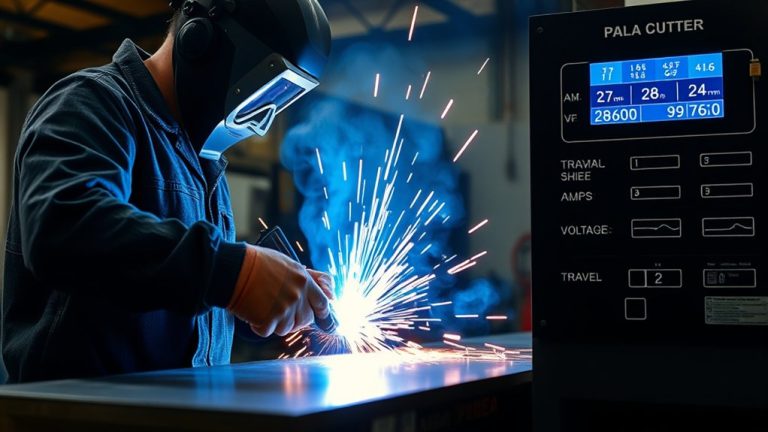
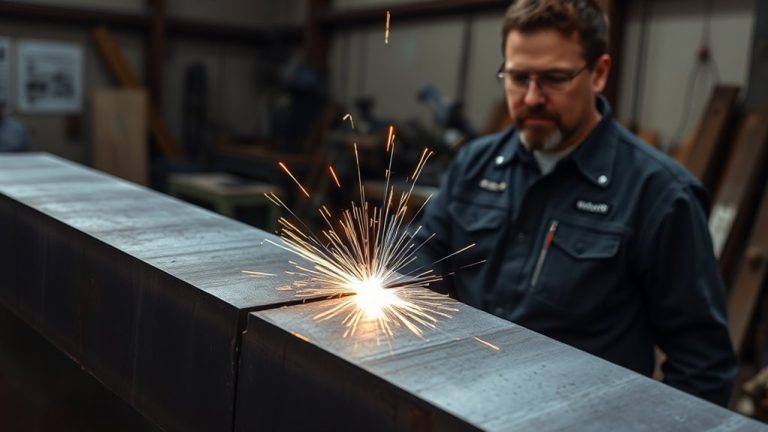
Did you know that while a plasma cutter can cut cast iron, the process isn’t as straightforward as it seems? Cast iron’s brittleness and high carbon content present unique challenges, such as potential cracking and pronounced heat-affected zones. This can result in rough edges and slag that require additional finishing. But before you decide on using a plasma cutter, consider why alternatives like oxy-fuel cutting might be more suitable.
Quick Answer
- Yes, a plasma cutter can cut cast iron, but it’s not the ideal tool due to the material’s brittleness and high carbon content.
- The main challenges are cracking, rough edges, and a large heat-affected zone (HAZ).
- Preheating the cast iron to 400–600°F (204–316°C) is essential to reduce thermal stress and prevent cracking.
- Expect to do extra finishing work—plasma-cut edges on cast iron are often rough and covered with slag.
- For better results, consider alternatives like oxy-fuel cutting, abrasive wheels, or waterjet cutting, depending on your project.
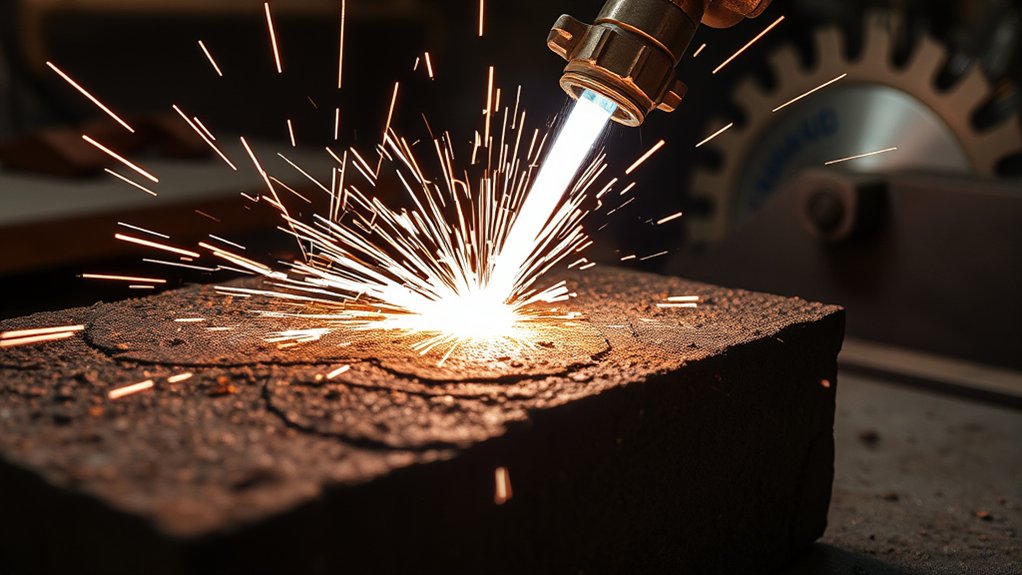
Understanding the Properties of Cast Iron
Cast iron is known for its brittleness. That brittleness comes from its high carbon content, which also makes it prone to cracking under thermal stress. When you cut cast iron, you need to account for its low thermal conductivity. The material doesn’t spread heat evenly, so temperature gradients build up quickly. Those gradients can cause thermal distortion or a wide heat-affected zone (HAZ).
Unlike more ductile metals, cast iron doesn’t handle sudden temperature changes well. That’s why plasma cutting, which uses extreme heat, often leads to cracking and warping. If you understand these properties, you can choose a cutting method that works with the material, not against it. For more details on cast iron metallurgy, check out this guide to cast iron properties from Total Materia.
Challenges in Cutting Cast Iron With Plasma Cutters
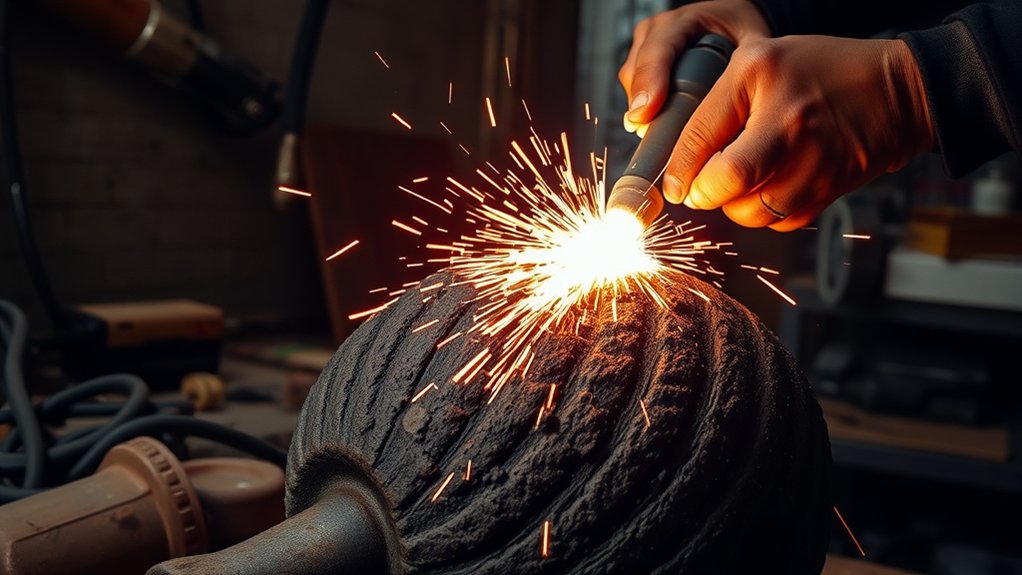
Plasma cutters generate arcs as hot as 45,000°F. When that heat hits cast iron, it can cause thermal shock, which makes cracking more likely. The material’s high carbon content also reduces electrical conductivity compared to steel. That means the arc doesn’t cut as efficiently, and you’ll struggle to get smooth, clean edges.
For material thicker than one inch, cast iron often requires more power than a standard plasma cutter can deliver. Even if your machine has the amps, the cut quality suffers. You may end up with dross (re-solidified metal) and a rough surface that needs a lot of grinding. These challenges make plasma cutting a less attractive option for cast iron unless you’re prepared to deal with the aftermath.
Comparing Plasma Cutting to Other Methods for Cast Iron
Plasma Versus Oxy-Fuel
Plasma cutting is fast and precise on conductive metals like mild steel. But on cast iron, it falls short. The brittleness and heat sensitivity make oxy-fuel cutting a better choice. Oxy-fuel uses a flame from oxygen and fuel gas, which gives you more control over heat input. That control helps prevent cracking, especially on thicker sections. It also leaves a cleaner edge, so you spend less time on post-cut cleanup. For a deeper comparison, this Miller article on plasma vs. oxy-fuel explains the trade-offs well.
Challenges With Abrasive Wheels
Abrasive wheels are another solid option. They cut by grinding, not melting, so there’s almost no heat-affected zone. That preserves the cast iron’s structure and eliminates thermal cracking. Different wheels suit different needs:
| Abrasive Wheel Types | Cutting Efficiency | Suitability for Cast Iron |
|---|---|---|
| Silicon Carbide | High for brittle surfaces | Excellent |
| Aluminum Oxide | Moderate | Good |
| Diamond | Superior precision | Ideal for thin sections |
The right wheel gives you clean, accurate cuts, especially for intricate shapes. It takes more time than plasma, but the results are worth it.
Cost and Efficiency Factors
Plasma cutting might seem fast, but when you factor in the higher power consumption and the need for specialized consumables, it gets expensive. Plus, the extra finishing work adds time and cost. Oxy-fuel costs less to run and handles thick cast iron well. Abrasive wheels are the cheapest option upfront, but they wear down and need frequent replacement. Your choice depends on whether you value speed, cut quality, or material integrity most.
Preparing for the Plasma Cutting Process
If you decide to use a plasma cutter on cast iron, preparation is everything. Start by preheating the material to 400–600°F. This relieves internal stresses and cuts down on cracking risk. Make sure your plasma cutter can deliver at least 40 amps—more if the cast iron is thick. Set the amperage and speed carefully. Too much heat makes the cut worse; too little and you’ll struggle to penetrate. Also, work in a well-ventilated area. Cutting cast iron releases fumes and fine particles that are harmful to breathe.
Techniques for Minimizing Damage to Cast Iron
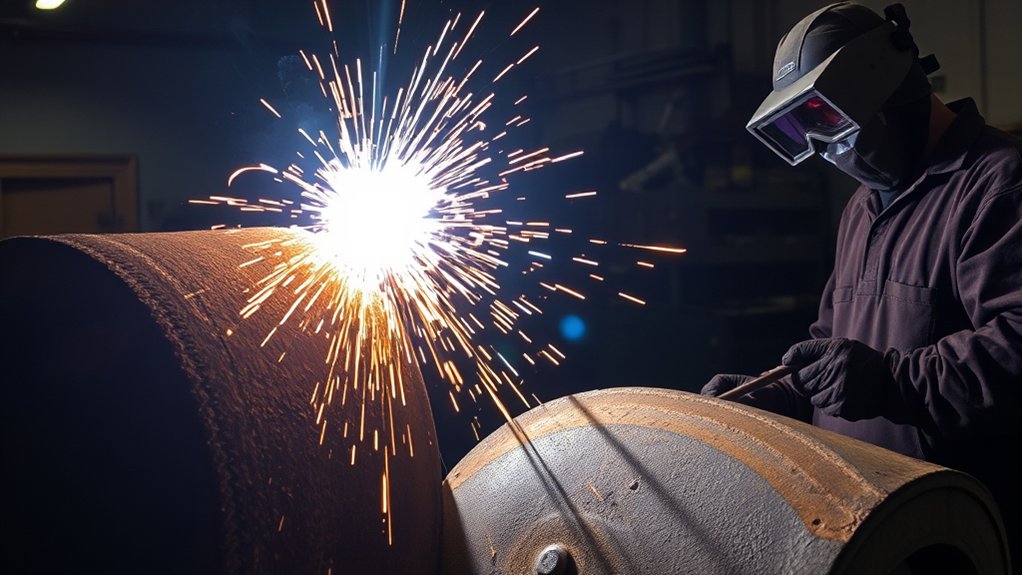
Preheating for Reduced Cracking
Preheating isn’t optional—it’s essential. Heat the cast iron evenly to 400–600°F using a propane or acetylene torch. Hold that temperature for at least 30 minutes to let the heat soak through. Use an infrared thermometer to check the surface. This step alone can save you from cracks that ruin your workpiece.
Controlled Cutting Techniques
Once the material is preheated, cut with a lower amperage setting. This reduces heat input and shrinks the HAZ. Move the torch at a steady, moderate speed—too fast and you lose penetration, too slow and you overheat the metal. If your plasma cutter has a water injection option, use it. Water cools the cut and minimizes thermal damage. Even with these techniques, expect some rough edges and slag that will need cleanup.
Safety Considerations When Cutting Cast Iron
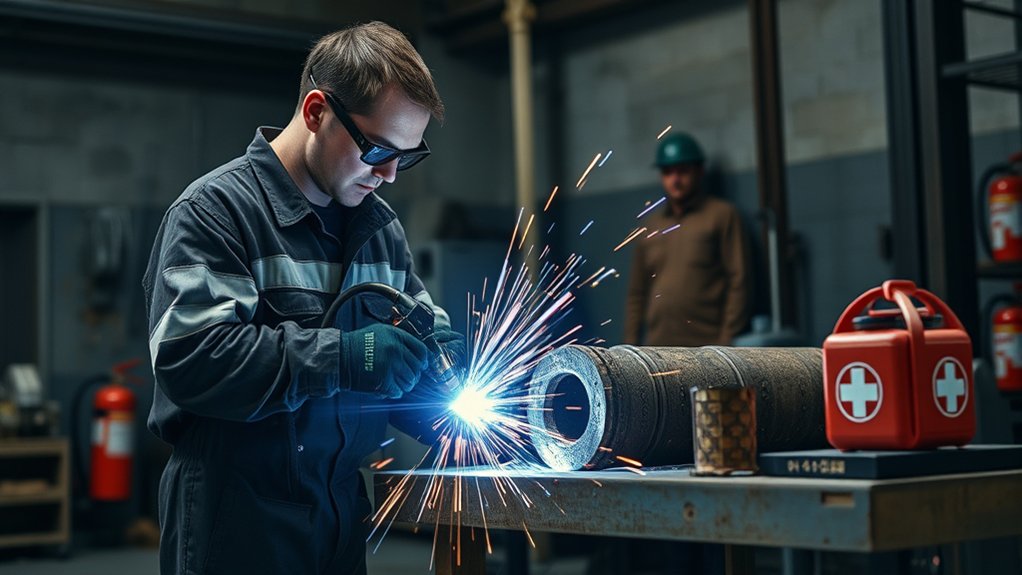
Cutting cast iron creates hazards you need to plan for. Wear a respirator, safety glasses, and heavy gloves. The fumes contain carbon and other elements that can irritate your lungs. Sparks and hot metal fly everywhere, so keep your workspace clear of flammables. Because cast iron can crack and shatter without warning, stand to the side of the cut line. Make sure your equipment is in good condition—check hoses, cables, and torch parts before you start. If you’re not trained on the plasma cutter, get instruction first. Safety isn’t something to shortcut.
Equipment and Settings for Optimal Plasma Cutting
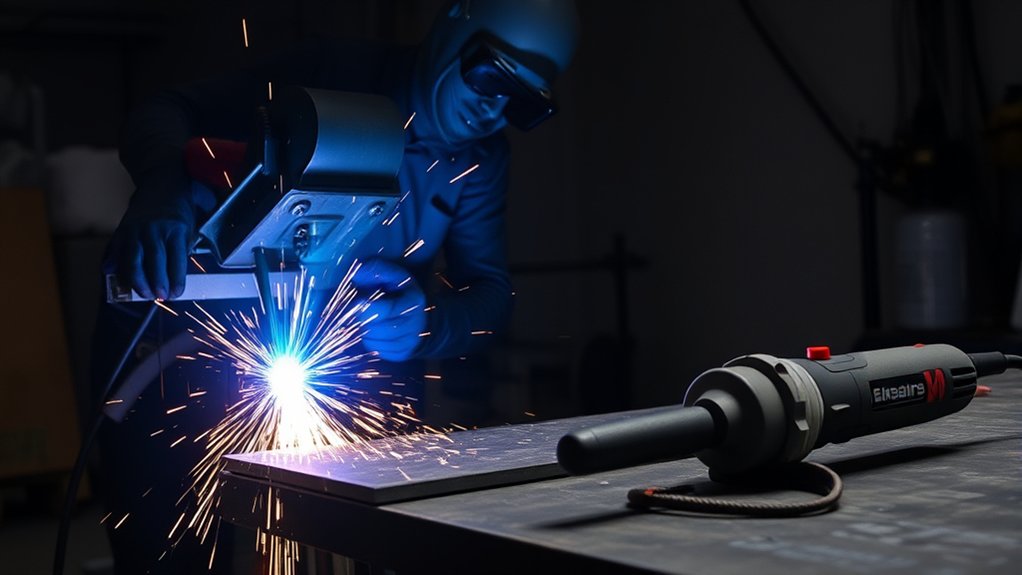
Choose a plasma cutter with enough power for the thickness you’re cutting. For cast iron, higher amperage is usually better, but you have to balance it with speed. Set the gas flow according to the manufacturer’s specs for cast iron—this keeps the arc stable. Nozzle size matters: a smaller nozzle concentrates the arc for cleaner cuts on thinner material; a larger nozzle handles thicker sections but may leave a rougher edge. Keep consumables like nozzles and electrodes fresh. Worn parts make cuts worse and increase the risk of defects.
Evaluating the Quality of Plasma Cut Edges on Cast Iron
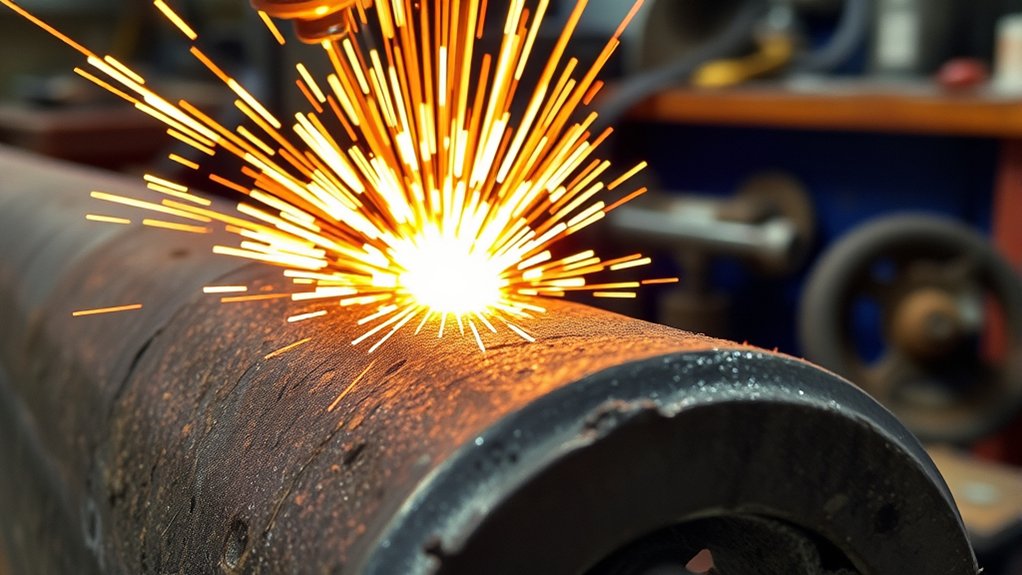
After cutting, look at the edge. With cast iron, you’ll often see three issues:
- Heat-Affected Zone (HAZ): The HAZ is usually wide and may have hardened, brittle areas.
- Surface Roughness: Plasma leaves a rough, uneven surface that needs grinding or machining.
- Slag Formation: Dross and slag stick to the bottom edge and must be chipped or ground off.
If these problems are acceptable for your project, plasma cutting can work. But if you need a clean, precise edge right off the machine, another method is better.
Exploring Alternative Cutting Methods for Cast Iron
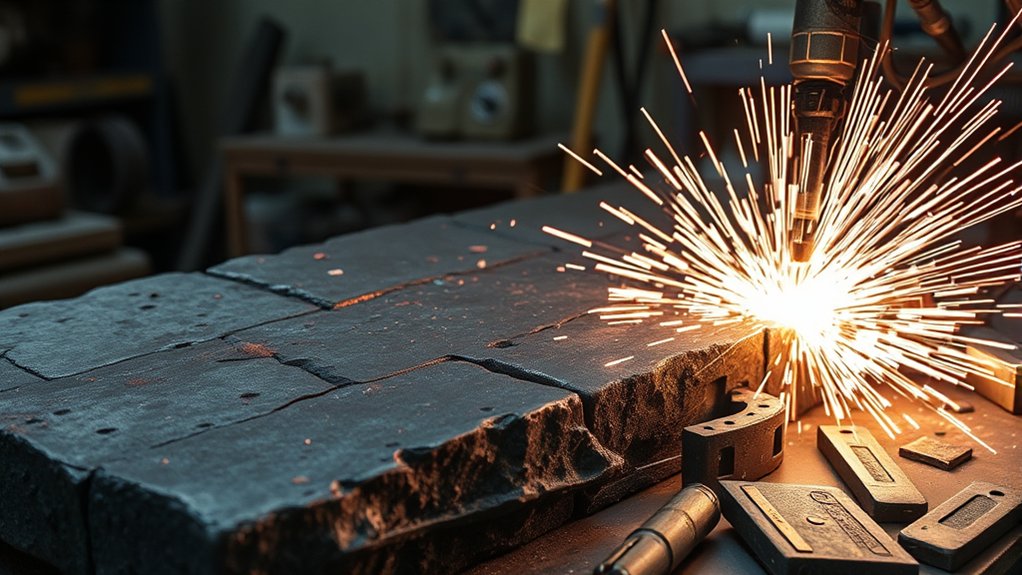
Because plasma cutting has so many drawbacks on cast iron, you should know your alternatives:
- Oxy-fuel cutting: Uses a flame, not an arc. It gives you more control and works well on thick cast iron. The heat is less intense, so cracking is less likely.
- Abrasive cutting wheels: Produce no heat, so the material stays cool and crack-free. Great for precision and thin sections.
- Waterjet cutting: Uses high-pressure water mixed with abrasive. No heat at all—perfect for avoiding any thermal damage. Excellent for intricate shapes.
- Electrical Discharge Machining (EDM): For very detailed work, EDM erodes material with electrical sparks. No heat-affected zone, and it’s extremely precise.
Each method has its own cost and speed trade-offs, but all of them handle cast iron better than plasma.
Post-Cutting Considerations
After you cut cast iron, how you handle the cooling matters. Let the piece cool slowly—don’t quench it in water or set it on a cold surface. Rapid cooling can introduce new stresses and cracks. If the part will be machined or welded later, you might need to stress-relieve it by heating it evenly and letting it cool slowly in still air. For critical components, consider a full annealing cycle: heat to around 900°F, hold for an hour per inch of thickness, then furnace cool. This restores ductility and removes residual stresses from cutting.
Frequently Asked Questions
Can Plasma Cutters Handle Different Thicknesses of Cast Iron?
Yes, plasma cutters can cut a range of thicknesses, but the thicker the cast iron, the more power you need. For material over one inch, you may need a heavy-duty industrial plasma system. Even then, cut quality drops as thickness increases.
What Are the Cost Implications of Using Plasma Cutters on Cast Iron?
Plasma cutting on cast iron costs more than you might expect. You use more electricity, go through consumables faster, and spend extra time on cleanup. If you factor in all those costs, alternatives like oxy-fuel or abrasive wheels can be more economical.
How Does Surface Finish Affect Subsequent Machining of Plasma-Cut Cast Iron?
A rough surface from plasma cutting means more machining passes and faster tool wear. You’ll need to remove more material to get a smooth finish. If the HAZ is hard, it can also dull cutting tools quickly.
Are There Environmental Impacts of Plasma Cutting Cast Iron?
Yes. Plasma cutting releases fine particles and fumes that contain carbon and other elements. Good ventilation and proper filtration are necessary to keep the air safe. The process also uses a lot of energy, which adds to its environmental footprint.
Can Plasma Cutting Affect the Structural Integrity of Cast Iron Parts?
Absolutely. The heat can create a wide HAZ with hardened, brittle areas. Cracks may form during or after cutting. If the part will bear loads, you should assume the cut edge is weaker and may need reinforcement or stress relief.