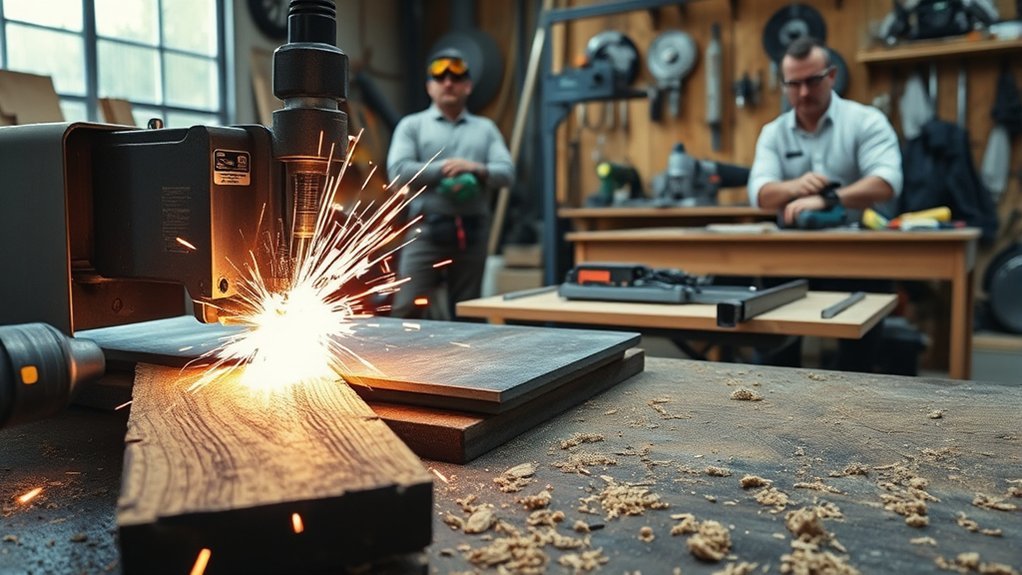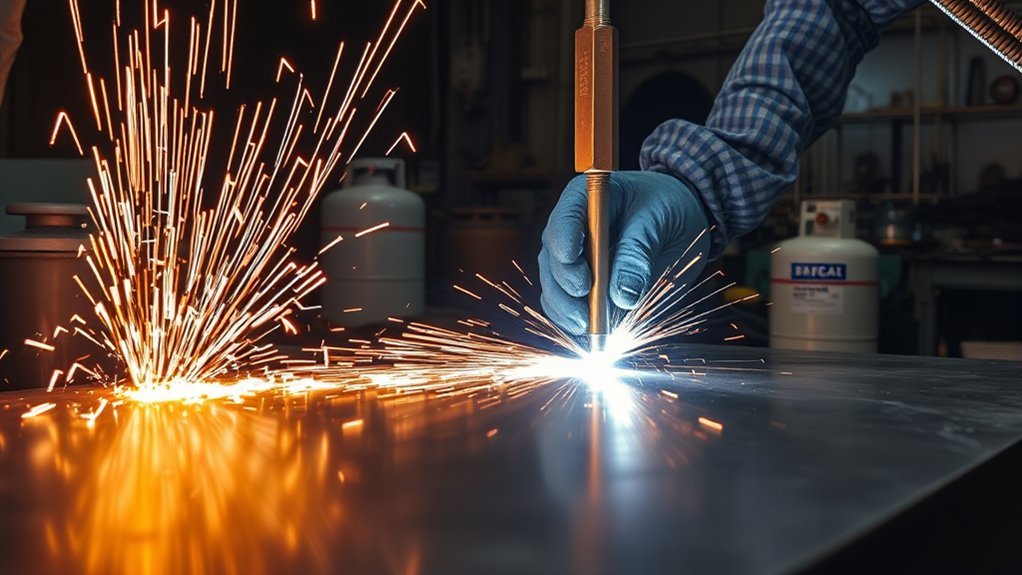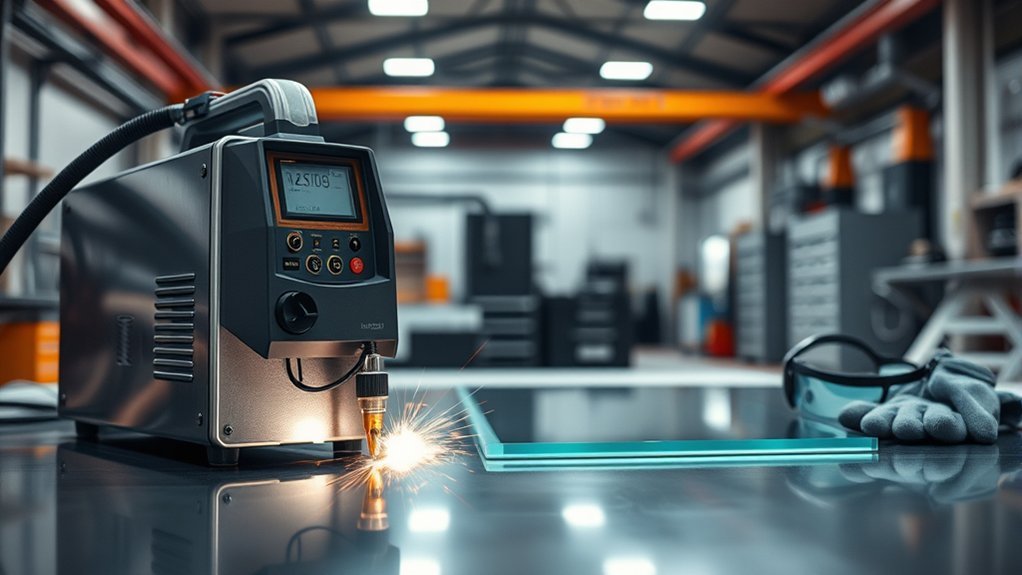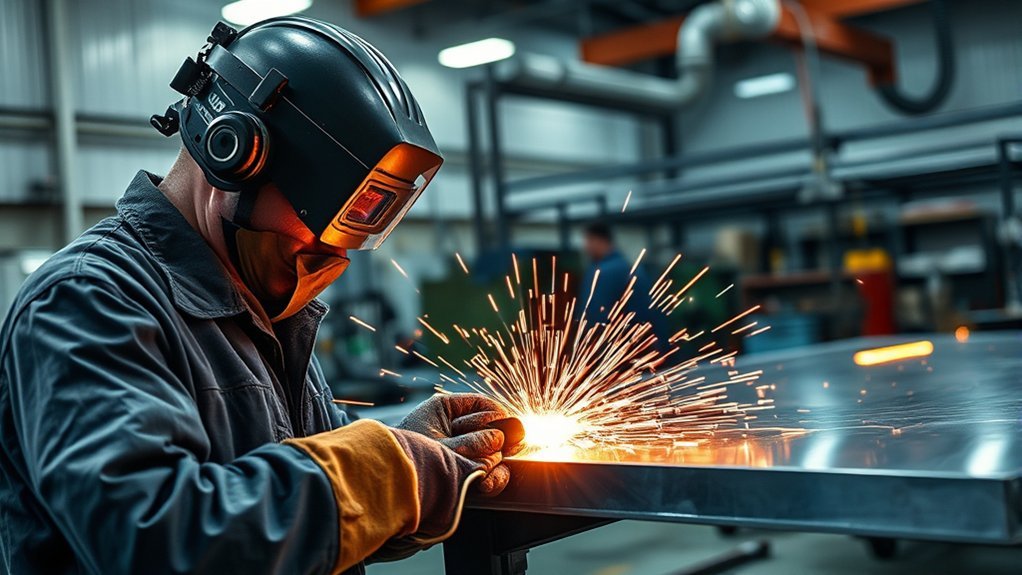
Yes, a plasma cutter can cut galvanized steel, but the job should not be treated like cutting bare mild steel. The arc heats the zinc coating and produces airborne zinc oxide fume. Safe work requires source-capture ventilation, suitable personal protective equipment, model-specific cutter settings, fire controls, and a plan to restore corrosion protection after the cut.
Quick Answer
Yes, you can plasma cut galvanized steel. Capture fumes at the cut, keep your head out of the plume, wear suitable eye, skin, hearing, and respiratory protection, and use the machine’s own cut chart. Never rely on a universal amperage, pressure, or speed setting—or on outdoor air alone.
Key Takeaways
- Heating galvanized steel produces zinc oxide fume that can cause metal fume fever.
- Local exhaust ventilation at the cut is the primary indoor control; a respirator does not replace ventilation.
- Choose amperage, air flow, speed, torch height, and consumables from the exact machine and torch cut chart.
- Keep combustibles at least 35 feet away or shield them, and select a fire extinguisher for the actual hazard.
- Clean and repair the exposed cut edge when corrosion protection must be maintained.
At a Glance
| Time Required | About 20–45 minutes for inspection, setup, and a short test cut; production time depends on the project. |
| Difficulty | Intermediate to advanced because of fume, fire, electrical, and coating hazards. |
| Tools Needed | Plasma cutter, manufacturer cut chart, correct consumables, clean and dry air supply, local exhaust, suitable PPE, clamps, and appropriate fire equipment. |
| Cost | Varies widely. Do not begin unless suitable fume extraction, PPE, and fire protection are already available. |
Warning: This guide does not replace your plasma cutter manual, an exposure assessment, a workplace hot-work permit, or confined-space procedures. Do not cut sealed, pressurized, contaminated, or previously used containers unless they have been evaluated and prepared by qualified personnel.
Can You Plasma Cut Galvanized Steel?

Plasma cutting uses an electrically conductive stream of ionized gas to melt metal and blow molten material out of the kerf. Because galvanized steel is electrically conductive, a plasma cutter can cut it efficiently.
The main difference from bare steel is the zinc coating. When the coating is heated, it can form zinc oxide fume. The NIOSH Pocket Guide for zinc oxide identifies the respiratory system as the target organ and lists metal fume fever among the main health effects.
Galvanized sheet is often mild steel under the coating, but do not assume that every coated part has the same base metal. Confirm the material specification, thickness, coating, and any paint, oil, adhesive, plating, or chemical residue before choosing a process.
Note: Smell, visible smoke, or the absence of irritation cannot prove that the air is safe. Workplace exposure decisions should be based on the material, process, ventilation, and air-monitoring results.
Before Cutting: Inspect the Material and Work Area
Complete these checks before turning on the plasma cutter:
- Identify the base metal and coating. Confirm that the part is galvanized steel and check for paint, primer, adhesive, oil, rust treatment, lead, cadmium, or other coatings.
- Review safety information. Read the plasma cutter manual, the consumable chart, and available safety data for coatings, cleaners, and repair products.
- Reject unsafe containers. Do not cut closed tanks, drums, pipes, cylinders, pressure vessels, or containers that held fuel, solvents, chemicals, or reactive material without a qualified cleaning and hot-work procedure.
- Plan fume capture. Position local exhaust close enough to pull fumes away from the operator without disturbing the plasma arc.
- Inspect the cutting area. Look above, below, behind, and on the opposite side of walls or partitions for combustible materials.
- Check the machine. Inspect the power cord, torch lead, work lead, air line, consumables, guards, and safety interlocks.
- Confirm clean air. The plasma air supply should meet the machine manufacturer’s requirements and be free of damaging moisture, oil, and debris.
Health Risks of Cutting Galvanized Steel

The main coating-related hazard is inhalation of zinc oxide fume. Exposure can cause metal fume fever, a flu-like illness that may begin several hours after the work ends.
Possible symptoms include:
- Fever, chills, weakness, or muscle aches
- Dry throat, cough, or a metallic taste
- Headache, nausea, or vomiting
- Chest tightness or shortness of breath
Plasma cutting can also produce ozone, nitrogen oxides, fine particles, and fumes from paint, oil, cleaners, or other metals. A particulate filter selected for zinc oxide may not protect against every gas or vapor present.
Metal fume fever can be delayed. Feeling normal immediately after the cut does not prove that the exposure was harmless.
Warning: Stop work and move to fresh air after suspected fume exposure. Seek medical evaluation if fever, cough, nausea, chest tightness, or other symptoms develop. Call emergency services for severe breathing difficulty, chest pain, confusion, fainting, or rapidly worsening symptoms.
Personal Protective Equipment for Plasma Cutting

PPE protects against arc radiation, sparks, hot metal, sharp edges, noise, and residual inhalation hazards. It is the last layer of protection, not a replacement for ventilation or safe work practices.
| Protection | Recommended Approach |
|---|---|
| Eyes and face | Safety glasses with side shields under a plasma-cutting helmet or face shield with the correct filter shade. |
| Body | Clean, dry, oil-free flame-resistant clothing, cuffless pants, closed high-top footwear, and added leather protection where sparks are heavy. |
| Hands | Dry, insulated cutting or welding gloves suitable for heat and sharp metal edges. |
| Hearing | Earplugs or earmuffs appropriate for the measured or expected noise level. |
| Respiratory | A NIOSH-certified respirator selected for the identified contaminants and exposure level when engineering controls do not provide enough protection. |
Products Worth Considering

EYE & FACE PROTECTION - Jackson Safety’s GPL550 Safety Goggles with a detachable flip-up face shield ensure your safety in the most demanding environments with indirect vents and anti-fog coating

INFARED (IR) PROTECTION - Certified IR 5.0 protection for use in grinding, oxyfuel cutting, plasma cutting and more
Eye and Face Protection
Use safety glasses with side shields even when wearing a cutting helmet. Select the filter shade from the plasma cutter manual and applicable workplace requirements. OSHA publishes minimum protective-shade guidance for plasma arc cutting, but the equipment manufacturer may require a darker lens for a particular current or process. See OSHA’s eye and face protection table.
Respirator Selection
Do not choose a respirator only because its package mentions welding or metal fumes. The correct device depends on the contaminants, airborne concentration, oxygen level, work duration, and whether gases or vapors are present.
In a workplace, OSHA’s respiratory protection standard requires hazard evaluation, NIOSH-certified equipment, medical evaluation, fit testing for tight-fitting facepieces, training, inspection, and a written program when respirator use is required. Facial hair or other items must not interfere with the face seal.
Unknown, oxygen-deficient, or immediately dangerous atmospheres require specialized supplied-air or self-contained equipment and a formal rescue plan. They are not suitable for improvised hobby work.
Flame-Resistant Clothing
Wear clothing made and maintained for hot work. Keep it dry and free of oil or flammable contamination. Avoid polyester, nylon, and other fabrics that can melt against the skin. Button collars and pockets, keep pant legs outside boots, and avoid cuffs that can trap sparks.
Ventilation and Fume Extraction

Local exhaust ventilation captures contaminants before they enter the operator’s breathing zone. For indoor cutting of zinc-coated materials, OSHA directs employers to use local exhaust hoods or booths under its welding and cutting ventilation provisions.
Position the hood as close to the cut as practical without interfering with the arc, torch movement, or workpiece. The airflow should move fumes away from the operator and other people—not across their faces.
- Turn on extraction before cutting. Confirm that the system is operating and discharging or filtering air as designed.
- Place the capture point beside the plume. Do not work directly over the kerf or put your head between the cut and the hood.
- Control replacement air. Make-up air should be clean and should not push fumes back into the breathing zone.
- Protect nearby workers. Use screens, restricted access, and ventilation so helpers and bystanders are not exposed to fumes or arc radiation.
- Verify performance. Recurring workplace operations may require air monitoring to confirm that controls keep exposure within applicable limits.
Pro Tip: Put the extraction hood on the side that draws the plume away from your face. A strong fan behind you can push fumes through your breathing zone before they reach the exhaust.
Products Worth Considering
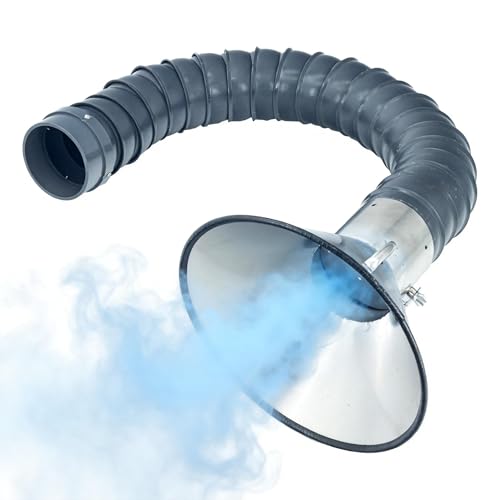
3.3ft long adjustable flexible hose duct, 4 inch diameter.(Connector: 110mm OD,100 ID)
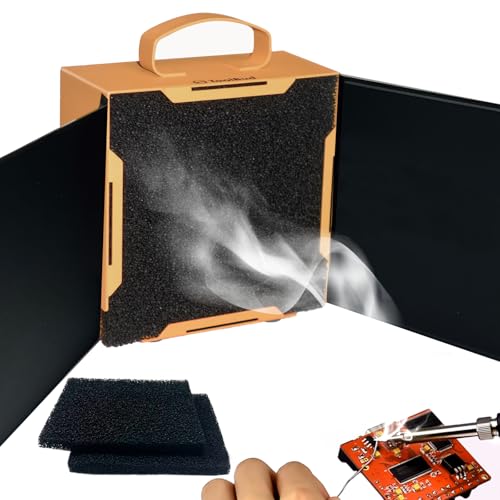
Efficient Smoke Absorption-The solder fume extractor quickly and effectively removes smoke, dust, and odors from your workspace. Whether you're soldering or welding, this device ensures a clean and healthy environment. This Solder Smoke Absorber comes with 2 filters for you change

FR MATRIALS:7oz mid-weight 100% cotton flame resistant knit,all the matrials from our FR crew/henley shirts and classified by UL.Solid colors and printed patterns up to 9 options.
Outdoor Cutting
Outdoor cutting may reduce fume accumulation, but wind is not a dependable control. Work upwind, prevent fumes from entering doors or air intakes, keep other people away, and use source capture when practical. Stop if the wind changes or fumes move through your breathing zone.
Confined and Partially Enclosed Spaces
Do not plasma cut galvanized steel in a tank, vessel, pit, small compartment, or similar confined space without a formal confined-space program. The work may require atmospheric testing, mechanical ventilation, an attendant, communications, rescue provisions, and an approved atmosphere-supplying respirator. Oxygen must never be used as ventilation.
Plasma Cutter Settings: Use the Manufacturer’s Cut Chart

There is no universal amperage, pressure, or travel-speed setting for galvanized steel. Settings change with the power source, torch, consumables, base metal, thickness, input power, air quality, and whether the cut is handheld or mechanized.
Use the cut chart in the exact operator manual for your machine. Hypertherm’s plasma-cutting guidance likewise directs operators to select amperage from the owner’s-manual chart for the material thickness.
| Setting | How to Select It |
|---|---|
| Process and base metal | Choose the chart for the actual base metal. Most galvanized sheet is mild steel, but confirm the specification. |
| Amperage | Use the chart value that matches thickness and the installed consumable set. |
| Air pressure or flow | Follow the manual. Some systems regulate pressure automatically; others require a specified dynamic pressure or flow test. |
| Cut speed | Begin with the chart speed and adjust only after inspecting a test cut. |
| Torch position | Use the specified drag, standoff, cut height, and pierce height for the installed torch and consumables. |
| Work lead | Clamp to clean metal as close to the cut as practical, on a section that will not fall away. |
Warning: Do not cure an arc-start problem by randomly increasing amperage or air pressure. Excess current can overload a tip, while incorrect pressure can cause poor starting, unstable cutting, rapid wear, or internal torch damage.
Step-by-Step Cutting Process
- Read the cut chart. Select the base metal, thickness, process, amperage, consumables, air requirements, and torch position specified for your system.
- Prepare the workpiece. Remove loose dirt, grease, moisture, and flammable residue. Do not use chlorinated cleaners near hot work.
- Set up local exhaust. Place the capture hood so fumes move away from you and nearby workers.
- Clear the hot-work zone. Move combustibles at least 35 feet away when practical or protect them with approved covers and shields.
- Put on PPE. Check your eye protection, gloves, clothing, hearing protection, and any required respirator.
- Connect the work lead. Clamp it to a clean, secure point close to the cut.
- Perform a test cut. Use scrap of the same base metal and thickness when available. Inspect penetration, bevel, dross, and consumable condition.
- Make the cut. Keep the torch at the specified angle and distance, move smoothly, and keep your head out of the plume.
- Stop for unsafe conditions. End the cut if extraction fails, fumes enter your breathing zone, the torch becomes unstable, or sparks reach an uncontrolled area.
- Shut down safely. Follow the machine manual, allow the work to cool, inspect for hidden fire, and complete any required fire watch.
Troubleshooting Common Problems
| Problem | Checks and Corrections |
|---|---|
| Arc will not start | Check input power, safety interlocks, work-lead contact, air supply, consumable installation, torch parts, and error indicators. Return settings to the cut chart. |
| Heavy bottom dross | Compare travel speed and amperage with the chart. Inspect air quality, torch height, and worn consumables. |
| Large bevel | Keep the torch square, verify travel direction, check torch height, and inspect the nozzle orifice for damage. |
| Warping | Reduce unnecessary heat input, use the correct speed, clamp the sheet, change the cutting sequence, or allow cooling between nearby cuts. |
| Excessive smoke near the operator | Stop immediately. Reposition or repair the extraction system, check wind and replacement air, and reassess the coating and contamination. |
| Cut stops partway through | Check duty cycle, input voltage, air pressure under flow, moisture, consumables, work-lead contact, and machine fault codes. |
Consumable Selection and Maintenance

Use only the consumable combination listed for your torch, current, and cutting mode. A nozzle size or current rating from another torch is not a safe substitute, even when the parts appear similar.
Before each cutting session:
- Confirm every part number against the manual or cut chart.
- Inspect the nozzle orifice for distortion, notching, or an oval shape.
- Inspect the electrode for wear using the manufacturer’s replacement limit.
- Check the swirl ring, retaining cap, shield, and O-rings for damage or contamination.
- Make sure parts are installed in the correct order and tightened as directed.
- Drain moisture and inspect air filtration if the machine does not have automatic treatment.
Worn consumables can create bevel, dross, poor starting, double-arcing, and an unstable kerf. Replace damaged parts instead of trying to compensate with higher current, higher pressure, or slower travel.
Pro Tip: Record the machine, material thickness, consumable part numbers, chart settings, and test-cut result. A simple job log makes repeated work faster without turning one machine’s settings into a false universal rule.
Fire Safety and Hot-Work Controls

Hot metal and sparks can travel through openings, collect under equipment, and ignite material on the hidden side of a wall, floor, roof, or partition. OSHA’s welding and cutting requirements call for combustibles to be moved at least 35 feet away when practical or protected with suitable covers or shields.
- Inspect above, below, behind, and on the opposite side of the cutting surface.
- Remove paper, sawdust, fabric, fuel, solvents, aerosols, gas cylinders, and combustible dust.
- Protect floor and wall openings that could carry sparks to another area.
- Keep suitable fire-extinguishing equipment immediately available.
- Assign a trained fire watch when combustibles, concealed spaces, or other conditions could allow more than a minor fire.
- Continue the fire watch for at least 30 minutes after cutting when OSHA’s fire-watch conditions apply.
Selecting the Correct Fire Extinguisher
Choose the extinguisher for the materials that could burn. A multipurpose ABC extinguisher is common where ordinary combustibles, flammable liquids, and energized electrical equipment are present, but the facility’s fire-risk assessment controls the final selection.
A Class D extinguisher is for an identified combustible-metal hazard, such as certain metal powders, flakes, or shavings. It is not automatically required simply because the workpiece is steel or zinc-coated. OSHA’s fire-extinguisher guide explains the different fire classes.
Warning: Do not apply water to energized electrical equipment or to a combustible-metal fire. Attempt to extinguish only a small, incipient-stage fire when you are trained, have the correct extinguisher, and retain a clear escape route.
Electrical Safety, Protective Grounding, and the Work Lead
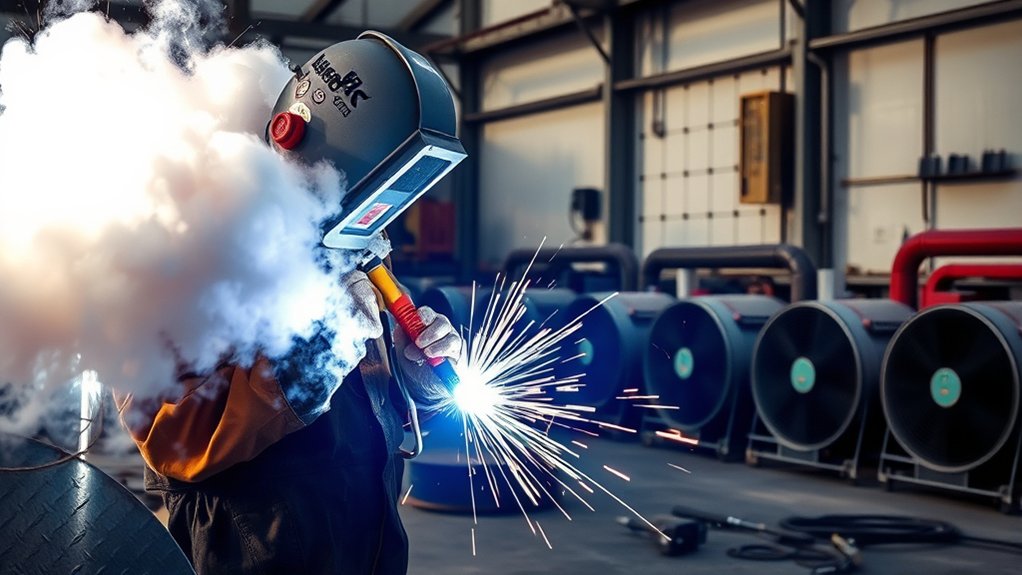
A plasma cutter contains hazardous input voltage and produces an electrically live cutting circuit. Keep the machine, gloves, clothing, floor, torch, and work area dry.
Protective Equipment Grounding
The power source must be connected to a properly installed and grounded electrical supply that meets the machine manual and applicable electrical code. The input equipment-grounding conductor helps protect against electrical faults. Do not remove a grounding pin, use a damaged extension cord, or improvise an input connection.
Work-Lead Placement
The work lead completes the cutting-current path. It is not a substitute for the input equipment ground.
- Attach the work clamp to clean metal with firm metal-to-metal contact.
- Place it as close to the cut as practical.
- Do not attach it to a section that will fall away during cutting.
- Keep the current path away from bearings, electronic equipment, lifting chains, and unknown structural paths.
- Do not use a chain, rope, or loose contact as a work connection.
Electrical Inspection and Service
Before use, inspect the input cord, plug, torch lead, work lead, air hose, connectors, panels, and strain reliefs. Remove the machine from service if insulation is cracked, conductors are exposed, connectors overheat, or safety interlocks do not work.
Disconnect input power and follow the manufacturer’s lockout and discharge instructions before opening or servicing the power source. Repairs should be completed only by qualified personnel using approved parts and procedures.
Note: A dry insulating mat can add protection when appropriate, but it does not correct faulty grounding, damaged insulation, wet equipment, or an unsafe electrical supply.
After Cutting: Cool, Clean, Inspect, and Repair
- Let the work cool. Treat the cut edge, slag, table, clamps, and offcuts as hot until verified otherwise.
- Complete the fire watch. Check hidden spaces, floors, containers, filters, and waste for sparks or smoldering material.
- Remove dross and sharp edges. Use suitable tools and control any zinc-containing grinding dust.
- Clean the surface. Remove residue using a method compatible with the steel and the planned repair coating.
- Inspect the heat-affected area. Look for warping, cracks, excessive bevel, incomplete cuts, and coating damage.
- Restore corrosion protection. Repair exposed areas when the part’s service conditions require continued galvanized protection.
Plasma cutting burns away zinc at and near the kerf. ASTM A780/A780M describes recognized methods for repairing damaged hot-dip galvanized coatings, including zinc-rich paint, zinc-based solder, and thermal-sprayed zinc. Follow the project specification and the repair-product instructions.
Warning: Apply zinc-rich paint or another repair product only after hot work has ended and the metal has cooled. Read the product safety data because solvents, aerosols, and uncured coatings may be flammable or hazardous when heated.
Structural and Safety-Critical Parts
Plasma cutting creates a local heat-affected zone and can cause edge hardening, warping, or residual stress. The effect is usually concentrated near the cut, not throughout the entire workpiece.
Do not modify load-bearing structures, lifting equipment, pressure-containing parts, vehicle frames, roll cages, or other safety-critical components without the applicable design approval, code, and qualified fabrication procedure.
Inspection, Training, and Exposure Control

Regular training should cover the machine manual, cut charts, consumable identification, fume controls, PPE, respirator limits, hot-work permits, fire watches, electrical safety, and emergency response.
For repeated workplace cutting, keep records of:
- Materials and coatings being cut
- Ventilation inspections and maintenance
- Air-monitoring results where required
- Respirator selection, medical clearance, fit testing, and training
- Machine inspections, repairs, and consumable changes
- Incidents, symptoms, near misses, and corrective actions
Workers who develop symptoms after fume exposure should report the incident and receive appropriate medical evaluation. Occupational-health surveillance should be based on the actual exposure profile and applicable workplace requirements rather than a generic screening schedule.
Frequently Asked Questions
Can plasma cutting affect the structural integrity of galvanized steel?
It can affect the cut edge and nearby heat-affected zone by causing warping, local hardness changes, or residual stress. It does not automatically weaken the entire part. Safety-critical or code-regulated parts should be evaluated under an approved engineering and fabrication procedure.
What are the environmental effects of plasma cutting galvanized steel?
The process produces airborne particles, metal-containing residue, used filters, dross, and damaged coating. Capture emissions at the source, maintain filtration equipment, and dispose of collected dust and waste under applicable local and facility requirements.
How does plasma cutting affect the galvanized coating?
The arc burns zinc away at the kerf and can damage coating beside the cut. The newly exposed steel may corrode if it is left unprotected. Clean and repair the area when required by the project specification or service environment.
Can galvanized steel be plasma cut outdoors?
Yes, but outdoor air is not a complete fume-control plan. Stay upwind, keep fumes away from other people and building openings, use source capture when practical, and stop when wind carries fumes through the breathing zone.
What alternatives create less heat than plasma cutting?
Depending on thickness and shape, options include hand or powered shears, nibblers, cold saws, and waterjet cutting. Laser cutting is another precise process, but it is thermal and still needs effective fume extraction.
Should I grind the zinc coating off before plasma cutting?
Removing coating from the cut zone may reduce the amount heated by the arc, but grinding creates zinc-containing dust and does not eliminate the need for ventilation. Use dust extraction, suitable PPE, and the material or equipment manufacturer’s procedure. Do not let metal dust accumulate.
What respirator filter should I use for galvanized-steel fumes?
There is no universal answer. Zinc oxide is a particulate, but cutting can also produce gases, vapors, or contaminants from other coatings. Select a NIOSH-certified respirator from a hazard and exposure assessment. Required workplace use also involves medical evaluation, fit testing, training, and a respiratory protection program.
What should I do if I feel sick after cutting galvanized steel?
Stop exposure, move to fresh air, report the incident when at work, and seek medical advice if fever, chills, cough, nausea, chest tightness, or other symptoms develop. Call emergency services for severe breathing difficulty, chest pain, fainting, confusion, or rapidly worsening symptoms.
Conclusion
Plasma cutting galvanized steel is possible, but safe results depend on more than wearing a mask and choosing a low amperage. Capture zinc-containing fumes at the source, select respiratory protection from the actual hazard, and follow the exact machine cut chart for amperage, air, speed, torch position, and consumables.
Keep the hot-work area clear, use fire equipment suited to the real hazard, maintain proper electrical grounding and work-lead contact, and stop whenever ventilation or machine performance becomes unsafe. After cutting, inspect the heat-affected edge and restore corrosion protection where required. These steps protect both the operator and the finished part.
Sources
- OSHA 29 CFR 1910.252—Welding, Cutting, and Brazing — ventilation, zinc-coated materials, hot-work controls, fire watches, and confined spaces.
- OSHA 29 CFR 1910.134—Respiratory Protection — hazard evaluation, NIOSH-certified respirators, fit testing, medical evaluation, and program requirements.
- NIOSH Pocket Guide—Zinc Oxide — exposure limits, symptoms, target organs, and respirator-selection information.
- OSHA Eye and Face Protection — minimum filter-shade guidance for plasma arc operations.
- Hypertherm—How to Plasma Cut — manufacturer guidance on selecting amperage and settings from the owner’s-manual cut chart.
- ASTM A780/A780M — recognized methods for repairing damaged and uncoated galvanized areas.