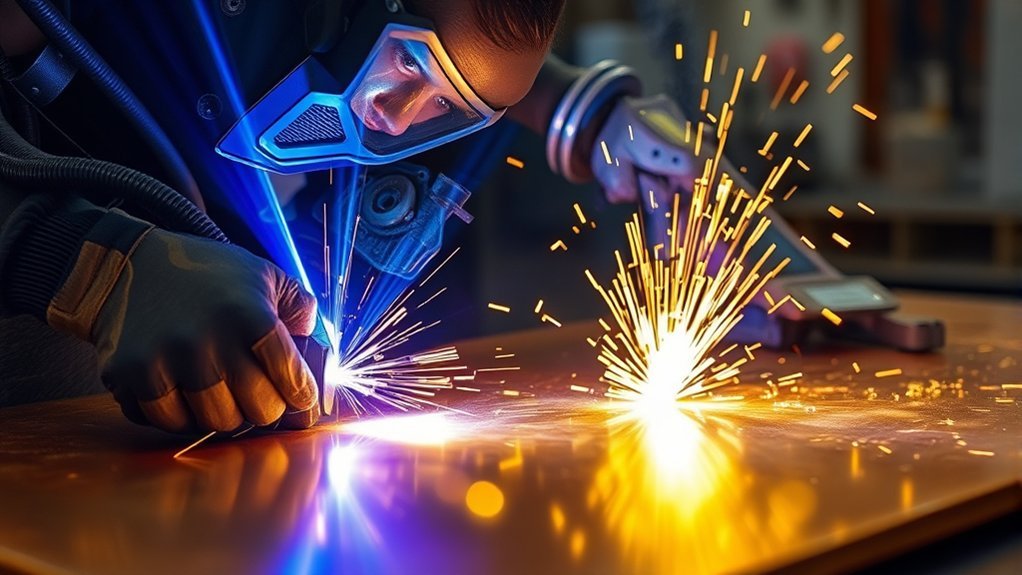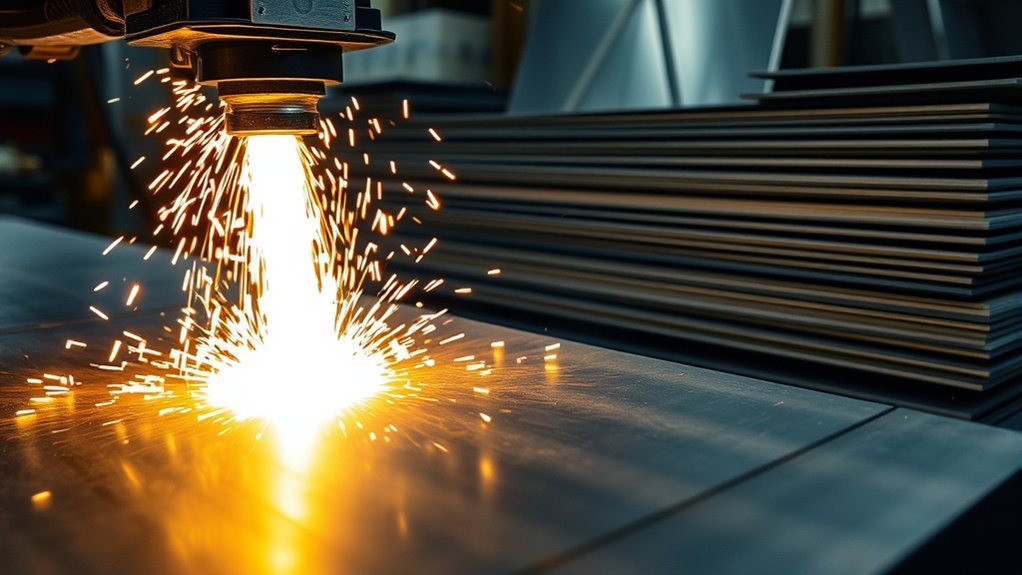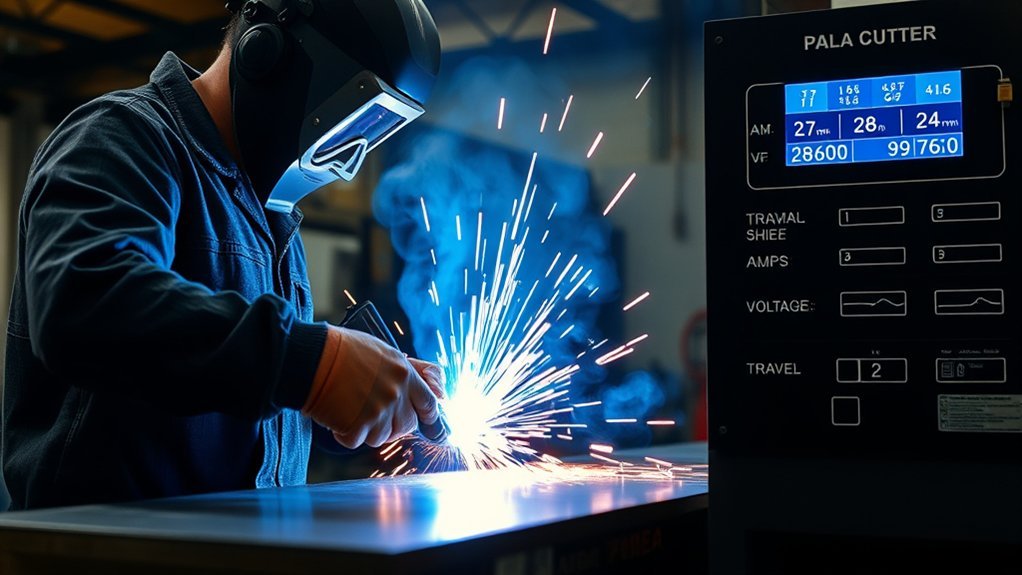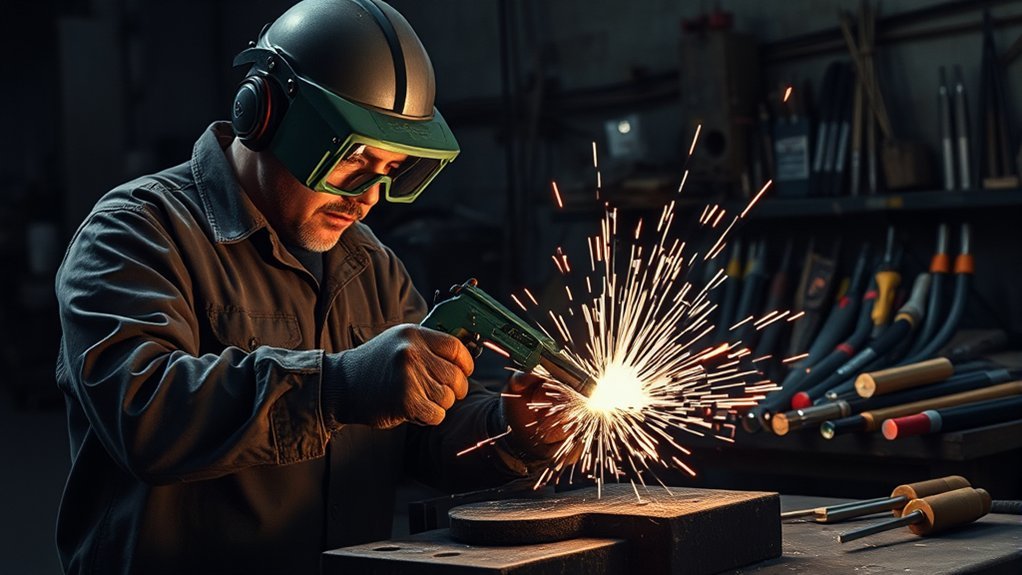
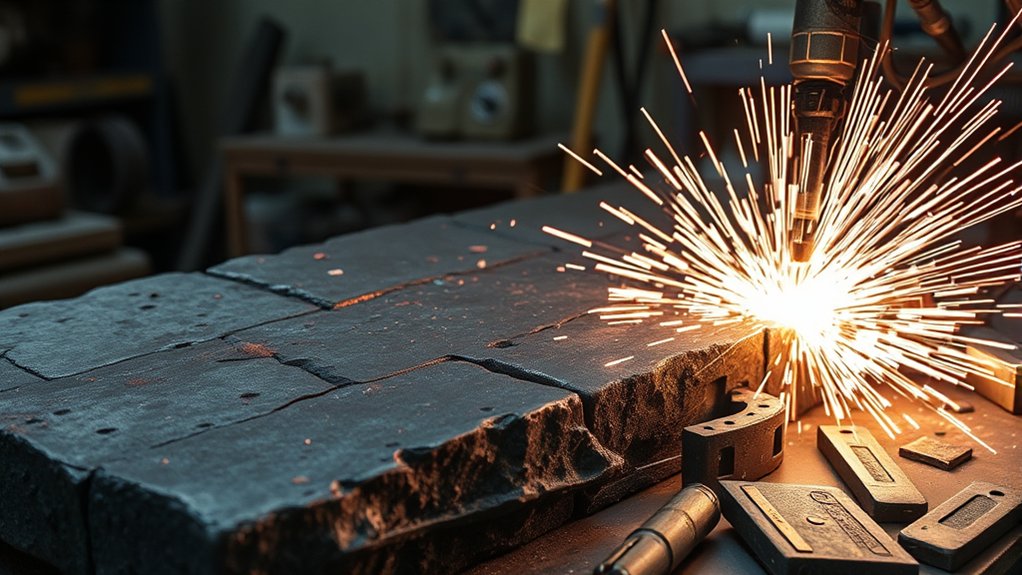
Yes, a plasma cutter can cut cast iron, but the result depends on the casting, its thickness, the machine, and how clean the edge must be. Cast iron is electrically conductive, so the plasma process works. The main trade-offs are a rougher cut face, more dross, possible edge hardening, and a greater need to inspect the part before it returns to service.
Quick Answer
Yes. A plasma cutter can cut cast iron because cast iron conducts electricity. Expect a rougher edge and more dross than on mild steel, and use the machine maker’s cut chart rather than a universal amperage. Conventional oxy-fuel is usually a poor choice for cast iron; abrasive or waterjet cutting may suit precision work better.
Key Takeaways
- Plasma can cut gray, ductile, and other cast irons because they conduct electricity.
- Do not use a fixed “40-amp minimum” or deliberately low amperage. Follow the cut chart for your torch, consumables, and thickness.
- Preheating is conditional, not automatically required. Thick, restrained, or valuable castings may need an engineer-approved procedure.
- Conventional oxy-fuel cutting is generally unsuitable for cast iron; abrasive cutting and waterjet are often better alternatives.
- Use local fume extraction, correct eye and skin protection, hearing protection, and a fire-safe work area.
At a Glance
| Time Required | About 15–60 minutes for setup, test cut, cutting, cooling, and cleanup |
| Difficulty | Intermediate; advanced for thick, restrained, structural, or irreplaceable castings |
| Tools Needed | Plasma cutter, correct consumables, dry compressed air, work clamp, PPE, local exhaust, fire extinguisher, and grinding or machining tools |
| Cost | Low to moderate when the equipment is already owned; precision waterjet or EDM work costs more |
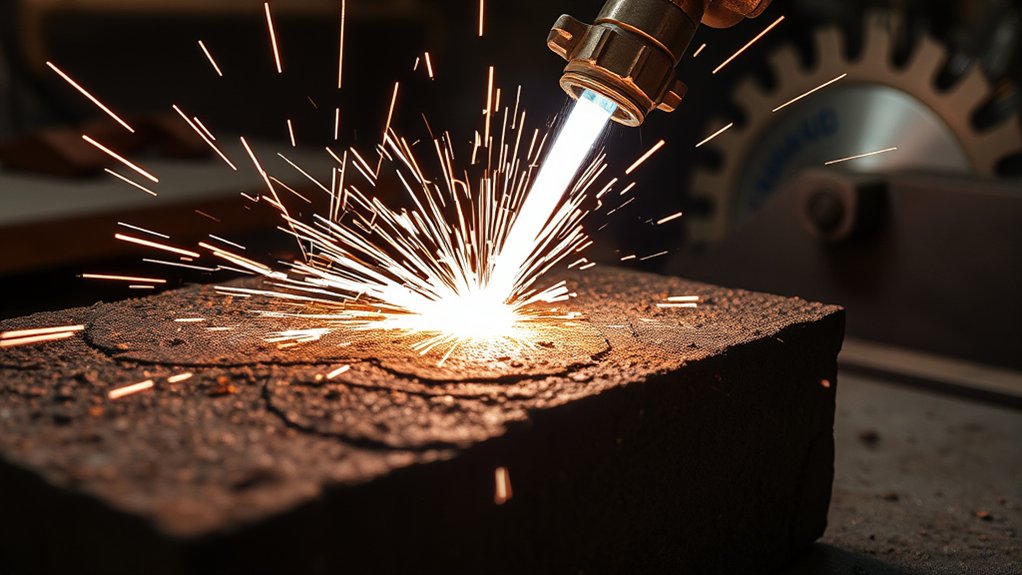
Why Cast Iron Cuts Differently
Cast iron is a family of iron-carbon alloys, not one uniform material. Gray iron is usually more brittle because graphite forms as flakes. Ductile iron has rounded graphite nodules and is generally tougher. White iron, malleable iron, alloyed cast iron, and repaired or heat-damaged castings can respond differently again.
That variation matters because a cut that is acceptable on a scrap housing may be unacceptable on a load-bearing bracket, brake part, steering component, pressure-containing casting, engine block, machine frame, or irreplaceable antique part. Before cutting, identify the casting type and decide whether the part is cosmetic, disposable, repairable, or safety-critical.
Plasma cutting works by using a constricted arc to melt metal and a high-velocity gas stream to eject it. The Welding Institute notes that plasma can cut conductive metals that form refractory oxides, including cast iron, while conventional oxy-fuel cannot cut them readily. TWI’s plasma-arc process guide explains the difference.
What to Expect From the Cut
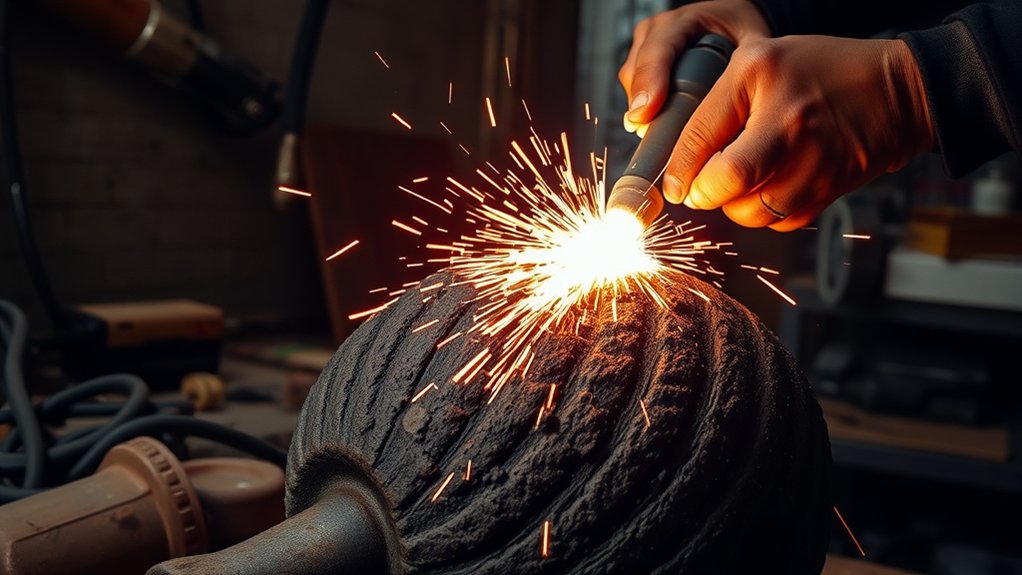
A plasma arc reaches temperatures in the tens of thousands of degrees, but the useful question is not the peak arc temperature. Cut quality depends on torch design, amperage, gas flow, travel speed, stand-off, consumable condition, casting shape, and thickness. On cast iron, expect:
- A rougher cut face: The edge is often less smooth than a comparable cut in mild steel.
- Bottom dross: Re-solidified metal may cling to the underside and require chipping, grinding, or machining.
- Edge hardening: The heat-affected zone may become harder and more difficult to machine.
- Crack risk: Thick, highly restrained, previously damaged, or complex castings are more vulnerable to thermal shock.
- Variable results: Porosity, inclusions, repair welds, and changes in wall thickness can alter the arc and cut.
A usable plasma cut is realistic; a clean, machine-finished edge straight from the torch is not.
Plasma Cutting Compared With Other Methods
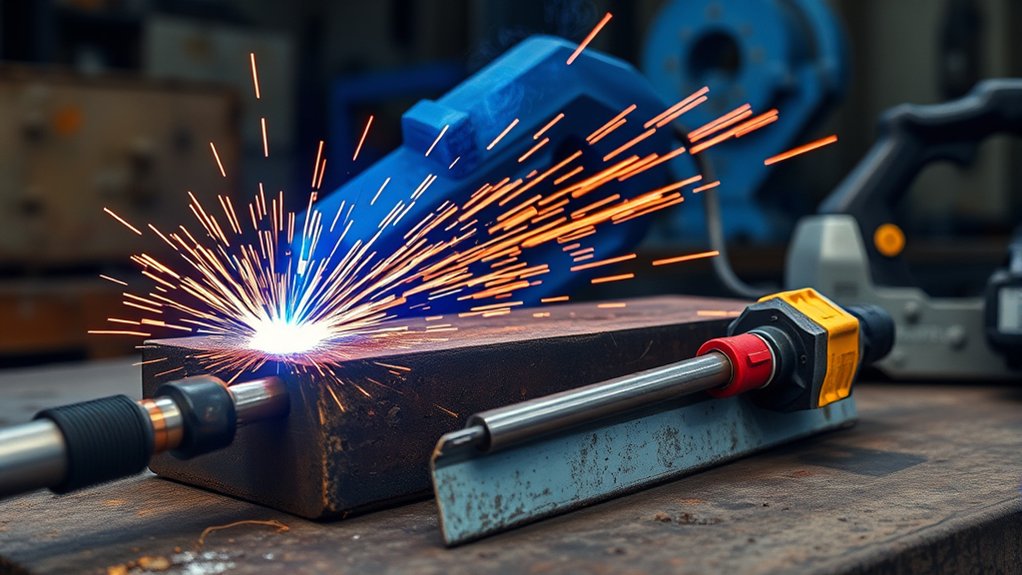
Method choice should be based on the casting’s value, thickness, shape, required finish, and whether heat can be tolerated.
| Method | Best Use | Main Limitation |
|---|---|---|
| Plasma cutter | Fast removal, irregular shapes, demolition, and castings where cleanup is acceptable | Rough edge, dross, heat-affected zone, and possible cracking |
| Conventional oxy-fuel | Generally not recommended for ordinary cast-iron cutting | Cast iron forms oxides that interfere with the normal oxygen-cutting reaction |
| Abrasive cut-off wheel | Straight cuts, pipe, small castings, and low equipment cost | Dust, sparks, wheel wear, limited reach, and friction heat |
| Band saw or carbide saw | Controlled straight cuts when the part can be clamped securely | Slow on thick or awkward castings; blade selection matters |
| Abrasive waterjet | Precision profiles and parts that must avoid a thermal HAZ | Professional-shop cost and setup time |
| EDM | Highly precise work on conductive parts | Slow, expensive, and usually limited to machine shops |
Standard oxy-fuel cutting is not the cleaner default for cast iron. ESAB explains that conventional oxy-fuel works best when the metal’s oxide melts below the base metal; cast iron does not meet that condition. Specialized powder-cutting or exothermic processes exist, but they are not the same as using a normal shop cutting torch. See ESAB’s oxy-fuel process guide.
For abrasive cutting, use a wheel specifically rated by its manufacturer for the material, tool type, maximum RPM, and cut orientation. Do not assume that one abrasive grain or a diamond wheel is automatically best for every cast-iron shape.
Products Worth Considering

[Diamond Technology] 1 equals 100, EZARC diamond 4 1/2 cut off wheel delivers 5,000+ more cuts for metal with much lower cost per cut compared to bonded cut-off wheels

[Diamond Technology] 1 equals 100, EZARC diamond 4 1/2 cut off wheel delivers 5,000+ more cuts for metal with much lower cost per cut compared to bonded cut-off wheels

[Diamond Technology] 1 equals 100, EZARC diamond cut off wheel delivers 5,000+ more cuts for metal with much lower cost per cut compared to bonded cut-off wheels
How to Prepare the Casting and Work Area
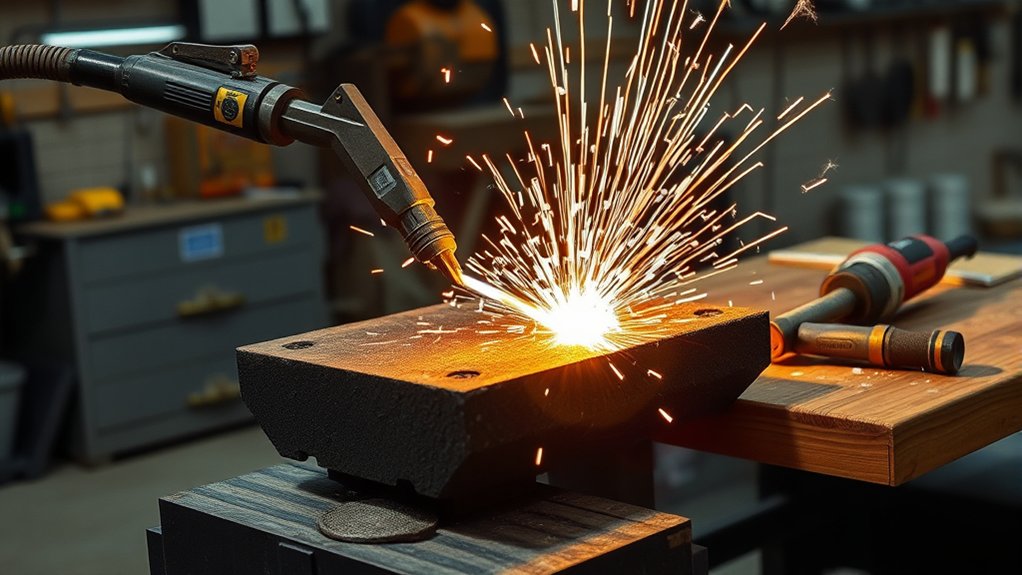
- Confirm that cutting is appropriate. Do not cut a safety-critical or pressure-containing casting without an approved repair or modification plan. Replacement may be safer and cheaper.
- Identify hidden hazards. Drain oil, fuel, coolant, and other residues. Never cut a sealed, pressurized, or unverified hollow casting. Remove paint, plating, grease, and solvent residue from the cut area when safe to do so.
- Support both sides of the cut. Prevent the offcut from pinching the kerf, falling, rolling, or striking the torch lead.
- Expose clean metal for the work clamp. Attach the clamp directly to the workpiece or cutting table as the equipment manual directs.
- Install the correct consumables. Match the electrode, nozzle, shield, amperage, and cutting mode. Replace damaged or heavily worn parts.
- Check the air supply. Use the pressure, flow, and air-quality requirements in the machine manual. Moisture or oil in compressed air shortens consumable life and destabilizes the arc.
- Plan an edge start. When the shape allows, begin at an existing edge rather than piercing thick cast iron.
Warning: Never plasma-cut a closed vessel, casting cavity, tank, pipe, or housing until it has been drained, cleaned, vented, and verified safe. Heat can ignite residue or build pressure inside a confined space.
Settings and Cutting Technique
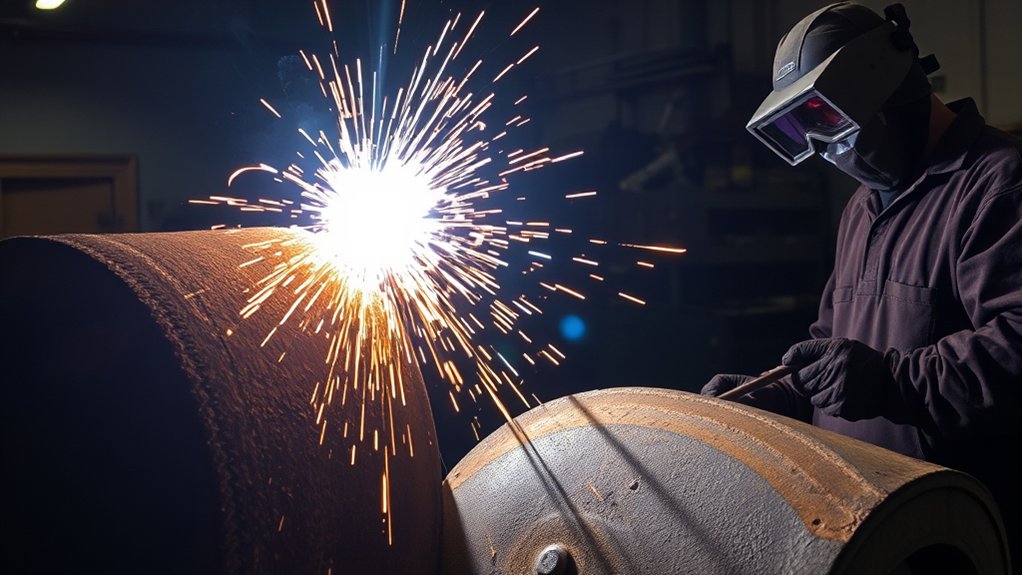
There is no universal amperage for cast iron. Machine capacity is usually published for mild steel, and two plasma cutters with the same amp rating may have different duty cycles, torch designs, air requirements, and realistic cut capacities.
- Use the manufacturer’s cut chart. If the manual has no cast-iron table, use the closest supported setting for the same thickness as a starting point and make a test cut on comparable scrap when possible.
- Do not deliberately underpower the cut. Too little current or excessive speed can prevent full penetration. Moving too slowly can widen the kerf and add heat and dross.
- Set torch height as specified. Drag cutting, stand-off cutting, and mechanized cutting use different consumables and heights.
- Keep a steady travel speed. Watch the sparks beneath the work. They should pass through the kerf rather than spray back toward the torch.
- Avoid pauses in the cut. Stopping in one spot increases local heating and can enlarge the kerf.
- Finish the cut before lifting the torch. An early lift can leave an uncut bridge that breaks unpredictably.
Pro Tip: Make the first cut in a noncritical area or on a similar scrap casting. Record the amperage, speed, air pressure, torch height, dross, and edge condition before committing to the final part.
Do not add a “water injection” step to a conventional air-plasma machine. Water-injection plasma is a purpose-built industrial process in which water constricts the arc; it is not a general cooling accessory. Use only the torch, table, gas, and water configuration approved by the equipment manufacturer.
Safety When Plasma Cutting Cast Iron
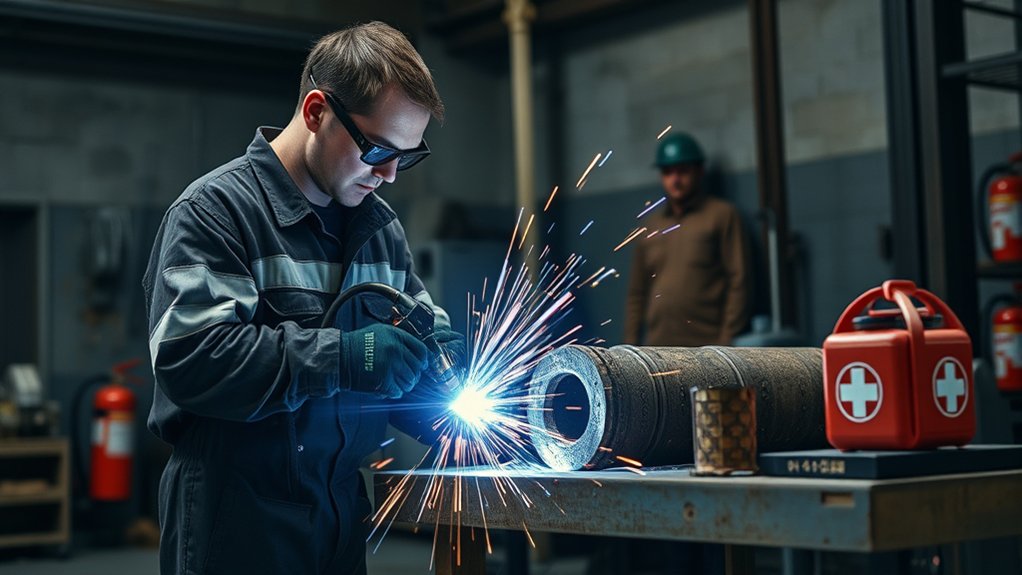
Plasma cutting creates ultraviolet and infrared radiation, hot metal, sparks, fumes, electricity, and high noise. Castings may also contain oil, paint, plating, embedded contaminants, or repair materials that change the fume hazard.
- Eyes and face: Wear safety glasses with side shields plus a plasma-cutting helmet or face shield with the shade required by the machine manual and applicable rules.
- Skin and feet: Wear flame-resistant clothing, gauntlet gloves, and safety footwear. Cover exposed skin and keep cuffs and pockets from catching sparks.
- Hearing: Use suitable earplugs or earmuffs unless a site assessment shows they are unnecessary.
- Fume control: Use local exhaust ventilation close to the cut. Working outdoors or opening a door does not automatically control exposure.
- Respiratory protection: Select respirators through a hazard assessment and an applicable respiratory-protection program. A random dust mask is not a substitute for source extraction.
- Fire prevention: Remove combustibles, protect nearby surfaces, keep an extinguisher ready, and use a fire watch when conditions require one.
- Bystanders: Use screens or barriers so others cannot see the arc or be struck by sparks.
OSHA states that plasma cutting generates airborne metal fume and that local exhaust or other controls may be needed to keep fumes out of the breathing zone. Review OSHA’s welding and cutting fume guidance and the Hypertherm Safety and Compliance Manual before cutting.
Equipment Checklist
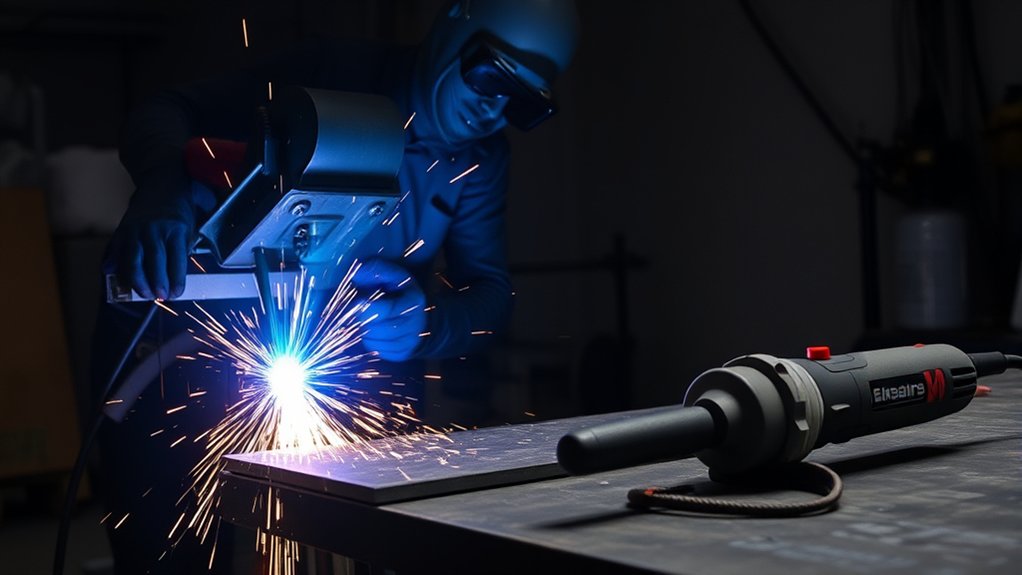
- A plasma cutter whose rated cut capacity exceeds the casting thickness with a useful margin
- The exact electrode, nozzle, shield, and torch parts specified for the selected amperage
- A compressor that can maintain the required pressure and flow throughout the cut
- Clean, dry air or another process gas approved by the manufacturer
- A secure work clamp connection on clean metal
- A guide, straightedge, or template that is safe for the chosen torch mode
- Local fume extraction and complete PPE
- Grinding, carbide-burr, or machining tools for dross and edge cleanup
Fresh consumables and correct air flow often improve cut quality more than guessing at a different nozzle size. A nozzle is matched to a current range; installing a smaller nozzle and exceeding its rating can damage the torch. For systematic troubleshooting, inspect speed, consumables, air quality, torch height, and work-clamp contact one variable at a time.
Products Worth Considering

[Achieve Precise Cuts] PT31 Plasma Cutting Consumables – Your Essential Tool for Efficient Cutting! Whether you're working with sheet metal, steel, or any other material, superior cutting performance ensure clean, accurate, and smooth cuts.

PACKAGE INCLUDED: 5 Pcs Cup-15 Pcs Electrodes-10 Pcs Ring-30 Pcs Tip(Standard)

Fit for: SG-55 AG-60 plasma cutter torch head.
How to Inspect the Cut Edge
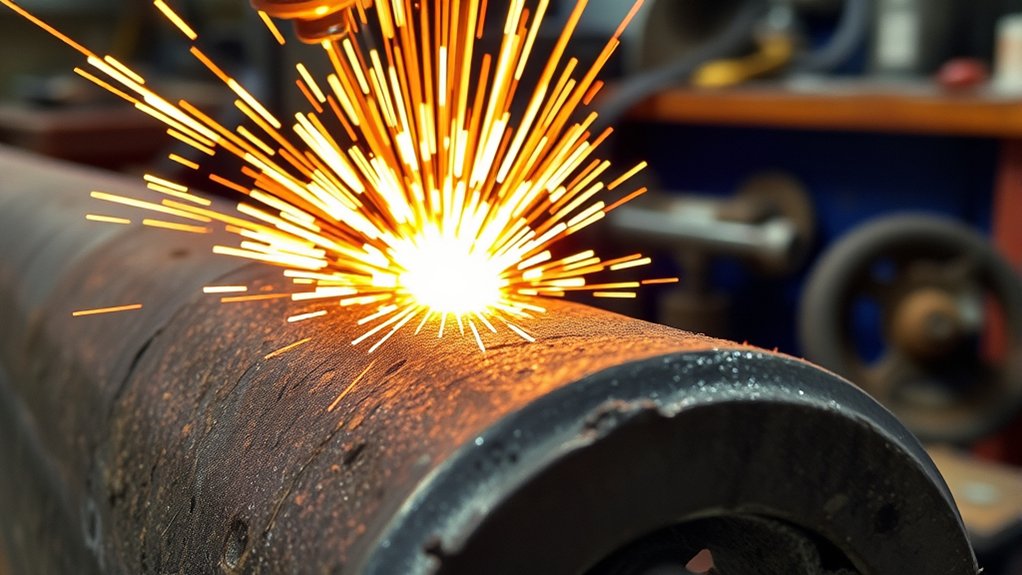
Let the casting cool without quenching it. Forced cooling can create steep temperature changes. Once it is safe to handle, inspect the full cut and the nearby casting.
- Look for cracks: Check corners, thin-to-thick transitions, bolt bosses, holes, repair welds, and the start and stop points.
- Check cut completion: Make sure no hidden bridge remains and that the offcut did not tear material from the casting.
- Assess dross and bevel: Heavy dross, a wide kerf, or excessive bevel may point to wrong speed, worn consumables, poor air, or incorrect torch height.
- Test machinability carefully: A hardened edge can damage drills, taps, and milling cutters. Remove the affected material with the proper tooling and allowance.
- Escalate critical parts: Safety-critical or highly stressed components should be evaluated by a qualified person and may require nondestructive testing or replacement.
Note: Do not apply a generic “900°F annealing cycle” after cutting. Stress relief and annealing temperatures depend on the cast-iron grade, section size, prior heat treatment, and required properties. An incorrect cycle can distort the part or change its microstructure.
When Another Cutting Method Is Better
- Choose an abrasive wheel for a simple straight cut when dust, sparks, and tool access can be controlled.
- Choose a band saw or carbide saw when the casting can be clamped and a slower mechanical cut is acceptable.
- Choose waterjet when dimensional accuracy and the absence of a thermal heat-affected zone matter.
- Choose EDM for highly precise, specialized work on a conductive part.
- Choose replacement instead of cutting when the part is safety-critical, pressurized, badly cracked, or too valuable to risk.
Plasma remains a practical choice for demolition, trimming, repair access, and noncritical fabrication. Hypertherm documents plasma systems used to trim cast metal parts, which confirms that the process is industrially viable when the equipment and parameters fit the application. See Hypertherm’s cast-trimming overview.
Post-Cutting Cleanup and Cooling
Allow the part to cool in still air on a dry, stable support. Do not quench it in water or place a hot casting on a wet or very cold surface. Remove dross with a chipping tool, grinder, or carbide burr while protecting the finished surface and avoiding deep gouges.
If the edge will be welded, machined, threaded, or loaded in service, remove enough material to reach sound metal and confirm that the remaining section meets the repair plan. Heat treatment should follow a procedure written for the specific alloy and component, not a universal temperature copied from a general cutting guide.
Frequently Asked Questions
Can plasma cutters handle different thicknesses of cast iron?
Yes, within the machine’s real cut capacity. Capacity varies by model, torch, consumables, duty cycle, and air supply. Manufacturer ratings are commonly based on mild steel, so use the cut chart as a starting point and make a test cut on comparable material when possible.
What are the cost implications of plasma cutting cast iron?
Plasma can be economical when the machine is already available and the edge will be ground or machined anyway. Costs rise when the cut is slow, consumables are damaged, extensive cleanup is required, or a cracked casting must be replaced. Compare the full job cost rather than only the cutting time.
How does the surface finish affect later machining?
A rough, beveled, or hardened edge requires extra stock removal and may shorten tool life. Plan a machining allowance, remove dross first, and use tooling suitable for cast iron. Stop if the edge is unexpectedly hard or cracked.
Are there environmental or air-quality impacts?
Yes. Plasma cutting generates metal fume, gases, dust, noise, and spent consumables. The exact hazard depends on the casting and any coating or residue. Use source extraction, collect debris, and dispose of dust and consumables under applicable local rules.
Can plasma cutting affect the structural integrity of a cast-iron part?
It can. Local heating, edge hardening, section loss, or cracks may reduce the part’s strength. The effect is not identical on every casting. Do not return a structural, pressure-containing, brake, steering, lifting, or other safety-critical part to service without qualified evaluation.
Does cast iron always need to be preheated before plasma cutting?
No. There is no universal preheat temperature or soak time for all cast iron. Preheat may be considered for thick, complex, restrained, or valuable castings to reduce thermal shock, but the procedure should match the alloy and component. Many routine cuts are made without a blanket 400–600°F requirement.
Is oxy-fuel better than plasma for cast iron?
Not with a conventional oxy-fuel cutting torch. The standard process depends on rapid oxidation and works best on low-carbon steel. Cast iron forms oxides that interfere with a clean, self-sustaining cut, so plasma, abrasive cutting, waterjet, or a specialized industrial process is usually more suitable.
Sources
- ESAB: What Metals Can You Cut With a Manual Plasma Cutter? — confirms that cast iron is plasma-cuttable and may produce a rougher edge.
- TWI: Plasma Arc Cutting—Process and Equipment Considerations — explains plasma cutting fundamentals, temperatures, cut quality, and process variants.
- ESAB: What Is Oxy-Fuel Cutting? — explains why conventional oxy-fuel is generally unsuitable for cast iron.
- OSHA: Controlling Hazardous Fume and Gases During Welding — supports ventilation and fume-control guidance for plasma cutting.
- Hypertherm Safety and Compliance Manual — supports eye, skin, hearing, fume, fire, and equipment safety measures.
- Hypertherm: Cast Trimming With Powermax Plasma — documents industrial plasma trimming of cast metal parts.