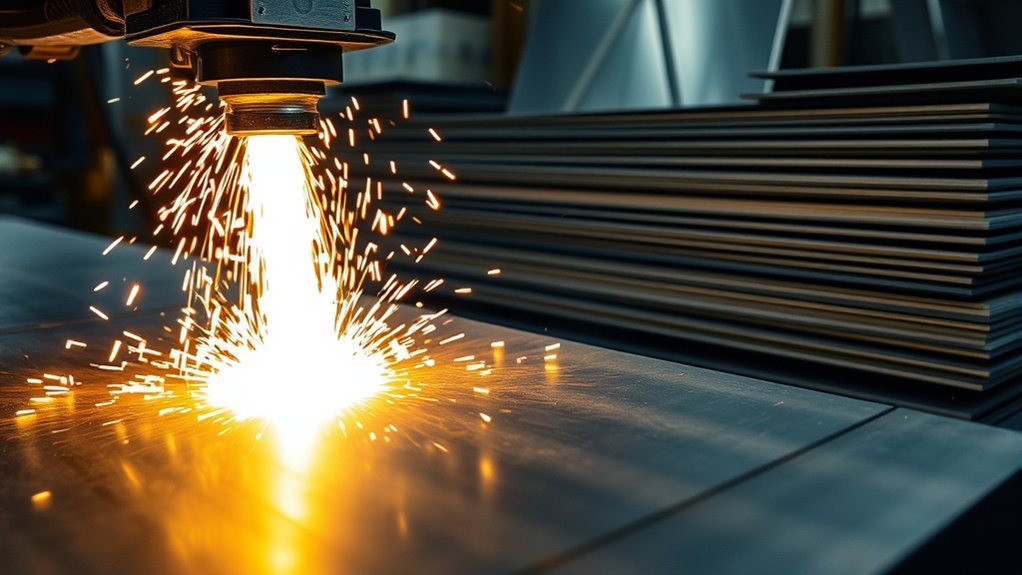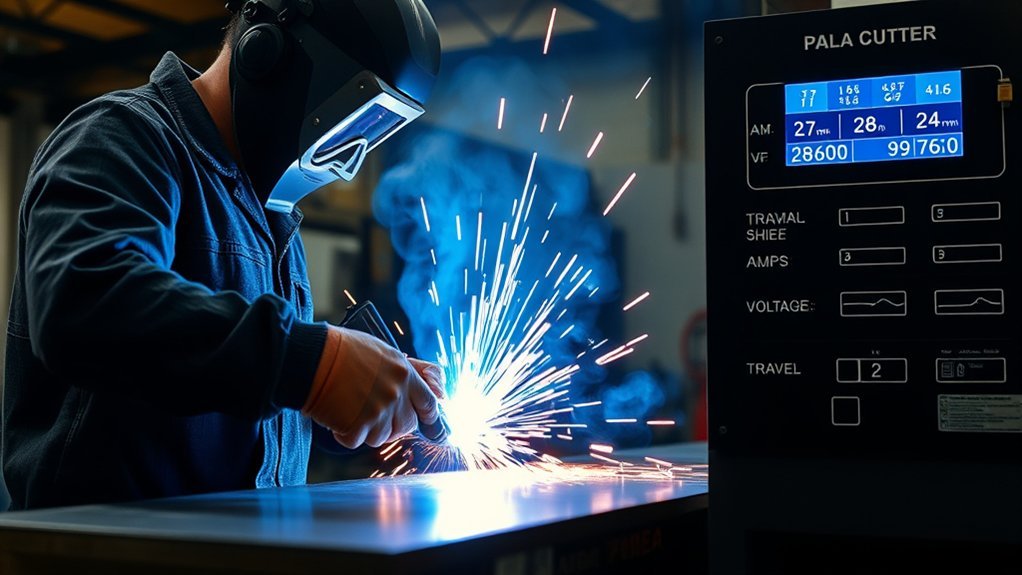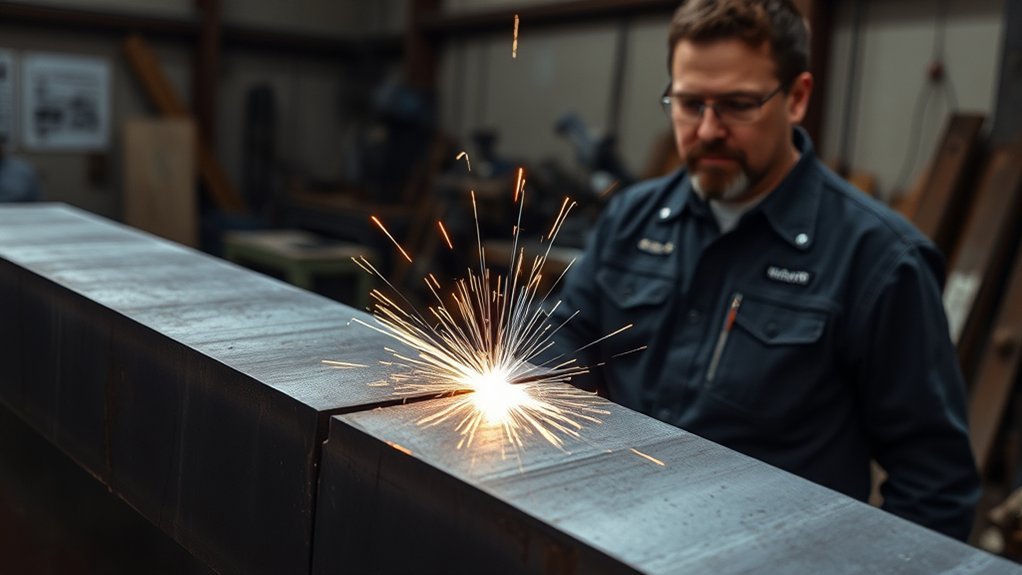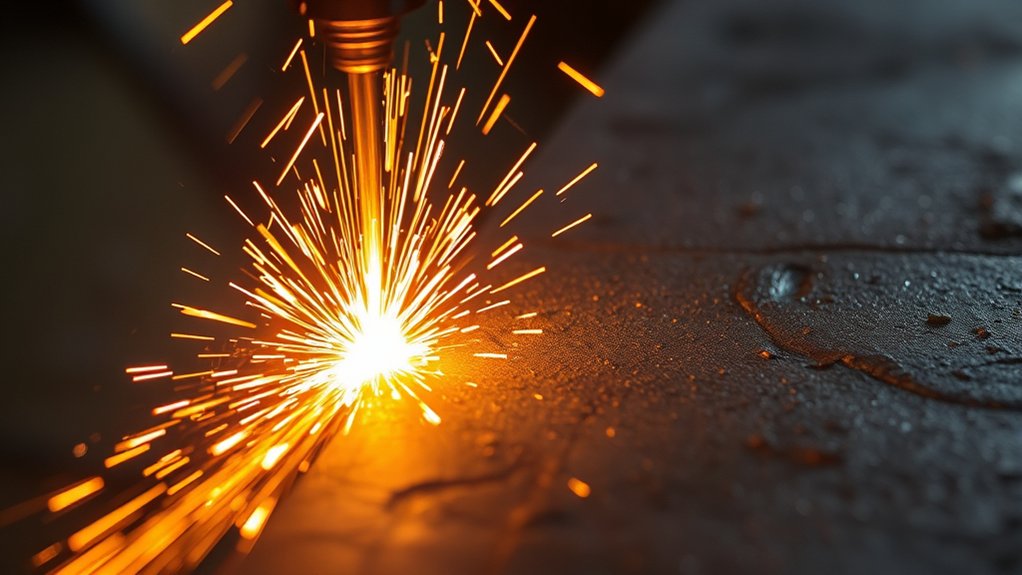
Plasma cutting cast iron is possible, but it needs more care than cutting mild steel. Cast iron’s high carbon content makes it strong, wear-resistant, and easy to cast, but it also makes the material brittle and more likely to crack when heat is applied too quickly. To get cleaner edges, you need controlled preheating, steady cutting speed, correct torch height, proper gas choice, and slow cooling after the cut.
Quick Answer
Yes, you can plasma cut cast iron, but the cut quality depends on heat control. Preheat the part, use steady travel speed, keep the torch at the correct standoff, and cool the metal slowly afterward. These steps reduce cracking, dross, rough edges, and thermal distortion.
Key Takeaways
- Cast iron can be plasma cut, but it is more crack-prone than mild steel because of its high carbon content.
- Preheating helps reduce thermal shock and improves edge quality, especially on thicker castings.
- Correct torch height, arc stability, and cutting speed are essential for reducing bevel, slag, and dross.
- Gray iron, ductile iron, and other cast iron types respond differently to heat, so test cuts matter.
- Waterjet or laser cutting may be better when you need very clean edges or minimal heat distortion.
At a Glance
| Best For | Rough cutting, repair work, shop fabrication, machinery parts, and thick cast sections where minor finishing is acceptable. |
| Difficulty | Moderate to advanced because cast iron can crack, chip, or form rough edges if heat is not controlled. |
| Main Risk | Cracking from thermal shock, rough edges, dross, slag, and heat-affected zones. |
| Best Setup | Preheated workpiece, stable torch height, correct amperage, dry air or suitable gas, clean consumables, and slow cooling. |
Understanding Cast Iron and Its Characteristics
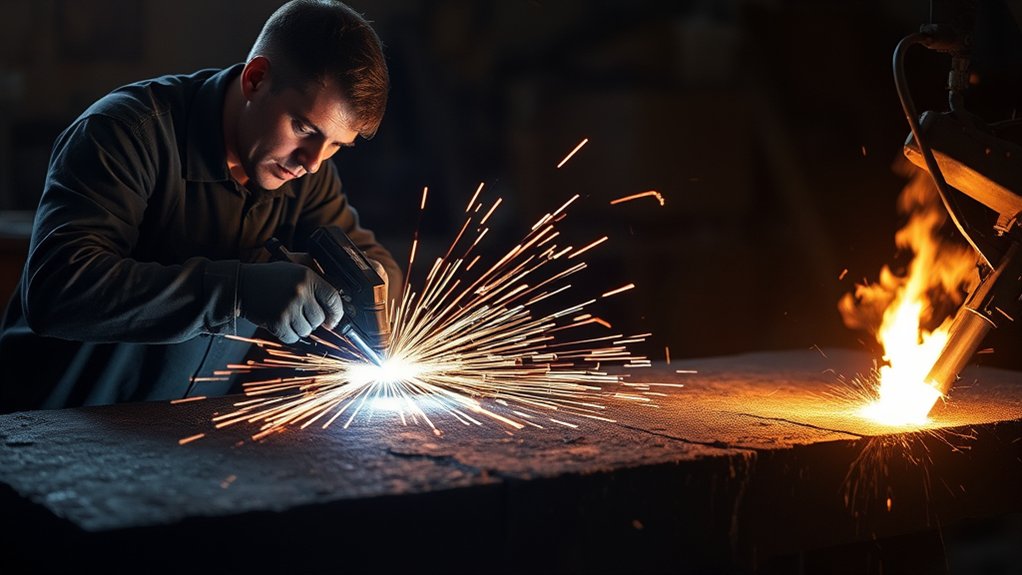
Cast iron is a versatile alloy made mainly from iron, carbon, and silicon. It usually contains more carbon than steel, which gives it excellent castability, wear resistance, and vibration-damping ability. These traits make cast iron useful for engine blocks, pipes, cookware, machinery bases, pulleys, housings, and heavy equipment parts.
The same qualities that make cast iron useful also make it difficult to cut cleanly. Its higher carbon content lowers the melting point compared with many steels, but it also makes the metal more brittle. When a plasma arc creates fast, localized heat, the surrounding cooler metal can resist expansion. That temperature difference can create stress, which may lead to cracks or edge damage.
Cast iron is strong in compression and excellent for wear resistance, but sudden heat changes can make it crack during cutting.
Gray cast iron is the most common type. It contains graphite flakes that improve machinability and vibration damping, but those flakes can also make it less forgiving under thermal stress. Ductile iron has nodular graphite, which gives it better toughness and impact resistance. White cast iron is much harder and more brittle, so it is the most difficult type to cut without edge damage.
Before cutting, identify the type of cast iron when possible. A small test cut on scrap or a non-critical area helps you confirm how the part reacts to heat, speed, and torch settings.
Challenges in Plasma Cutting Cast Iron
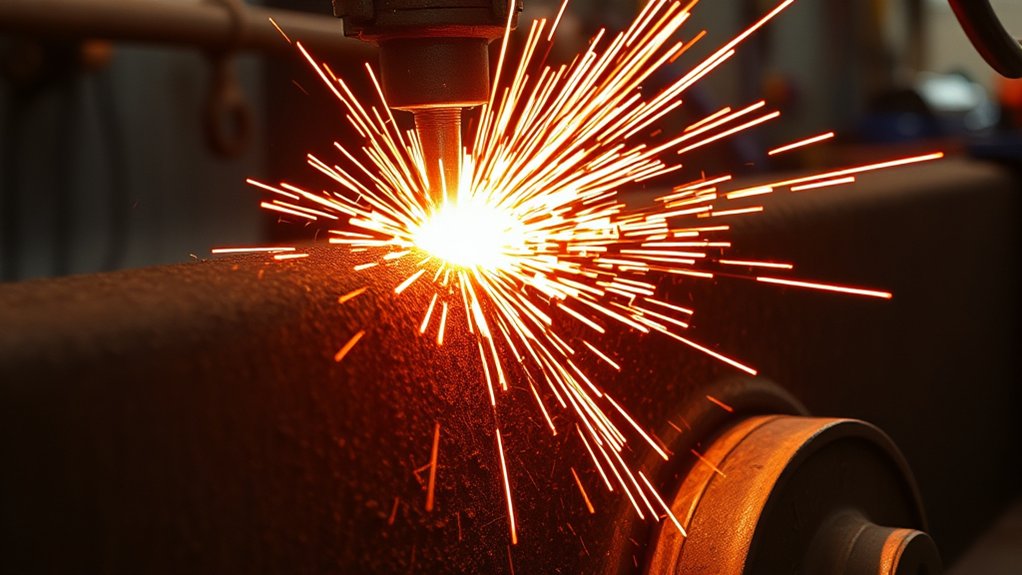
When plasma cutting cast iron, several challenges appear because the material reacts differently from mild steel. The biggest issue is cracking. Cast iron does not stretch or bend easily, so fast heating and cooling can create thermal stress around the cut line.
Another challenge is edge quality. Plasma cutting can leave rough edges, slag, and dross on cast iron. This is especially common when the travel speed is too slow, the amperage is wrong, the torch height is inconsistent, or the consumables are worn.
Preheating the material can help reduce the risk of cracking. For many cast iron repair and cutting jobs, a moderate preheat range is used to warm the metal before cutting. Thicker castings and more brittle grades often need more careful temperature control than thin sections.
Warning: Cast iron can crack suddenly during or after cutting. Do not rush the job, do not quench a hot casting unless the process specifically requires it, and avoid cutting critical load-bearing parts without proper inspection.
Gas choice also affects the result. Clean, dry compressed air works for many shop plasma cutters, but nitrogen or other gas mixtures may improve arc stability and reduce oxidation in some setups. Always match the gas, amperage, and consumables to your plasma cutter’s manual and the thickness of the material.
Importance of Controlling Cutting Speed
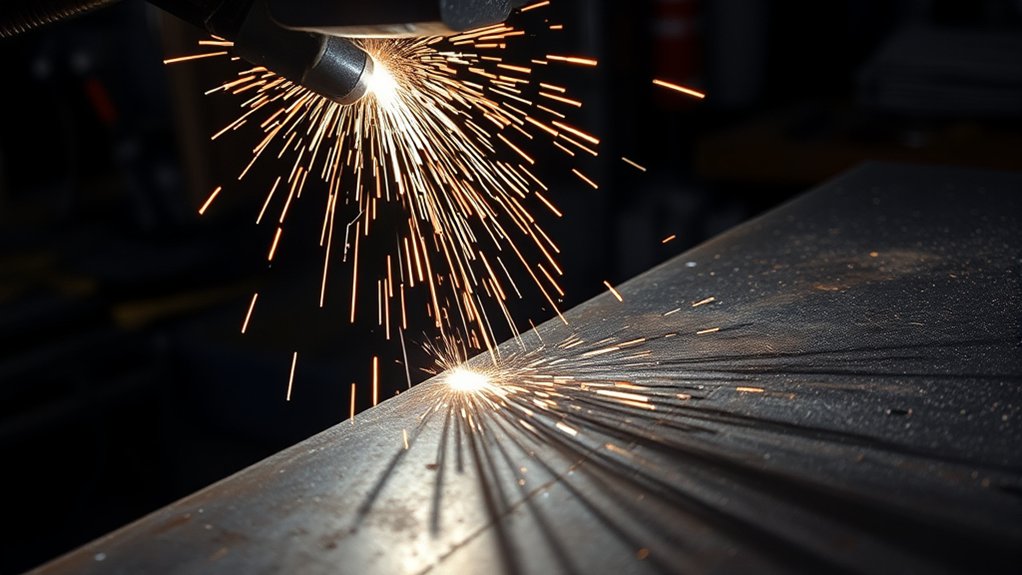
Controlling cutting speed is one of the most important parts of plasma cutting cast iron. A steady travel speed helps keep the arc stable and reduces roughness along the cut edge.
If you move too fast, the plasma arc may not fully penetrate the metal. This can leave uncut areas, heavy bevel, rough edges, and sparks blowing back toward the torch. If you move too slowly, the cut may widen, the edge may overheat, and dross can build up on the underside.
Use the cut chart for your plasma cutter as the starting point, then adjust with test cuts. Cast iron varies by grade, thickness, age, and condition, so one fixed speed will not work for every job.
- Start with the machine chart: Use the recommended amperage, gas, consumable type, and travel speed for the closest material thickness.
- Watch the sparks: Proper travel speed usually sends sparks downward through the cut. Sparks blowing back often mean the torch is moving too fast.
- Inspect the edge: Heavy dross, wide kerf, or rounded edges can mean too much heat input.
- Adjust slowly: Make small changes instead of large setting jumps. Cast iron responds better to controlled changes.
Pro Tip: Make a short test cut before cutting the final line. Check penetration, dross, bevel, and cracking before committing to the full cut.
Torch Height and Its Impact on Edge Quality
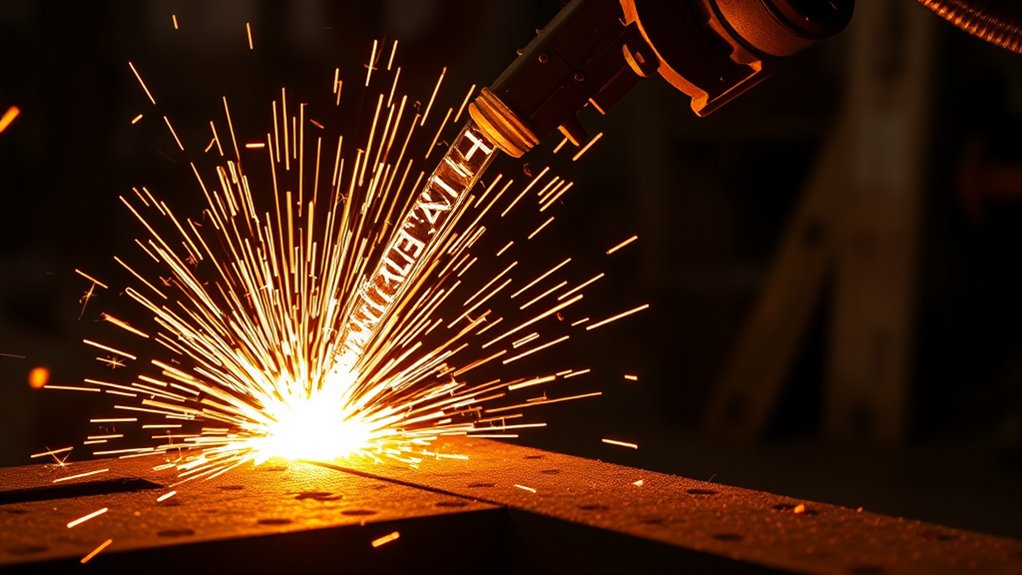
Torch height has a direct effect on cut quality. If the torch is too high, the arc becomes less focused. This can cause beveling, poor penetration, and a wider cut. If the torch is too low, the nozzle may drag, the arc may become unstable, and dross may increase.
The best torch-to-work distance depends on the cutter, consumables, amperage, and material thickness. Many plasma systems use a small standoff distance, but the exact value should come from the machine’s cut chart. For hand cutting, a drag shield or standoff guide can help keep the torch consistent.
Optimal Torch Distance
Achieving the right torch height helps maintain arc stability and edge definition. A consistent arc length creates a cleaner kerf and reduces the amount of grinding needed after the cut.
- Use the recommended standoff: Follow the plasma cutter’s manual for the right torch distance.
- Keep the torch steady: Avoid lifting or dipping the torch during the cut.
- Use guides when possible: A straightedge, circle guide, or CNC torch height control can improve consistency.
- Check consumables: A worn nozzle or electrode can cause a poor arc even when torch height is correct.
Edge Smoothness Factors
Edge smoothness depends on more than one setting. Torch height, cutting speed, amperage, gas flow, material thickness, and the condition of the cast iron all work together. If one setting is wrong, the edge can become rough or uneven.
| Factor | Impact on Edge Quality |
|---|---|
| Torch Height | Consistent height improves edge shape and reduces bevel. |
| Material Thickness | Thicker cast iron needs slower travel and more heat control. |
| Arc Length | Poor arc length can increase dross and roughness. |
| Testing | Test cuts help fine-tune speed, amperage, and standoff. |
Bevel Avoidance Techniques
Bevel happens when the cut edge is angled instead of square. Some bevel is normal with plasma cutting, but too much bevel usually points to a setup problem.
- Hold the torch square: Keep the torch perpendicular to the workpiece unless you intentionally want a bevel cut.
- Maintain arc length: A changing arc length can make the cut edge uneven.
- Use clean consumables: Damaged nozzles can push the arc off-center.
- Control travel speed: Moving too fast or too slow can increase bevel and edge roughness.
The Role of Preheating in Plasma Cutting
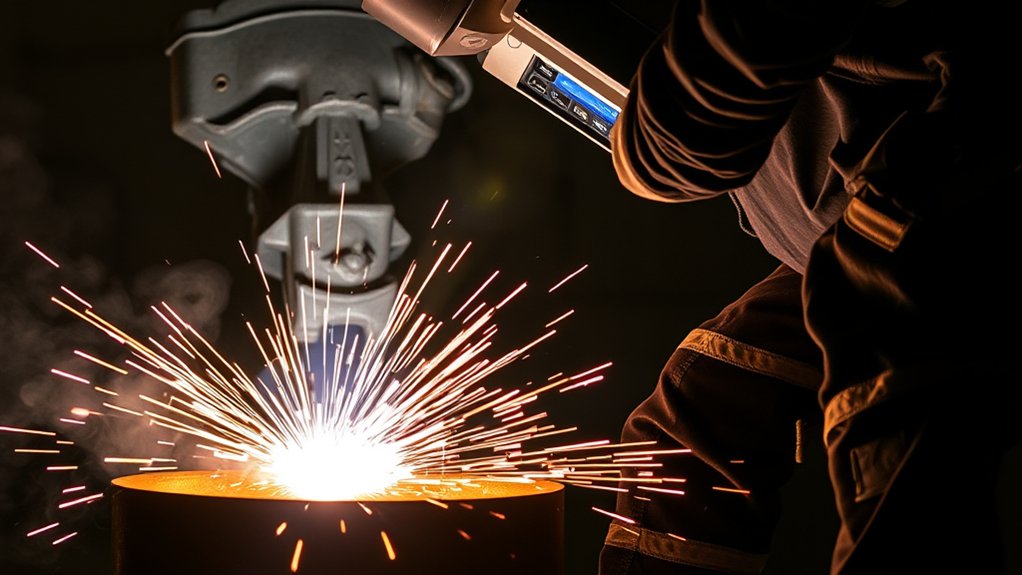
Preheating is one of the best ways to reduce cracking risk when plasma cutting cast iron. It warms the surrounding metal before the plasma arc hits the cut line. This reduces the temperature difference between the hot cut zone and the cooler base metal.
For many cast iron jobs, preheating into a moderate range can help control thermal stress. Some repairs and thicker castings may call for higher preheat temperatures, while smaller or non-critical cuts may need less. The goal is not to melt the metal. The goal is to warm it evenly enough to reduce thermal shock.
Use a propane torch, oven, heat blanket, or other controlled heating source when possible. Heat the area around the cut evenly rather than focusing only on one narrow spot. An infrared thermometer or temperature stick helps confirm that the metal is actually in the intended range.
Note: Thick castings, old machinery parts, and unknown cast iron grades deserve extra caution. They may contain internal stress, repairs, hard spots, or contamination that affects the cut.
Products Worth Considering
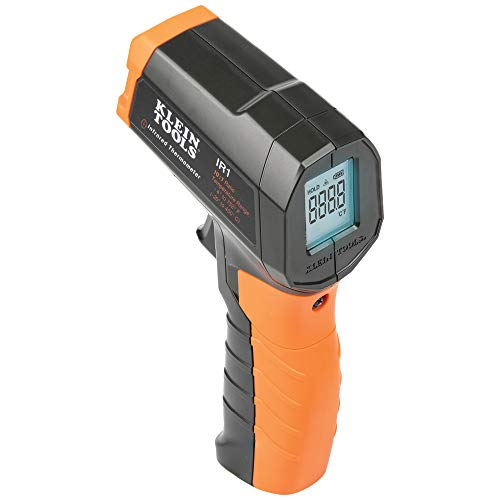
PRECISE TEMPERATURE MEASUREMENT: Optical resolution (distance-to-spot) of 10:1 ensures accurate temperature readings from a distance

𝐕𝐞𝐫𝐬𝐚𝐭𝐢𝐥𝐞 𝐓𝐨𝐨𝐥𝐬: Infrared technology allows you to measure various objects at home and outdoors; Use it for 𝒎𝒆𝒂𝒕, 𝑫𝑰𝒀 𝒄𝒂𝒏𝒅𝒚, 𝒐𝒗𝒆𝒏𝒔, 𝒈𝒓𝒊𝒍𝒍𝒊𝒏𝒈, 𝒇𝒐𝒐𝒅, 𝒄𝒐𝒐𝒌𝒊𝒏𝒈, 𝒂𝒖𝒕𝒐𝒎𝒐𝒕𝒊𝒗𝒆 𝒖𝒔𝒆, 𝑨/𝑪, 𝒓𝒆𝒇𝒓𝒊𝒈𝒆𝒓𝒂𝒕𝒐𝒓𝒔, etc.

【Highly Accurate & Adjusts to Any Surface】Designed with the latest thermopile sensor technology, the infrared laser thermometer gun is accurate to +/-1.5%; Improve this pizza oven thermometer gun measurements by adjusting the emissivity from 0.1–1.0 to match the surface material being measured
Techniques to Minimize Thermal Stress
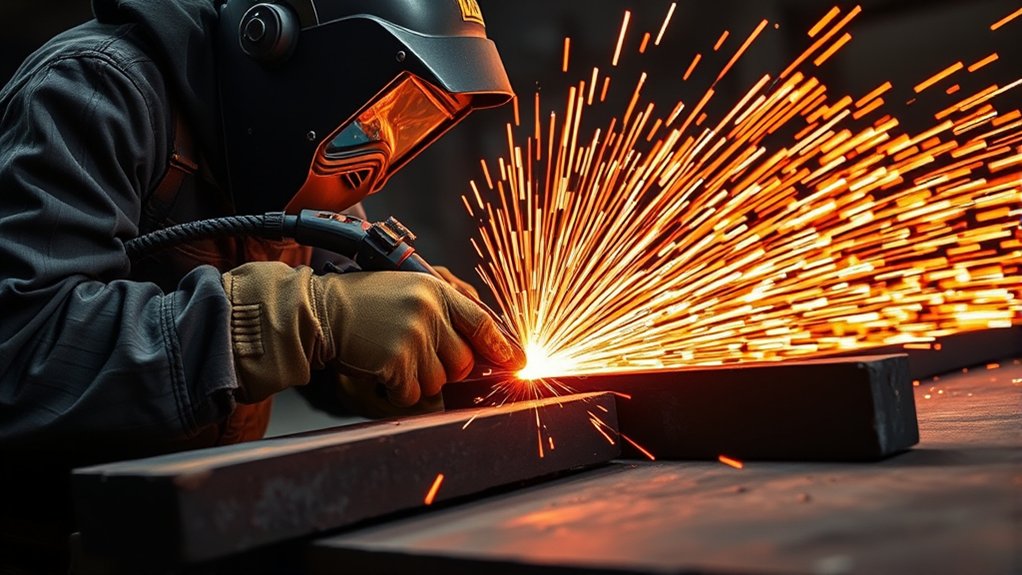
Thermal stress happens when one part of the metal expands or contracts faster than another. Since cast iron is brittle, this stress can lead to cracks. You can reduce the risk by controlling heat before, during, and after the cut.
Preheat Temperature Control
Good preheat control starts with even heating. Do not heat one small area until it is extremely hot while the rest of the casting stays cold. That can make thermal stress worse.
- Select a controlled heating source: Use a propane torch, oven, heat blanket, or similar tool for steady heat.
- Monitor the temperature: Use an infrared thermometer or temperature stick to avoid overheating or underheating.
- Keep the heat even: Warm the area around the cut, not just the exact cut line.
- Cut steadily: A controlled travel speed reduces sudden heat spikes and helps protect the edge.
Controlled Cooling Methods
Controlled cooling is just as important as preheating. After the cut, avoid sudden cooling unless a specific industrial process requires it. Rapid cooling can harden the edge, increase brittleness, and trigger cracks.
Slow air cooling is often safer for general shop work. For larger castings, burying the part in dry sand, using an insulating blanket, or placing it in a controlled area can slow the cooling rate. The goal is to let the temperature drop gradually and evenly.
Cooling jigs or fixtures can also help when the part must stay flat or aligned. This is useful for machinery bases, brackets, housings, or any casting where distortion would create assembly problems.
Stress-Relief Techniques
Some cast iron parts may need additional stress relief after cutting. This is more likely when the part is thick, old, structural, or used in machinery. Stress-relief methods can reduce residual tension in the metal and improve long-term stability.
- Preheating: Warm the casting before cutting to reduce thermal shock.
- Controlled cooling: Let the part cool slowly instead of forcing rapid cooling.
- Multi-pass cutting: On thick sections, several controlled passes may reduce heat concentration.
- Post-cut treatment: Annealing or professional heat treatment may be needed for critical parts.
Achieving Optimal Edge Finish
To achieve a better edge finish when plasma cutting cast iron, focus on the basics: stable torch height, correct amperage, proper travel speed, clean consumables, and suitable gas flow. These settings reduce dross and make post-cut cleanup easier.
Preheating can also improve the finish because it reduces the shock of the plasma arc entering cold metal. A smoother heat transition can help reduce micro-cracking near the cut edge.
Gas selection matters too. Dry compressed air is common on many portable plasma cutters, but moisture in the air can weaken arc quality and increase consumable wear. Use a good air dryer or filter if your machine depends on compressed air. For shop systems that support it, nitrogen or other approved gases may produce cleaner results.
After cutting, inspect the edge before grinding. Look for visible cracks, heavy dross, hard spots, and uneven bevel. If the edge will be welded, machined, or used in a load-bearing part, clean it carefully and inspect it more closely.
Managing Potential Cracking and Fractures
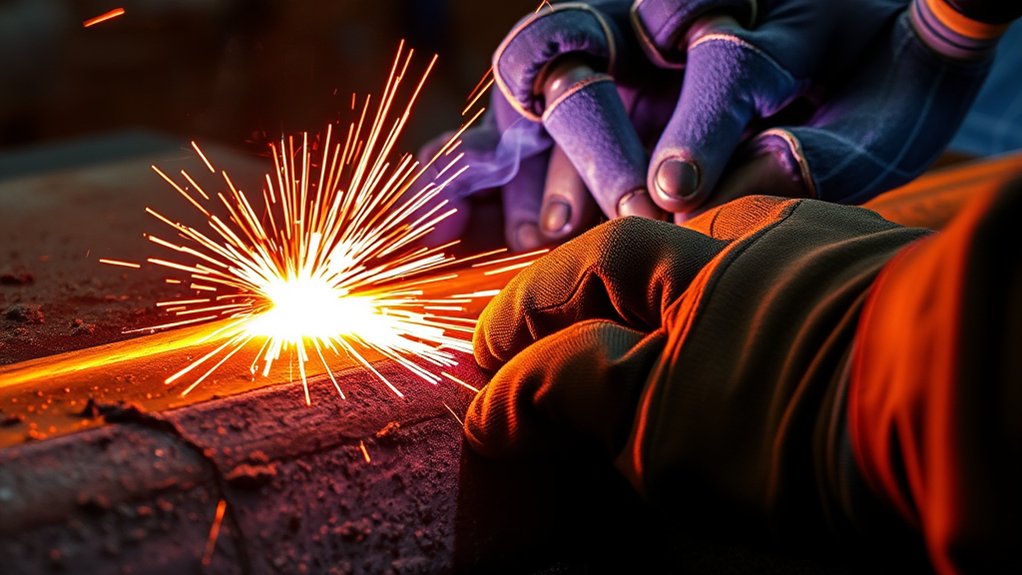
Cracking is the main concern when plasma cutting cast iron. The risk increases when the casting is thick, cold, old, highly restrained, or already stressed. Cracks can appear during the cut or after the metal cools.
Managing cracking starts before the arc is struck. Clean the surface, inspect the part, preheat when needed, and avoid sharp starts or stops in high-stress areas. If the part has existing cracks, drilling a small stop hole at the end of a crack may help prevent it from spreading during some repair jobs, but this depends on the part and its use.
Preheating Cast Iron Techniques
Effective preheating helps reduce the temperature shock caused by the plasma arc. Use a controlled method that warms the casting evenly.
- Use the right heat source: Ovens and heat blankets give better control than a torch on large parts.
- Measure the heat: Infrared thermometers and temperature sticks help prevent guesswork.
- Avoid rapid cooling: Keep the part insulated after cutting if cracking is a concern.
- Improve edge quality: Proper preheating can reduce dross, roughness, and edge cracking.
Stress Reduction Strategies
To reduce stress, control both heat input and movement. Do not clamp the part so tightly that it cannot expand slightly as it warms. Excessive restraint can increase cracking risk.
Lower amperage may help on thinner sections, but it must still be high enough to complete the cut. Too little power can create a slow, overheated cut with more dross. A balanced setting is better than simply using the lowest possible amperage.
Water injection plasma cutting can reduce heat distortion in some industrial systems, but it is not the same as quenching a hot casting after cutting. Follow the equipment manufacturer’s process when water-assisted cutting is used.
For important parts, post-cut annealing or professional stress relief may be the safest choice. This is especially true for castings used in machines, vehicles, pressure-related equipment, or structural assemblies.
Monitoring Fracture Indicators
Monitoring for cracks should happen before, during, and after the cut. Some cracks are easy to see, while others may be small and hidden under slag or surface scale.
- Inspect before cutting: Look for old cracks, repairs, porous areas, and hard spots.
- Watch during cutting: Listen for sharp popping sounds and watch for sudden crack lines near the cut.
- Inspect after cooling: Clean the edge and check it again after the part reaches room temperature.
- Use better inspection for critical parts: Dye penetrant or professional inspection may be needed when failure would be dangerous.
Comparing Plasma Cutting With Alternative Methods
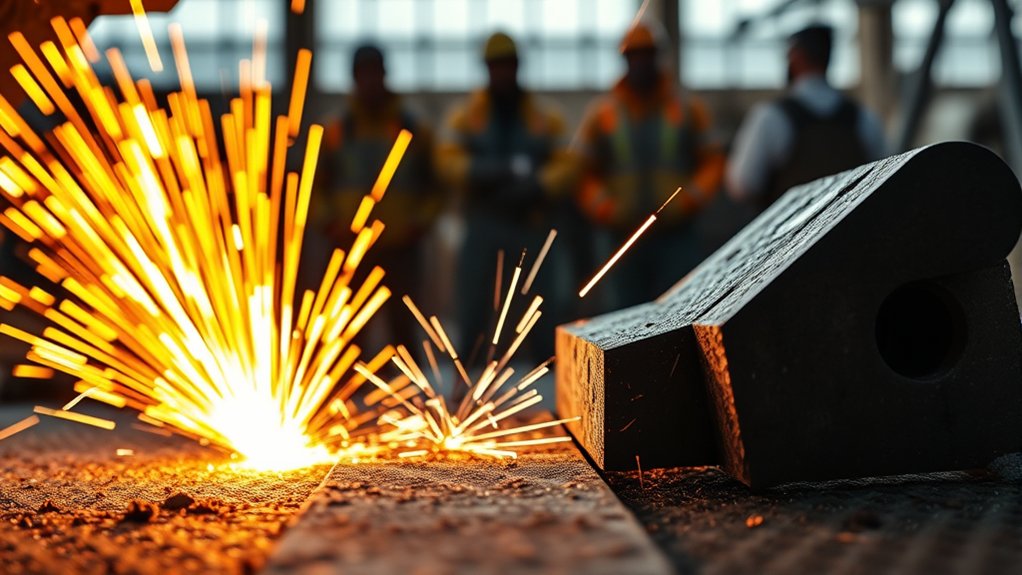
Plasma cutting is fast and practical, but it is not always the best method for cast iron. The right choice depends on thickness, accuracy needs, edge finish, budget, and whether heat distortion is acceptable.
Plasma cutting works well when speed matters and when some grinding or finishing is acceptable. It is useful for shop repairs, demolition, rough shaping, and cutting thicker sections. The downside is that it creates a heat-affected zone and may leave rough edges on cast iron.
Waterjet cutting is often better when you need a clean edge without heat distortion. It cuts with abrasive water pressure instead of a thermal arc, so it avoids many heat-related cracking problems. The tradeoff is cost, speed, and machine availability.
Laser cutting can offer high precision and a narrow kerf, but cast iron’s carbon content and surface condition can still affect results. Laser systems also require more specialized equipment.
Oxy-fuel cutting is usually not ideal for cast iron because cast iron does not oxidize and cut in the same clean way as mild steel. It may be useful in some rough removal situations, but it often lacks the speed, precision, and edge quality of plasma or waterjet methods.
| Cutting Method | Best Use | Main Drawback |
|---|---|---|
| Plasma Cutting | Fast shop cutting and thicker sections | Heat-affected zone, dross, and cracking risk |
| Waterjet Cutting | Clean edges with no thermal distortion | Higher cost and slower setup |
| Laser Cutting | Precise profiles and narrow kerfs | Specialized equipment and material sensitivity |
| Oxy-Fuel Cutting | Rough removal in limited situations | Poorer precision and less reliable performance on cast iron |
Products Worth Considering
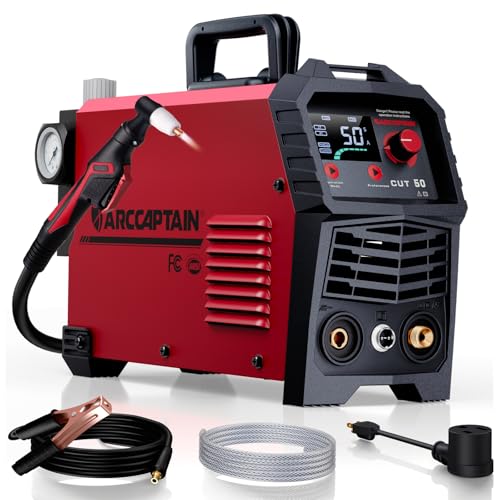
【Powerful Cutting Ability】Switch effortlessly between 110V and 220V for home or workshop use. Achieve professional 1/2" clean cuts on steel, aluminum, and copper with advanced LGBT technology. Perfect for DIY projects and heavy-duty tasks. Recommended maximum cutting thickness: 12mm @ 35A / 110V / 55 PSl; 18mm @ 50A / 220V / 75 PSI. Note: Requires compressed air (compressor sold separately).

fit SG-55 AG-60 WSD-60 Plasma Cutter Torch

【Non-Touch Pilot Arc Function】The ARCCAPTAIN 55A plasma cutter features a pilot arc function. It utilizes a high-frequency non-touch arc starting mode. The torch head does not need to touch the metal plate, reducing energy consumption during non-cutting work, minimizing electrode burning, and extending service life. NOTE: Do not switch voltages until the screen turns off and the fan stops.
Best Practices for Quality Assurance in Plasma Cutting
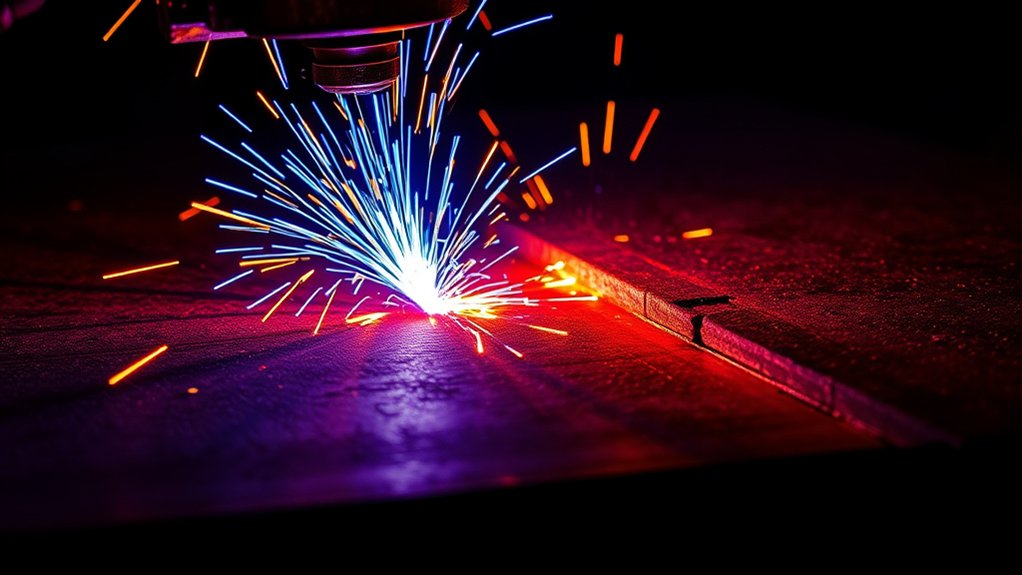
Quality assurance starts with a stable cutting process. If your setup changes from one cut to the next, the edge quality will change too. Use a repeatable process for preheating, torch setup, travel speed, and post-cut inspection.
- Clean the workpiece: Remove oil, paint, rust, sand, scale, and grease from the cut area.
- Check the plasma cutter: Confirm correct amperage, air pressure, gas flow, and consumable type.
- Inspect consumables: Replace worn electrodes, damaged nozzles, and clogged shields.
- Run a test cut: Use a scrap area or similar material to confirm settings.
- Control preheat and cooling: Keep temperature changes gradual to lower cracking risk.
- Inspect the finished edge: Look for cracks, bevel, dross, incomplete penetration, and distortion.
Documenting your best settings can save time on future jobs. Note the material thickness, cast iron type if known, amperage, gas, torch height, preheat method, travel speed, and final edge condition.
Frequently Asked Questions
What safety gear is needed for plasma cutting cast iron?
Wear a plasma-rated face shield or cutting goggles, flame-resistant clothing, leather gloves, hearing protection, and sturdy boots. Use local ventilation or fume extraction because plasma cutting can create fumes, dust, sparks, and hot metal particles.
How does cast iron thickness affect cutting parameters?
Thicker cast iron usually needs more amperage, slower travel speed, and more careful preheating. Thin pieces can overheat quickly, while thick castings can crack from uneven heating. Always start with the plasma cutter’s cut chart and make a test cut.
Can plasma cutting be automated for cast iron?
Yes. CNC plasma systems can cut cast iron with better repeatability than hand cutting. Automation helps maintain steady torch height, speed, and path control. However, preheating, cooling, and crack inspection still matter because the material remains brittle.
What environmental concerns arise from plasma cutting cast iron?
Plasma cutting can produce fumes, metal dust, noise, and hot waste material. Cut in a well-ventilated area, use fume extraction when possible, keep flammable items away, and dispose of metal waste according to local shop and environmental rules.
How do different types of cast iron respond to plasma cutting?
Ductile iron is usually more forgiving because it has better toughness. Gray iron is common and machinable, but it can crack under thermal stress. White cast iron is very hard and brittle, so it is the most difficult to cut cleanly.
Is plasma cutting cast iron better than using a grinder?
Plasma cutting is faster for longer cuts and thicker sections, while a grinder may be better for small trimming, cleanup, or controlled removal. Many jobs use both: plasma for the main cut and grinding for final edge cleanup.
Should you quench cast iron after plasma cutting?
In most general shop situations, no. Quenching can create rapid cooling, hard spots, brittleness, and cracks. Slow cooling is usually safer unless a specific industrial procedure calls for controlled water-assisted cutting.
Conclusion
Plasma cutting cast iron can work well when speed and practicality matter, but it is not a simple cut-and-go process. Cast iron’s brittleness means you must control heat from start to finish. Preheat the part when needed, use steady travel speed, keep torch height consistent, choose the correct gas and consumables, and let the casting cool slowly after cutting.
For rough shop work, repairs, and thick cast sections, plasma cutting can be a useful method. For parts that need very clean edges, tight tolerances, or minimal heat distortion, waterjet or laser cutting may be the better choice. The safest approach is to test first, inspect carefully, and treat every cast iron job as its own setup.