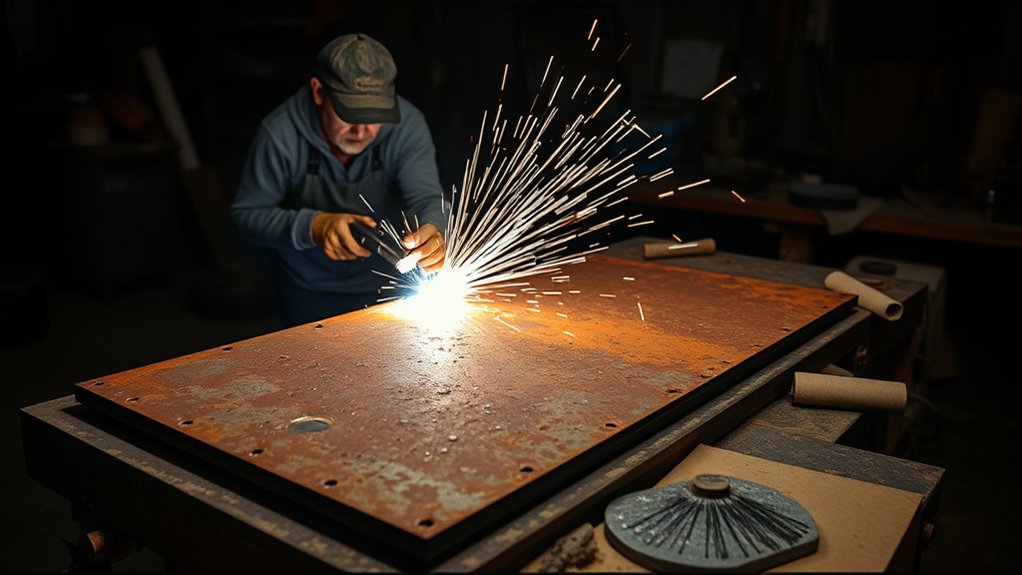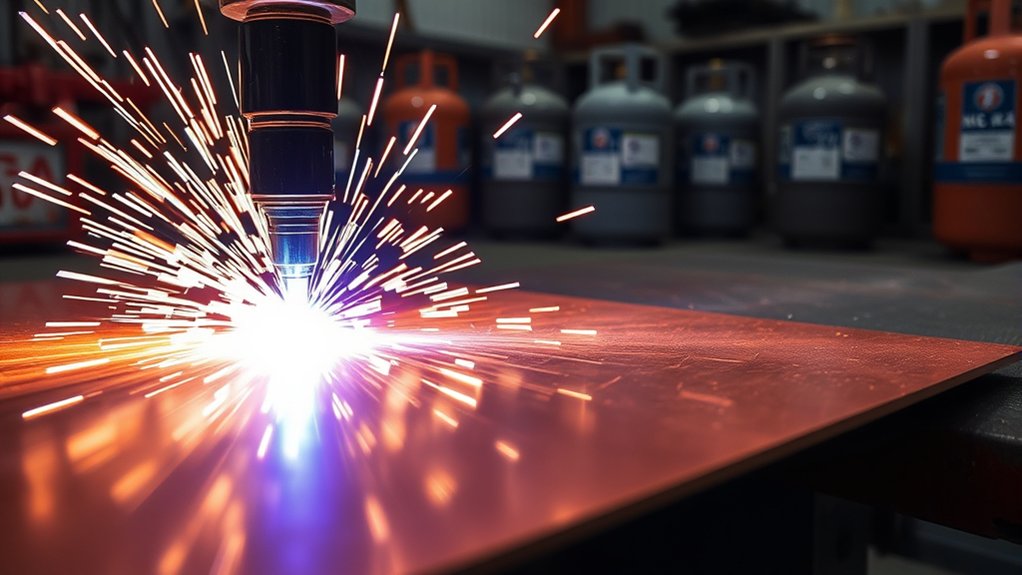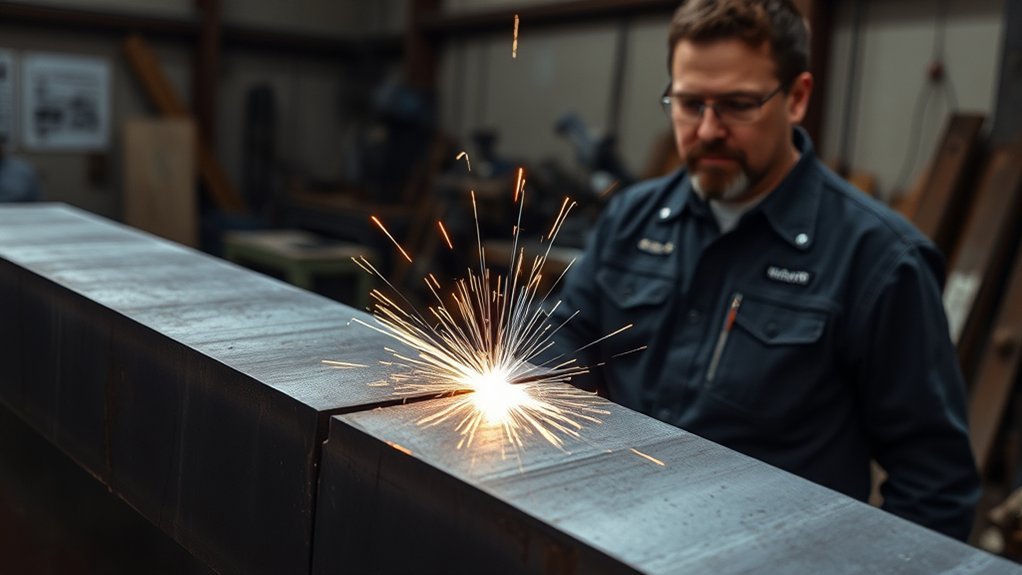
A plasma cutter can cut thicker metal than it can cut cleanly, and that difference matters. If you choose the wrong rating, you may get rough edges, heavy dross, or a cut that needs grinding before welding. This guide explains clean cut, severance cut, and the key factors that affect plasma cutter thickness capacity.
Quick Answer
A plasma cutter’s clean-cut rating tells you the thickest metal it can cut with a smooth edge and little dross. Its severance rating tells you the thickest metal it can cut through at all, but the edge will usually look rough. For best results, choose a machine with a clean-cut rating that matches your usual material thickness.
Key Takeaways
- Use the clean-cut rating when edge quality, fit-up, or welding prep matters.
- Use the severance rating only when you need to cut through thicker metal and can accept cleanup.
- Higher amperage usually supports thicker cuts, but travel speed and air pressure still matter.
- Material type, torch setup, and worn consumables can change cut quality.
- Match the plasma cutter to the thickness you cut most often, not the rare thickest cut.
Understanding Plasma Cutter Thickness Capabilities
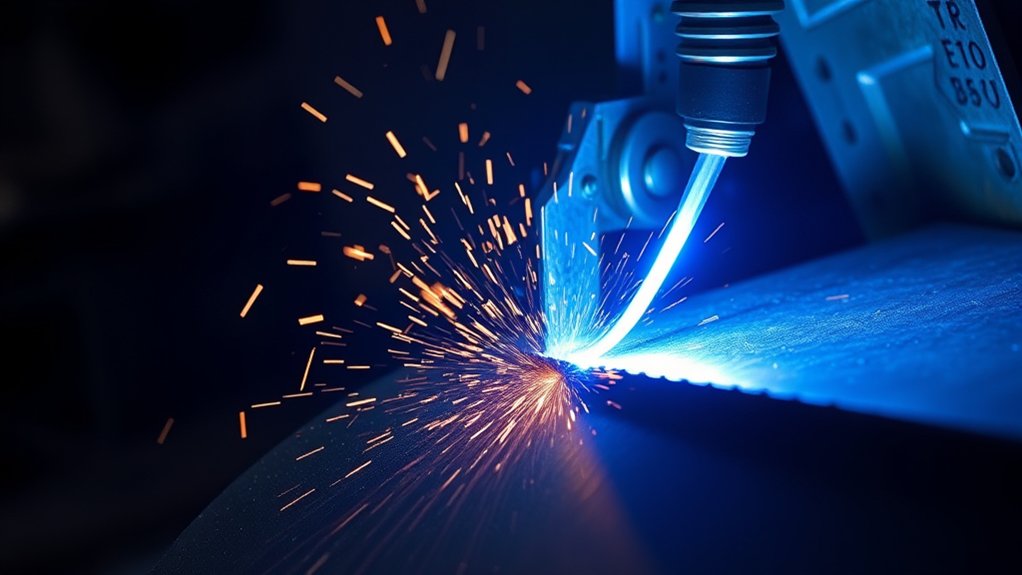
When you compare plasma cutters, start with the machine’s stated thickness capabilities. Most models list a recommended clean-cut thickness and a higher severance thickness.
Understanding plasma cutter limits helps you choose the right machine and avoid slow, rough cuts.
For example, the Lincoln Electric Tomahawk 30 can make clean cuts on mild steel up to 1/2 inch thick. If you cut thicker material, the machine may still get through it, but you should expect slower cutting and more cleanup.
The Tomahawk 45 handles thicker material, with clean cuts up to 3/4 inch. As you move closer to any machine’s upper limit, cut quality drops and dross increases.
Handheld plasma torches can cut steel plate up to about 38 mm, depending on the machine and setup. Automated plasma systems can cut much thicker plate, but they use stronger power sources, controlled motion, and industrial torch systems.
The power source and amperage have a major effect on cutting rates. Higher amperage delivers more cutting energy, which helps on thicker materials when you use the right consumables and travel speed.
Products Worth Considering

[Achieve Precise Cuts] PT31 Plasma Cutting Consumables – Your Essential Tool for Efficient Cutting! Whether you're working with sheet metal, steel, or any other material, superior cutting performance ensure clean, accurate, and smooth cuts.

The suitable plasma torch: Plasma spring guide AG60 / SG55 WSD60 plasma cutting torch

CUTTING THICKNESS UP TO 20MM: Featuring a brand-new MCU technology upgrade, the plasma cutter machine has a high degree of internal integration, combining full digitalization for more precise control of cutting parameters such as current and voltage. This results in better cutting effects and improved stability. Cutting thickness: Quality 12mm (1/2"), maximum 20mm (3/4").
Clean Cut vs. Severance Cut: What’s the Difference?
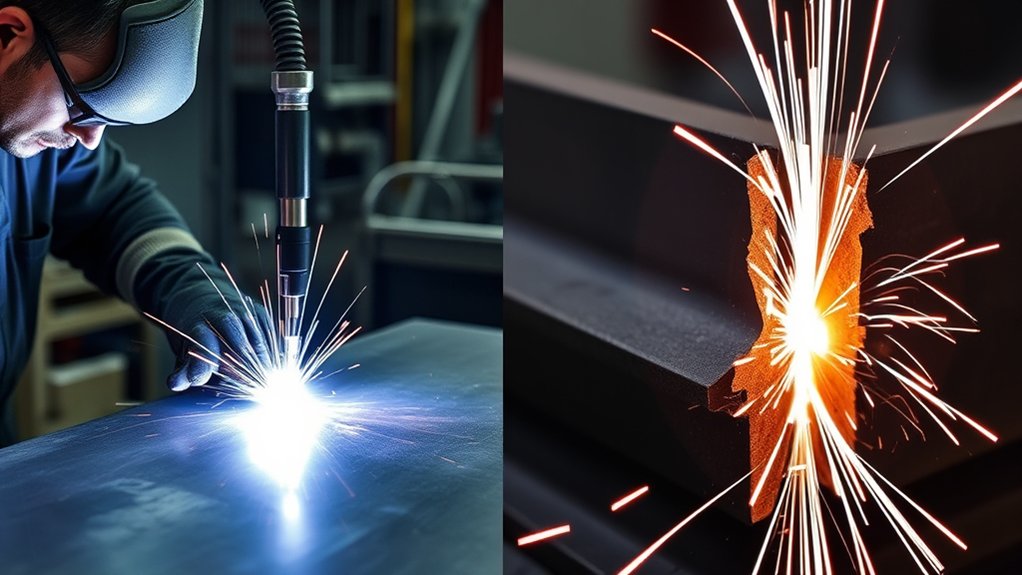
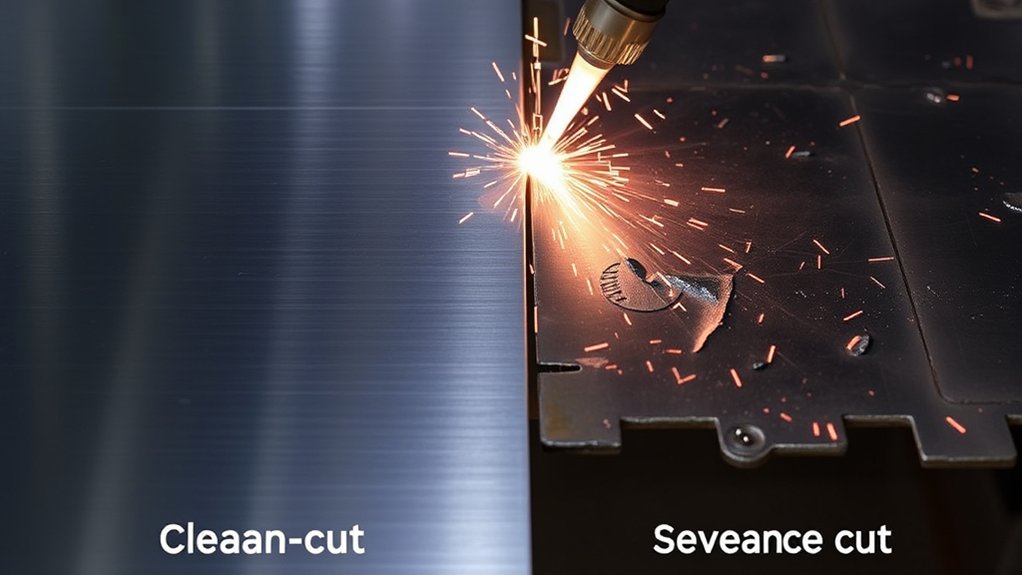
A clean cut gives you the best edge quality the machine can make at a useful speed. It leaves less dross, gives better accuracy, and often needs little cleanup before fitting or welding.
A severance cut means the machine can cut through the material, but the edge will look rough. You should expect more slag, slower travel, and more grinding after the cut.
| Aspect | Clean Cut | Severance Cut |
|---|---|---|
| Cut Speed | Faster, within the rated range | Slower, near the machine limit |
| Edge Finish | Smooth, with minimal dross | Rough, with more dross |
| Thickness | Within the recommended range | Near maximum thickness |
| Post-Processing | Often light or not needed | Usually needed before welding or finishing |
Choose clean cutting when accuracy and edge finish matter. Choose severance cutting only when you need to get through thicker material and can clean the edge later.
Note: Manufacturers may define clean cut and severance cut in slightly different ways, so compare ratings carefully.
Factors That Affect Plasma Cutting Thickness
Several factors affect how thick your plasma cutter can cut. The power source and amperage play the biggest role, but they don’t work alone.
Clean-cut and severance ratings help you understand a plasma cutter’s real working range.
A higher-amperage machine can usually cut thicker metal than a lower-amperage model. For example, some 100 amp plasma cutters can cut metal near 40 mm thick when the material, air supply, and setup match the machine’s rating.
Material type also matters. Mild steel, stainless steel, and aluminum cut differently because each metal reacts to heat and the plasma arc in its own way.
Machine design, torch type, air quality, and travel speed also affect the final cut. Dry, clean air helps the arc stay stable and protects consumables.
Consumable condition can make or break the cut. A worn nozzle or electrode can cause poor arc shape, more dross, and a wider kerf.
- Use the correct amperage for the material thickness.
- Keep air pressure within the machine’s recommended range.
- Replace worn tips, nozzles, and electrodes before they hurt cut quality.
- Match travel speed to the thickness and metal type.
Recommended Plasma Cutters for Common Thickness Ranges
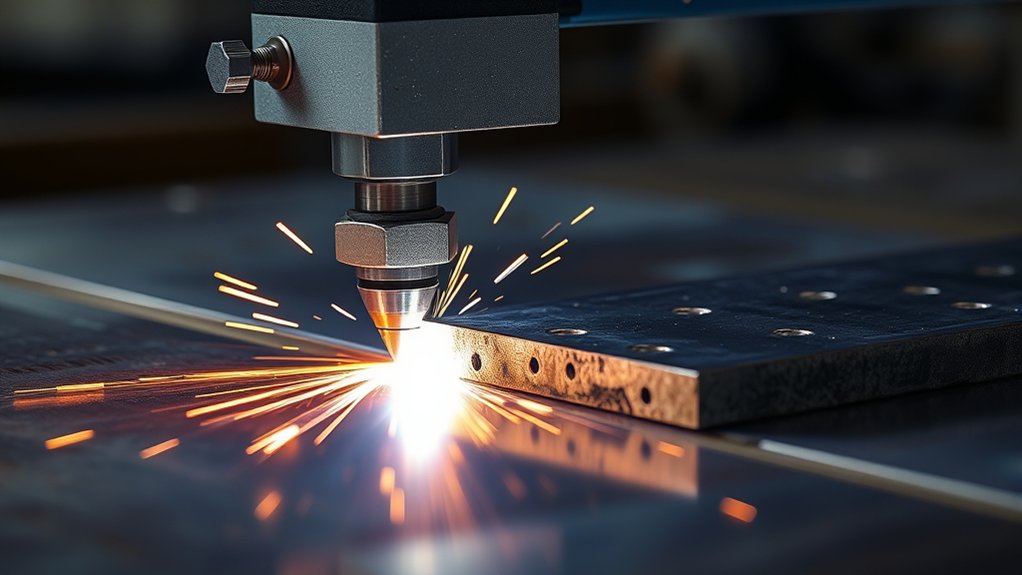
Choose a plasma cutter based on the thickness you cut most often. Don’t buy only for the thickest cut you may make once in a while.
For light to mid-range work, the Lincoln Electric Tomahawk 30 Air supports clean cuts up to 1/2 inch and severance cuts up to 5/8 inch. It suits sheet metal, brackets, small repairs, and general shop work.
If you cut thicker material more often, the Tomahawk 45 gives you more capacity. It supports clean cuts up to 3/4 inch, with severance capacity beyond that range.
For heavier work, handheld plasma torches can handle steel plate up to about 38 mm, depending on the system. Automated machines can cut much thicker plate, but they cost more and need a controlled setup.
The VEVOR Pilot Arc lists a clean-cut capacity of 12 mm and a severance capacity of 16 mm. Ratings like these show why you should compare clean-cut numbers before you buy.
Products Worth Considering

65A HEAVY-DUTY CUTTING POWER: This plasma cutter delivers up to 65A of cutting power, going far beyond typical home-use machines. Effortlessly cuts through carbon steel, stainless steel, aluminum, as well as painted, coated, and rusty metals. Ideal for everything from DIY projects to light industrial work, small fabrication shops, and heavy equipment cutting—one machine that handles it all with power and precision.

[PT31 COMPATIBILITY] Designed in PT31 standard style and suitable for CUT30 CUT40 CUT50 LGK40 CT312 CT416 MTC120P MTC160 MTC160P and Super160P plasma cutting machines.

S45 Plasma Torch Body Head
Tips for Better Plasma Cutting Quality
After you choose the right plasma cutter, set it up for the metal in front of you. Use the right amperage, air pressure, consumables, and travel speed.
High amperage helps with thicker cuts, but it also requires the right pace. Move too slowly, and you can widen the kerf, create more dross, or overheat the metal.
Check your air supply before you cut. Many plasma cutters need clean, dry compressed air near the machine’s recommended pressure, often around 75 psi for small shop units.
Choose the right cutting technique for the job. Drag cutting works well for many thin materials, while standoff cutting can improve quality on thicker metal.
Pro tip: Make a short test cut on scrap from the same material before you cut the final part.
Common Mistakes That Reduce Cut Capacity
Even a strong plasma cutter can perform poorly when setup problems go unchecked. Most thickness problems come from air supply issues, worn consumables, or poor travel speed.
Low air pressure can create an unstable arc and leave heavy dross. Wet or dirty air can shorten consumable life and weaken cut quality.
Travel speed also matters. If you move too fast, the arc may not cut fully through the metal. If you move too slowly, the cut can grow wide and rough.
Warning: Plasma cutting creates intense light, heat, sparks, fumes, and electrical hazards, so use proper protective gear and ventilation.
Frequently Asked Questions
Can Plasma Cutters Be Used Underwater for Cutting?
Yes, some plasma cutters can work underwater, but only with specialized equipment. Underwater plasma cutting requires proper insulation, gas flow control, and safety procedures.
What Safety Precautions Are Needed for Plasma Cutting?
Wear flame-resistant clothing, gloves, eye and face protection, and hearing protection when needed. Use good ventilation, clear flammable materials, and inspect your equipment before you cut.
How Does Air Pressure Affect Plasma Cutting Performance?
Air pressure helps shape and control the plasma arc. The right pressure improves cut speed, reduces dross, and helps protect the torch consumables.
Can Plasma Cutters Work on Non-Metal Materials?
Plasma cutters usually do not work on non-metal materials because they need electrical conductivity. For plastics, wood, or other non-metals, use a tool such as a saw, router, waterjet, or laser cutter.
What Maintenance Is Required for Plasma Cutter Longevity?
Inspect and replace consumables, keep the torch clean, and check the air supply for leaks or moisture. Clean connections and follow the manufacturer’s maintenance schedule to keep the machine cutting well.
Is Clean-Cut Capacity More Important Than Severance Capacity?
Clean-cut capacity matters more for most shop and fabrication work. Severance capacity helps when you only need to cut through thick material and can accept grinding afterward.
Safety Disclaimer: This article is for informational purposes only and does not replace professional safety training or the manufacturer’s instructions. Follow your plasma cutter manual, local safety rules, and proper shop procedures before cutting metal.
Conclusion
Your plasma cutter’s clean-cut rating gives you the most useful guide for real work. Severance capacity can help in a pinch, but it often leaves rough edges and more cleanup. Match your machine to the thickness you cut most often, then keep your air supply, consumables, and travel speed under control. With the right setup, you’ll cut cleaner, work faster, and get better results from each pass.