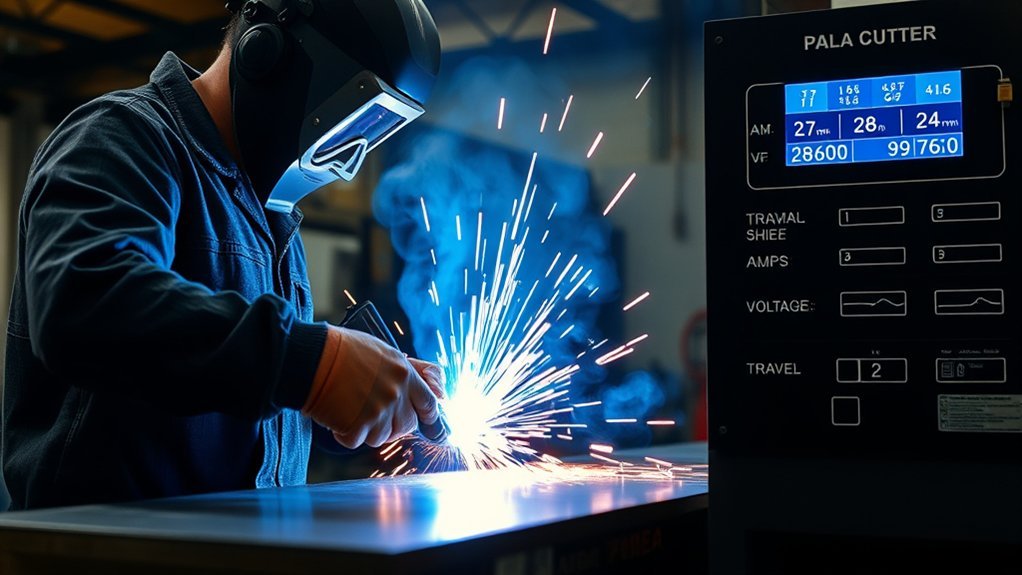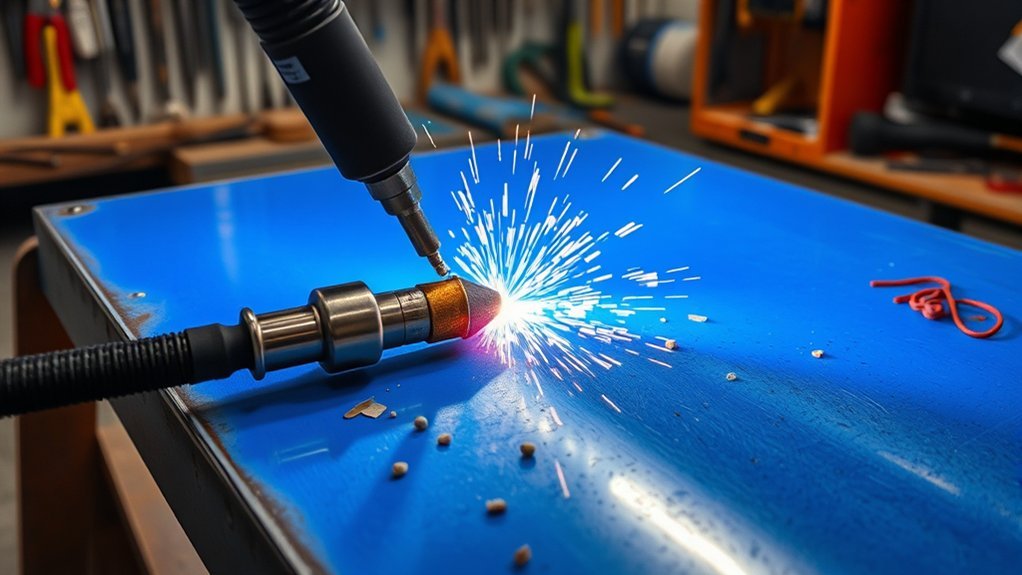
Cutting brass with a plasma cutter demands precision and strict heat control. Brass absorbs and spreads heat quickly. This rapid heat transfer can easily warp your workpiece if you use the wrong settings. To get clean edges without distortion, you must dial in the correct amperage, travel speed, and gas combinations.
Quick Answer
To cut brass effectively with a plasma cutter, use low amperage settings and a steady cutting speed between 20 and 60 inches per minute. Nitrogen is the best shielding gas to minimize oxidation, and a narrow nozzle helps focus the arc for a clean, precise cut.
Key Takeaways
- Keep amperage low to prevent brass from warping due to its high thermal conductivity.
- Use nitrogen as a shielding gas to stop oxidation and reduce dross on the edges.
- Maintain a steady cutting speed between 20 and 60 inches per minute.
- Always wear a P100 respirator and cut in a well-ventilated area to avoid toxic zinc fumes.
Why Plasma Cutting Works for Brass
You must understand the unique thermal properties of brass before you start cutting. Brass has high thermal conductivity. Heat spreads quickly through the metal, which causes uneven cuts and distortion if you fail to manage the temperature.
Brass absorbs heat rapidly, requiring precise machine settings to avoid warped metal and uneven edges.
You need exact control over your heat input. Using nitrogen as a shielding gas reduces oxidation and leaves a cleaner surface behind. You must also adjust your plasma cutter settings to match the exact thickness of your brass workpiece.
Using lower amperage settings prevents heat damage and keeps the metal structurally sound. Brass also reflects heat and light. Familiarizing yourself with how the metal reacts to the plasma arc will improve your cut accuracy. You can minimize dross formation by testing different speeds and power levels before making your final cut.
Essential Brass Cutting Techniques
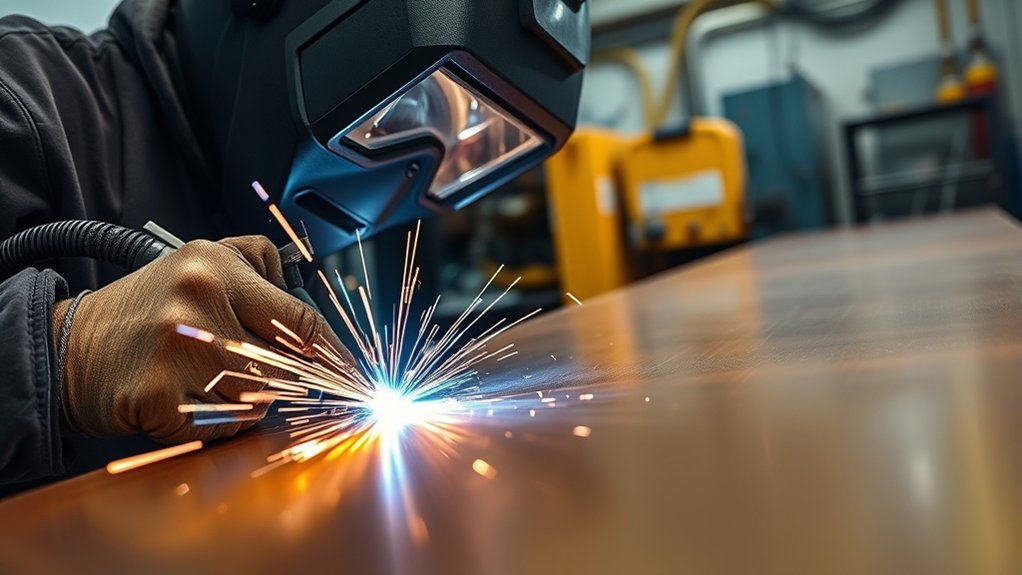
You must optimize your heat input by setting your machine to low amperage. This minimizes the risk of thermal distortion. You also need to maintain a steady travel speed to reduce dross and guarantee smooth edges.
Optimize Your Heat Input
Keep your amperage low to minimize heat damage. Effective heat management is critical for non-ferrous metals. You must adjust your settings specifically for the thickness of your material.
Pro tip: Always test your amperage and speed on a piece of scrap brass of the exact same thickness before cutting your final workpiece.
Install a narrow nozzle on your torch to refine your cuts. A narrower opening gives you better control over the heat zone. Test different power levels to find a balance that reduces dross without sacrificing penetration. This keeps your intricate designs sharp and prevents the metal from warping.
Maintain a Steady Cutting Speed
Precise cuts require a consistent travel speed. If you speed up and slow down, you will create uneven edges and heavy dross buildup. Aim for a travel speed between 20 and 60 inches per minute. Base your exact speed on the material thickness and your specific machine output.
A narrow nozzle focuses the plasma arc and helps you maintain control over your pace. Lower amperage settings shrink the heat-affected zone. Practice moving the torch at a consistent rate to get clean edges every time.
Brass Thickness Limits
Most standard 110V plasma cutters can cleanly sever brass up to 1/8-inch thick. If you need to cut 1/4-inch brass or thicker, you will likely need a 220V machine. Thicker materials require higher amperage and a slower travel speed to fully penetrate the alloy.
Best Shielding Gases for Brass
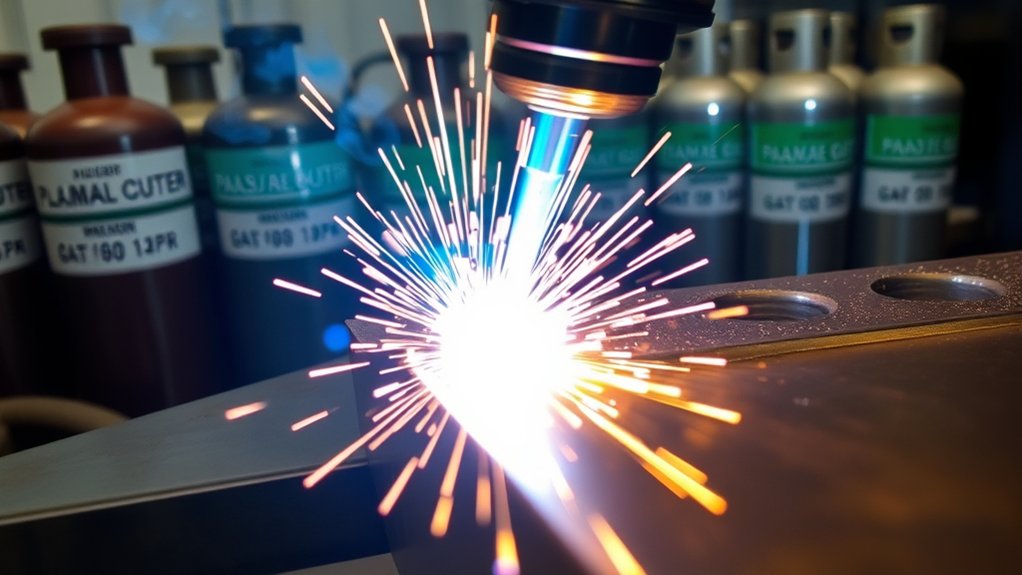
Picking the correct gas is just as important as setting your amperage. Nitrogen is the most effective choice because its inert properties prevent oxidation. This gives you a smaller heat-affected zone and a cleaner finish.
Products Worth Considering

Piston Design: Flame Tech HPPR-IN-700-580 High-Pressure Piston Regulator is a superior performing welding gas regulator for inert gases including nitrogen gas and argon gas. The piston design helps in precisely stabilizing the control.

Fit for: SG-55 AG-60 plasma cutter torch head.
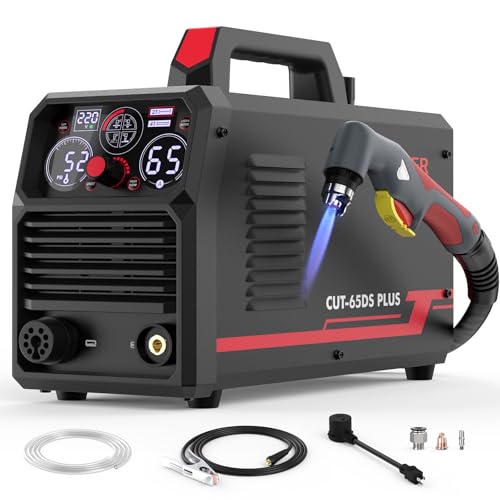
4 FUNCTIONS IN 1 MACHINE: Plate cutting, grid cutting, gouging, and marking give you more ways to handle fabrication, repair, and shop work. Plate Cutting delivers clean cuts on steel, stainless steel, and other conductive metals. Grid Cutting helps maintain a stable arc across grating and perforated metal. Gouging removes welds, rust, and damaged material. Marking creates clear guide lines for layout, hole positioning, and assembly.
Top Gas Options
Your gas choice directly impacts arc efficiency and edge quality. Nitrogen reduces oxidation better than standard shop air. Compressed air contains roughly 21 percent oxygen, which increases the risk of oxidation and dross.
Pure oxygen works for thicker brass but requires strict management to stop surface burning. If you need a hotter flame for very thick material, try an argon-hydrogen mixture. This blend improves cutting speed and edge precision on non-ferrous metals.
Why Nitrogen Works Best
Nitrogen is the premier choice for plasma cutting brass. It provides minimal oxidation and protects the surface quality of the metal. The gas stops heavy dross from forming and preserves fine details in your cuts.
Nitrogen also stabilizes the plasma arc. This gives you exact control over reflective materials. When cutting thicker sheets, nitrogen reduces distortion and maintains your dimensional accuracy.
How to Prevent Oxidation
Atmospheric oxygen ruins clean brass cuts. Nitrogen acts as a shield to block oxygen from the molten metal pool. You can also use a dual-gas approach. Mixing nitrogen with compressed air stabilizes the arc while keeping the edges clean enough to skip heavy grinding later.
How to Get a High-Quality Finish
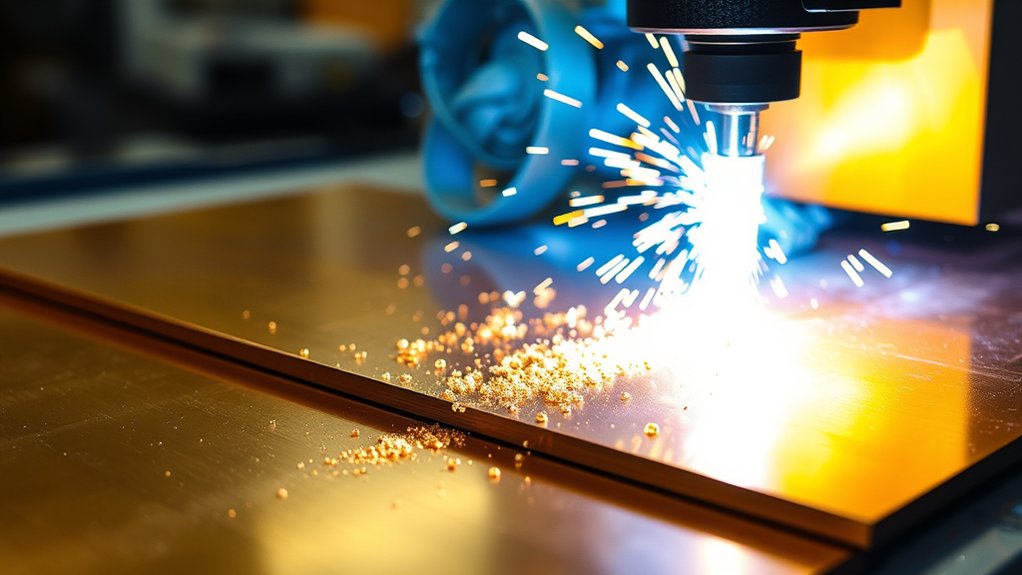
Start with the lowest effective amperage to reduce heat input. This respects the thermal limits of the brass and prevents warping.
Opt for a narrow nozzle to achieve precision cuts with cleaner edges and a smoother finish.
Maintain a strict travel speed. Hesitating with the torch creates blowholes and heavy slag. Inspect your consumables before every project. Worn electrodes and pitted nozzles ruin your arc focus and destroy the cut quality.
- Low Amperage: Minimizes heat input and prevents warped panels.
- Narrow Nozzle: Focuses the arc for cleaner, smoother lines.
- Nitrogen Gas: Stops oxygen from reaching the cut and degrading the edge.
Common Brass Cutting Problems and Fixes
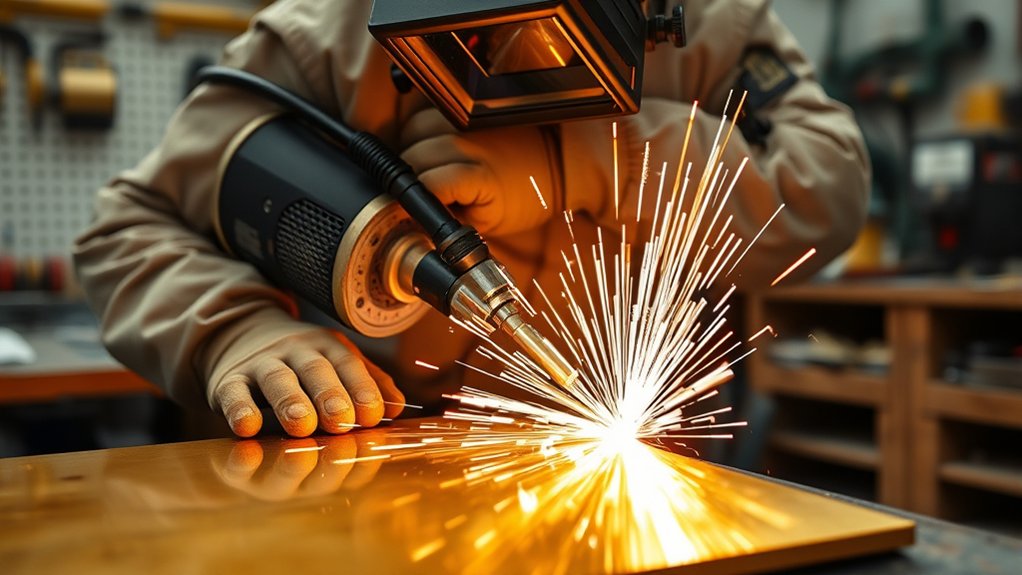
Brass moves heat around fast. You must control your tools perfectly to manage this thermal conductivity. If your brass bends or distorts, lower your heat input immediately. If the edges look dark and burnt, switch to a nitrogen gas setup to stop surface oxidation.
If you see heavy dross sticking to the bottom edge, your travel speed is wrong. Speed up slightly or increase your power by a few amps until the dross blows away cleanly.
Workshop Precision and Safety Rules
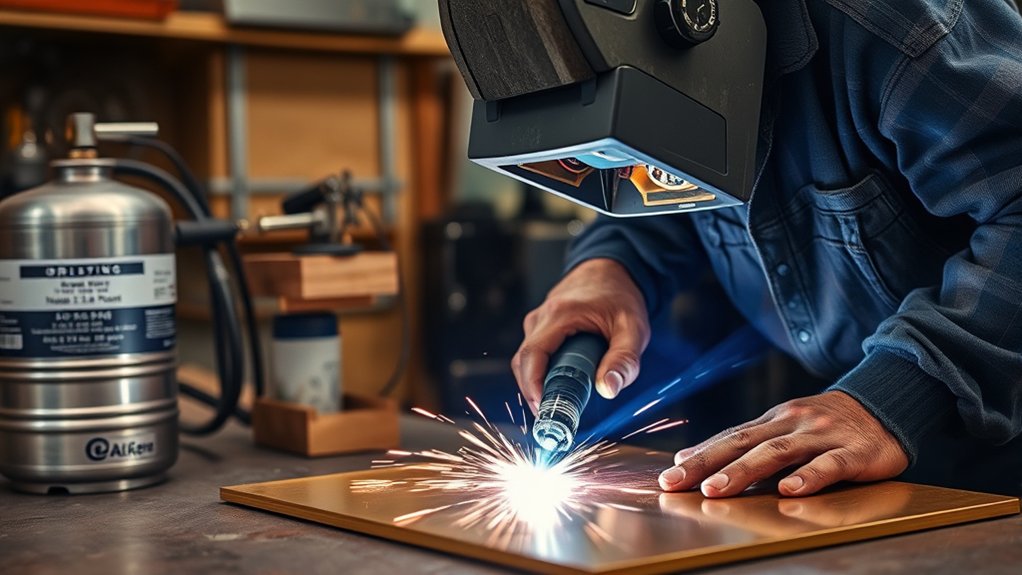
Replace your consumables regularly. A damaged nozzle will angle the arc and ruin your precision. Never cut with dirty or damaged brass, as surface contaminants cause the arc to sputter.
Warning: Brass is an alloy of copper and zinc. Cutting brass releases toxic zinc oxide fumes that cause metal fume fever.
According to OSHA guidelines, you must use proper ventilation when heating zinc alloys. Always wear a P100 respirator under your welding helmet. Standard dust masks will not protect you from heavy metal fumes.
- Ventilation: Use an active fume extractor or exhaust fan.
- Protective Gear: Wear a rated respirator, safety glasses, and heavy gloves.
- Maintenance: Inspect your torch tip and electrode before striking an arc.
Frequently Asked Questions
How does brass thickness affect plasma cutting settings?
You must increase your amperage and slow your travel speed to cut thicker brass. Thinner brass requires low power settings and a faster travel speed to prevent the metal from warping under the heat.
Is it necessary to preheat brass before plasma cutting?
You do not need to preheat brass before plasma cutting. However, lightly preheating thick brass plates can reduce thermal shock and help the plasma arc penetrate the material faster upon initial piercing.
Can you use a standard plasma cutter for brass jewelry making?
Yes, you can use a standard plasma cutter for brass jewelry. You need a machine capable of very low amperage (under 15 amps) and a fine-tip drag shield to cut intricate shapes without melting the small pieces.
Does plasma cutting brass produce harmful fumes?
Yes. Brass contains zinc, which vaporizes under the heat of a plasma arc. Inhaling these toxic zinc oxide fumes causes a severe flu-like condition called metal fume fever.
Are there alternative cutting methods for intricate brass designs?
Laser cutting and water jet cutting work exceptionally well for intricate brass. Laser cutting offers extreme precision, while a water jet cuts the metal using cold abrasive pressure, which completely prevents heat distortion.
Medical Disclaimer: This article is for informational purposes only and does not constitute professional medical advice. Always consult a qualified doctor if you suspect exposure to heavy metal fumes or experience symptoms of metal fume fever.
Next Steps for Your Project
Cutting brass with a plasma cutter requires strict heat management and a steady hand. Use nitrogen gas, low amperage, and a narrow nozzle to get the cleanest cuts possible. Always prioritize your safety by wearing a respirator and using an exhaust fan to clear away zinc fumes. Set up a piece of scrap brass today, dial in your settings, and test your travel speed before starting your final project.
References
- Welding, Cutting, and Brazing Safety Standards — Occupational Safety and Health Administration (OSHA)
- Plasma Cutting Principles and Gases — TWI Global
- Plasma Cutting Non-Ferrous Metals — Fabricators & Manufacturers Association