Disclosure: As an Amazon Associate, we earn from qualifying purchases. If you click a link on this page and make a purchase, we may receive a small commission at no extra cost to you.
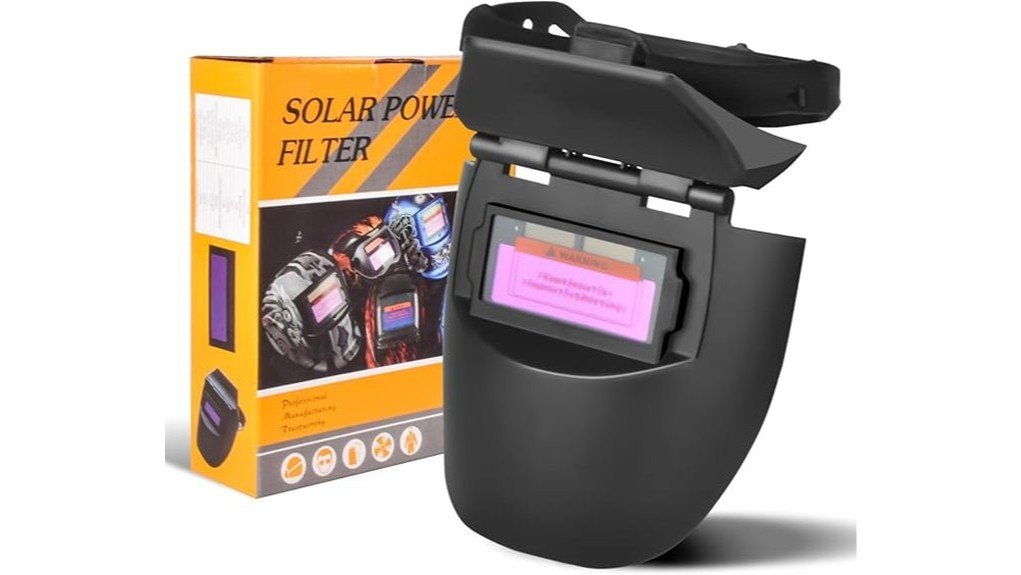
A welding helmet has to protect your eyes without making the work area hard to see. The GNI Welding Helmet is built around auto-darkening protection, true-color viewing, a lightweight 1.1-pound build, and a foldable design for easier storage. This review helps you decide whether its comfort, lens response, and beginner-friendly setup make sense for your welding projects. The main strength is its practical feature set, while the main caution is that several exact specs, such as certification labels and warranty terms, should be checked on the current Amazon listing before you buy.
Quick Verdict
Rating: 7.8/10
Best For: Beginner and occasional welders who want a lightweight auto-darkening helmet with true-color viewing and easy storage.
Bottom Line: The GNI Welding Helmet is worth considering if you want a simple helmet that reduces neck fatigue and helps you see the weld area more clearly. Skip it if you need verified industrial certifications, a large viewing window, or exact professional-grade specifications before purchase.
| Specification | Detail |
|---|---|
| Brand | GNI |
| Product type | Auto-darkening welding helmet |
| Weight | 1.1 pounds |
| Lens system | Auto-darkening lens with high-sensitivity photosensors |
| Vision feature | True-color vision technology |
| Power design | Solar-powered support system |
| Fit system | Adjustable headband for different head shapes |
| Design | Lightweight, foldable body with press-and-snap storage design |
| Best use | DIY welding, practice work, shop use, and portable welding setups |
| Safety note | Check the current listing and product label for shade range, certification markings, and use instructions before welding. |
What Is the GNI Welding Helmet?
The GNI Welding Helmet is an auto-darkening welding helmet designed to help protect your eyes and face during welding tasks. Its lens changes from a clear state to a darker state when the built-in photosensors detect an arc, helping you start work without repeatedly lifting and lowering the helmet.
The article-supported feature set focuses on comfort and visibility. You get a 1.1-pound body, an adjustable headband, a foldable shell, a solar-powered support system, and true-color vision technology. Those details make it more appealing for newer welders, hobby users, and anyone who values easier storage.
This is not the best choice for every welding setup. If your job site requires a specific ANSI, CSA, CE, or workplace-approved certification, confirm that marking on the product label and current listing before using it.
Before You Buy: The source article does not verify the helmet’s exact shade range, viewing-window size, certification markings, or warranty terms. Check the current Amazon listing and the product label before you rely on it for professional or regulated work.
Who Should Buy It?
Best For
- Beginners who want auto-darkening support while learning arc control.
- DIY welders who prefer a lightweight 1.1-pound helmet for shorter shop sessions.
- Users who need a foldable helmet that stores more easily in a tool kit or work bag.
Skip If
- You need verified certification markings before job-site use.
- You want confirmed details on shade range, viewing area, optical class, and replacement lens parts.
- You prefer a heavier professional helmet with a large viewing window and more published specifications.
Auto-Darkening Technology and Lens Response
The key feature is the auto-darkening lens. The helmet uses high-sensitivity photosensors that detect the welding arc and shift the lens from clear to dark within milliseconds. That helps reduce the chance of being surprised by arc brightness when you strike an arc.
The article also notes adjustable lens sensitivity. That matters because indoor work, outdoor light, low-amperage welding, and different arc positions can affect how the helmet responds. A more adjustable helmet gives you more control, but you still need to follow the product manual and test the lens before starting serious work.
For a beginner, auto-darkening can make setup less awkward. You can position the electrode, torch, or workpiece with the lens in a clearer state, then keep both hands steady when the arc starts.
True-Color Vision Quality
True-color vision technology is useful because it helps the weld area look more natural than a basic dark green lens. Better color clarity can make it easier to identify the arc starting point, watch the puddle, and see the joint edges.
The biggest benefit is focus. When the view looks clearer, you can spend less effort guessing where the weld pool is moving. That can help you make steadier passes, especially when you are still building muscle memory.
True-color viewing does not replace correct shade selection. You still need a lens setting that matches the welding process, amperage, and safety requirements for your work.
Portability and Design
At 1.1 pounds, the GNI Welding Helmet is light enough for users who dislike neck strain during repeated tack welds or short practice sessions. A lighter helmet can make a real difference when you lift, lower, and reposition often.
The foldable design is another practical detail. The article describes a press-and-snap mechanism that lets the helmet take up less space when stored. That helps if your gear lives in a small workshop, garage cabinet, welding cart, or mobile tool kit.
The tradeoff is that foldable parts should be checked more often. Before each session, confirm that the shell locks into position, the lens area is clean, and the headband still holds the helmet securely.
Fit, Comfort, and Headband Adjustment
The adjustable headband is important because a welding helmet has to stay stable while you move. A loose helmet can shift when you bend, turn, or look down at a joint. A tight helmet can create pressure points and distract you from the weld.
The GNI helmet is designed to fit different head shapes. Take time to adjust the headband before welding instead of fixing it during the job. The goal is a snug fit that does not pinch your forehead or slide when you nod.
Pro Tip: Test the headband, lens response, and foldable shell before your first weld. Put the helmet on, look down, turn your head, and confirm that it stays secure without blocking your view.
Solar-Powered System Benefits
The helmet includes a solar-powered support system that helps maintain power during welding. That can reduce the need to think about battery changes during typical use, especially when the helmet sees enough light while you work.
This does not mean you should ignore power checks. Auto-darkening helmets can still depend on internal power systems, and weak power can affect performance. Before welding, confirm that the lens switches correctly and follow the manual for storage, testing, and battery-related care.
How It Performs in Real Use
For Beginner Practice
Beginners benefit most from the auto-darkening lens because it helps you keep the helmet down while positioning the work. You can focus on hand angle, travel speed, and weld placement instead of flipping the helmet up and down.
For Garage and DIY Welding
The lightweight body and foldable design make sense for garage welders who do not weld all day. You can store it with other tools, carry it to a small work area, and wear it for short sessions without feeling weighed down.
For Outdoor Use
The article describes the helmet as suitable for outdoor welding, but outdoor light can affect auto-darkening performance on some helmets. Adjust sensitivity as needed, keep the sensors clean, and test the lens before starting a weld in bright sunlight.
For Longer Sessions
The 1.1-pound weight helps reduce fatigue, but comfort still depends on fit. If the headband is not adjusted well, even a light helmet can feel uncomfortable during longer work periods.
Setup Tips Before First Use
Start by reading the included instructions and checking the helmet for damage. Look for cracks, loose parts, dirty sensors, and scratched lenses before you weld.
Next, adjust the headband while wearing your usual welding clothing and eyewear. If you wear prescription glasses, confirm that the helmet has enough internal clearance and does not push your glasses into your face.
Finally, test the auto-darkening function before you begin a real project. If the lens response seems slow, inconsistent, or too dark to see the weld area safely, stop and review the manual or contact the seller.
Safety and Material Notes
The helmet is described as using high-strength lightweight materials, but the source article does not verify the exact material type. For safety gear, that detail matters less than proper fit, correct lens function, and confirmed compliance with your work requirements.
Use this helmet only for applications that match its labeled shade range and instructions. Do not use a welding helmet as a substitute for other required PPE, such as gloves, protective clothing, respiratory protection, or safety glasses when the task requires them.
If you work in a school, shop, industrial site, or regulated environment, check with the safety officer or supervisor before using any helmet with unconfirmed certification details.
Pros and Cons
Pros
- Auto-darkening lens helps protect your eyes when the arc starts.
- True-color vision can make the weld area easier to see.
- 1.1-pound build reduces fatigue during short and medium welding sessions.
- Foldable design makes storage easier in small shops or mobile kits.
- Adjustable headband helps you dial in a more secure fit.
Cons
- Exact shade range, viewing-window size, and optical class are not confirmed in the source article.
- Certification and warranty details should be checked before professional use.
- Foldable parts need regular inspection so the helmet stays secure.
Is It Worth the Price?
The GNI Welding Helmet looks like a strong value for the price if you want auto-darkening protection, true-color viewing, and a lightweight shell in one helmet. It makes the most sense for home shops, beginner practice, and portable setups where comfort and simple storage matter.
You get the most value if you do not need every professional specification published before purchase. If your work requires confirmed optical class, certification labels, or a specific shade range, this helmet may still work, but you should verify those details first.
How It Compares to Alternatives
Compared with a basic fixed-shade helmet, the GNI model should feel easier to use because the lens can darken automatically when the arc starts. That can make setup more comfortable for beginners and reduce the need to lift the helmet between welds.
Compared with premium professional helmets, the main drawback is the lack of confirmed technical details in the source article. Premium alternatives may publish more complete information about viewing area, optical class, shade range, sensors, and certifications. The GNI helmet makes the most sense if you prioritize lightweight comfort, foldable storage, and beginner-friendly use.
Frequently Asked Questions
Is the GNI Welding Helmet good for beginners?
Yes, it is a practical option for beginners because the auto-darkening lens helps you keep the helmet down while positioning your work. The lightweight body and adjustable headband also make it easier to wear during practice sessions.
Does the lens darken automatically?
The article describes built-in high-sensitivity photosensors that switch the lens from clear to dark when they detect an arc. Test the lens before welding and adjust sensitivity according to your work conditions.
How much does the helmet weigh?
The source article lists the helmet at 1.1 pounds. That light weight can help reduce neck strain, especially if you weld in short sessions or move between tasks often.
Can you wear prescription glasses under it?
The article describes the helmet as glasses-friendly, but fit can vary by frame size and head shape. Try the helmet with your actual glasses before welding to make sure the frames do not press into your face.
Is it suitable for outdoor welding?
It may be useful outdoors, but bright sunlight can affect auto-darkening sensors on some helmets. Keep the sensors clean, adjust sensitivity when needed, and test the lens before starting the weld.
Does the solar-powered system replace battery checks?
No. The solar-powered support system can help maintain power, but you should still check lens function before welding. Follow the manual for battery, charging, and storage guidance.
How should you clean and maintain it?
Use a soft cloth and avoid abrasive cleaners on the lens area. Inspect the sensors, shell, headband, and foldable parts before use, and replace damaged parts according to the product instructions.
Who should skip this helmet?
Skip it if you need confirmed job-site certification, a published optical class, a known shade range, or a specific viewing-window size before purchase. It is better for casual, beginner, and DIY use when those details are less critical.
The Bottom Line
The GNI Welding Helmet is a smart buy for everyday DIY welding if you want auto-darkening protection, true-color viewing, low weight, and easier storage. It is less ideal for buyers who need fully verified professional specifications before use. For beginners and garage welders, the comfort-focused design makes it worth considering, but you should confirm the latest product details before you decide.