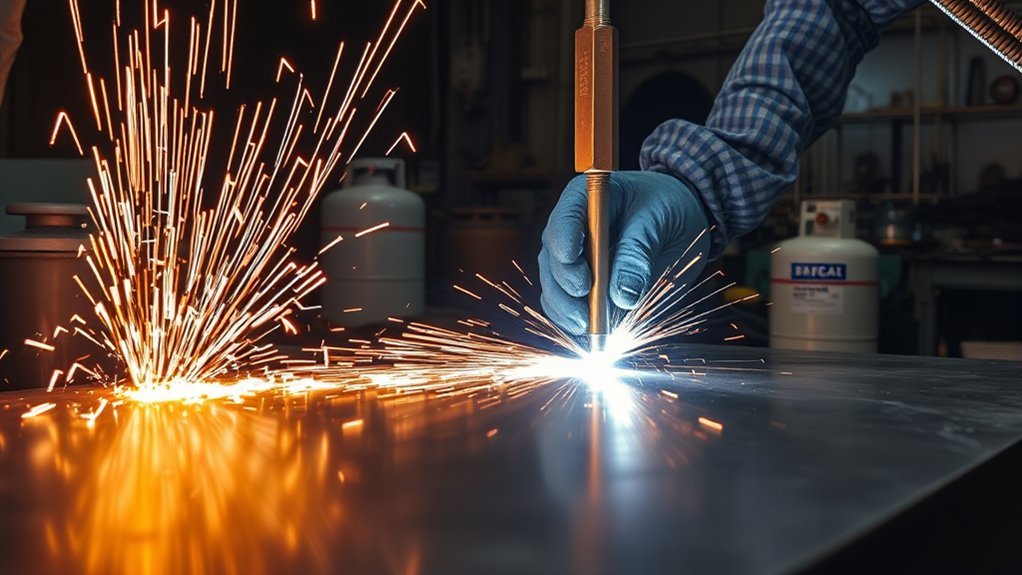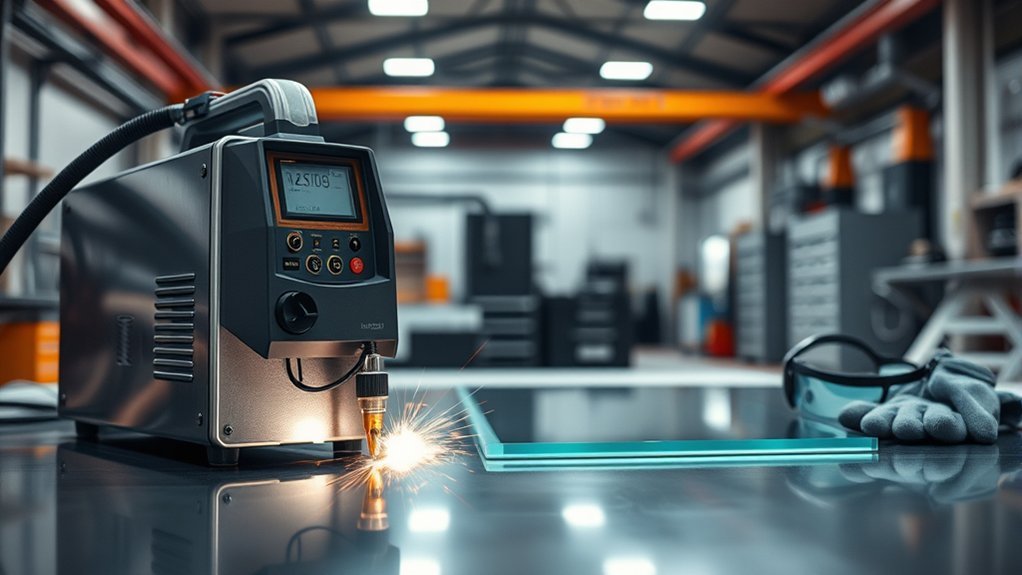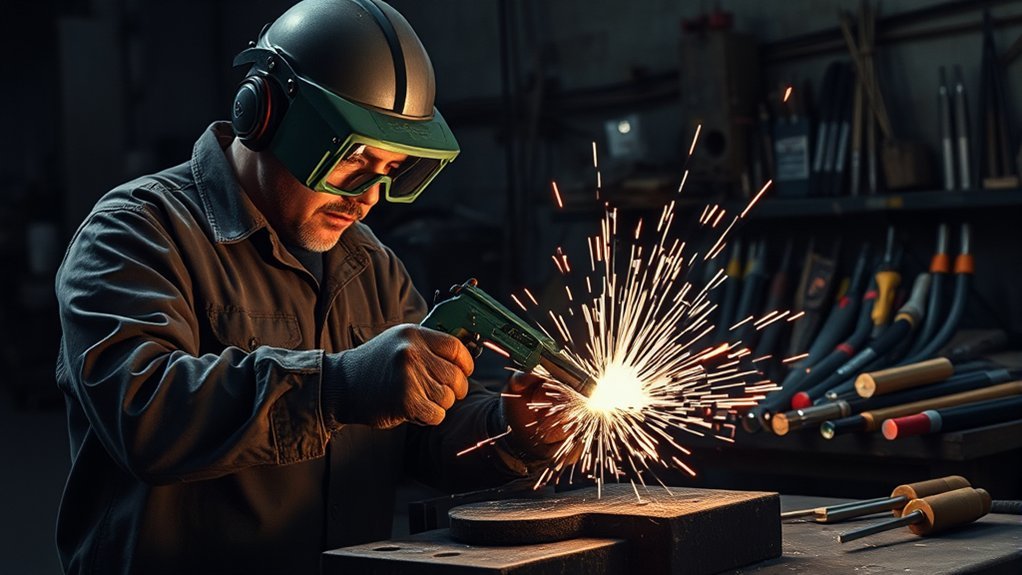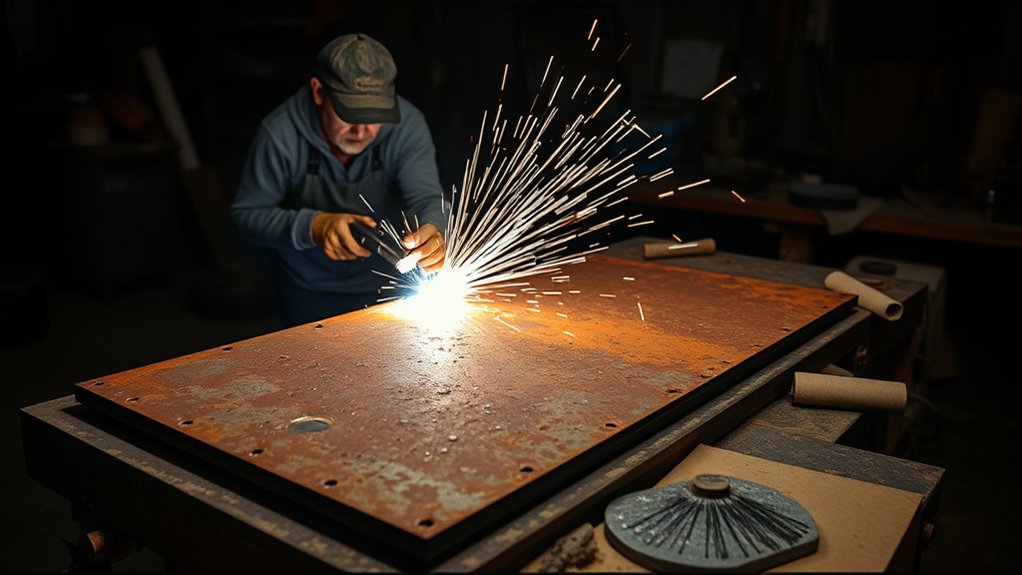
Rust does not automatically stop a plasma cutter. Most modern air-plasma systems can cut conductive steel through light or moderate rust, and pilot-arc models are especially useful on dirty or interrupted surfaces. The harder part is getting a reliable work-clamp connection, controlling fumes and fire hazards, and choosing settings that match the sound metal beneath the corrosion.
Quick Answer
Yes, a plasma cutter can cut rusty metal when the base metal is still sound and the cutter is rated for its thickness. Remove loose scale, expose bare metal for the work clamp, use clean and dry air, follow the machine’s cut chart, and control fumes, sparks, and hot slag.
Key Takeaways
- A pilot-arc plasma cutter can usually cut light or moderate rust, paint, and scale, but heavy corrosion can reduce accuracy and hide weak metal.
- Remove loose rust from the cut line and grind a clean bare-metal spot for the work clamp.
- Use the manufacturer’s cut chart for amperage, pressure, consumables, torch height, and travel speed instead of guessing.
- Dry, oil-free air and unworn consumables improve arc stability, cut quality, and consumable life.
- Treat rusty scrap as hot work: identify coatings, clear combustibles, use proper eye and face protection, and never cut an unverified tank or sealed container.
At a Glance
| Time Required | About 10–30 minutes for inspection, cleaning, setup, and a test cut; actual cutting time varies. |
| Difficulty | Intermediate; basic plasma-cutter training and hot-work safety knowledge are required. |
| Tools Needed | Properly rated plasma cutter, clean dry air supply, wire brush or grinder, clamps, guide, PPE, and suitable fire extinguisher. |
| Cost | Usually low if you already own the equipment; worn consumables, filters, or grinding supplies may add cost. |
Understanding Plasma Cutters and Their Capabilities
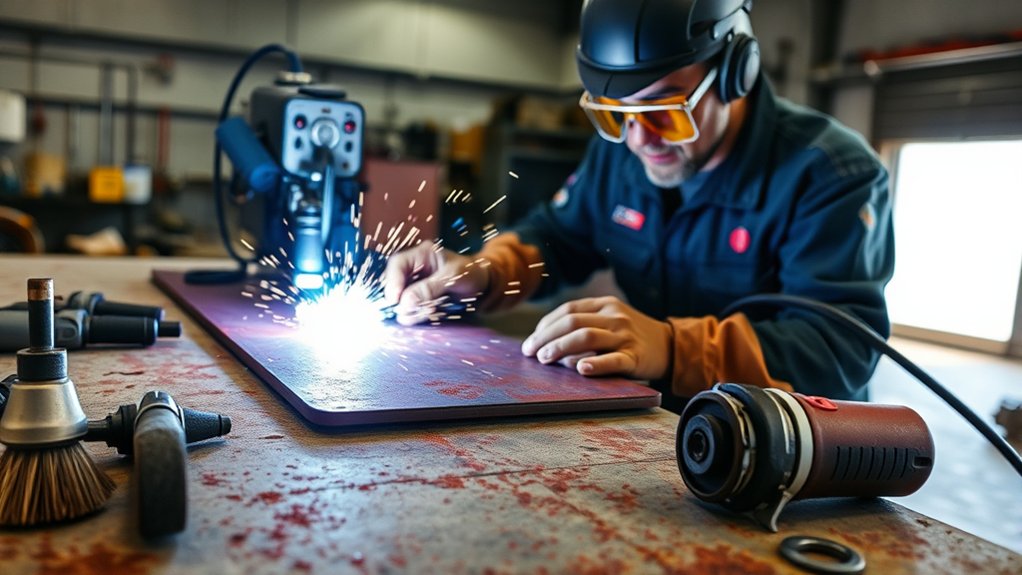
Plasma cutters use a high-velocity jet of ionized gas to melt conductive metal and blow the molten material out of the kerf. The process works on mild steel, stainless steel, aluminum, copper, brass, and other electrically conductive metals. It does not cut wood, glass, plastic, or other nonconductive materials in the normal plasma-cutting process. Hypertherm’s explanation of plasma cutting describes the arc, gas flow, and conductive workpiece path.
A plasma cutter can pass through light rust or paint because the pilot arc starts inside the torch and then transfers to the workpiece. Some systems also have a continuous pilot-arc mode for rusted metal, grating, and other interrupted surfaces. Cleaner metal still gives the torch a more consistent surface and makes it easier to maintain the correct height.
Machine size matters. Match the cutter’s recommended cut capacity, input power, duty cycle, consumables, and air requirements to the actual thickness of sound metal. A machine’s maximum or severance rating means it may separate thicker material slowly with a rough edge; it does not promise production-quality results.
Coated or galvanized metal can create hazardous fumes when heated. Identify paint, plating, undercoating, oils, and other residues before cutting. Use local exhaust or other ventilation appropriate to the material, and do not assume an unknown coating is harmless.
Note: The clamp commonly called a “ground clamp” is the work clamp. It completes the cutting circuit, but it does not replace the equipment grounding and electrical protections required by the manufacturer.
Challenges of Cutting Rusty Metal
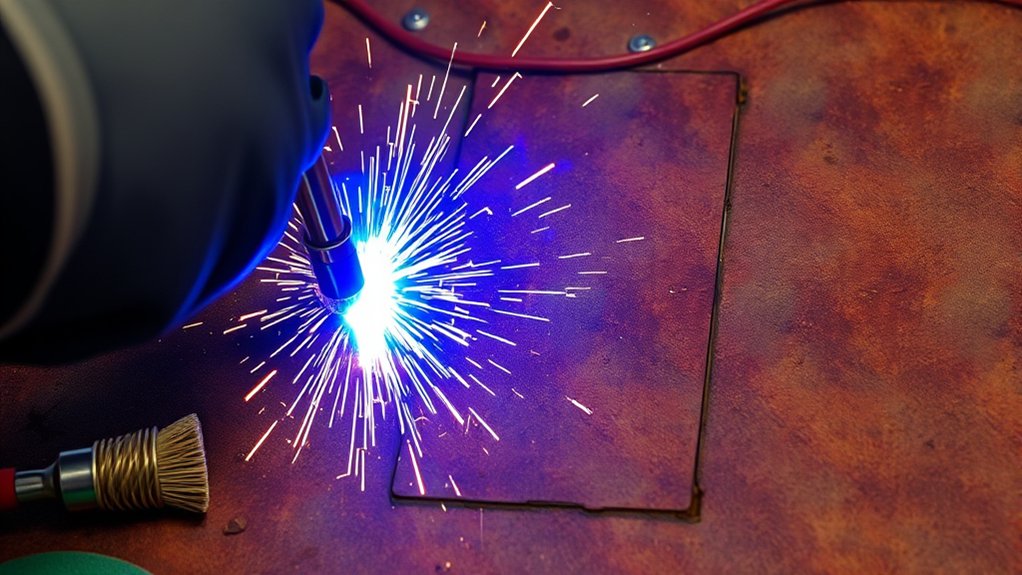
Rusty metal can cause rough edges, arc flutter, extra dross, and uneven cut lines. Flaking scale changes the torch-to-work distance, while deep pitting changes the amount of metal the arc must pass through from one point to the next.
Heavy rust can also hide thin spots, cracks, grease, paint, plating, or previous repairs. Inspect both sides of the workpiece before cutting whenever possible. If corrosion has made the part too weak to clamp, support, or handle safely, replace the part or use a controlled dismantling method instead of treating it as ordinary plate.
To keep your plasma cutter working well, begin with the cut chart in the machine manual. Adjust only after a test cut, and change one variable at a time so you know whether speed, height, air, consumables, or amperage caused the difference.
Rust-Induced Cutting Issues
Rust creates an uneven surface, so the torch may not keep a steady standoff distance. That can leave jagged edges, wider kerfs, bevel, and more dross on the back of the cut.
Loose scale can also break away under a drag shield or straightedge. Remove flakes that could catch the torch or change its height. You do not need to polish the entire sheet, but the cut path and work-clamp point should be stable and clean enough for reliable operation.
Watch for paint, oil, undercoating, galvanizing, or other coatings beneath the rust. These materials can make the cut harder to inspect and may release hazardous fumes. OSHA requires ventilation controls based on the metals and coatings involved and places added requirements on materials containing substances such as lead, cadmium, and beryllium. OSHA’s welding and cutting requirements provide the applicable workplace framework.
When Rust Is Too Heavy to Cut Normally
There is no universal rust-thickness limit because corrosion is irregular. Stop and reassess the job when:
- Scale falls off in layers and prevents a consistent torch height.
- Deep pits make the remaining metal thickness unknown.
- The workpiece bends, cracks, or collapses when clamped.
- You cannot expose a sound bare-metal point for the work clamp.
- The metal is part of an unknown tank, drum, pipe, vehicle fuel system, or sealed cavity.
- The cutter is operating near its severance limit rather than its recommended cut capacity.
In these cases, clean and measure the metal first, support it securely, or choose another cutting or dismantling method. Do not add amperage simply to force an unstable setup.
Surface Preparation Techniques
Start with surface cleaning before you cut. Use a hand wire brush, wire wheel, flap disc, or grinder to remove loose rust, dirt, and scale from the cut line. Control grinding dust and sparks, and keep the grinder’s guard and correct wheel in place.
Clean a small spot for the work clamp as well. Hypertherm and Miller both instruct operators to remove rust, paint, or coatings at the clamp point so the work lead has good metal-to-metal contact. Place the clamp on the workpiece when possible, close to the cut, and never on the section that will fall away.
Next, test a small section of similar metal. This confirms that the arc transfers, the cutter fully penetrates the sound metal, and the selected speed does not leave excessive dross.
After cutting, remove loose slag and inspect the edge. If the part will stay in service, clean the exposed steel and apply a compatible rust-inhibiting primer or coating after the metal cools and the manufacturer’s surface-preparation requirements are met.
Maintaining Plasma Cutter Efficiency
Keep your plasma cutter in good condition before cutting rusty metal. Inspect the nozzle, electrode, shield or retaining cap, torch lead, work lead, and clamp for wear or damage.
Use clean, dry, oil-free compressed air at the pressure and flow range listed for your exact machine and torch. Moisture and oil can reduce cut quality and shorten consumable life. In humid conditions, drain the compressor tank and use filtration or a dryer suitable for the system. Hypertherm’s air-quality guidance explains why air volume, cleanliness, and dryness matter.
Replace worn consumables before they ruin the cut. An enlarged or irregular nozzle opening can widen the arc and kerf, while a deeply pitted electrode can cause unstable starts. Use the consumable combination and amperage range specified by the torch manufacturer.
Heavy rust can slow preparation and cleanup even when the cutter can sever the plate. Removing loose scale first usually produces a more repeatable result and makes consumable problems easier to diagnose.
Preparing Rusty Surfaces for Plasma Cutting
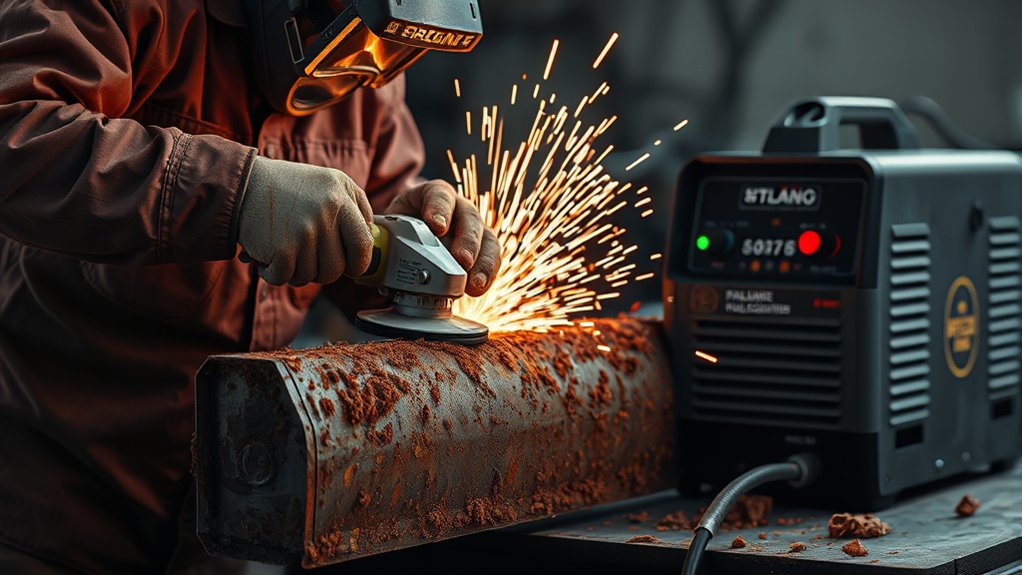
Before you start plasma cutting rusty metal, prepare the surface and work area so the arc can stay steady and the hot slag has a safe place to fall.
- Inspect the metal and identify its history. Check both sides for deep pitting, cracks, coatings, trapped liquids, closed cavities, and contact with fuel or chemicals. Do not cut a used or sealed container unless it has been properly cleaned, vented, tested, and declared safe under an established hot-work procedure.
- Move or shield fire hazards. Clear the cutting area, the floor below, wall openings, and the opposite side of nearby partitions. Keep suitable fire-extinguishing equipment ready.
- Support and secure the workpiece. Place the metal on a stable, noncombustible cutting surface with room for sparks and slag to exit. Clamp it so the cut section cannot pinch the torch or fall toward you.
- Clean the cut path. Brush or grind away loose rust, flaking paint, dirt, grease, and heavy scale. Remove only as much sound metal as necessary.
- Prepare the work-clamp point. Grind a clean bare-metal patch and attach the clamp securely near the cut, but not on the drop piece.
- Check the machine and air supply. Verify input power, air pressure and flow, filters, torch parts, consumables, and mode settings against the manual.
- Make a test cut. Use scrap of similar material or an inconspicuous section. Confirm full penetration, stable sparks, acceptable dross, and a consistent kerf before making the final cut.
Warning: Plasma cutting is hot work. OSHA uses a 35-foot (10.7 m) benchmark for relocating or protecting appreciable combustibles and requires a fire watch in specified higher-risk conditions. Never cut an uncleaned drum, tank, pipe, or container that held flammable or toxic material. Inspect hidden and opposite-side areas for ignition hazards.
Products Worth Considering

[Achieve Precise Cuts] PT31 Plasma Cutting Consumables – Your Essential Tool for Efficient Cutting! Whether you're working with sheet metal, steel, or any other material, superior cutting performance ensure clean, accurate, and smooth cuts.

⚡【Precision Compatibility】 Exact fit for YESWELDER CUT 55DS Pro & 65DS (2019-2024 models). Replaces OEM# IPT40-55DS/65DS.

Fit for : AG-60 AG-60P SG-55 WSD-60 Plasma cutter torch head
Optimizing Plasma Cutter Settings for Cleaner Results
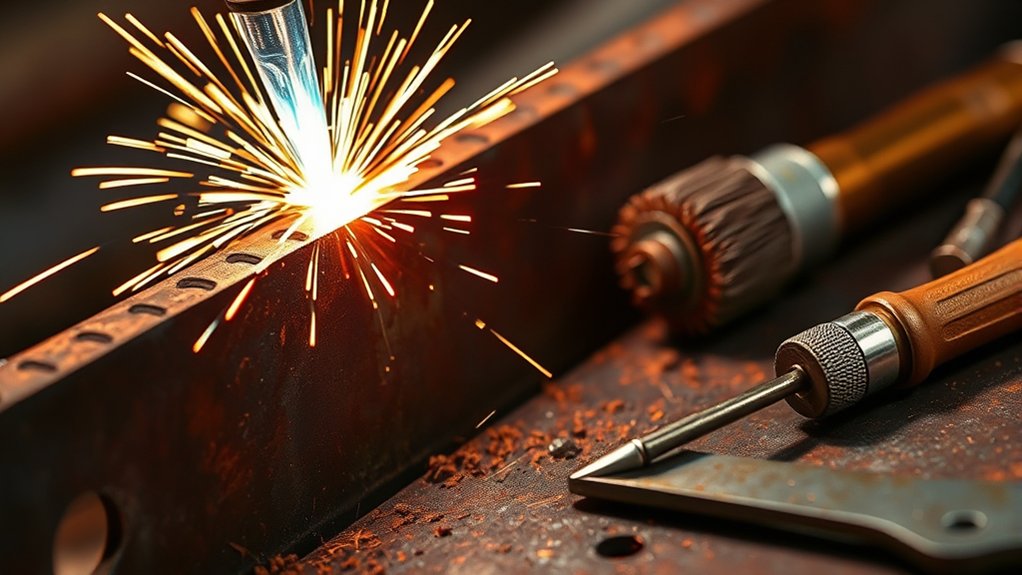
Good settings help you get cleaner cuts on rusty metal, but there is no safe universal amperage or air-pressure number. Start with the cut chart for the exact machine, torch, material, thickness, consumables, and input voltage. Then adjust based on the test cut.
Set amperage for the metal thickness and the consumable being used. Thick steel generally needs more output and a lower travel speed than thin sheet, but moving too slowly can create low-speed dross, a wider kerf, and excess heat.
Keep a steady torch height and hold the torch square to the work unless the manual calls for another technique. If your torch uses a drag shield, it may rest on the work while maintaining the designed standoff. Do not drag an unshielded tip unless the manufacturer allows it.
Watch the sparks rather than using rust alone as a speed guide. The arc should pass through the metal and the sparks should exit the bottom, trailing slightly behind the torch. Sparks spraying upward can mean the speed is too fast, the power is insufficient, the torch is too high, or the metal is thicker than expected. Miller’s plasma-cutting tips cover standoff, consumables, and travel-speed clues.
Use this table as a troubleshooting guide, not as a substitute for the cut chart:
| Setting | Starting Point | What to Watch |
|---|---|---|
| Amperage | Use the cut-chart value and matching consumable. | Too little may not penetrate; excessive output can widen the kerf on thin steel. |
| Input Power | Use the voltage, circuit, plug, and conductor size required by the manufacturer. | Low input voltage or an undersized extension cord can reduce output or trip protection. |
| Air Pressure and Flow | Set and test while air is flowing, as the manual directs. | Pressure alone is not enough; the compressor must also supply the required flow. |
| Nozzle and Electrode | Use the correct matched parts for the selected amperage and process. | An irregular nozzle hole or deeply pitted electrode can cause rough, wandering cuts. |
| Torch Height | Use the specified drag shield or standoff. | Too high can reduce energy at the work and increase bevel or dross. |
| Travel Speed | Start at the chart value and read the sparks and cut edge. | Too fast can leave incomplete penetration; too slow can create heavy low-speed dross. |
Pro Tip: Start from an existing edge when practical. Edge starts reduce molten-metal blowback onto the torch compared with piercing through thick or heavily scaled plate. When a pierce is necessary, use the technique and pierce limits in the operator manual.
Products Worth Considering

Package Include: 10 Shield Cups, 50 Nozzles, 20 Swirl Baffle, and 30 Electrodes.

Fit for: SG-55 AG-60 plasma cutter torch head.

20pcs Plasma Tips Nozzle Extended Ref No: 18866L
Benefits of Proper Surface Preparation
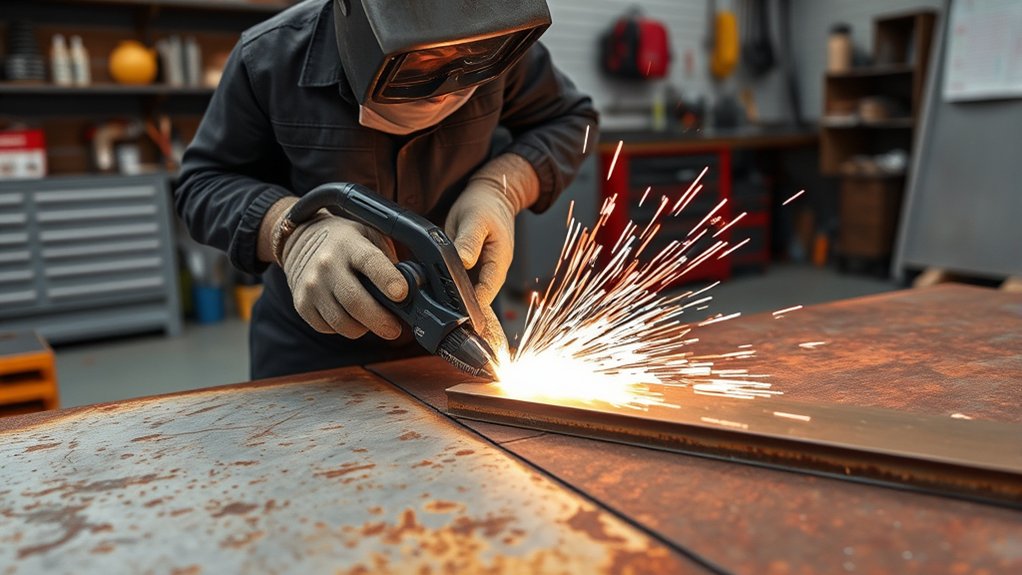
Surface preparation improves cutting precision because the torch can move over a more consistent surface. It also helps the work clamp make solid electrical contact with the workpiece.
Clean metal along the cut line makes it easier to see your layout marks, hold a guide flat, and identify changes in thickness. That can reduce edge defects, attached dross, and extra grinding after the cut.
Enhance Cutting Precision
Proper surface preparation helps you guide the torch with more control. A smoother surface makes it easier to keep the torch height, angle, and speed consistent.
Focus on these precision factors:
- Rust removal: Remove loose scale that can catch the torch or lift a guide.
- Smooth cut path: Clean the line so the torch can move without jumping over flakes.
- Clean work-clamp point: Clamp to sound bare metal for reliable arc transfer.
- Stable support: Prevent warped or weakened metal from moving as the cut releases stress.
These steps improve repeatability and reduce the amount of finishing work after cutting.
Reduce Edge Imperfections
Surface preparation helps reduce edge imperfections, but rust is only one possible cause. Worn consumables, wrong speed, incorrect standoff, low air flow, moisture, and a tilted torch can create similar symptoms.
Use a wire brush or grinder to remove heavy loose rust along the cut line. Clean off grease, paint flakes, and debris that could create fumes, obscure the layout, or interfere with the guide.
A well-prepared surface gives you a better baseline for troubleshooting. If the test cut is still rough after cleaning, check the setup rather than grinding more sound metal away.
Tips for Achieving Cleaner Cuts on Rusty Metal
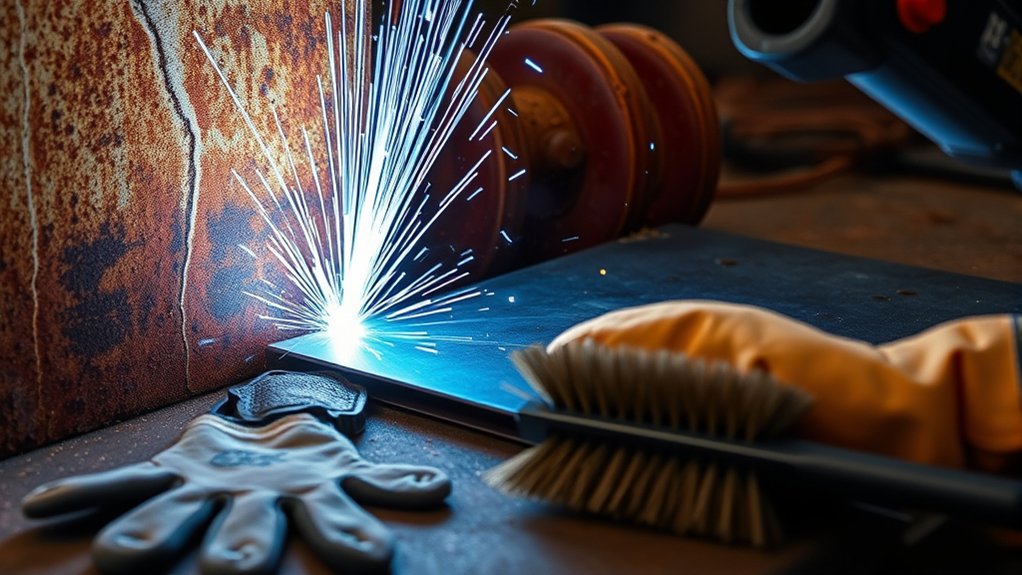
For cleaner cuts on rusty metal, start with a clean cut line and a stable workpiece. Clamp the metal securely so it does not shift, sag, or pinch the kerf during the cut.
Avoid unsupported freehand cutting when accuracy matters. Use a straightedge, template, circle guide, or roller guide that is compatible with the torch. Account for the distance between the torch centerline and the guide edge when laying out the cut.
A plasma cutter does not need perfectly polished steel, but it does need a sound cutting path, reliable work-clamp contact, correct settings, and a safe hot-work area.
Clean the metal surface before you cut. Removing loose rust with a wire brush or grinder helps the torch move smoothly and makes the edge easier to inspect.
- Read the sparks: They should pass through the work and exit from the bottom rather than spray back toward the torch.
- Keep the torch square: Hold it close to 90 degrees to the work unless the manual calls for a bevel or finishing technique.
- Maintain the correct standoff: Use the drag shield or distance specified for your torch.
- Check the work clamp: Attach it to clean bare metal near the cut and away from the drop piece.
- Use dry air: Drain moisture and maintain filters or dryers according to the compressor and plasma-cutter instructions.
- Pause before changing settings: Inspect the nozzle and electrode first; worn parts can imitate a settings problem.
Troubleshooting Plasma Cuts on Rusty Metal
Use the cut chart as your baseline, then work through likely causes in a consistent order. Do not change amperage, speed, air, and torch height all at once.
| Symptom | Likely Causes | What to Do |
|---|---|---|
| Pilot arc starts but will not transfer | Rust or paint at the clamp, loose work lead, clamp on the drop piece, excessive torch distance | Clean the clamp point to bare metal, tighten connections, move the clamp closer, and use the specified standoff. |
| Sparks spray upward or the cut does not go through | Travel too fast, output too low, metal thicker than expected, low air flow, worn consumables | Verify thickness and cut capacity, inspect consumables and air flow, then reduce speed in small steps. |
| Heavy, bubbly dross underneath | Travel too slow, excessive heat, wrong consumable or amperage | Return to the cut chart and increase speed gradually after confirming the consumable and output. |
| Small hard bead of dross or strong bevel | Travel too fast, torch too high, inadequate output, nozzle wear | Inspect the nozzle, correct height, and slow down slightly while watching the spark trail. |
| Wide, wandering, or ragged kerf | Loose scale, irregular nozzle opening, unstable hand motion, changing standoff | Clean the path, replace worn consumables, and use a guide or drag shield approved for the torch. |
| Consumables wear unusually fast | Wet or oily air, repeated piercing beyond limits, tip contact when not allowed, poor technique | Service air filtration, start from an edge when practical, and follow the torch’s piercing and standoff instructions. |
Common Mistakes to Avoid When Cutting Rusty Metal
Many cutting problems come from setup errors, not the rust alone. Check these issues before blaming the machine:
- Cutting over heavy loose rust without cleaning the cut line.
- Clamping the work lead to painted, rusty, oily, or dirty metal.
- Attaching the work clamp to the section that will fall away.
- Using worn or mismatched consumables after cut quality starts to drop.
- Assuming “slower is better” and creating low-speed dross.
- Using a machine at its severance limit while expecting a clean production cut.
- Ignoring compressor flow, moisture, or oil because the pressure gauge looks normal.
- Cutting near rags, fuel, wood, paper, dust, wall cavities, or other hidden combustibles.
- Cutting unknown painted, plated, or chemical-contaminated metal without identifying the hazard.
- Using only clear safety glasses or an unshaded face shield for arc viewing.
Fixing these mistakes can improve cut quality quickly. It can also reduce consumable wear and make your results easier to repeat.
Plasma-Cutter Safety for Rusty and Coated Metal
Wear safety glasses with side protection under a helmet or face shield fitted with the filter shade required for the arc current and visibility conditions. OSHA lists minimum filter shades for plasma arc cutting and requires protection from flying particles and radiant energy. Review OSHA’s eye and face protection table and follow the plasma-cutter manufacturer’s recommendation when it is more protective.
Also wear flame-resistant clothing that covers exposed skin, dry gloves suitable for hot work, hearing protection, and sturdy leather footwear. Keep your body out of the path of sparks and falling metal. Never hold the workpiece in your hand while cutting.
Use local exhaust or effective general ventilation to keep fumes out of your breathing zone. The correct respiratory protection depends on the base metal, coating, ventilation, and exposure level. A disposable nuisance-dust mask is not a universal solution for metal or coating fumes.
Inspect the area after cutting. Hot slag can travel through gaps and start a fire out of sight. OSHA requires suitable extinguishing equipment to be ready and, when specified conditions exist, a trained fire watch that continues for at least 30 minutes after cutting.
When a Plasma Cutter Is Not the Best Choice
Choose another method or obtain qualified help when the metal is not electrically conductive, the remaining thickness is unknown, the work cannot be supported safely, or the cutter is undersized for the job.
Do not use plasma cutting on an unverified fuel tank, drum, pressure vessel, sealed pipe, or container that may hold flammable or toxic residue. Even an apparently empty container can contain ignitable vapor. Cutting should begin only after the item has been cleaned, isolated, vented, tested, and approved under a proper hot-work procedure.
For precision parts made from deeply pitted plate, replacing the material may be safer and more economical than trying to cut around corrosion and then repairing the edge.
Frequently Asked Questions
Can plasma cutters cut through paint-covered rusty metal?
Yes. Many pilot-arc plasma cutters can cut through light paint and rust when the base metal is conductive and within the machine’s rated capacity. Remove loose material from the cut path, identify the coating, provide suitable fume control, and grind the work-clamp point to clean bare metal.
Is protective gear necessary when using a plasma cutter?
Yes. Use safety glasses with side protection plus properly shaded eye and face protection, flame-resistant clothing, dry gloves, hearing protection, and sturdy footwear. Ventilation and respiratory controls must match the metal and coating being cut.
How does humidity affect plasma cutting on rusty surfaces?
Humidity can increase moisture in the compressor tank and air lines. Wet air can reduce cut quality and consumable life, so drain the tank and maintain filters or an air dryer as needed. Do not operate electrical cutting equipment in wet conditions unless the equipment and procedure are specifically designed for them.
Are there specific plasma cutter models better for rusty metal?
A model with pilot-arc starting or continuous pilot-arc mode is useful on rusted, painted, grated, or interrupted metal. More important, choose a cutter with adequate recommended capacity, input power, duty cycle, air requirements, and local service support for the work you do.
Can plasma cutting sparks ignite surrounding materials?
Yes. Plasma cutting throws sparks and hot slag that can pass through cracks or ignite material on the opposite side of a wall, floor, or workpiece. Remove or shield combustibles, keep a suitable extinguisher ready, and use a fire watch when the work conditions require one.
Do I need to remove all rust before plasma cutting?
No. You usually need to remove loose scale and clean the cut line enough for stable torch travel. The work-clamp point must be bare, sound metal. Deep pitting or layered scale needs more inspection because it can hide unsafe thinning and cause uneven cut quality.
Why will the arc not transfer to rusty metal?
The most common causes are poor metal-to-metal contact at the work clamp, a loose work lead, excessive torch distance, low air flow, or worn consumables. Clean the clamp area, tighten connections, place the clamp closer to the cut, and follow the troubleshooting steps in the operator manual.
Can I plasma cut a rusty fuel tank or drum?
Not merely because it looks empty. Do not cut a tank, drum, pipe, or container that held fuel, solvents, chemicals, or unknown material until it has been professionally cleaned, isolated, vented, tested, and approved for hot work. Residual vapor can explode or release toxic gases.
Safety Disclaimer: This article is for general informational purposes and does not replace hands-on training, the plasma cutter’s operator manual, a workplace hazard assessment, or applicable hot-work rules. Use equipment only within its ratings and follow local fire, ventilation, electrical, and personal-protective-equipment requirements.
Sources
- Hypertherm: How Does a Plasma Cutter Work? — plasma-arc operation and conductive materials.
- Hypertherm: Powermax45 XP Setup — filtered air, work-clamp contact, and setup principles.
- Hypertherm: Air Filter Guidance — moisture control, dry air, and consumable life.
- Miller Electric: Plasma Cutting Tips — torch standoff, travel speed, sparks, and consumable inspection.
- OSHA 29 CFR 1910.133 — eye and face protection and minimum filter shades.
- OSHA 29 CFR 1910.252 — fire prevention, ventilation, coatings, containers, and hot-work controls.
Conclusion
A plasma cutter can cut rusty metal, but the result depends on the condition of the base metal and the quality of the setup. Remove loose scale, expose a clean work-clamp point, support the work securely, use dry air and sound consumables, and begin with the manufacturer’s cut chart.
Your next step is to inspect and clean a small test area before making the main cut. If the arc transfers cleanly, sparks exit the bottom, and the edge is acceptable, continue with the same setup. If the metal is deeply weakened, coated with an unknown material, or part of a used container, stop and resolve the safety hazard first.